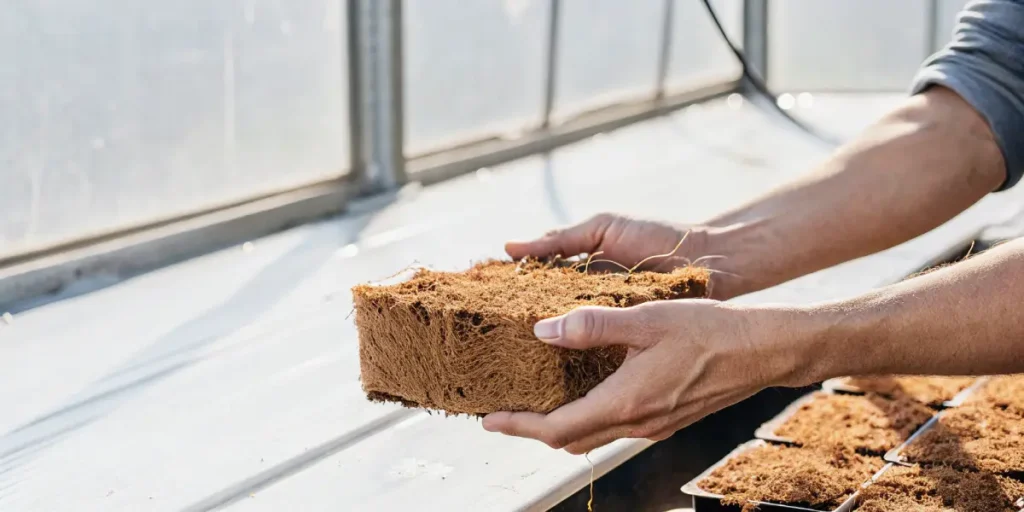

A 70/30 coco and perlite mix, buffered before use, fed at pH 5.8 and run at a low EC early on will do more for an autoflower than any particular brand. Coco suits autos well because it lets you feed little and often through a short life cycle with no transplant shock, and the two things that go wrong are both avoidable: unbuffered coco locking out calcium, and feeding a two-week-old auto at full strength. The targets below are what to aim for week by week.
Growing autoflowers can be a rewarding experience, especially when you choose the right medium. Coco coir is a popular choice among growers due to its excellent properties. But how do you choose the best coco coir for autoflowers? Let’s dive into the factors that make coco coir a top choice for both beginners and seasoned growers.
Recommended Strains
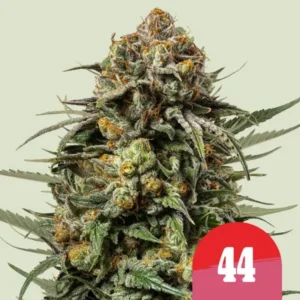
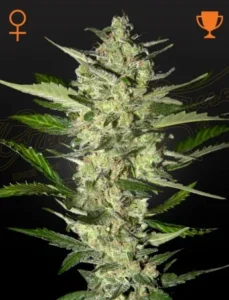
Gelato 44 - Tyson S

|
Type | Feminized |

|
THC | 21% - 22% (Medium) |

|
Lineage | Sunset Sherbet X Thin Mint Girl Scout Cookies |

|
Phenotype | 75% Indica / 25% Sativa |

|
Effects | Creative, Euphoric |

|
Flavors | Citrus, Cookie, Earthy |

|
Flowering Time | 8 - 9 weeks |

|
Yield | Medium |

|
Yield Indoor | 1.31 - 1.47 oz/ft² | 400 - 450 g/m² |

|
Yield Outdoor | 19.4 - 21.16 oz/plant | 550 - 600 g/plant |

|
Height | 4.92 ft | 1.5 m |
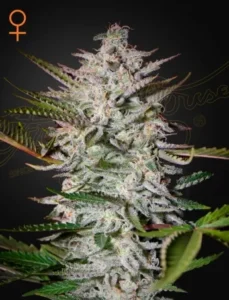
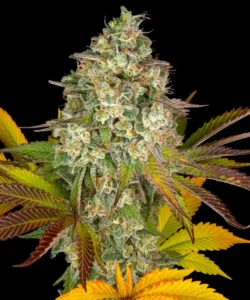
Holy Punch
|
|
Type | Feminized |
|
|
THC | 20% - 21% (Medium) |
|
|
Lineage | The Church x Grape |
|
|
Phenotype | 40% Indica / 60% Sativa |
|
|
Effects | Energetic, Talkative, Uplifted |
|
|
Flavors | Diesel, Grape, Woody |
|
|
Flowering Time | 8 - 9 weeks |
|
|
Yield Outdoor | 35.27 oz/plant | 1000 g/plant |
|
|
Height | 5.09 ft | 1.55 m |
Coco coir is made from coconut husks. It’s a sustainable and renewable resource, offering a perfect balance of water retention and aeration. Autoflowers thrive in coco coir thanks to its ability to provide roots with oxygen while retaining moisture. This combination helps autoflowers grow faster and healthier.
When selecting the best coco coir for autoflowers, consider factors like texture, pH level, and salt content. High-quality coco coir for autoflower plants should be free from impurities and well-buffered to ensure optimal growth conditions. Let’s explore the features and benefits of using coco coir for your autoflowering cannabis strains.
What to Look for When Buying Coco Coir
The best coco coir brands for autoflower cannabis offer products specifically designed for optimal plant growth. A high-quality coco coir should have a consistent texture, free from large chunks or dust, which can affect drainage and aeration. Additionally, it should have a natural pH level close to neutral, making it suitable for growing cannabis without needing extensive adjustments.
Salt content is another crucial factor. Coco coir naturally contains salts that can harm plants if not properly washed and buffered. The best coco coir for autoflowers is thoroughly rinsed to remove these salts. This ensures that your plants receive only the nutrients you provide, without any interference from unwanted salts.
Moreover, the best coco coir for autoflowers should be able to retain essential nutrients while allowing excess salts and minerals to drain away. This helps in maintaining a stable growing environment. By choosing products from the best coco coir brands for autoflower cannabis, you ensure that your medium is consistent and reliable.
Another important feature is the coco coir’s ability to resist compaction over time. A high-quality coco coir for autoflower plants should maintain its structure and not compact, which can lead to poor aeration and root issues. Selecting a coco coir that remains airy and fluffy is crucial for the health of your autoflowers.
| Factor | Ideal for Autoflowers | Why it matters |
|---|---|---|
| Texture | Light, fluffy, no dust or large chunks | Ensures proper aeration and fast root growth |
| pH level | 5.8 – 6.5 | Prevents nutrient lockout and deficiencies |
| Salt content (EC) | Low / pre-washed & buffered | Autoflowers are sensitive to salt stress |
| Buffering | Calcium & magnesium buffered | Avoids Ca/Mg deficiencies common in coco |
| Drainage | High (often mixed with perlite) | Prevents overwatering and root issues |
| Reusability | Yes (with proper cleaning) | Cost-effective and sustainable |
| Best mix ratio | 70% coco / 30% perlite | Optimal balance of moisture and oxygen |
The Coco and Perlite Mix That Works for Autoflowers
Creating the perfect blend for your autoflowers can significantly impact your success. A recommended coco coir mix for autoflowers might include a combination of coco coir, perlite, and vermiculite. This blend enhances drainage and aeration, crucial for healthy root development and overall plant health.
When mixing your coco coir, aim for a ratio of 70% coco coir to 30% perlite or vermiculite. This provides a balanced environment where your plants can thrive. Each component plays a role—coco coir retains moisture, perlite improves aeration, and vermiculite aids in nutrient retention.
An important aspect of a recommended coco coir mix for autoflowers is the flexibility it offers. As you gain more experience, you can tweak the ratios to better suit the specific needs of your strains and growing conditions. This adaptability is a key advantage of using coco coir as a growing medium.
Additionally, some growers incorporate other amendments like worm castings or guano to their coco coir mix, providing an organic boost to plant growth. This can enhance the nutritional profile of the medium, giving your autoflowers an extra edge in their development.
| Stage | EC (mS/cm) | pH in | Cal-mag | Notes |
|---|---|---|---|---|
| Seedling, week 1-2 | 0.4-0.6 | 5.8 | Half dose | Plain buffered coco, water sparingly |
| Early veg, week 2-3 | 0.8-1.2 | 5.8 | Full dose | Start feeding every watering |
| Late veg, week 3-4 | 1.2-1.6 | 5.8-6.0 | Full dose | Watch runoff EC rising |
| Flower, week 4-7 | 1.6-2.0 | 5.9-6.1 | Full dose | Peak demand, feed daily |
| Last 2 weeks | 1.0-1.4 | 6.0 | Reduce | Taper, then plain water |
EC and pH Targets for Autoflowers in Coco
Exploring top-rated coco coir substrates can simplify your growing process. These substrates are pre-mixed and designed to provide optimal conditions for autoflowers. They typically come buffered and pre-washed, ensuring that your plants won’t suffer from salt build-up or pH imbalances.
Choosing a top-rated coco coir substrate can save you time and effort. Many growers prefer ready-to-use products, especially when cultivating strains like Blue Dream autoflowers. These substrates are convenient and effective, offering a consistent medium that supports robust growth and high yields.
These top-rated coco coir substrates for autoflowering strains often come with added beneficial microbes that help in nutrient breakdown and uptake. This can further enhance plant growth and health, giving you a competitive edge in your cultivation efforts.
Furthermore, the convenience of using top-rated coco coir substrates means you can focus more on other aspects of growing, such as lighting and nutrient management, confident that your plants have a solid foundation to grow on.

Optimal Coco Coir Blend for Growing Autoflowers
Finding the optimal coco coir blend for growing autoflowers involves understanding your plants’ needs. Autoflowers have a shorter lifecycle, which means they require precise conditions to maximize growth within a limited timeframe. An optimal blend provides the right balance of nutrients, moisture, and aeration.
For beginners, starting with a high-quality coco coir mix designed for cannabis can simplify the process. These blends often include added nutrients tailored for autoflowers. However, experienced growers might prefer to create their own mix, adjusting components to suit specific strains like the White Widow autoflower from Global Green Genetics.
It’s also beneficial to consider the environmental conditions of your growing space when determining the optimal coco coir blend. Factors such as humidity and temperature can influence how your plants interact with the medium, so adjustments may be necessary to maintain ideal growing conditions.
Additionally, the nutritional needs of your autoflower strains can vary, so it’s important to remain vigilant and responsive. Regular testing of the growing medium and plant tissue can help identify any deficiencies or excesses, allowing you to tweak your coco coir blend for maximum effectiveness.
Benefits of Using Coco Coir for Autoflowers
Using coco coir for autoflowers offers numerous benefits. Its excellent water retention means you don’t have to water as frequently, reducing the risk of over or under-watering. This is especially beneficial for new growers still learning the ropes of cannabis cultivation.
Coco coir is also resistant to pests and diseases, which can be a major concern in cannabis growing. Its natural antifungal properties help protect your plants, giving you peace of mind. For those growing strains like Amnesia Haze autoflowers, this added protection is invaluable.
Another significant benefit of using coco coir is its environmental sustainability. As a by-product of the coconut industry, it’s an eco-friendly choice that supports sustainable agriculture practices. This makes it an appealing option for environmentally conscious growers.
Additionally, coco coir’s lightweight nature makes it easy to handle and transport, simplifying the setup and maintenance of your growing area. This practical advantage can be particularly useful when managing multiple plants or larger grow spaces.
Practical Tips for Using Coco Coir
Start by choosing the right coco coir. Look for products specifically labeled for cannabis to ensure they’re properly processed. Reputable brands will have undergone extensive washing and buffering, making them safe and effective for your plants.
Once you have your coco coir, hydrate it thoroughly before use. Coco coir often comes compressed, so soaking it in water allows it to expand to its full volume. This step is crucial for achieving the proper texture and water retention capabilities.
It’s also advisable to regularly monitor the pH levels of your coco coir. Maintaining the pH within the optimal range ensures that nutrients are readily available to your plants, preventing deficiencies and promoting healthier growth.
Moreover, using a drip irrigation system can help maintain consistent moisture levels within the coco coir. This can be particularly beneficial for autoflowers, which can be sensitive to fluctuations in their growing environment.

Frequently asked questions
What makes coco coir ideal for autoflowers?
Two things. It holds a lot of air for a medium that also holds water, so roots get oxygen without drying out, and it is inert, so you control the feeding entirely. For a plant with no time to recover from a mistake, that control is the real advantage.
How do I prepare and buffer coco coir?
Rinse it until the runoff is clear, then buffer it by soaking in a strong cal-mag solution for several hours and rinsing again. Skipping the buffering step is what causes the calcium deficiency most first-time coco growers blame on their nutrients.
Can I reuse coco coir for autoflowers?
You can, but for autoflowers it is rarely worth it. Used coco holds salts and old root mass, and reconditioning it properly takes longer than the margin you have in a ten-week grow. Fresh coco for autos, reuse it on photoperiods if you want to.
What strains grow best in coco coir?
Coco coir supports a wide range of cannabis strains, making it versatile for different growing preferences. Autoflower strains, in particular, benefit from coco coir’s balanced moisture and aeration properties. Strains like Northern Lights, Amnesia Haze, and Blue Dream autoflowers all thrive in coco coir.
Each strain may have specific nutrient and environmental needs, so it’s important to tailor your growing practices accordingly. By using high-quality coco coir and monitoring your plants’ responses, you can optimize conditions for any autoflowering strain.
Additionally, experimenting with different nutrient formulas and coco coir blends can help identify the ideal conditions for each strain. This tailored approach can enhance growth performance and lead to larger, more potent harvests.
Some growers also find success in using specific coco coir products that are formulated with particular strains in mind. These blends can offer a convenient and effective solution for maximizing the potential of your autoflowers.
Is coco coir better than soil for autoflowers?
For autoflowers, usually yes. Coco gives faster growth and tighter control over feeding, which suits a short cycle. Soil is more forgiving of neglect, so if you cannot water daily, soil is the safer choice rather than the worse one.