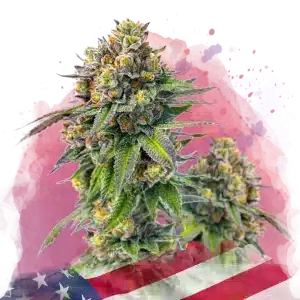
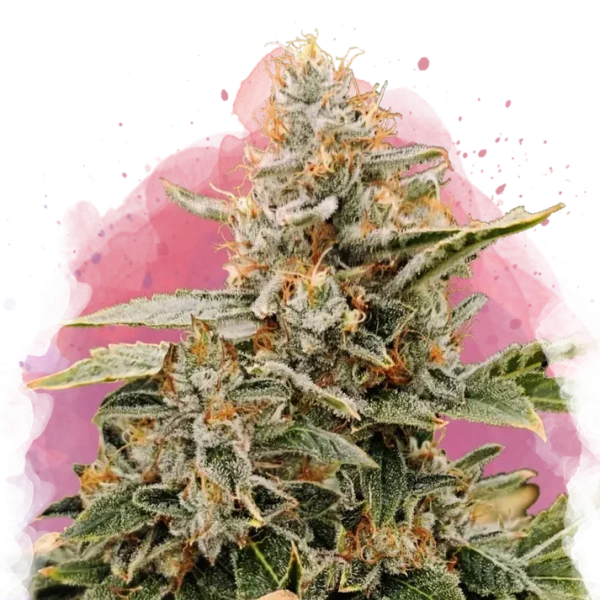

Apple Fritter

|
THC | 22% - 28% (High) |

|
Lineage | Sour Apple × Animal Cookies |

|
Type | Feminized |

|
Harvest Month | October |

|
Height | 4.92 ft | 1.5 m |

|
Yield | High |

|
Yield Indoor | 1.64 - 2.13 oz/ft² | 500 - 650 g/m² |

|
Yield Outdoor | 21.16 - 28.22 oz/plant | 600 - 800 g/plant |

|
Flowering Time | 8 - 10 weeks |

|
Phenotype | 50% Indica / 50% Sativa |

|
Effects | Euphoric, Relaxed, Uplifted |

|
Flavors | Fruity, Spicy, Earthy |
Choose seed quantity
PROMO
Get 3x Scrambler Haze seeds FREE on $90+ orders.
Use code: SCRAMBLER3
Learn more
Lineage and Origin of Apple Fritter
Apple Fritter is a cannabis strain created from Sour Apple x Animal Cookies genetics. This cross brings together the fruity character associated with Sour Apple and the sweet, spicy qualities of Animal Cookies, creating the genetic foundation behind Apple Fritter’s distinctive profile.
For growers choosing seeds based on lineage, Apple Fritter combines two established parent strains in a balanced hybrid with high THC levels and strong indoor and outdoor production potential.
Is Apple Fritter Sativa or Indica?
Apple Fritter is a perfectly balanced hybrid composed of 50% indica and 50% sativa genetics.
Rather than leaning heavily toward either side, this even genetic split gives growers a true hybrid cultivar. Its reported experience reflects that balance, combining the uplifting qualities associated with its sativa side with the relaxation linked to its indica component.
Apple Fritter Effects
Apple Fritter has a high THC content of 22% to 28% and is associated with euphoric, uplifting, and relaxing effects.
The experience can begin with a more uplifting and euphoric sensation before developing into deeper relaxation. This progression creates the balanced effect profile for which Apple Fritter is known, bringing stimulating and calming characteristics together within the same cultivar.
Apple Fritter Flavor
Apple Fritter combines fruity, spicy, and earthy flavors, creating a layered profile influenced by its Sour Apple and Animal Cookies lineage.
Fruitier notes lead the experience alongside a spicy character, while earthy qualities add further depth to the finish. The aroma follows a similar combination, giving Apple Fritter a profile that brings together fruit, spice, and earth rather than relying on a single dominant characteristic.
How to Germinate Apple Fritter Seeds
As Apple Fritter is supplied as feminized seeds, growers can focus on establishing the seedlings that will form the basis of the final crop without the male-plant selection required with regular seeds. Once germinated, plan ahead for plants that can reach around 4.92 feet, choosing their final growing space with enough room for development.
Apple Fritter Flowering Time
Apple Fritter has a flowering period of approximately 8 to 10 weeks, giving growers a clear timeframe for planning the final stage of cultivation.
As harvest approaches, cultivators can monitor trichome development to assess maturity. The original growing information recommends looking for predominantly milky trichomes with some amber before deciding when to harvest.
Indoor and Outdoor Growing Conditions
Apple Fritter can be grown indoors or outdoors and reaches approximately 4.92 feet in height, making its expected size an important consideration when planning cultivation space. Indoor growers can achieve approximately 1.64–2.13 oz/ft², while outdoor plants can produce around 21.16–28.22 oz per plant.
The strain is associated with warm, stable conditions, ample sunlight, and moderate humidity for outdoor cultivation. Indoors, growers can control lighting and temperature throughout development, while regular feeding and attention to soil conditions can support the plant as it progresses through vegetative growth and flowering.
Apple Fritter Terpene Breakdown
Apple Fritter’s reported terpene profile includes myrcene, caryophyllene, limonene, pinene, and linalool, adding several aromatic layers beyond its primary fruity, spicy, and earthy character.
Myrcene contributes earthy and musky qualities, while caryophyllene adds spice. Limonene introduces citrus characteristics, pinene contributes a fresh pine aroma, and linalool brings floral, lavender-like notes, creating a diverse terpene profile around the strain’s core flavors and aromas.
Best Climate and Where to Grow Apple Fritter in the U.S.
Apple Fritter is suited to warm, stable climates with ample sunlight and moderate humidity. Consistent daytime warmth combined with cooler nights provides the outdoor conditions described for this cultivar, while indoor cultivation gives growers greater control over environmental variables.
Top U.S. Cities for Growing Apple Fritter
Locations listed as potential growing areas for Apple Fritter include San Diego, Denver, Portland, Las Vegas, Seattle, Santa Fe, and Miami. Actual suitability will depend on local conditions, and growers should always consider applicable cannabis cultivation laws before starting an outdoor grow.
Reviews
There are no reviews yet. Be the first one to write one.
Write a review
Apple Fritter is a 50% indica and 50% sativa hybrid, giving it an evenly balanced genetic profile. Its reported effects reflect both sides of this combination, beginning with euphoric and uplifting characteristics before developing into relaxation. This makes Apple Fritter different from cultivars with a strong indica or sativa dominance.
Apple Fritter offers substantial production potential in both environments. Indoor growers can achieve approximately 1.64–2.13 oz/ft², while outdoor plants can produce around 21.16–28.22 oz per plant. Plants reach approximately 4.92 feet, giving cultivators useful size and production references when planning the available growing space.
Apple Fritter is suited to warm, stable growing conditions with ample sunlight and moderate humidity. Outdoor growers should consider these environmental requirements when choosing a location. Indoor cultivation provides greater control over temperature and lighting, allowing cultivators to manage the growing environment throughout Apple Fritter’s approximately eight-to-ten-week flowering period.
Related products