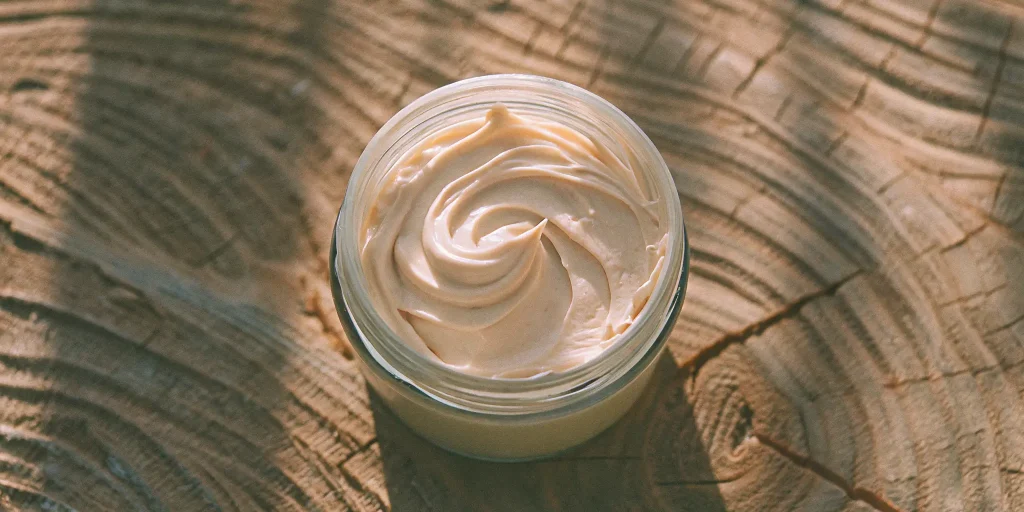

THC batter, also called badder or sometimes budder, is a soft cannabis concentrate with a creamy, cake-batter-like texture. The name describes consistency, not a fixed THC percentage or extraction method. Batter can be solvent-based or solventless, and its potency, terpene content, flavor, and effects vary by the actual product and batch.
What Is Batter THC?
Batter THC is a cannabis concentrate named for its soft, whipped consistency, which can resemble thick cake batter or frosting. You will also frequently see the spelling badder, and the cannabis industry does not maintain a rigid scientific distinction between the two terms. Leafly treats badder and batter as alternative names for the same general concentrate style, while Weedmaps places batter, badder and budder within the same family of soft concentrates.
Recommended Strains
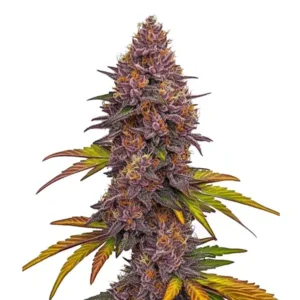
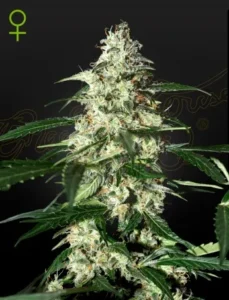
Grizzly Purple Auto

|
THC | 9% - 13% (Low) |

|
Lineage | Critical Auto x Purple Afghani x Ruderalis |

|
Type | Autoflowering |

|
Height | 4.92 ft | 1.5 m |

|
Yield | Medium |

|
Yield Indoor | 1.15 - 1.31 oz/ft² | 350 - 400 g/m² |

|
Yield Outdoor | 21.16 - 24.69 oz/plant | 600 - 700 g/plant |

|
Life Cycle | 8 - 10 weeks |

|
Phenotype | 80% Indica / 20% Sativa |

|
Medical | Depression, Insomnia, Muscle Spasms |

|
Effects | Happy, Relaxed, Talkative |

|
Flavors | Citrus, Fruity, Lemon |
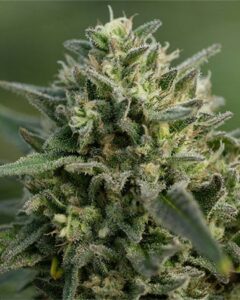
Girl Scout Cookies Fem
|
|
THC | 27% - 28% (High) |
|
|
Lineage | OG Kush x Durban Poison |
|
|
Type | Feminized |
|
|
Height | 3.28 ft | 1 m |
|
|
Yield | Low |
|
|
Yield Indoor | 0.98 oz/ft² | 300 g/m² |
|
|
Yield Outdoor | 10.58 oz/plant | 300 g/plant |
|
|
Flowering Time | 9 - 10 weeks |
|
|
Phenotype | 60% Indica / 40% Sativa |
|
|
Effects | Creative, Euphoric, Happy |
|
|
Flavors | Earthy, Herbal, Lemon |
The most important thing to understand is that batter describes physical consistency rather than a specific cannabinoid concentration. Two products labeled batter can have different THC levels, terpene profiles, extraction methods and starting materials. If you are new to terminology such as wax, shatter, resin and other extracts, Growlantis’ cannabis concentrates and extracts guide provides the broader context.
Is It Batter, Badder or Budder?
“Batter” and “badder” are commonly interchangeable spellings. Both describe a concentrate with a soft, malleable or whipped texture. “Budder” is another closely related term, generally associated with a smooth butter- or frosting-like consistency. In practice, commercial naming is not standardized tightly enough to assume that every producer uses these three labels in exactly the same way.
That means consumers should focus less on whether a jar says batter, badder or budder and more on the laboratory results, extraction type and product description. Texture terminology is useful for anticipating how a concentrate handles, but it is not a chemical classification.
What Does THC Batter Look and Feel Like?
Batter is normally soft enough to scoop with a concentrate tool rather than snapping like shatter. Depending on its composition and processing, it may look glossy and almost sauce-like or comparatively thick and frosting-like. Leafly describes the category as ranging from a viscous sauce to a wetter crumble, while Weedmaps describes batter as generally thicker and glossier than some closely related badder textures.
Color frequently ranges from pale blond to gold or amber, but color alone should not be used as a purity or potency test. Starting material, age, extraction conditions and oxidation can all influence appearance. A darker concentrate is not automatically contaminated, and a pale concentrate is not automatically stronger or cleaner.
How Is Batter THC Made?
The answer depends on the type of batter.
Many commercial batters begin as hydrocarbon extracts, commonly using butane, propane or mixtures of hydrocarbons in professional closed-loop extraction systems. After extraction and solvent removal, post-processing and agitation can influence how cannabinoids, terpenes and other constituents organize into the characteristic soft consistency. Leafly and Weedmaps both describe agitation or whipping as an important part of many solvent-based badder and batter processes.
If you want more context about this extraction family, Growlantis has a separate guide to hydrocarbon extraction. Batter production itself should not be treated as a casual home extraction recipe because volatile hydrocarbon processing requires purpose-built equipment, ventilation, controls and professional handling.
Can Batter Be Solventless?
Yes. Batter-like consistency is not exclusive to hydrocarbon extracts.
Rosin can also develop a soft badder or budder texture through post-processing involving temperature, time and mechanical manipulation. Weedmaps therefore distinguishes between solvent-based badder and solventless rosin badder, even though both finished products can have a similar creamy appearance.
This is another reason the word batter alone tells you relatively little about production. If the extraction method matters to you, look for labels such as live resin badder, cured resin badder or rosin badder rather than trying to infer the process from texture.
What Is Live Resin Batter?
Live resin batter or live badder is a concentrate made from material processed as live resin and finished with a soft, batter-like consistency. The “live resin” part describes the production approach and starting material, while “batter” describes the final texture.
These concepts should remain separate. A concentrate can be live resin without being batter, and a batter does not have to be live resin. Commercial terminology often combines multiple descriptors because each tells the buyer something different about the product.
This distinction is missing from the current article, which tends to treat batter as one fixed extract with one terpene-retention profile. In reality, extraction and post-processing determine much more than the word batter itself.
Batter vs Shatter
The clearest difference between batter and shatter is physical consistency. Shatter is generally hard and brittle, while batter is soft, creamy and scoopable. Leafly classifies both within the broader concentrate family but describes them as distinctly different textures.
That difference does not establish which one contains more THC. A high-potency shatter can exceed a particular batter, or the opposite may be true. The laboratory cannabinoid panel, rather than hardness or softness, tells you which product actually has the higher measured THC concentration.
Batter vs Wax and Budder
These categories overlap considerably. Wax is often used broadly for soft cannabis concentrates, while budder typically describes a smooth, butter-like version. Batter or badder usually falls somewhere in the creamy, malleable range. Weedmaps notes that processing, agitation, terpene content and post-processing conditions can all affect how soft concentrates ultimately behave.
For SEO purposes, I would avoid pretending there is an internationally recognized line where wax ends and batter begins. These are primarily commercial texture categories rather than standardized chemical specifications.
Batter vs Live Resin
This comparison needs a different distinction because the terms describe different characteristics. Batter describes texture, whereas live resin describes a type of extract and production approach. A product can therefore be both simultaneously, which is why dispensaries sell products labeled live resin badder or live batter.
The current article effectively treats live resin as a competing consistency. That is misleading. Better comparisons are batter versus shatter for texture, and cured resin versus live resin for starting-material and processing differences.
How Much THC Is in Batter?
There is no universal THC percentage.
The current Growlantis article says batter often contains 70–90% THC and presents that range directly in its comparison table. I would remove that as a defining specification.
Commercial concentrates can indeed contain very high cannabinoid concentrations, but individual badder products vary substantially. Current Weedmaps listings, for example, include products with widely differing THC percentages rather than one mandatory potency band.
The correct way to answer “How strong is this batter?” is to check its batch-specific cannabinoid analysis. Texture cannot determine THC percentage.
Is Batter Stronger Than Flower?
THC concentrates commonly contain considerably more THC by weight than cannabis flower, so a THC-rich batter can deliver much higher cannabinoid exposure from a relatively small amount of material. CDC specifically notes that concentrates used for dabbing or vaping may deliver very high levels of THC and that products with higher THC concentrations can produce stronger intoxicating effects and increase the risk of overconsumption.
That does not mean every batter has the same potency. A label or certificate of analysis remains more useful than relying on the product category alone.
Does Batter Have More Terpenes?
Not necessarily.
Batter is often marketed around aroma and flavor, particularly when it is produced as live resin badder, but its soft texture does not prove that it contains more terpenes than every other concentrate. Starting material, extraction conditions, post-processing, age and storage all affect the final volatile profile.
The current article repeatedly describes batter as inherently “terpene-rich” and claims superior preservation compared with other concentrates. That should be softened. Some batters are terpene-rich; others may not be.
If terpene content matters, read the actual laboratory terpene panel rather than estimating it from texture.
Does Batter Have Different Effects From Other Concentrates?
There is no universal “batter effect.”
The current page says batter causes intense euphoria, heightened sensory perception or relaxation and then attributes different effects to indica- and sativa-dominant starting strains. I would remove those predictions.
The experience depends more directly on cannabinoid concentration, dose, individual sensitivity, previous cannabis exposure and the chemistry of the particular product. CDC notes that the effects of cannabis depend on factors including THC concentration, frequency of use, other substances and method of consumption.
Creamy texture itself does not cause relaxation, energy or euphoria.
How Is Batter Commonly Used?
Dabbing is one of the most common consumption methods for badder and batter because its soft consistency makes it easy to transfer to equipment designed for concentrates. Some compatible concentrate vaporizers can also accept soft extracts, although device instructions should determine what materials are appropriate.
I would not retain the current article’s universal 350–450°F recommendation or its later low/medium/high temperature chart. Equipment, sensors, banger characteristics and concentrates differ too much for one Growlantis temperature scale to represent every setup.
More importantly, cannabis concentrates often contain highly concentrated THC. CDC notes that health and safety risks exist across methods of cannabis use and that evidence is insufficient to declare one consumption method universally safer than another.
Can Batter THC Be Used in Edibles?
Potentially, but the product’s cannabinoid form matters.
The current FAQ says all batter must be decarboxylated at 220–240°F for 30–45 minutes before being added to food. That is too universal.
Some products may predominantly contain THCA and require decarboxylation for conversion to delta-9 THC, while another formulation may already contain substantial neutral THC. Processing history and laboratory results determine which situation applies.
If someone intends to use a regulated concentrate in food, its cannabinoid panel provides much more useful information than simply knowing the product has a batter texture.
Is Batter the Same as Full-Spectrum Extract?
No.
The word batter does not establish that a concentrate is full-spectrum.
A producer may create a batter-like product with a relatively broad chemical profile, but texture alone cannot tell you how many cannabinoids, terpenes or other compounds survived processing.
The existing article repeatedly equates a batter consistency with preserved cannabinoids, terpenes and a “full-spectrum experience.” That should be removed unless a specific product’s analytical data supports the description.
How to Store THC Batter
Like other cannabis concentrates, batter should be protected from excessive heat, light, oxygen and repeated temperature changes. Storage conditions can alter aroma, cannabinoid composition and texture over time, so a clean, well-sealed container kept in a cool and dark environment is a sensible general approach.
For a more detailed explanation of refrigeration, freezing, containers and condensation, see Growlantis’ guide on how to store cannabis concentrates long term.
The current article recommends silicone containers, then says refrigeration is beneficial but freezing should be avoided. I would replace those blanket rules. Different concentrate formulations respond differently, and glass is generally the cleaner default for longer-term storage.
Does Batter THC Expire?
There is no universal expiration date for batter.
Cannabinoids and volatile compounds change progressively during storage rather than suddenly becoming inactive after a specific number of months. Heat, light, oxygen and temperature cycling can accelerate those changes.
A regulated commercial product may provide its own expiration or best-before guidance, which should take priority. Changes in color, aroma or texture can indicate aging, but they cannot tell you exactly how much THC or terpene content remains.
Visible contamination or unexplained moisture is a separate concern from normal chemical aging.
How Can You Tell If Batter Is Good Quality?
Do not judge it solely from color, softness or THC percentage.
A useful commercial evaluation includes the product’s source, cannabinoid analysis, terpene results when available, contaminant testing, extraction type and storage condition. Texture and aroma can tell you whether the product matches your preference, but they do not replace analytical testing.
The current article says high-quality batter should have “vibrant color,” rich aroma and smooth texture and implies those traits demonstrate purity. That is too simplistic.
A regulated laboratory report gives much stronger information than appearance alone.
Batter THC: Bottom Line
Batter THC is a texture category, not a potency category. Batter, badder and budder are closely related names for soft, scoopable cannabis concentrates whose consistency resembles cake batter, frosting or butter.
Some batters are hydrocarbon extracts, some are live resin products and solventless rosin can also develop a badder-like consistency. The label therefore does not guarantee one extraction method, THC percentage, terpene concentration or effect.
If you are comparing batter with other extracts, focus on the actual cannabinoid and terpene analysis, extraction type and product quality, not claims that every batter contains 70–90% THC or is automatically stronger, more flavorful or more “full-spectrum” than another concentrate.
FAQs About Batter THC
What is batter THC?
Batter THC is a cannabis concentrate with a soft, creamy consistency resembling cake batter or frosting. It is also commonly called badder, while budder is a closely related texture term. The word describes physical consistency rather than a fixed THC concentration, extraction method or chemical composition.
Is batter the same as badder?
Usually, yes. Batter and badder are commonly used as alternative spellings for the same general family of soft cannabis concentrates. Different brands may use the terminology somewhat differently, so the product description and laboratory results are more informative than assuming a strict scientific distinction between the names.
How much THC does batter contain?
There is no universal THC percentage. Cannabis batters can contain high cannabinoid concentrations, but the actual value varies between products and batches. Texture cannot reveal potency. Check the regulated product label or certificate of analysis rather than assuming that every batter contains 70–90% THC.
Is batter stronger than shatter?
Not inherently. Batter is soft and scoopable while shatter is typically hard and brittle, but those textures do not determine cannabinoid concentration. Either product could contain more THC depending on the batch. Laboratory potency results provide a meaningful comparison; physical consistency does not.
Is live resin batter the same as batter?
Live resin batter is one type of batter. “Live resin” refers to the extract and processing approach, while “batter” describes its final consistency. A batter does not necessarily have to be live resin, and live resin can also appear in other textures such as sauce or sugar.