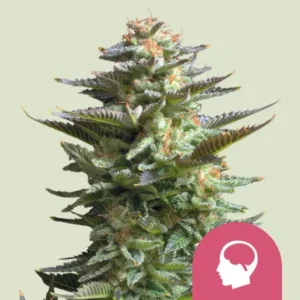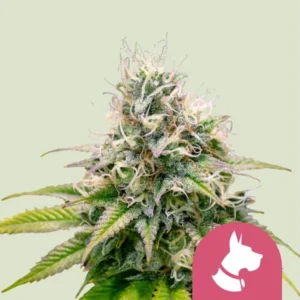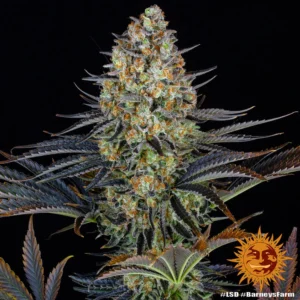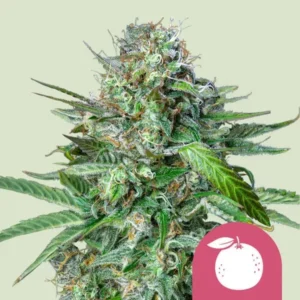

Lemon Shining Silver Haze is a sativa-dominant feminized photoperiod strain from Royal Queen Seeds created from Lemon Skunk and Shining Silver Haze. The current seed line is classified as 75% Sativa and 25% Indica, reaches up to 21% THC and flowers in approximately 60–65 days.
Current Lemon Shining Silver Haze seeds reach approximately 80–140 cm indoors and 130–170 cm outdoors. Indoor production is rated at 600–650 g/m², while outdoor plants can produce around 650–700 g each and generally finish around the middle of October.
Recommended Strains
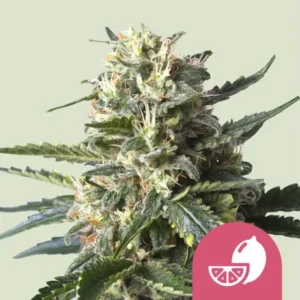
Lemon Shining Silver Haze

|
THC | 20% - 21% (Medium) |

|
Lineage | Lemon Skunk x Shining Silver Haze |

|
Type | Feminized |

|
Height | 4.92 ft | 1.5 m |

|
Yield | High |

|
Yield Indoor | 1.97 - 2.13 oz/ft² | 600 - 650 g/m² |

|
Yield Outdoor | 22.93 - 24.69 oz/plant | 650 - 700 g/plant |

|
Flowering Time | 9 - 10 weeks |

|
Phenotype | 25% Indica / 75% Sativa |

|
Effects | Balanced, Focused, Relaxed |

|
Flavors | Citrus, Fruity, Lime |
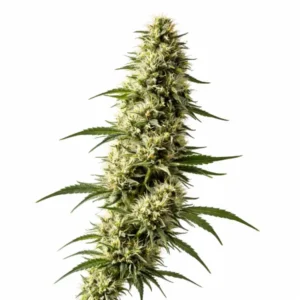
Lemon Skunk
|
|
THC | 23% - 25% (High) |
|
|
Lineage | Skunk x Citral |
|
|
Type | Feminized |
|
|
Height | 5.09 ft | 1.55 m |
|
|
Yield | High |
|
|
Yield Indoor | 2.62 oz/ft² | 800 g/m² |
|
|
Flowering Time | 8 - 9 weeks |
|
|
Phenotype | 50% Indica / 50% Sativa |
|
|
Effects | Relaxed, Calming |
|
|
Flavors | Earthy, Citrus, Sweet |
| Lemon Shining Silver Haze Grow Info | Current specification |
|---|---|
| Breeder | Royal Queen Seeds |
| Genetics | Lemon Skunk × Shining Silver Haze |
| Seed type | Feminized photoperiod |
| Sativa / Indica | 75% Sativa / 25% Indica |
| THC | Up to 21% |
| CBD | Low |
| Flowering time | 60–65 days |
| Indoor height | 80–140 cm |
| Outdoor height | 130–170 cm |
| Indoor yield | 600–650 g/m² |
| Outdoor yield | 650–700 g/plant |
| Outdoor harvest | Middle of October |
| Climate classification | Short Summers |
| Flavor | Citrus, Fruity |
| Reported effects | Balanced, Clear, Stoned |
Lemon Shining Silver Haze Genetics
Lemon Shining Silver Haze combines Lemon Skunk with Shining Silver Haze.
The Lemon Skunk side contributes the sharp citrus character that gives the cultivar its name, while Shining Silver Haze contributes classic Haze structure and a strong Sativa influence.
The current Royal Queen Seeds line is 75% Sativa and 25% Indica.
Amnesia Haze is not a direct parent of this cultivar. Older Growlantis copy that describes Lemon Shining Silver Haze as Lemon Skunk × Amnesia Haze should therefore be removed.
Growers interested in other genetics from the same breeder can explore the wider Royal Queen Seeds collection.
Lemon Shining Silver Haze vs Shining Silver Haze
Lemon Shining Silver Haze and Shining Silver Haze are separate cultivars.
Shining Silver Haze is one of the parents of Lemon Shining Silver Haze, alongside Lemon Skunk. Although the names are similar and both belong to the broader Haze family, their exact genetics, flowering specifications and flavor profiles should not be treated as interchangeable.
Super Silver Haze is another separate cultivar again.
This distinction matters when researching grow data because flowering times, height and yield from Shining Silver Haze or Super Silver Haze should not be transferred directly into a Lemon Shining Silver Haze grow guide.
Growers comparing Haze genetics can browse the wider Haze seed collection.
Is Lemon Shining Silver Haze Indica or Sativa?
Lemon Shining Silver Haze is 75% Sativa and 25% Indica, making it clearly sativa dominant.
The Sativa influence appears in the plant’s vertical growth, elongated flowering structure and tendency to stretch after flowering begins.
Royal Queen Seeds still keeps the cultivar considerably more manageable than many traditional long-flowering Haze lines. Indoor plants generally remain within 80–140 cm, especially when training is used to control the canopy.
The ratio describes the commercial seed line itself. Phenotype and training can still create variation in final plant shape.
How Much THC Does Lemon Shining Silver Haze Have?
Royal Queen Seeds currently lists Lemon Shining Silver Haze at up to 21% THC.
That figure should replace older Growlantis descriptions that use a broad 18–25% range.
The wording “up to” is important because 21% represents breeder-listed potency potential rather than a guaranteed laboratory result from every plant.
Phenotype, lighting, plant health, flower maturity and post-harvest handling can all influence measured cannabinoid concentration.
For the current Royal Queen Seeds product, up to 21% is the most accurate technical reference.
Lemon Shining Silver Haze Flavor and Aroma
Lemon Shining Silver Haze combines citrus and fruity flavors.
The Lemon Skunk genetics produce the cultivar’s pronounced lemon character, while the Haze side adds complexity behind the brighter citrus profile.
Royal Queen Seeds describes the strain as strongly fruity and citrus-forward rather than publishing one universal quantitative terpene hierarchy.
For that reason, the verified flavor profile provides a stronger general description than assigning several dominant terpenes without strain-specific analytical data.
The aroma becomes increasingly pronounced as flowering progresses, particularly during the final part of the 60–65 day bloom period.
Lemon Shining Silver Haze Flowering Time
Royal Queen Seeds currently lists Lemon Shining Silver Haze at 60–65 days of flowering.
This period begins after an indoor grower changes the light schedule to initiate bloom. It is not the complete amount of time from germination to harvest.
Lemon Shining Silver Haze is photoperiodic, so the grower controls how long vegetative growth lasts before making the transition to 12/12.
Once flowering begins, use the 60–65 day breeder range as the main planning reference rather than alternating between eight, nine and ten weeks.
For more context on how photoperiod plants develop after the transition, see the cannabis flowering stage guide.
Lemon Shining Silver Haze Height and Structure
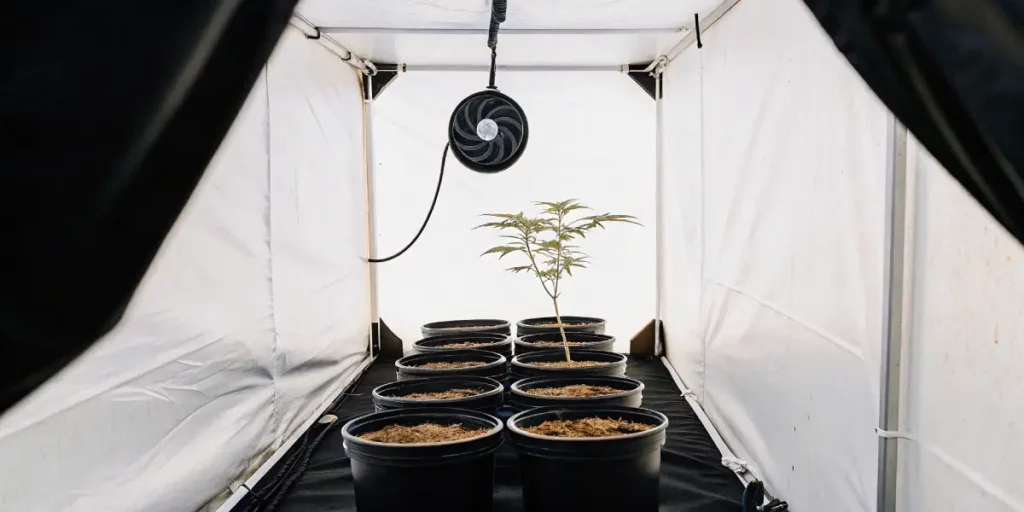
Royal Queen Seeds currently lists Lemon Shining Silver Haze at approximately 80–140 cm indoors and 130–170 cm outdoors.
These environment-specific ranges are more useful than describing the cultivar with one universal 1.5 m height.
Its Sativa dominance can produce noticeable vertical development, particularly during the early flowering transition. Growers with limited indoor height should therefore consider plant size before switching to 12/12.
RQS specifically recommends early training and pruning to keep the plant manageable.
Final height still depends on vegetative duration, root space, phenotype and training, so the published ranges should be used as planning references rather than rigid targets.
Growing Lemon Shining Silver Haze Indoors
Lemon Shining Silver Haze currently produces approximately 600–650 g/m² indoors.
Its combination of strong yield potential and relatively manageable 80–140 cm indoor height makes it suitable for controlled grow spaces when canopy structure is planned before flowering.
Royal Queen Seeds specifically recommends training to manage the cultivar’s Sativa growth pattern.
There is no fixed vegetative duration. Growers can initiate flowering when root development, canopy coverage and plant height suit the available room.
Because the plant can stretch after the transition, indoor growers should avoid filling all available vertical space before switching to 12/12.
Healthy roots, useful branch spacing and even light distribution matter more than following one rigid week-based schedule.
Growing Lemon Shining Silver Haze Outdoors
Outdoors, Lemon Shining Silver Haze reaches approximately 130–170 cm and can produce around 650–700 g per plant under favorable conditions.
Royal Queen Seeds lists the cultivar for short summers and gives a Northern Hemisphere harvest window around the middle of October.
These figures replace older Growlantis statements that describe outdoor plants as exceeding two meters or give lower 450–600 g yield estimates.
Outdoor production still depends strongly on sunlight, root space, seasonal conditions and overall plant health.
Use the 650–700 g breeder range as production potential rather than a guaranteed harvest from every plant.
Lemon Shining Silver Haze Yield
Current breeder specifications list Lemon Shining Silver Haze at 600–650 g/m² indoors and 650–700 g per plant outdoors.
These are the figures that should remain consistent throughout the guide.
Older sections of Growlantis currently use 425–475 g/m² indoors, 450–500 g outdoors or approximately 500–600 g in other places. Those conflicting numbers should be removed.
Indoor yield is expressed by canopy area because plant number and vegetative duration vary between grows.
Outdoor production is expressed per plant because root and canopy space differ substantially.
Both figures describe breeder-listed production potential rather than guaranteed final weights.
How to Germinate Lemon Shining Silver Haze Seeds
Lemon Shining Silver Haze does not require a unique strain-specific germination method.
Seeds need stable warmth, consistent moisture and access to oxygen without remaining permanently saturated. A damp paper-towel method can be used to observe taproot emergence, while direct germination in an appropriate starting medium reduces later handling.
Once the taproot appears, transfer the seed carefully and avoid damaging the developing root.
Early watering should match the limited size of the seedling root system rather than the requirements of a mature plant.
For more detailed starting guidance, see the cannabis seed germination guide.
Vegetative Growth
Lemon Shining Silver Haze does not have one fixed vegetative duration.
As a photoperiod cultivar, it remains in vegetative growth until the grower changes the light schedule.
Use this phase to establish healthy roots and a canopy that fits the available flowering area. Because the cultivar is sativa dominant and can stretch after the transition, growers with limited vertical space may benefit from initiating flowering before the plant reaches its maximum available height.
The correct transition point depends on the actual plant, root volume, canopy goals and grow-room dimensions rather than a universal four- to eight-week schedule.
Training Lemon Shining Silver Haze
Royal Queen Seeds specifically recommends early training and pruning, with ScrOG as a particularly suitable method for Lemon Shining Silver Haze.
A screen can spread the cultivar’s vertical growth across a wider canopy and help keep the plant within a manageable indoor height.
Gentle low-stress branch positioning can serve a similar purpose before flowering. Topping can also be considered during healthy vegetative growth when enough recovery time remains before the 12/12 transition.
Training should be used to manage height, spacing and light distribution rather than presented as a guarantee of one specific yield increase.
The breeder specifications remain 600–650 g/m² indoors regardless of the exact training method selected.
Flowering Development
After the indoor light schedule changes to 12/12, Lemon Shining Silver Haze generally needs 60–65 days to complete flowering.
The cultivar can continue adding vertical growth during the early part of bloom before directing more energy toward flowering sites.
RQS describes the mature flowers as large and elongated, reflecting the strong Haze influence. Resin development and the citrus-fruity aroma become increasingly noticeable as flowering progresses.
As flower mass increases, maintain enough branch spacing for light and air to move through the canopy.
Use the breeder’s 60–65 day range as the primary timing reference while still checking the maturity of the individual plant as the expected harvest window approaches.
Feeding Lemon Shining Silver Haze
Lemon Shining Silver Haze does not require one universal strain-specific NPK formula.
Nutrition should be adapted to the growing medium, fertilizer system, water quality, root volume, plant size and visible response.
There is no need to prescribe a 3-1-2 vegetative formula followed automatically by a 1-3-2 flowering formula simply because the cultivar is Lemon Shining Silver Haze.
Likewise, routine calcium and magnesium supplementation should only be used when the growing system or plant condition provides a reason.
Make gradual adjustments based on actual development instead of assuming that larger phosphorus or potassium doses automatically produce more potency, resin or aroma.
Watering Lemon Shining Silver Haze
Water demand changes substantially as Lemon Shining Silver Haze develops.
A seedling with a limited root system requires much less water than a mature flowering plant, so one fixed watering schedule is inappropriate.
In containers, substrate moisture and pot weight can provide useful information about actual demand. Allow excess water to drain rather than keeping the root zone continuously saturated.
Outdoor irrigation should respond to soil conditions, weather and plant size rather than a universal interval.
Good root-zone management supports vigorous Sativa growth while reducing avoidable problems associated with chronic overwatering.
Airflow and Canopy Management
Lemon Shining Silver Haze benefits from enough airflow to prevent stagnant pockets from developing within a trained canopy.
The cultivar’s flowers are more elongated than the very compact buds found on many indica-dominant plants, but flower structure alone does not make any cultivar immune to microbial problems.
Maintain sensible branch spacing and even air movement around the canopy as flowering progresses.
Avoid classifying Lemon Shining Silver Haze as universally mold-resistant or especially mold-susceptible without genotype-specific evidence.
The guide to microbial risk in cannabis growing explains why moisture, airflow, flower structure and environment need to be considered together.
Common Lemon Shining Silver Haze Growing Problems
One of the biggest current content problems is genetic confusion. Lemon Shining Silver Haze is Lemon Skunk × Shining Silver Haze, not Lemon Skunk × Amnesia Haze.
Another common mistake is using one 1.5 m height for both indoor and outdoor plants. The current breeder ranges are 80–140 cm indoors and 130–170 cm outdoors.
Growers should also avoid relying on the conflicting yield figures still found in older content. The current breeder values are 600–650 g/m² indoors and 650–700 g per plant outdoors.
Finally, do not assume that the cultivar requires a rigid nutrient schedule or has guaranteed resistance to pests and mold.
When to Harvest Lemon Shining Silver Haze
Indoor Lemon Shining Silver Haze generally reaches its expected harvest window after approximately 60–65 days of flowering.
Outdoor plants are currently listed for harvest around the middle of October.
These ranges should guide planning rather than act as automatic cutting dates.
As the expected window approaches, inspect actual flower and trichome development on the individual plant.
There is no need to require one fixed percentage of amber trichomes or claim that one exact trichome ratio guarantees maximum potency.
Drying and curing begin after harvest and should remain separate from the plant’s flowering timeline.
Lemon Shining Silver Haze Effects
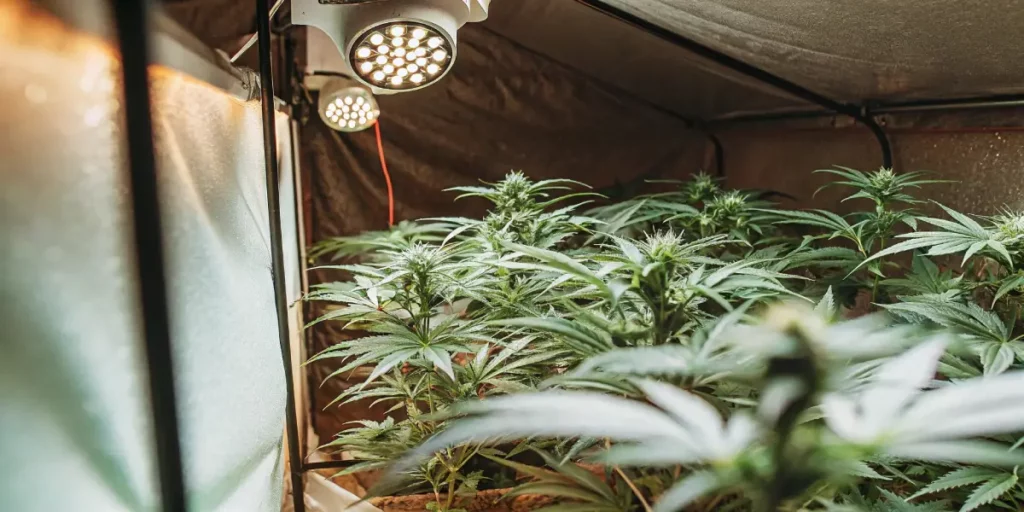
Royal Queen Seeds currently describes Lemon Shining Silver Haze with balanced, clear and stoned reported effects.
The cultivar is strongly sativa dominant and reaches up to 21% THC, but genetic ratio and potency alone cannot determine exactly how every person will respond.
Effect descriptions should therefore remain subjective rather than medical claims.
Dose, tolerance and the complete chemical composition of a particular harvest can all influence the experience.
For Growlantis, it is more accurate to stay close to the breeder’s effect description than to make claims about treating stress, depression, anxiety, pain or attention disorders.
Lemon Shining Silver Haze FAQs
How long does Lemon Shining Silver Haze take to flower?
Royal Queen Seeds currently lists Lemon Shining Silver Haze at 60–65 days of flowering after the indoor light schedule is changed to 12/12. This is the flowering stage only, not the complete seed-to-harvest timeline. Vegetative duration remains under the grower’s control because this cultivar is photoperiodic.
How much THC does Lemon Shining Silver Haze have?
Royal Queen Seeds currently lists Lemon Shining Silver Haze at up to 21% THC. Growlantis’ 20–21% product range is broadly aligned, but the guide’s older 18–25% range should be removed. The breeder figure describes potency potential rather than a guaranteed laboratory result from every harvested plant.
How much does Lemon Shining Silver Haze yield?
Current breeder data lists Lemon Shining Silver Haze at 600–650 g/m² indoors and 650–700 g per plant outdoors. These figures describe production potential rather than guaranteed harvests. Light, root space, vegetative duration, training, weather and general plant health can all influence the final weight of an individual crop.
How tall does Lemon Shining Silver Haze grow?
Royal Queen Seeds currently lists Lemon Shining Silver Haze at 80–140 cm indoors and 130–170 cm outdoors. These environment-specific ranges should replace Growlantis’ single 1.5 m figure. Training can further influence final height, especially indoors, where RQS specifically recommends early pruning and ScrOG to manage the sativa-dominant stretch.
Is Lemon Shining Silver Haze Indica or Sativa?
Lemon Shining Silver Haze is 75% Sativa and 25% Indica according to Royal Queen Seeds. It combines Lemon Skunk with Shining Silver Haze and is sold as a photoperiod cultivar. The strong Sativa influence helps explain its stretch and elongated flowers, although individual phenotypes and training can still alter plant structure.
Is Lemon Shining Silver Haze the same as Shining Silver Haze?
No. Lemon Shining Silver Haze and Shining Silver Haze are separate cultivars. Shining Silver Haze is one of the parents of Lemon Shining Silver Haze, together with Lemon Skunk. Super Silver Haze is another separate strain again, so its flowering time, height, yield and genetics should not be transferred into this guide.