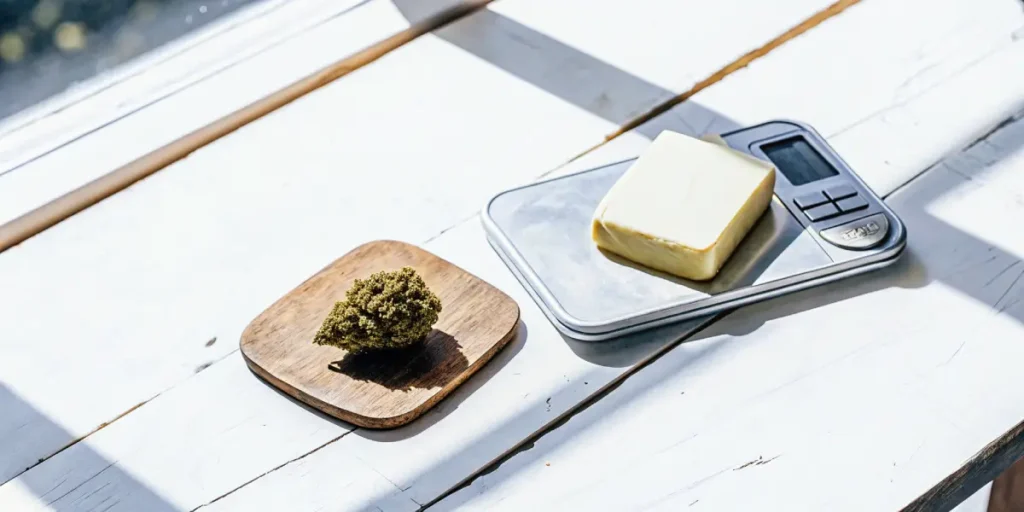

Hash butter is cannabis-infused butter made with hash rather than cannabis flower. Because hash is a concentrated cannabis product, homemade hash butter can be much stronger and harder to dose accurately than standard cannabutter. A basic recipe involves decarboxylating the hash when needed, combining it with butter over gentle heat, then cooling, labeling and storing it safely.
Once you have a batch of potent cannabutter or hash butter ready, the fun is deciding what to make with it. For a cosy, warming option, our recipe for weed-infused hot chocolate turns that infused fat into a rich, comforting drink — an easy, crowd-pleasing way to dose edibles on a cold evening.
Recommended Strains
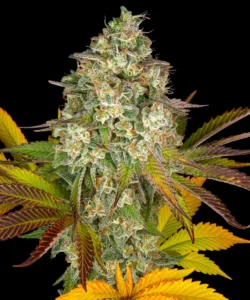
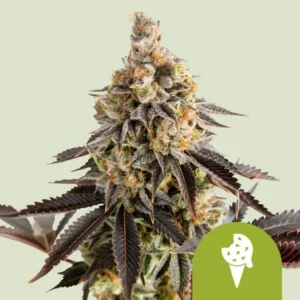
Cookies Kush

|
THC | 24% - 25% (High) |

|
Lineage | Girl Scout Cookies x OG Kush |

|
Type | Feminized |

|
Height | 4.43 ft | 1.35 m |

|
Yield Outdoor | 35.27 oz/plant | 1000 g/plant |

|
Flowering Time | 7 - 8 weeks |

|
Phenotype | 70% Indica / 30% Sativa |

|
Effects | Focused, Energetic, Euphoric, Happy, Relaxed |

|
Flavors | Woody, Apple, Lime |
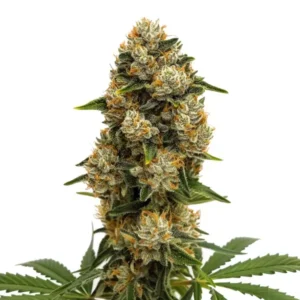
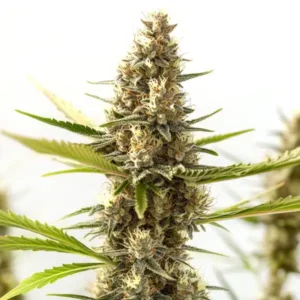
Durban Poison Auto
|
|
THC | 21% - 25% (High) |
|
|
Lineage | Durban Poison x Ruderalis |
|
|
Type | Autoflowering |
|
|
Height | 4.92 ft | 1.5 m |

|
Yield | Low |

|
Yield Indoor | 0.82 - 0.98 oz/ft² | 250 - 300 g/m² |
|
|
Yield Outdoor | 2.47 - 4.23 oz/plant | 70 - 120 g/plant |
|
|
Life Cycle | 8 - 10 weeks |
|
|
Phenotype | 20% Indica / 80% Sativa |

|
Medical | Fatigue, Muscle Spasms, Stress |
|
|
Effects | Euphoric, Happy, Tingly |
|
|
Flavors | Earthy, Pine |
Once you have made a strong hash butter, the hard part is dosing patiently, because ingested cannabis is slow to take hold. Plan your bake around the occasion with our roundup of the best Fourth of July edible ideas, and if you are curious how onset compares with other ingestibles, we have also covered how long shrooms take to kick in.
Cooking with hash is only one way to enjoy it. If you would rather smoke your concentrate, a dedicated piece such as the three-hole hash pipe delivers a cleaner, cooler draw that really shows off the flavour. And if you have ever wondered why concentrate fans celebrate the 710 holiday, we have explained the culture and history behind it.
What is hash butter?
Hash butter is butter infused with cannabinoids from hash.
Hash is a cannabis concentrate made primarily from the resin glands, or trichomes, of the cannabis plant. Because these resin glands contain a high concentration of cannabinoids, hash generally contains a lot more THC than ordinary cannabis flower.
That distinction matters. Traditional cannabutter or weed butter is normally made by infusing cannabis flower into butter. Hash butter starts with a concentrated cannabis product instead.
As a result, you generally need substantially less plant-derived material, there’s less material to strain from the finished butter, and potency can be considerably higher.
If you’re looking for a recipe made from cannabis flower rather than hash, see the Growlantis guide to weed butter recipes instead.
Hash butter vs cannabutter
Although both are cannabis-infused butter, they’re not exactly the same thing.
| Characteristic | Hash butter | Traditional cannabutter |
|---|---|---|
| Starting material | Hash | Cannabis flower |
| Concentration | Usually higher | Usually lower |
| Plant material | Very little | Considerably more |
| Straining | Often minimal | Usually required |
| Flavor | Can be less vegetal | Often more herbal |
| Potency | Potentially very high | Depends on flower |
| Main use | Edibles and cooking | Edibles and cooking |
Neither version is automatically “better.” Hash butter can be convenient because hash contains less plant matter, while traditional cannabutter may be easier to understand when the potency of the starting flower is clearly labeled.
For more background on hash and other concentrated cannabis products, see Growlantis’ guide to cannabis concentrates and extracts.
Hash butter recipe: quick overview
| Recipe detail | Recommendation |
|---|---|
| Main cannabis ingredient | Hash |
| Butter | Unsalted butter |
| Decarboxylation | Usually required if hash is not already decarboxylated |
| Decarb temperature | Around 230°F / 110°C |
| Infusion | Gentle heat |
| Water | Optional |
| Straining | May be unnecessary with finely crumbled hash |
| Storage | Airtight, clearly labeled container |
| Uses | Baking, sauces and other butter-based recipes |
The exact potency can’t be determined from the weight of the hash alone. Different types of hash can contain dramatically different cannabinoid concentrations, and homemade preparation adds even more variability.
Ingredients for hash butter
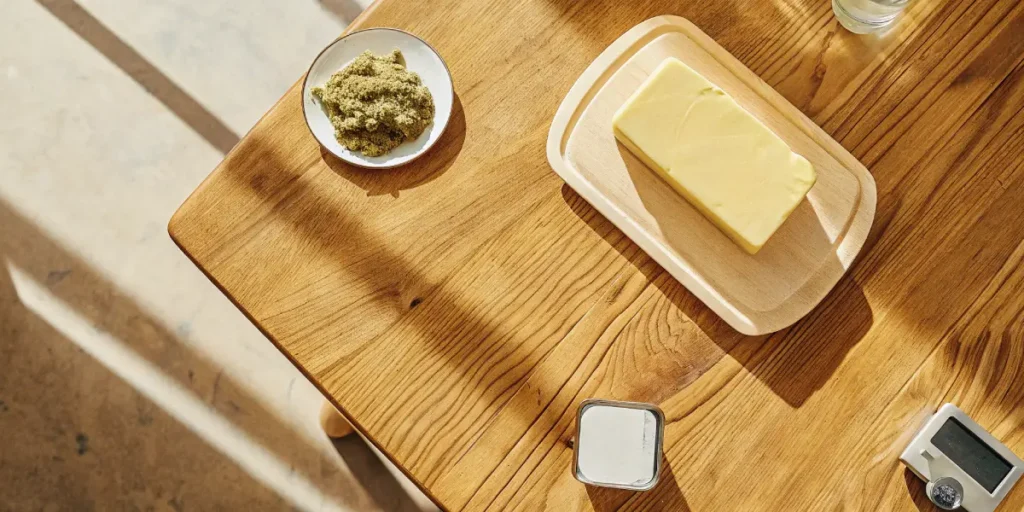
For a simple batch, you need:
- Unsalted butter
- Hash
- A small amount of water if desired
You’ll also need:
- Small saucepan
- Baking tray or heat-safe dish
- Parchment paper
- Spoon or silicone spatula
- Kitchen thermometer if available
- Clean storage container
- Fine strainer if your hash leaves visible solids
There’s no universally correct hash-to-butter ratio. The strength of the finished product depends heavily on the cannabinoid concentration of the hash you start with, so copying a ratio without knowing potency can produce unexpectedly strong butter.
Step 1: Does hash need to be decarboxylated?
In most cases, hash intended for edible use needs to be decarboxylated unless it’s already undergone enough decarboxylation during processing.
Cannabis naturally contains cannabinoid acids such as THCA. Heating converts part of the THCA into THC through a process known as decarboxylation.
Hash production methods differ, though. Some forms may have been exposed to more heat, pressure or aging than others, so the amount of decarboxylation that’s already occurred isn’t identical across every type of hash.
For a typical home preparation, gently crumble the hash over a parchment-lined heat-safe dish and heat it at approximately 230°F / 110°C for around 30 minutes.
Avoid aggressive temperatures. The goal is controlled heating rather than burning or cooking the hash at high heat.
Let it cool before starting the butter infusion.
Step 2: Melt the butter
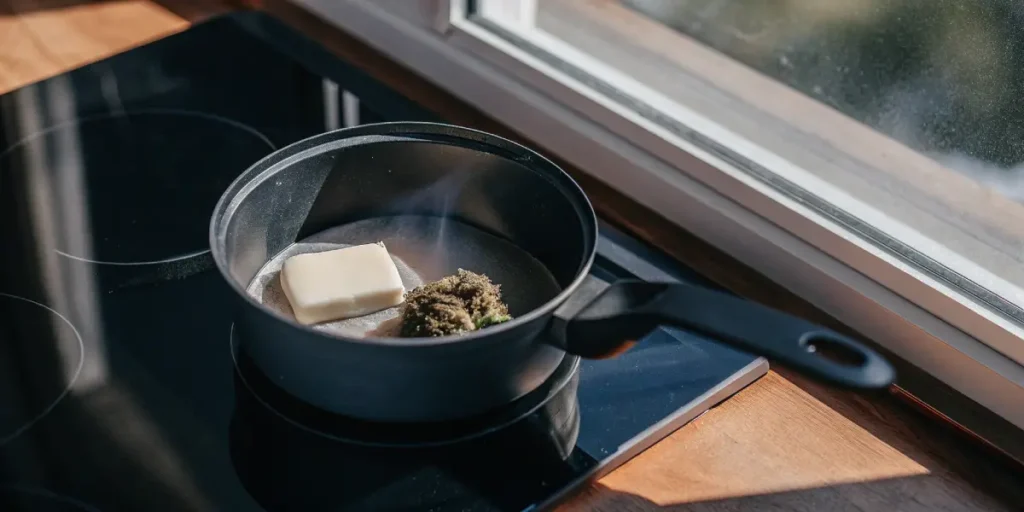
Place the butter in a small saucepan over low heat and let it melt gradually.
You can add a small amount of water if you like. Water can make temperature management easier and reduce the chance of the butter scorching during a longer infusion.
Don’t bring the butter to a hard boil.
Once the butter has melted, add the decarboxylated hash.
Step 3: Infuse the hash into the butter
Keep the mixture over gentle heat and stir until the hash is dispersed throughout the melted butter.
Hash contains much less plant material than cannabis flower, so it doesn’t need exactly the same treatment as conventional weed butter.
Keep the temperature controlled and avoid frying or scorching the mixture.
Let the butter and hash stay over gentle heat long enough for the concentrate to disperse thoroughly, stirring occasionally. If you’ve added water, keep enough liquid in the pan to prevent scorching.
There’s little benefit to boiling the mixture aggressively.
Step 4: Strain if necessary
One advantage of making hash butter rather than flower-based cannabutter is that straining may be much easier, or sometimes unnecessary at all.
High-quality hash can disperse into the butter with relatively little solid plant matter.
If you can still see unwanted particles, pass the warm butter through a fine strainer. Avoid filtering so aggressively that you strip out large amounts of butter along with the small amount of remaining material.
Step 5: Cool and store the hash butter
Pour the finished butter into a clean container and let it cool.
If you used water during the infusion, refrigerate the mixture until the butter becomes solid. The butter and water should separate as they cool.
Lift the solid butter away from the water and remove excess moisture from its surface, then transfer it to a clean, airtight container.
Most importantly, label it clearly:
CANNABIS-INFUSED HASH BUTTER, NOT REGULAR BUTTER
Include the preparation date and, when known, information about the hash used.
How strong is hash butter?
Hash butter can be considerably stronger than conventional cannabutter, but there’s no universal potency.
The THC concentration of hash varies substantially. That means statements such as “one teaspoon equals one dose” or “one gram of hash makes X servings” shouldn’t be treated as universally accurate.
If laboratory potency information is available, it can give you a useful starting point for estimating the amount of THC present in the original hash. But the finished butter will still be affected by decarboxylation efficiency, preparation losses and how evenly the cannabinoids get distributed.
Home calculations should be treated as estimates rather than measurements.
Why hash butter can be difficult to dose
The main issue with homemade cannabis edibles is consistency.
Imagine two pieces of hash of identical weight. One contains a moderate percentage of THC, while another contains a much higher concentration. Using the same amount of each wouldn’t produce butter of equal strength.
Preparation adds even more uncertainty. This is why the amount of hash alone can’t tell you exactly how potent the finished butter will be.
Where potency is uncertain, replacing only part of the normal butter in a recipe with hash butter gives you more control than automatically replacing all of it.
How to use hash butter
Hash butter can be used in many recipes that ordinarily contain butter, including:
- Brownies
- Cookies
- Cakes
- Chocolate desserts
- Mashed potatoes
- Pasta
- Sauces
- Garlic bread
You don’t need to replace all the normal butter in a recipe with hash butter. For example, if a baking recipe calls for half a cup of butter, that total can be a combination of normal butter and appropriately measured hash butter.
Mix the butter thoroughly throughout the food before dividing it into portions. Even distribution matters, because poorly mixed homemade edibles can leave some portions with a lot more infused fat than others.
Hash butter for brownies and cookies
Baked goods are among the most common uses for hash butter because their recipes already contain fat.
The key is not to change the entire recipe around the cannabis. Instead, treat the hash butter as part of the total amount of butter already required.
For example, if a brownie or cookie recipe calls for butter, work out how much of that total should be infused butter and use ordinary butter for the rest. This gives you much more flexibility than automatically using 100% hash butter.
Growlantis’ guide to weed butter recipes has additional ideas for brownies, cookies and savory cannabis-infused dishes.
Does cooking destroy the THC in hash butter?
Normal baking doesn’t automatically destroy all the THC in hash butter. The temperature of an oven isn’t the same as the internal temperature reached by the food itself.
That said, cannabinoids can degrade when exposed to excessive heat for extended periods. There’s no advantage to overheating the hash during preparation.
Controlled decarboxylation and gentle infusion work better than trying to make the butter “stronger” with higher temperatures.
How long does hash butter take to kick in?
Eating hash butter produces the delayed onset associated with edible cannabis.
Noticeable effects from edible cannabis can take approximately 30 minutes to two hours to appear, while full effects may take up to four hours.
That delay matters even more with hash butter, because hash can contain high concentrations of THC. Someone who assumes an edible “isn’t working” and eats more before the first portion reaches its full effect can end up consuming far more THC than intended.
Don’t use how you feel right away as a guide for whether to eat another portion.
How long does hash butter last?
The butter itself should be stored according to normal food-safety principles.
Keep it refrigerated in a clean, airtight container for shorter-term use. For longer storage, freeze the butter in clearly labeled portions. Dividing it before freezing helps, since you can pull out only the amount a recipe needs.
Don’t rely solely on cannabis potency when deciding whether the butter is still usable. If it develops unusual smells, visible contamination or other signs of spoilage, throw it out.
Hash butter safety
Hash can contain substantially more THC than cannabis flower, which means homemade hash butter deserves extra caution.
Health Canada advises particular caution with cannabis extracts because their THC concentrations can run considerably higher than those of flower.
Edible cannabis also takes longer to produce its full effects than inhaled cannabis.
Store hash butter and all foods made with it separately from ordinary food and out of reach of children and pets, in clearly labeled containers.
Don’t drive or operate machinery after consuming cannabis.
Cannabis laws vary between countries, states and other jurisdictions, so check the rules that apply where you live.
Common hash butter mistakes
The most common mistake is treating hash butter exactly like cannabutter made with cannabis flower. They’re different starting materials.
Other mistakes include using a fixed recipe without considering hash potency, overheating the concentrate, assuming flavor indicates strength, poorly mixing the finished butter into food and storing cannabis butter in an unmarked container.
Another mistake is eating more because the effects haven’t appeared quickly. Edible cannabis can take several hours to reach its full effect.
Hash butter: takeaway
Hash butter is essentially cannabis-infused butter made from hash rather than flower.
Its main advantages are the reduced amount of plant material and the concentrated nature of the starting ingredient. Those same characteristics also create its biggest drawback: potency can be hard to estimate.
Decarboxylate appropriately, use gentle heat, avoid unnecessary plant material, store the finished butter clearly labeled, and remember that homemade potency calculations are estimates.
For recipes made specifically from cannabis flower rather than concentrates, use a traditional cannabutter or weed butter recipe instead.
FAQs about hash butter
What is hash butter?
Hash butter is butter infused with cannabinoids from hash, a concentrated cannabis product made from resin glands. Unlike standard cannabutter, which is usually prepared with cannabis flower, hash butter starts with a concentrate. Because hash can contain much more THC than flower, the resulting butter may also be considerably more potent.
Do you need to decarboxylate hash before making hash butter?
Hash is usually decarboxylated before being used in edible recipes so that more of its acidic cannabinoids are converted into active forms such as THC. However, processing methods vary and some hash may already be partially decarboxylated. Excessive heat can degrade cannabinoids, so controlled temperatures are more appropriate than aggressive heating.
Is hash butter stronger than cannabutter?
Hash butter can be stronger than cannabutter because hash generally contains a higher concentration of cannabinoids than cannabis flower. However, strength varies widely according to the hash, amount used and preparation method. Homemade potency calculations are estimates, so a small amount of butter should not automatically be treated as a predictable THC dose.
How long does hash butter last?
Hash butter should be stored like other perishable butter products in a clean, airtight and clearly labeled container. Refrigeration is suitable for shorter storage, while freezing measured portions can extend practical storage time. Discard the butter if it develops signs of spoilage, and always keep cannabis-infused food away from children and pets.
Can you use hash butter in any recipe?
Hash butter can replace some of the ordinary butter in many recipes, including brownies, cookies, sauces, pasta and other dishes. Replacing only part of the regular butter often provides better control when homemade potency is uncertain. Mix it thoroughly into the recipe so the infused fat is distributed as evenly as possible.
How long do hash butter edibles take to kick in?
Cannabis edibles can take about 30 minutes to two hours to produce noticeable effects, and full effects may take up to four hours. Because hash is concentrated, homemade hash butter can be difficult to dose consistently. Avoid consuming more simply because effects are not immediate, as this can increase the risk of overconsumption.