

Shrooms typically start to kick in within about 20 to 60 minutes after being eaten, though the exact timing varies from person to person. In some cases, noticeable effects can take longer, particularly after a large meal or when digestion is slow.
The effects usually build gradually rather than appearing all at once. Early changes may include altered mood, unusual body sensations, changes in visual perception, nausea or a different sense of time. Stronger effects generally develop after the initial onset and can continue for several hours.
Recommended Strains
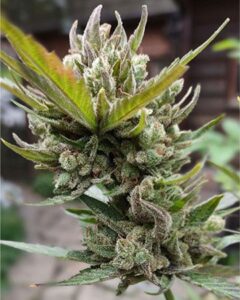
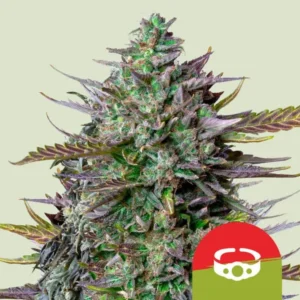
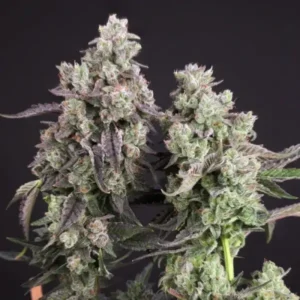
Mimosa Fem

|
THC | 30% - 31% (High) |

|
Lineage | Clementine x Purple Punch |

|
Type | Feminized |

|
Height | 5.74 ft | 1.75 m |

|
Yield | Medium |

|
Yield Indoor | 1.47 oz/ft² | 450 g/m² |

|
Yield Outdoor | 15.87 oz/plant | 450 g/plant |

|
Flowering Time | 8 - 10 weeks |

|
Phenotype | 30% Indica / 70% Sativa |

|
Effects | Energetic, Focused, Relaxed |

|
Flavors | Citrus, Sweet, Tropical |
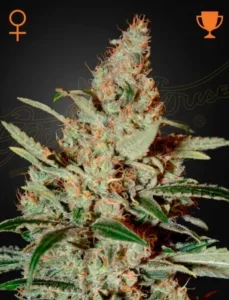
Candy Bubatz
|
|
THC | 19% - 20% (Medium) |
|
|
Lineage | Bubble Gum X Critical Orange Punch |
|
|
Type | Feminized |
|
|
Height | 6.23 ft | 1.9 m |
|
|
Yield | High |
|
|
Yield Indoor | 1.64 - 2.13 oz/ft² | 500 - 650 g/m² |
|
|
Flowering Time | 9 - 10 weeks |
|
|
Phenotype | 50% Indica / 50% Sativa |
|
|
Effects | Relaxed, Uplifted, Creative |
|
|
Flavors | Fruity, Sweet, Candy |
The most important point: a delayed onset doesn’t necessarily mean nothing is going to happen. Psilocybin timing can be unpredictable, and taking more because the effects haven’t appeared quickly can result in a much stronger experience later.
How long do shrooms take to kick in? Quick answer
| Time after ingestion | What may happen |
|---|---|
| 0–20 minutes | Often no noticeable effects |
| 20–60 minutes | Effects commonly begin |
| 1–2 hours | Effects may continue building |
| 2–4 hours | Stronger or peak effects may occur |
| 4–6 hours | Effects generally begin declining |
| 6+ hours | Residual effects may remain for some people |
These times are approximate rather than guaranteed.
Poison Control reports that effects from ingested psilocybin mushrooms can begin around 20 minutes after consumption, while other medical sources describe a more typical onset window extending to around 40–60 minutes. Individual responses vary substantially.
Why do shrooms take time to kick in?
Magic mushrooms contain psilocybin, a psychedelic compound that the body converts into psilocin.
Psilocin interacts primarily with serotonin receptors in the brain, particularly the 5-HT2A receptor. According to the National Institute on Drug Abuse (NIDA), this activity contributes to the changes in perception, consciousness and emotion associated with psilocybin.
Because shrooms are normally swallowed, they have to pass through the digestive system before their active compounds can produce noticeable effects. That’s why the onset isn’t immediate.
The exact timing depends on several variables, including digestion, the amount and potency of the mushrooms, the person’s biology and other substances that may have been consumed.
What does it feel like when shrooms start to kick in?
The beginning of a psilocybin experience is sometimes called the come-up.
There’s no single sensation that tells everyone shrooms have started working. The first effects can be subtle and may become progressively more noticeable.
Possible early effects include:
- Changes in mood or emotion
- Colors or patterns appearing more intense
- Altered perception of time
- Unusual physical sensations
- Increased sensitivity to sound
- Changes in thought patterns
- Yawning
- Nausea or stomach discomfort
- Anxiety or restlessness
As the effects increase, perception can become much more altered. NIDA notes that psilocybin can change how people experience sights, sounds, time and space. Emotional responses can also range widely, from euphoria or feelings of connection to fear, panic or paranoia.
The experience can’t be predicted solely by knowing when the effects begin.
What affects how long shrooms take to kick in?
There’s no exact countdown that applies to everyone. Several factors can affect how quickly noticeable effects appear.
Whether you’ve recently eaten
Food is one of the most important variables affecting the absorption of substances taken orally.
A large or heavy meal may delay digestion and therefore delay the onset of noticeable effects. This means someone may experience effects later than expected even when the mushrooms themselves are active.
Stomach contents are only one factor, though. An empty stomach doesn’t guarantee that effects will begin at a specific time.
Individual metabolism and digestion
People digest and metabolize substances at different rates. Age, biology, digestive function and individual metabolic differences can all influence how quickly an orally consumed substance moves through the body.
Two people consuming the same material at the same time may not begin feeling effects at the same time.
Mushroom potency
Psilocybin concentration isn’t uniform across all mushrooms.
Different species and individual mushrooms can contain different concentrations of active compounds. Potency may even vary between mushrooms from the same batch.
This makes recreationally obtained mushrooms considerably less predictable than a standardized substance used in controlled clinical research.
Amount consumed
The amount of psilocybin entering the body can affect the intensity of the experience, although dose alone doesn’t predict onset time exactly.
Greater exposure can also increase the likelihood of stronger psychological and physical effects.
Other substances
Alcohol, medications and other drugs may alter the experience or increase health risks.
SAMHSA advises against mixing hallucinogens with alcohol or other drugs, because interactions can make reactions less predictable and potentially more dangerous.
Can shrooms take two hours to kick in?
Yes. Although many people notice effects within approximately 20 to 60 minutes, some people may experience a substantially delayed onset.
A recent meal, slow digestion, individual metabolism or differences in the mushrooms can all affect timing. That uncertainty is one of the most important safety considerations around delayed onset.
Someone who assumes the mushrooms aren’t working and takes more may later feel the effects of both amounts as the original dose kicks in.
A slow onset shouldn’t be treated as reliable evidence that no effects will occur.
Why haven’t my shrooms kicked in yet?
If shrooms haven’t produced noticeable effects within the expected window, a few explanations are possible.
The person may simply be digesting slowly. Food eaten beforehand may have delayed absorption. The potency of the mushrooms may also be lower than expected, or the active compounds may not be distributed evenly.
Products sold as mushroom chocolates, gummies or other preparations add another issue: the label may not accurately indicate what the product actually contains. NIDA notes that some commercial products marketed as containing psychedelic mushrooms have been found to contain unexpected chemicals and have been linked to severe illness.
For that reason, delayed effects shouldn’t automatically lead someone to assume that taking more is safe.
How long do shrooms last?
The noticeable psychedelic effects of shrooms generally last several hours. A commonly reported window is approximately four to six hours, though some experiences can last longer. Poison Control describes a total duration that may extend to six to eight hours in some cases.
The duration depends on many of the same variables that influence onset:
- Potency
- Amount consumed
- Individual metabolism
- Personal sensitivity
- Other substances
- Physical and psychological condition
Residual tiredness, changes in mood or difficulty concentrating may linger after the strongest effects have ended.

When do shrooms peak?
Shrooms usually don’t reach maximum intensity the moment they begin working. After the initial onset, effects often keep building.
The strongest phase can occur during the first few hours after ingestion, though the timing varies considerably between individuals and sources. This is another reason the first 30 or 60 minutes shouldn’t be used to judge how intense the whole experience will eventually get.
Can shrooms kick in faster depending on how they’re taken?
The form in which a substance is consumed can influence how quickly the digestive system processes it, but predicting precise onset times based on preparation alone isn’t reliable.
Fresh mushrooms, dried mushrooms, capsules, chocolates and other products can all differ in composition, potency and digestion.
Commercial “mushroom” products call for particular caution, since the name doesn’t guarantee that a product actually contains psilocybin, or even the ingredients listed on the packaging.
The safer assumption is that onset is variable, rather than expecting a particular preparation to work within a precise number of minutes.
How long does the shroom come-up last?
The come-up refers to the period between the first noticeable effects and a more established psychedelic state. It may last tens of minutes or longer.
During this stage, some people experience relatively mild sensory changes, while others notice anxiety, nausea, physical discomfort or rapidly changing emotions. The transition isn’t identical for everyone.
The person’s expectations and environment also matter. NIDA describes these factors as set and setting: the person’s psychological state and the environment surrounding the experience can both influence how they respond to psilocybin.
Can shrooms cause nausea before the psychedelic effects begin?
Yes. Nausea and gastrointestinal discomfort are recognized physical effects associated with psilocybin mushrooms and may occur during the early stages of the experience.
Other possible physical effects include vomiting, weakness, changes in heart rate, sweating and lack of coordination.
These symptoms aren’t necessarily a reliable indication of how intense the psychological effects will eventually become. Severe or unusual symptoms shouldn’t simply be dismissed as part of a normal psychedelic experience.
When is a reaction to shrooms a medical emergency?
Psilocybin can cause intense fear, confusion, agitation and altered perception.
Seek urgent medical assistance if someone experiences serious symptoms such as:
- Loss of consciousness
- Seizures
- Difficulty breathing
- Extreme agitation
- Dangerous or violent behavior
- Severe confusion or inability to respond normally
- Very high body temperature
- Persistent or severe vomiting
SAMHSA recommends emergency medical care for severe reactions to hallucinogens.
There’s also a separate danger involving wild mushrooms. A poisonous mushroom can be mistaken for a psilocybin-containing one, and some toxic mushroom species can cause life-threatening organ damage.
If someone has eaten an unidentified wild mushroom and becomes ill, contact emergency medical services or a poison-control service rather than assuming the symptoms are caused by psilocybin.
Shrooms and safety: what matters most
The timing of shrooms is unpredictable enough that onset should never be treated like a precise timer.
NIDA notes that psilocybin can cause impaired judgment, confusion, panic and changes in the ability to understand the surrounding environment. Someone under the influence shouldn’t drive, operate machinery or enter situations where impaired perception could lead to injury.
Mixing hallucinogens with alcohol or other drugs can also increase unpredictability.
The source of the mushrooms matters too. Misidentified wild mushrooms and products containing unknown ingredients create risks that are separate from psilocybin itself.
How long do shrooms take to kick in? Key takeaway
For most people, shrooms begin producing noticeable effects within roughly 20 to 60 minutes, but onset can sometimes take considerably longer.
The timing depends on digestion, whether food was recently eaten, individual metabolism, potency and other variables.
After effects begin, they may continue building for the next several hours. The overall experience commonly lasts around four to six hours, though longer durations are possible.
The most important thing to understand is that delayed onset doesn’t prove nothing will happen. Because psilocybin effects can be unpredictable, taking more just because the initial effects seem slow can lead to an unexpectedly intense experience.
FAQs about how long shrooms take to kick in
How long do shrooms take to kick in?
Shrooms commonly begin to produce noticeable effects within about 20 to 60 minutes after being eaten. For some people, onset can take longer, especially after a large meal or with slower digestion. Because timing varies, a delayed onset does not necessarily mean the mushrooms are inactive or ineffective.
Can shrooms take two hours to kick in?
Yes. Although many people notice effects within 20 to 60 minutes, onset can sometimes take closer to two hours. Food, digestion, individual metabolism, mushroom potency and the form consumed can all influence timing. Taking more before the first effects are clear can increase the risk of an unexpectedly intense experience.
Do shrooms kick in faster on an empty stomach?
An empty stomach may lead to faster absorption for some people, while a recent or heavy meal can delay the onset of effects. However, timing is not predictable enough to guarantee a specific result. Individual metabolism, mushroom potency and other factors can still cause substantial differences from one person to another.
How long do shrooms last?
The noticeable effects of psilocybin mushrooms commonly last several hours. Many people experience a total duration of roughly four to six hours, although effects can persist longer in some cases. Dose, potency, metabolism, other substances and individual sensitivity can all influence how long the experience lasts.
When do shrooms peak?
The strongest effects usually develop after the initial onset rather than appearing immediately. Peak timing varies, but intensity often builds during the first few hours after ingestion. Because psilocybin experiences differ widely between individuals, there is no exact peak time that applies to every person or every batch of mushrooms.
Why are my shrooms not kicking in?
A delayed onset can result from a recent meal, slower digestion, lower mushroom potency, individual metabolism or differences in the product itself. It is difficult to predict onset precisely. Avoid assuming that no early effects means nothing will happen, because effects can appear later and become stronger than expected.