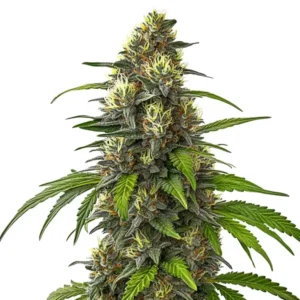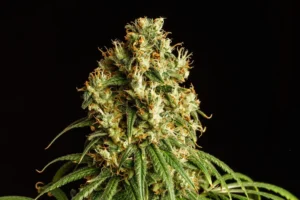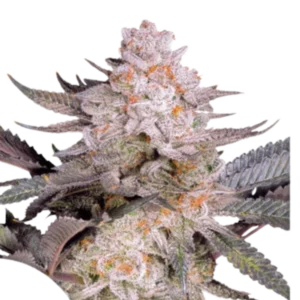
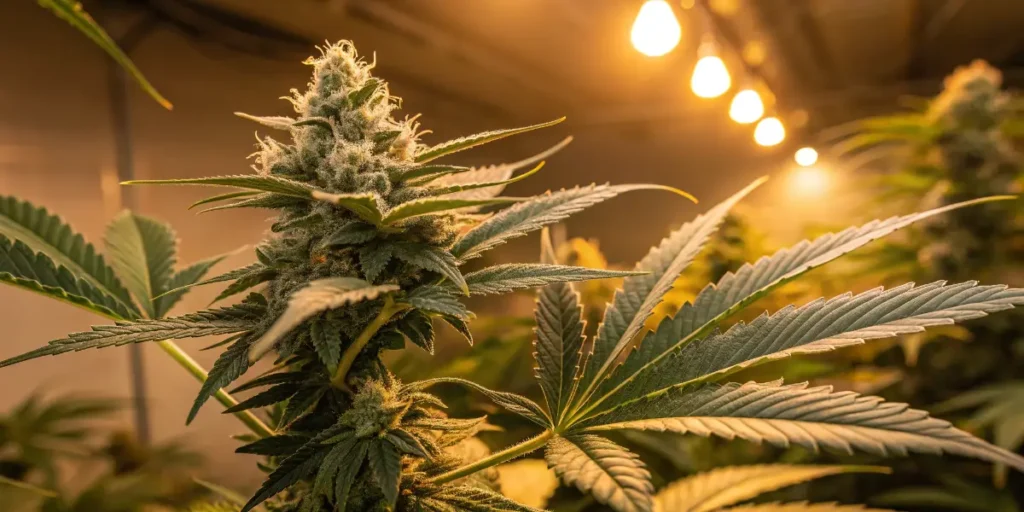

Clementine by Blimburn Seeds is a sativa-leaning citrus powerhouse, loved for its intense orange and lemon aroma and its happy, uplifting effect. A cross of Tangie x Lemon Skunk, it is a feminized photoperiod plant with an 18-22% THC level, a vibrant citrus terpene profile, and a cheerful, relaxing high. It flowers in 8-10 weeks and grows well indoors or out, making it a rewarding choice for anyone who loves bright, zesty cannabis.
This is a feminized photoperiod strain, not an autoflower, so it flowers when you shorten the light cycle and gives you full control over veg length, training, and cloning. The figures below are the breeder’s values; check your own pack for the exact numbers.
Recommended Strains
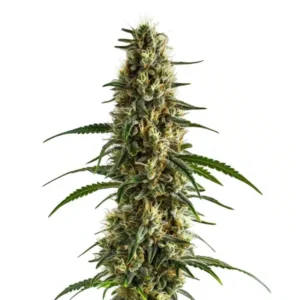
Clementine

|
Type | Feminized |

|
THC | 18% - 22% (Medium) |

|
Lineage | Tangie x Lemon Skunk |

|
Phenotype | 30% Indica / 70% Sativa |

|
Effects | Happy, Hungry, Relaxed |

|
Flavors | Citrus, Lemon, Orange |

|
Flowering Time | 8 - 10 weeks |

|
Yield | Medium |

|
Yield Indoor | 0.98 - 1.31 oz/ft² | 300 - 400 g/m² |

|
Yield Outdoor | 14.11 - 21.16 oz/plant | 400 - 600 g/plant |

|
Height | 4.92 ft | 1.5 m |

|
Medical | Depression, Insomnia, Muscle Spasms |
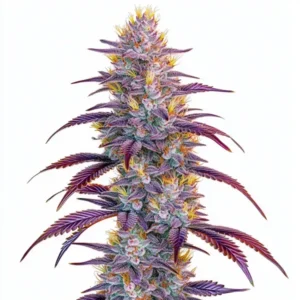
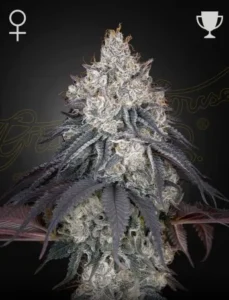
Mimosa
|
|
Type | Feminized |
|
|
THC | 24% - 30% (High) |
|
|
Lineage | Purple Punch x Clementine |
|
|
Phenotype | 30% Indica / 70% Sativa |
|
|
Effects | Energetic, Euphoric, Happy |
|
|
Flavors | Citrus, Orange, Pine, Sweet |
|
|
Flowering Time | 8 - 10 weeks |
|
|
Yield | High |
|
|
Yield Indoor | 2.29 oz/ft² | 700 g/m² |
|
|
Yield Outdoor | 21.16 - 28.22 oz/plant | 600 - 800 g/plant |
|
|
Height | 6.56 ft | 2 m |
|
|
Medical | Arthritis, Insomnia, Pain |
Clementine Grow Info
| Trait | Clementine (Blimburn) |
| Genetics | Tangie x Lemon Skunk |
| Seed type | Feminized photoperiod |
| Genetic profile | 30% indica / 70% sativa |
| THC | 18-22% (medium) |
| Flowering time | 8-10 weeks |
| Height | Around 1.5 m |
| Indoor yield | Medium, around 300-400 g/m² |
| Outdoor yield | Around 400-600 g per plant |
| Effects | Happy, relaxed, hungry |
| Flavor | Citrus, lemon, orange |
These are Blimburn’s published figures for Clementine at Growlantis. When you need an exact THC percentage, height, or yield, check the specification on your own Clementine seed pack.
What Makes Clementine Worth Growing
Clementine is all about flavor and mood. Its Tangie and Lemon Skunk parents give it one of the brightest citrus profiles in cannabis, an unmistakable burst of orange and lemon, backed by a happy, uplifting, sociable high at a solid 18-22% THC. If you love zesty, fruity strains, few deliver the aroma like this one.
For the grower, it is a classic sativa-leaning plant that performs indoors or out. It reaches a manageable 1.5 m, yields a medium 300-400 g/m² indoors and more outdoors, and finishes in 8-10 weeks. As a photoperiod it clones well and takes training, which helps you manage its stretch and get the most from its vibrant, resinous buds.
Is Clementine Indica or Sativa?
Clementine is sativa dominant, listed at 70% sativa and 30% indica, from its Tangie and Lemon Skunk lineage.
That tilt gives it an energetic, happy, uplifting effect that is social and daytime-friendly, with just enough indica to add a relaxing edge. The plant grows with the taller, stretchier habit of a sativa hybrid and a vibrant citrus terpene profile, so it benefits from training to manage height and an even canopy.
Flowering Time vs Full Grow Time
Because Clementine is a photoperiod strain, these two numbers are separate, and mixing them up is the most common planning mistake.
- Flowering time: 8-10 weeks. This is the bloom stage, which starts only when you switch the lights to 12/12 indoors (or when days shorten outdoors).
- Full grow time (seed to harvest): flowering plus however long you veg. Indoors, a typical grow runs around 4 to 5 months from seed, depending on veg length.
The practical point: you control the total time by choosing your veg length. A longer veg means a bigger plant and harvest; a shorter veg gets you there faster. Outdoors, expect to finish around early to mid October.
Does Clementine Need a 12/12 Light Cycle?
Yes. Clementine is a photoperiod strain, so indoors it needs a 12/12 light cycle (12 hours on, 12 hours off) to start and maintain flowering.
Keep it on a long veg schedule, usually 18/6, for as long as you want it to grow, then flip to 12/12 when it has the size and shape you want. Because it is a sativa-leaning plant that stretches, flip it earlier than you think and account for the post-flip growth. Outdoors, shortening late-summer days trigger flowering naturally.
Clementine Grow Timeline, Week by Week
Treat this as a development pattern, not a fixed schedule, since veg length is up to you.
- Weeks 1-2: germination and seedling. The taproot and first true leaves establish. Keep humidity up and feeding minimal.
- Weeks 3-5: vegetative growth (your choice). The plant builds its frame under 18/6. This is when you top and train.
- Week 0 of flower: the flip. Switch to 12/12. Expect a notable sativa stretch.
- Weeks 1-3 of flower: stretch and bud set. Vertical growth finishes and flower sites form.
- Weeks 4-9 of flower: bud development. Resinous buds fill out and the bright citrus aroma builds.
- Weeks 8-10 of flower: ripening and harvest. Judge by trichomes, not the calendar.
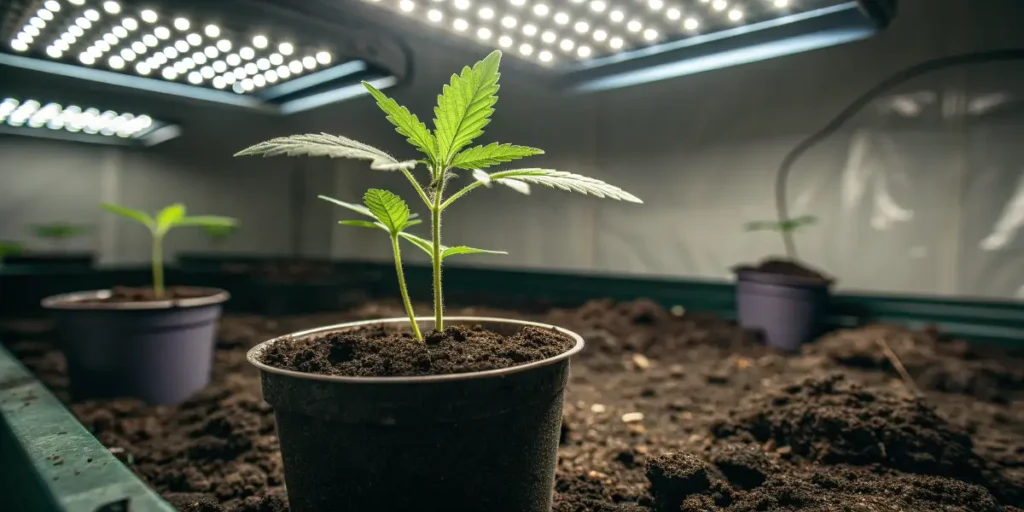
Choosing Your Setup: Space, Light and Pots
Clementine reaches around 1.5 m with a notable sativa stretch, so flip to 12/12 while it is comfortably under your height limit. Low stress training or a SCROG net keeps the canopy even and lifts the yield.
Give it strong light to build its resinous, citrus-rich buds. A full-spectrum LED at 30-40 watts per square foot over the flowering canopy keeps the colas dense. Add a good inline exhaust fan and a carbon filter, since the intense orange-lemon aroma is strong in flower.
For pots, 3-5 gallon containers suit most indoor grows, scaled to veg time and plant size. Fabric pots improve root airflow and help prevent overwatering.
Germinating and Raising Seedlings
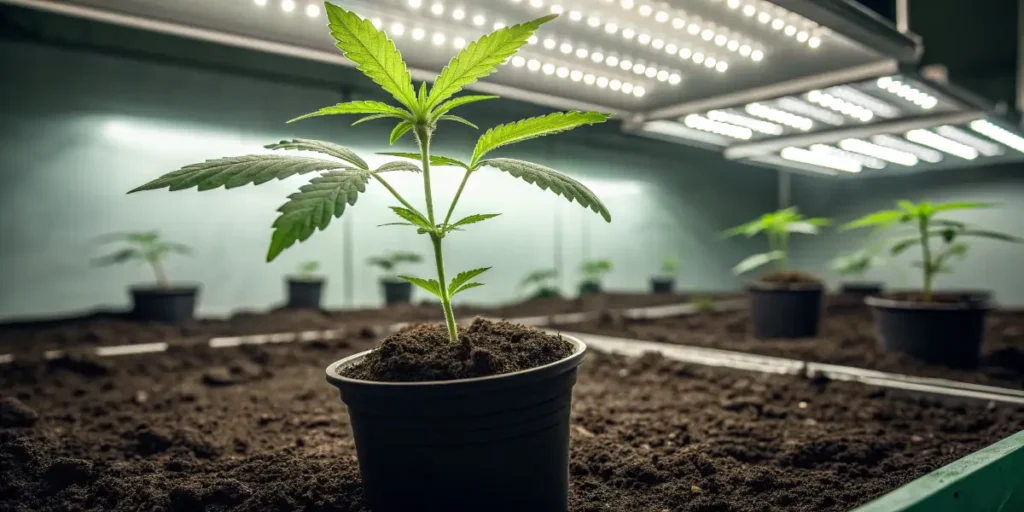
The paper towel method is the simple, reliable start. Soak the seeds for 12-24 hours, then place them between damp paper towels on a covered plate, kept dark and warm at 70-85°F (21-29°C). A taproot usually appears within two to three days.
When the taproot reaches about 1-2 cm, plant it root-down a knuckle deep in a light mix and keep the surface moist until the seedling emerges. Hold off on nutrients at this stage. New to growing? Our beginner growing guides cover germination step by step.
The Vegetative Stage, Topping and Training
Veg is where you shape a photoperiod plant, and Clementine’s stretchy sativa frame responds well to training that controls its height. Keep it under 18/6 with a nitrogen-rich feed and build a strong, even frame before you flower.
Topping the main stem early encourages multiple colas and, importantly, keeps the plant shorter and wider rather than one tall spire. Combine it with low stress training or a SCROG net to tame the stretch and expose more bud sites to light. This is also the stage to take clones: cut from a healthy plant in veg to preserve a phenotype you like, since photoperiods clone reliably. Finish training before the flip.
Feeding and Watering Clementine
Feed to the stage. Use a nitrogen-forward base through veg, then move to a bloom formula higher in phosphorus and potassium once you flip to 12/12 and buds form. Start moderate and increase based on how the plant responds rather than overfeeding early, which protects the delicate citrus terpenes.
Water by root-zone moisture, not a timetable. Let the top inch or two of medium dry between waterings, then water thoroughly until a little drains. Fabric pots and this water-to-weight habit keep the roots healthy and prevent overwatering.
Flowering and Knowing When to Harvest
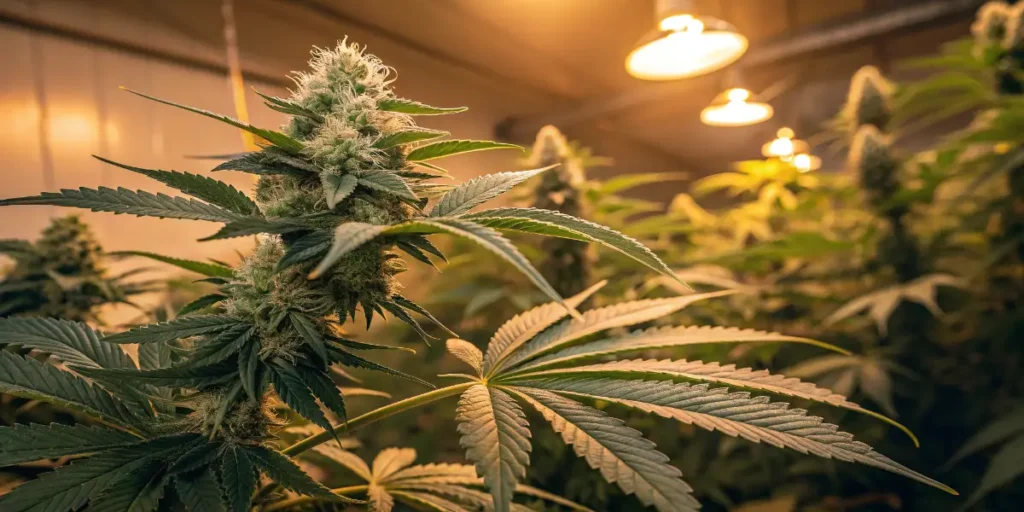
Once you flip to 12/12, expect a notable stretch, then resinous buds fill out over the 8-10 week bloom. The intense orange and lemon aroma develops strongly, so keep air moving and run a carbon filter indoors.
Let ripeness, not the calendar, decide the harvest. Check the trichomes under a loupe and cut when most are cloudy with a few turning amber for the fullest effect. After harvest, hang the branches in the dark at about 60°F (15-16°C) and 55-60% humidity for 7-14 days, then cure in sealed jars, burping daily for the first couple of weeks to protect the bright citrus flavor.
Growing Indoors vs Outdoors
Indoors, Clementine rewards height management. Hold 18/6 for veg, flip to 12/12, top and train the canopy even, and the medium 300-400 g/m² yield of citrus-rich flower is very reachable under strong light.
Outdoors, it is a strong producer in a warm, sunny climate, returning around 400-600 g per plant and usually finishing around early to mid October. Its sativa vigor loves full sun and space. Give it rich well-draining soil and airflow around the buds.
How Tall and How Much? Height and Yield
Height is the number to plan around. Clementine reaches about 1.5 m with a notable sativa stretch, so flip early enough and train to keep the final canopy within your space.
On yield it is a medium producer, listed at around 300-400 g/m² indoors and 400-600 g per plant outdoors. Strong light, a topped or SCROG canopy, and a healthy root zone are what turn that potential into real weight of vibrant, resinous flower.
Best US Climates for Clementine
Clementine is a sativa-leaning plant that loves a warm, sunny climate with a long season, so growers in California, the Southwest, and warmer Western and Southern states can comfortably take it to an early-to-mid October finish outdoors. The sun and space let its vigor shine.
In shorter-season or cooler states, grow it indoors where you control the environment and manage its stretch. In the humid Southeast, keep airflow strong around the resinous buds. For more options, browse our full how-to-grow guide library.
Common Problems When Growing Clementine
A few predictable issues are easy to head off.
Underestimating the stretch
As a sativa hybrid, it stretches hard after the flip. Flip while it is well under your height limit and top and train to keep the canopy even.
Strong citrus odor
The orange-lemon aroma is intense. Run a carbon filter and good exhaust indoors if discretion matters.
Protecting the terpenes
The bright citrus flavor can be dulled by overfeeding or a rushed dry. Feed moderately and dry slowly and cool to keep the aroma vivid.
Harvesting by the calendar
The 8-10 week window is a guide, not a cutting date. Read the trichomes and pistils before you cut, since phenotype and environment shift the timing.
Making the Most of Your Harvest
Do not waste the trim. The resinous sugar leaves make excellent bubble hash, dry sift, or rosin that keeps the vibrant citrus character. The stems, roots, and fan leaves compost well and feed your next grow.
Is Clementine Right for You?
If you love bright, zesty citrus strains and want a happy, uplifting, social high, yes. Its intense orange-lemon aroma and cheerful effect are the main draw, on a plant that performs well indoors or out. If you want a short, compact plant or a heavy sedative indica, look elsewhere. Browse our full how-to-grow guide library for more.
Frequently Asked Questions
Is Clementine indica or sativa?
Clementine is sativa dominant, listed at 70% sativa and 30% indica, from its Tangie and Lemon Skunk lineage. The effect is energetic, happy, and uplifting, social and daytime-friendly, with just enough indica for a relaxing edge. The plant grows with the taller, stretchier habit of a sativa hybrid and a vibrant orange-lemon terpene profile.
How long does Clementine take to flower?
Clementine flowers in 8 to 10 weeks once you switch to 12/12. Total seed-to-harvest time depends on your veg length, usually around 4 to 5 months indoors. Outdoors it finishes around early to mid October. Judge the finish by trichome maturity rather than the calendar, since phenotype and conditions shift the exact timing.
Does Clementine need a 12/12 light cycle?
Yes. Clementine is a photoperiod strain, so indoors it needs a 12/12 light cycle to start and maintain flowering. Keep it on 18/6 during veg, then flip to 12/12 when it has the size you want. Because it stretches, flip earlier than you think. Outdoors, shortening late-summer days trigger flowering.
How much does Clementine yield?
Clementine is a medium yielder, producing around 300 to 400 g/m2 indoors and 400 to 600 g per plant outdoors. Strong light, a topped or SCROG canopy, and a healthy root zone are what turn that potential into real weight. Training the stretchy sativa frame into a wide, even canopy is the key to a full harvest.
How tall does Clementine grow?
Clementine reaches around 1.5 m with a notable sativa stretch after the flip. Indoors, manage this by flipping to 12/12 early, topping the main stem, and training to a SCROG net to keep it under your lights. Outdoors, give it room and full sun to express its natural vigor and build its citrus-rich colas.
How strong is Clementine?
Clementine is moderately potent at 18 to 22% THC, listed as medium. The effect is happy, uplifting, and social, with a relaxing edge from its indica side, making it a versatile daytime strain. Its standout feature is the intense orange-lemon aroma and flavor, which make it a favorite among citrus and terpene lovers.
What does Clementine taste like?
Clementine has an intense citrus flavor of orange and lemon from its Tangie and Lemon Skunk parents. To protect those terpenes, run a carbon filter in flower, dry slowly at around 60°F with moderate humidity, and cure in sealed jars, burping daily for the first two weeks. A careful cure keeps the bright citrus notes vivid.