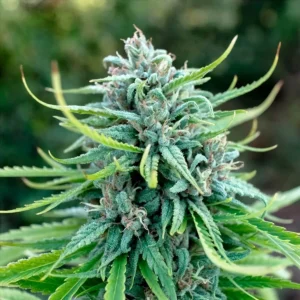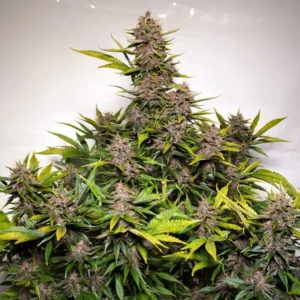

Durban Poison is the photoperiod landrace: it stays in vegetative growth until you drop the lights to 12/12, or until the nights draw in outdoors. It is a near-pure South African sativa at about 15-18% THC, with a spicy, citrus and woody flavor and a clear, energizing daytime effect. It runs tall at around 5.91 ft (180 cm) and flowers in a fast 8-9 weeks for a sativa. The autoflowering Durban Poison is a different seed, from a different breeder and noticeably stronger, and it has its own Durban Poison Auto grow guide.
This guide covers the full cycle for Durban Poison from Dutch Passion, sold through Growlantis, from germination to the cure. The figures follow that datasheet; always check the spec sheet of your own pack, since cannabinoid content varies between plants and between breeder lines.
Recommended Strains
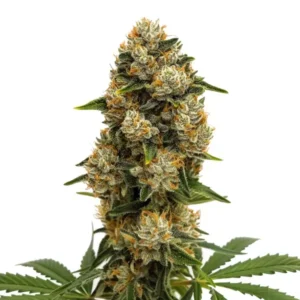
Durban Poison

|
Type | Feminized |

|
THC | 15% - 18% (Medium) |

|
Lineage | Durban X Unknown Indica |

|
Phenotype | 30% Indica / 70% Sativa |

|
Effects | Powerful, Euphoric, Uplifted |

|
Flavors | Spicy, Citrus, Woody |

|
Flowering Time | 8 - 9 weeks |

|
Yield | High |

|
Yield Indoor | 1.47 - 1.97 oz/ft² | 450 - 600 g/m² |

|
Height | 5.91 ft | 1.8 m |
Durban Poison Auto
|
|
Type | Autoflowering |
|
|
THC | 21% - 25% (High) |
|
|
Lineage | Durban Poison x Ruderalis |
|
|
Phenotype | 20% Indica / 80% Sativa |
|
|
Effects | Euphoric, Happy, Tingly |
|
|
Flavors | Earthy, Pine |
|
|
Life Cycle | 8 - 10 weeks |
|
|
Yield | Low |
|
|
Yield Indoor | 0.82 - 0.98 oz/ft² | 250 - 300 g/m² |

|
Yield Outdoor | 2.47 - 4.23 oz/plant | 70 - 120 g/plant |
|
|
Height | 4.92 ft | 1.5 m |

|
Medical | Fatigue, Muscle Spasms, Stress |
Durban Poison at a Glance
| Trait | Durban Poison |
| Lineage | Durban (South African landrace) |
| Genotype | 30% Indica / 70% Sativa |
| Type | Feminized photoperiod, sativa-dominant |
| THC | 15-18% (medium) |
| Flowering time | 8-9 weeks |
| Height | 5.91 ft (180 cm) |
| Yield indoor | 1.47-1.97 oz/ft2 (450-600 g/m2) |
| Effects | Powerful, euphoric, uplifted |
| Flavors | Spicy, citrus, woody |
The draw here is a pure, energizing African sativa with a quick finish. At 15-18% THC, Durban Poison is a moderate, clear-headed strain, and the spicy, citrus, and woody profile of the landrace is the signature. The effect is powerful, euphoric, and uplifting, and the 8-9 week bloom is fast for a sativa of this height.
Is Durban Poison Indica or Sativa?
Durban Poison is sativa-dominant, at 70% sativa, a near-pure South African landrace. The effect is powerful, euphoric, and uplifting, a clear, energetic head high suited to daytime use rather than winding down. The plant grows tall and slender, reaching about 5.91 ft, with the open structure of a landrace sativa, so vertical space and height control are the main things to plan around indoors.
THC and Effect
Durban Poison carries 15-18% THC, a moderate level that reads clear and energetic. The effect is powerful, euphoric, and uplifting, a clean cerebral high rather than a sedating one, which makes it a classic daytime sativa. The flavor is distinctive: spicy and sweet with citrus and woody notes, the signature Durban anise-like profile. The moderate strength keeps it approachable.
Height, Yield, and Indoor vs Outdoor
Durban Poison grows tall at about 5.91 ft (180 cm), so plan vertical space and height control, especially indoors.
- Indoors, expect a strong 1.47-1.97 oz/ft2 (450-600 g/m2); top early and run a screen or low-stress training to keep the tall frame level.
- Outdoors, grow in full sun with a long season and room to stretch; the quick 8-9 week bloom helps the tall sativa finish in time. Support the branches as the colas fill.
Germinating and Growing Durban Poison
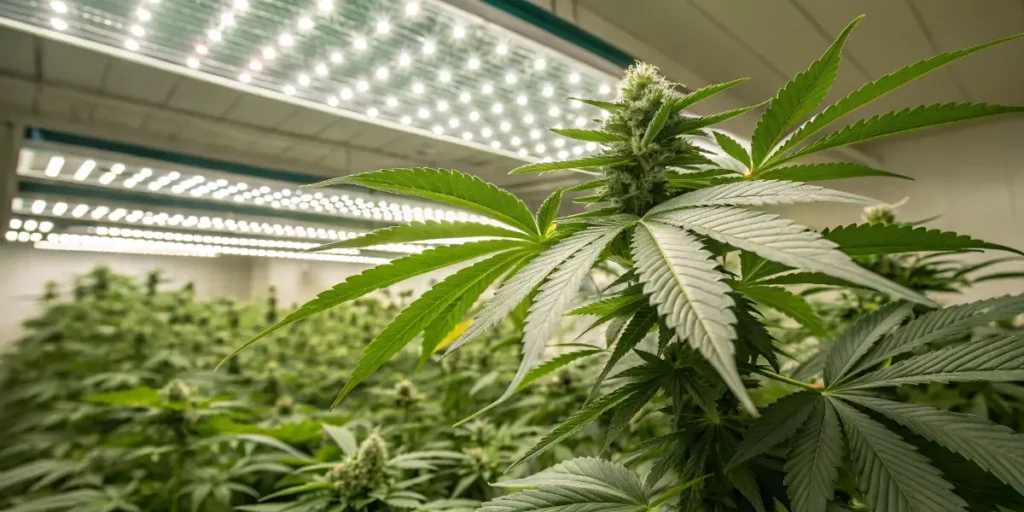
As a photoperiod plant, Durban Poison veg time is under your control, so you set the final size before flipping to bloom. With a tall sativa, that control matters.
- Germination (days 1-3): Use the paper-towel method at 70-79 F, then plant half an inch deep in light, well-draining soil, taproot down, in a 3-5 gallon container.
- Vegetative (keep short indoors): Run 18 hours of daily light, but keep veg brief indoors, since this plant stretches. Top above the fourth node and apply low-stress training or a screen to control height early.
- Pre-flip: Flip while plants are still well under their target height, since Durban Poison stretches after the switch.
Flowering and Harvest of Durban Poison After the 12/12 Flip
- Weeks 1-3 of bloom: Switch to a 12/12 light cycle. The sativa stretch is significant, so keep training and supporting the structure.
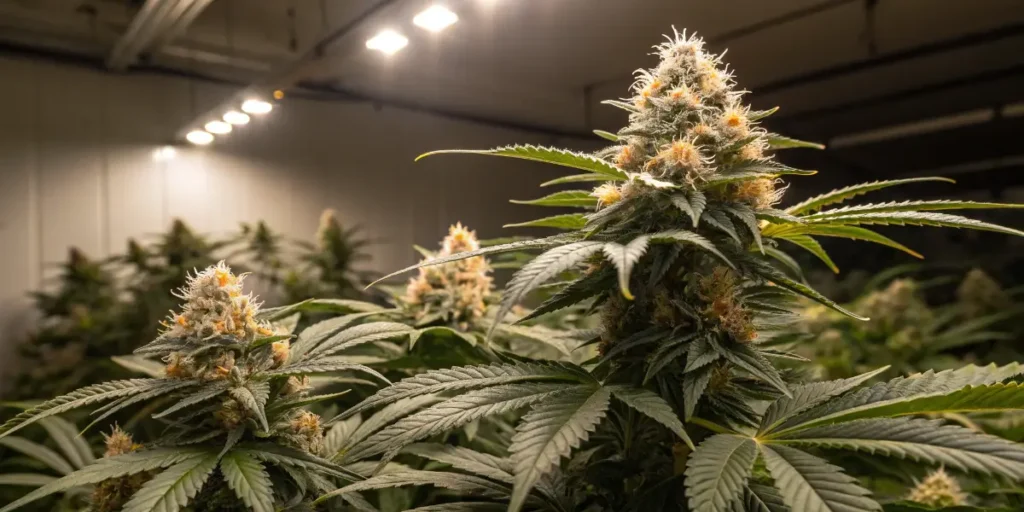
- Weeks 4-8: Buds form along the long branches, often resin-frosted, and the spicy aroma builds. Hold humidity around 40-45% and keep airflow steady through the tall canopy.
- Harvest (8-9 weeks): Check trichomes from week 8. Harvest when most are cloudy for the powerful, uplifting effect.
Durban Poison Flowering Time vs Full Grow Time
Durban Poison flowers in 8-9 weeks, counted from the 12/12 flip rather than from seed. That is genuinely fast for a sativa of this height, and it is the main reason the landrace stayed popular. The full grow is longer because the vegetative stage is yours to set: 4 to 6 weeks of veg puts seed-to-harvest at roughly 12 to 15 weeks. Outdoors the same logic applies through the season, since the plant waits for the nights to lengthen before it starts to bud.
Does Durban Poison Need a 12/12 Light Cycle?
Yes. Durban Poison is photoperiod, so it needs 12 hours of unbroken darkness before it will flower. Run 18/6 through veg and flip when the plant is roughly half its final height, because this landrace stretches like the sativa it is. Keep the dark period genuinely dark: light leaks stall the flip and can push a plant to reveg. The autoflowering version works the other way round and flowers on age, which is the clearest practical difference between the two seeds.
Best US Climates and Outdoor Season for Durban Poison
Durban Poison is a hardy landrace sativa that performs across a range of US conditions.
- Warm, long-season regions (California, Southwest, Gulf Coast): ideal for the tall frame, though the quick bloom means it finishes earlier than most sativas.
- Temperate and short-season states (Pacific Northwest, Northeast, Midwest): the fast 8-9 week bloom and landrace hardiness help it finish before the autumn cold.
- Humid areas: manageable with good spacing and airflow around the open sativa canopy, which the landrace structure helps with.
- Indoors: productive, provided you have the vertical space and commit to height control.
Feeding and Watering
Durban Poison is a hardy sativa that feeds moderately, so build strength up gradually. Keep nitrogen steady through veg, then move to a phosphorus- and potassium-forward bloom feed after the flip. Water deeply and let the medium dry on top between rounds. Finish with 10-14 days of plain water to keep the spicy-citrus flavor clean.
Common Problems When Growing Durban Poison
Managing a tall landrace sativa
At about 5.91 ft, Durban Poison is tall and stretches after the flip. Top early, flip early, and run a screen or low-stress training to keep the canopy level, especially in a short tent.
Airflow in a tall canopy
The long, open sativa branches benefit from good air movement. Space plants and keep air flowing through the lower growth to avoid damp pockets late in bloom.
Feeding for flavor
Durban Poison’s spicy-citrus flavor comes through best with a clean finish. Avoid overfeeding late in bloom and flush with plain water in the final two weeks.
Durban Poison Seeds and the Autoflower Version
Growlantis sells Durban Poison from Dutch Passion as the feminized photoperiod landrace this guide follows, within the sativa cannabis seeds range. Worth knowing before you choose: Durban Poison Auto from Blimburn Seeds is a different seed that flowers on age and is actually the stronger of the two on paper, at 21-25% THC against the 15-18% here. It has its own autoflower grow guide. Growlantis is the retailer, not the breeder, so figures follow each bank’s datasheet.
Frequently Asked Questions
How long does Durban Poison take to flower?
Durban Poison flowers in 8-9 weeks, measured from the moment you switch to a 12/12 light cycle. That is quick for a sativa of this size. Add the 4 to 6 weeks of vegetative growth most growers give it and the full seed-to-harvest cycle lands at roughly 12 to 15 weeks indoors.
Does Durban Poison need a 12/12 light cycle?
Yes. Durban Poison is a photoperiod plant and will keep vegetating until it gets 12 hours of uninterrupted darkness. Keep it on 18/6 while it builds structure, then flip to 12/12 and guard the dark period against light leaks. The autoflowering Durban Poison is a separate seed and flowers on age instead.
Is Durban Poison indica or sativa?
Durban Poison is sativa-dominant, at 70% sativa, a near-pure South African landrace. The effect is powerful, euphoric, and uplifting, a clean, energetic daytime high, and the plant grows tall and slender with an open landrace structure, so plan height control indoors.
How much does Durban Poison yield?
Durban Poison yields roughly 1.47-1.97 oz/ft2 (450-600 g/m2) indoors. Because it is photoperiod, that figure moves with your veg time: a longer vegetative stage builds more bud sites before the stretch. Outdoors the tall, open landrace structure rewards a full season and plenty of direct sun.
What does the Durban Poison strain taste like?
Durban Poison has a distinctive spicy, sweet flavor with citrus and woody notes, the signature anise-like profile of the South African landrace. It is clean and aromatic rather than sweet, and it comes through best when the plant is flushed well and cured patiently after harvest.