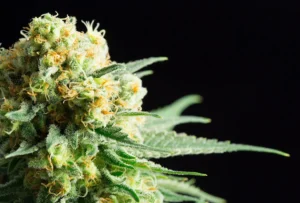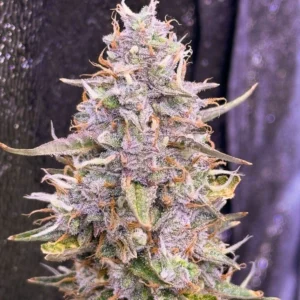
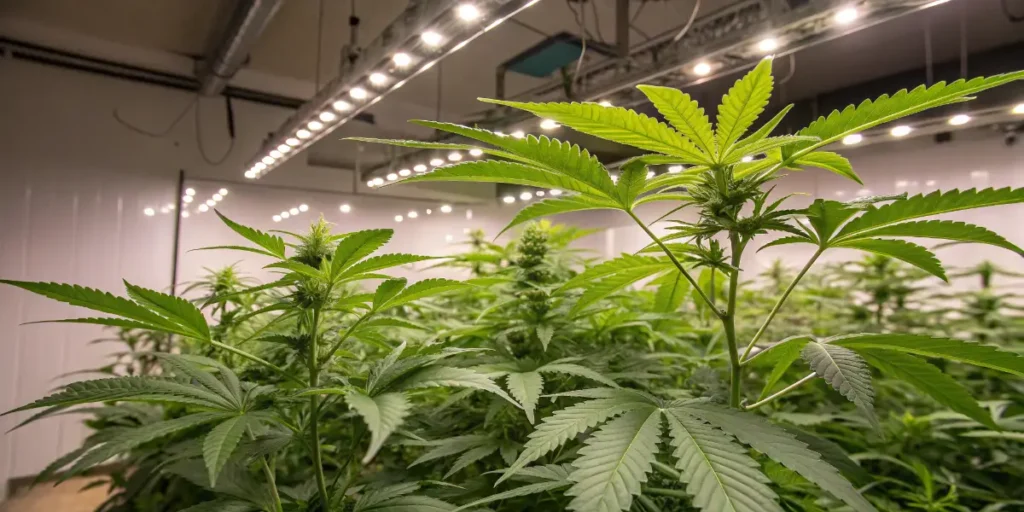

Ice Cream is a sweet, vanilla-flavored, indica-leaning hybrid loved for its creamy taste and balanced, relaxing effect. A Growers Choice line built from White Widow, Bubble Gum, and a skunk parent, it is a feminized photoperiod carrying 22-25% THC. At a medium 5.25 ft frame, a high yield, and a dessert-smooth profile, the Ice Cream strain, sometimes searched as Ice Cream Kush, suits growers who want a flavorful, productive plant with a euphoric-yet-calming result.
This guide covers the full cycle for Ice Cream from Growers Choice, sold through Growlantis, from germination to the cure. The figures below follow the Ice Cream datasheet; always check the spec sheet of your specific pack, since cannabinoid content varies between plants.
Recommended Strains

Knockout

|
Type | Feminized |

|
THC | 23% - 27% (High) |

|
Lineage | XXX x End Game #3 |

|
Phenotype | 45% Indica / 55% Sativa |

|
Effects | Uplifted, Energetic, Talkative |

|
Flavors | Sweet, Citrus, Pine, Candy |

|
Flowering Time | 9 - 10 weeks |

|
Yield | High |

|
Yield Indoor | 1.97 - 2.29 oz/ft² | 600 - 700 g/m² |

|
Height | 5.58 ft | 1.7 m |
Master Kush
|
|
Type | Feminized |
|
|
THC | 14% - 16% (Medium) |
|
|
Lineage | Hindu Kush |
|
|
Phenotype | 90% Indica / 10% Sativa |
|
|
Effects | Relaxed, Calming, Hungry |
|
|
Flavors | Earthy, Citrus, Spicy |
|
|
Flowering Time | 8 - 9 weeks |
|
|
Yield | High |
|
|
Yield Indoor | 1.64 - 1.8 oz/ft² | 500 - 550 g/m² |
|
|
Height | 4.59 ft | 1.4 m |
Ice Cream Strain at a Glance
| Trait | Ice Cream |
| Lineage | White Widow x Bubble Gum x Skunk |
| Type | Feminized photoperiod, indica-leaning hybrid |
| THC | 22-25% (high) |
| Flowering time | About 8-9 weeks |
| Height | 5.25 ft (160 cm) |
| Yield indoor | 1.64 oz/ft2 (500 g/m2) |
| Yield outdoor | 17.64 oz (500 g) per plant |
| Effects | Euphoric, creative, relaxed |
| Flavors | Vanilla, sweet, creamy |
The draw here is the dessert flavor and a strong, balanced effect with a big yield. At 22-25% THC, Ice Cream is potent, and the smooth vanilla-and-cream profile is its signature. The effect pairs euphoric creativity with relaxation, and the plant produces heavily both indoors and out on a manageable medium frame.
Is Ice Cream Indica or Sativa?
Ice Cream is an indica-leaning hybrid, built on White Widow, Bubble Gum, and skunk genetics. The effect is balanced rather than one-sided: a euphoric, creative lift paired with a relaxing body side, which makes it work across the day and into the evening. The plant grows to a medium height with a sturdy, resinous structure, so plan light training to keep the canopy even.
THC and Effect
Ice Cream carries 22-25% THC, firmly in the high range. The effect is euphoric and creative with a relaxing finish, an uplifting but settling high suited to both social and wind-down use. Because it is potent, newer users should start with a small amount. The flavor is the standout: smooth vanilla and cream with a sweet, dessert-like character.
Height, Yield, and Indoor vs Outdoor
Ice Cream grows to a medium 5.25 ft (160 cm), manageable with light training.
- Indoors, expect a high 1.64 oz/ft2 (500 g/m2) of dense, resinous flower; a screen or low-stress training keeps the canopy level.
- Outdoors, a single plant returns a large 17.64 oz (500 g) with full sun, a long season, and room for the roots. Support the branches as the colas fill.
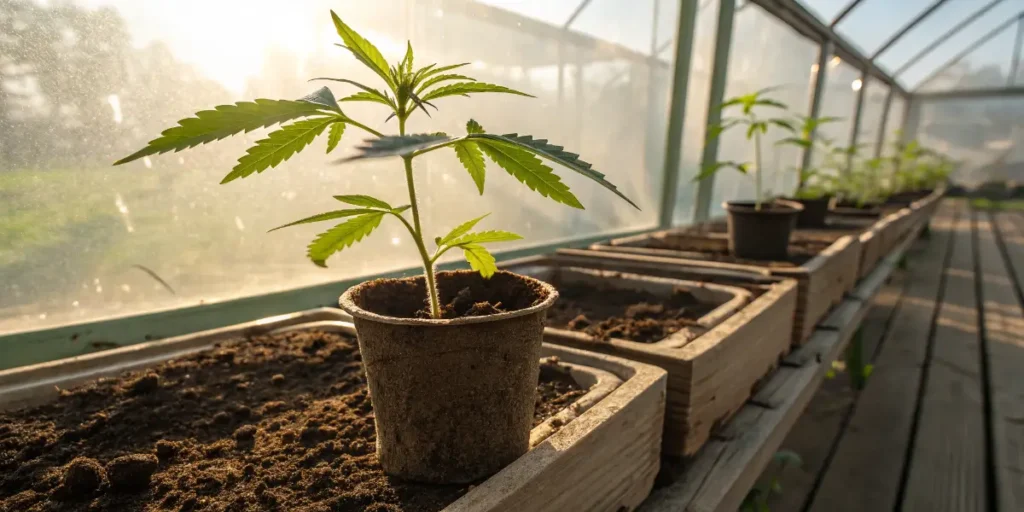
Germinating and Growing Ice Cream
As a photoperiod plant, Ice Cream veg time is under your control, so you set the final size before flipping to bloom.
- Germination (days 1-3): Use the paper-towel method at 70-79 F, then plant half an inch deep in light, well-draining soil, taproot down, in a 3-5 gallon container.
- Vegetative (4-6 weeks): Run 18 hours of daily light. Top above the fourth node and apply low-stress training or a screen to shape the canopy before the flip.
- Pre-flip: Flip when plants reach about half their target height, since they stretch after the switch.
Flowering and Harvest of Ice Cream
- Weeks 1-2 of bloom: Switch to a 12/12 light cycle to trigger flowering. The plant stretches, then settles as pistils form.
- Weeks 3-7: Dense, resinous buds fill in and the sweet vanilla aroma builds. Hold humidity around 40-45% and keep airflow steady.
- Harvest (around 8-9 weeks): Check trichomes from week 7. Harvest when most are cloudy with a little amber for the euphoric, relaxed effect.
Flowering Time vs Full Grow Time
These two numbers are easy to confuse. The flowering time is about 8-9 weeks, measured from the 12/12 flip to harvest. The full grow time is longer because Ice Cream is a photoperiod plant: you add your vegetative stage on top, usually 4-6 weeks, for a total of roughly 12-15 weeks from seed to harvest. Unlike an autoflower, you decide how long to veg, which sets the plant’s final size. Confirm the exact bloom length on your pack.
Light Cycle: Does Ice Cream Need 12/12 to Flower?
Yes. Ice Cream is a photoperiod strain, not an autoflower, so it flowers only when the daily light drops to 12 hours. Keep it under 18 hours of light to stay in vegetative growth, then switch to a 12/12 schedule when you are ready to bloom. Outdoors, the shortening days of late summer trigger flowering naturally.

Best US Climates for Ice Cream
Ice Cream is a resinous hybrid that rewards a warm, sunny season outdoors.
- Warm, long-season regions (California, Southwest, Gulf Coast): ideal for the big outdoor yield and the 8-9 week bloom.
- Temperate states (Mid-Atlantic, Pacific Northwest, Midwest): workable outdoors with a timely late-summer flip, or grown indoors where you control the schedule.
- Humid areas: manageable with good spacing and airflow around the dense, frosty buds.
- Indoors anywhere: productive, provided you train the canopy and support the resinous flowers.
Feeding and Watering
Ice Cream feeds moderately and supports a big yield, so build strength up gradually. Keep nitrogen steady through veg, then move to a phosphorus- and potassium-forward bloom feed after the flip. Water deeply once established and let the medium dry on top between rounds. Finish with 10-14 days of plain water to keep the smooth vanilla flavor clean.
Common Problems When Growing Ice Cream
Managing the stretch
The plant stretches after the flip to a medium height. Flip at about half the target height and run low-stress training or a screen to keep the canopy level, especially indoors.
Dense, resinous buds and humidity
The frosty buds can trap moisture. Keep bloom humidity near 40-45% with steady airflow, and open the canopy so air moves through the lower growth.
Feeding for flavor
Ice Cream’s vanilla sweetness comes through best with a clean finish. Avoid overfeeding late in bloom and flush with plain water in the final two weeks.
Ice Cream in the Catalog
Ice Cream is a Growers Choice dessert hybrid, prized for its vanilla-cream flavor. Growers who like that sweet, creamy profile will find relatives across the catalog’s dessert and cookie lines. Browse more in the feminized cannabis seeds and high THC cannabis seeds collections. Specs can vary between packs and phenotypes, so confirm the details of the exact pack you buy before planning your grow.
Frequently Asked Questions
Is the Ice Cream strain indica or sativa?
Ice Cream is an indica-leaning hybrid, built on White Widow, Bubble Gum, and skunk genetics. The effect is balanced, a euphoric, creative lift paired with a relaxing body side, so it works across the day and into the evening. The plant grows to a medium height with a sturdy, resinous structure.
How long does Ice Cream take to flower?
Ice Cream has a flowering time of about 8-9 weeks from the 12/12 flip. Because it is a photoperiod plant, you add your veg stage on top, so the full seed-to-harvest cycle usually runs about 12-15 weeks depending on how long you choose to vegetate. Confirm the exact bloom length on your pack.
Does Ice Cream need a 12/12 light cycle?
Yes. Ice Cream is a photoperiod strain, so it flowers only when daily light drops to 12 hours. Keep it under 18 hours to stay in veg, then switch to 12/12 to bloom. Outdoors, the shortening days of late summer trigger flowering for you without any change to your setup.
How much does Ice Cream yield?
Yields are high. Indoors, Ice Cream returns about 1.64 oz/ft2 (500 g/m2) with good canopy management, and a single outdoor plant can produce around 17.64 oz (500 g) with full sun, a long season, and support for the resinous colas as they fill out.
What does the Ice Cream strain taste like?
Ice Cream has a smooth vanilla and cream flavor with a sweet, dessert-like character, the trait it is named for. It is a rich, mellow profile rather than a sharp or fuel-forward one, and it comes through best when the plant is flushed well in the final weeks and cured patiently after harvest.