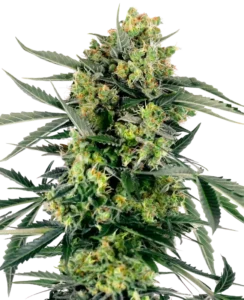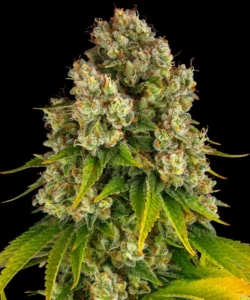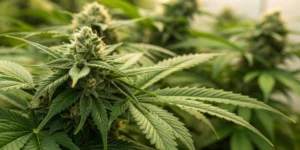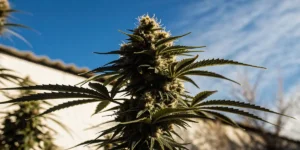
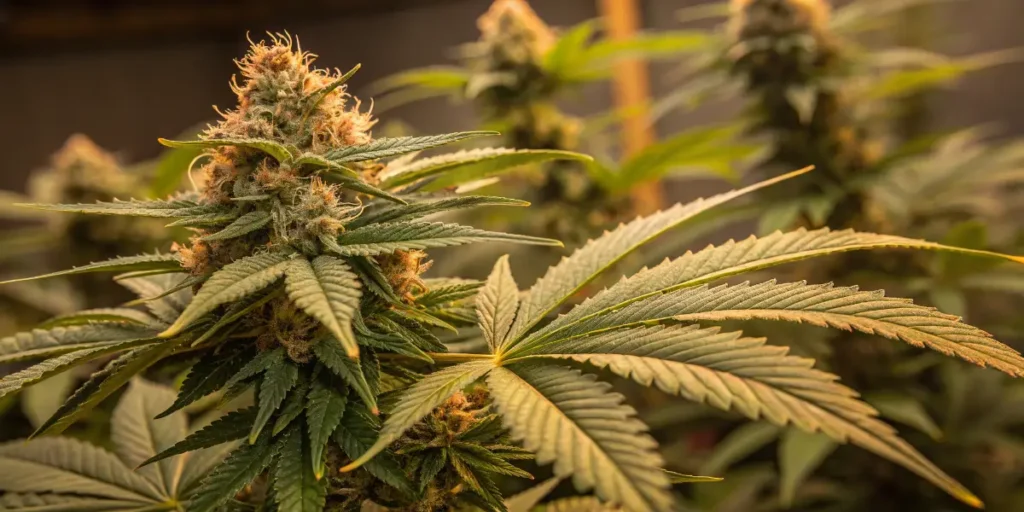

To successfully cultivate Purple Haze, indoor growing is recommended for better control over environmental conditions. Start by germinating seeds in a nutrient-rich soil mix, ensuring adequate drainage for optimal growth. The plant flourishes in temperatures between 70-80°F with 40-50% humidity. Regular monitoring and adjusting of these factors can significantly enhance the cultivation experience and potential yield.
This cultivar requires specific light schedules to thrive, ideally 18/6 light to dark cycle during its vegetative stage. As it transitions to flowering, reduce the light to 12/12. When it comes to nutrients, Purple Haze benefits from a balanced feeding regimen, rich in phosphorus and potassium, which can enhance bud production and terpene profiles.
Recommended Strains
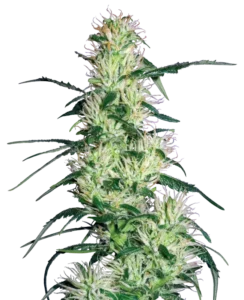
Purple Haze Seeds
 | THC | 17% - 19% (Medium) |
 | Lineage | Purple Thai x Haze |
 | Type | Feminized |
 | Height | 6.07 ft | 1.85 m |
 | Yield | Medium |
 | Yield Indoor | 1.31 - 1.8 oz/ft² | 400 - 550 g/m² |
 | Flowering Time | 9 - 11 weeks |
 | Phenotype | 20% Indica / 80% Sativa |
 | Effects | Creative, Euphoric, Giggly |
 | Flavors | Lavender, Floral |
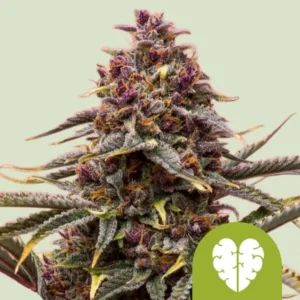
Pink Mist Auto
| | THC | 16% - 17% (Medium) |
| | Lineage | Pink Mist x Royal Haze Auto |
| | Type | Autoflowering |
| | Height | 4.43 ft | 1.35 m |
| | Yield | Low |
| | Yield Indoor | 1.15 - 1.31 oz/ft² | 350 - 400 g/m² |
 | Yield Outdoor | 3.88 - 5.64 oz/plant | 110 - 160 g/plant |
| | Life Cycle | 8 - 10 weeks |
| | Phenotype | 35% Indica / 60% Sativa / 5% Ruderalis |
| | Effects | Euphoric, Relaxed |
| | Flavors | Blueberry, Earthy, Lavender |
Patience is key when waiting for harvest as this variety typically flowers within 9-10 weeks. Growers should look for mature, dense buds with a rich aroma to signal readiness. Proper drying and curing are essential to preserve the plant’s flavors and potency, ensuring that the final yield reflects the quality and care invested in the cultivation process.
Purple Haze Strain Overview: Traits, Effects & Genetics
The Purple Haze strain is renowned for its vibrant purple buds and uplifting effects. This cannabis variety is cherished by growers for its moderate cultivation difficulty, making it a popular choice among both novice and experienced cultivators. With its distinct color and robust profile, the plant has become iconic in cannabis culture and is often sought after for both recreational and medicinal use.
This cultivar stands out due to its unique genetic lineage, which combines sativa and indica traits. This combination contributes to its balanced effects that keep users alert and creative while also providing a sense of relaxation. The terpenes present in this strain enhance its appeal, offering a sweet, earthy aroma that entices cannabis enthusiasts.
Growers appreciate this variety for its potential yield and resilience against common environmental stressors. The plant typically thrives in both indoor and outdoor settings, offering flexibility for diverse cultivation preferences. Harvest can be expected within 8 to 10 weeks, delivering a generous yield that satisfies personal and commercial needs alike.
The effects of this genetics are known to evoke a state of mental euphoria coupled with a gentle physical relaxation. Medical users might find it beneficial for alleviating stress and anxiety, while recreational enthusiasts embrace it for its cerebral stimulation. Overall, this strain remains a compact yet powerful choice in the wide spectrum of cannabis offerings.
Optimal Environment to Grow Purple Haze Successfully
To cultivate this strain successfully, growers need to understand its preference for a warm and sunny climate. Purple Haze thrives in temperatures ranging between 70 and 85 degrees Fahrenheit. Providing consistent light sources, whether natural or artificial, is crucial for the photosynthesis process of the plant, ensuring robust growth and high yield potential.
This variety benefits immensely from controlled humidity levels. Maintaining relative humidity between 40-50% helps in preventing mold and mildew, which can compromise the buds. Proper ventilation is imperative to keep the air circulating around the plant, reducing pest infestation. A well-regulated environment aids in developing the rich terpenes that this cultivar is known for.
Soil quality can greatly impact the health of this cannabis plant. It favors well-draining soil enriched with organic nutrients that support its growth cycle. Regularly checking the pH level of the soil is essential, aiming for a slightly acidic range between 6.0 and 6.8. Quality soil promotes the robust development of roots and an abundant harvest.
Lighting is a pivotal factor in the cultivation process. For indoor growers, employing full-spectrum LED lights can mimic the sun’s natural progression. This variety requires ample light during its flowering stage to produce the resinous buds associated with it. By ensuring optimal conditions, growers can enjoy a successful Purple Haze harvest with enhanced potency and aroma.
Grow Room Setup for Purple Haze Plants
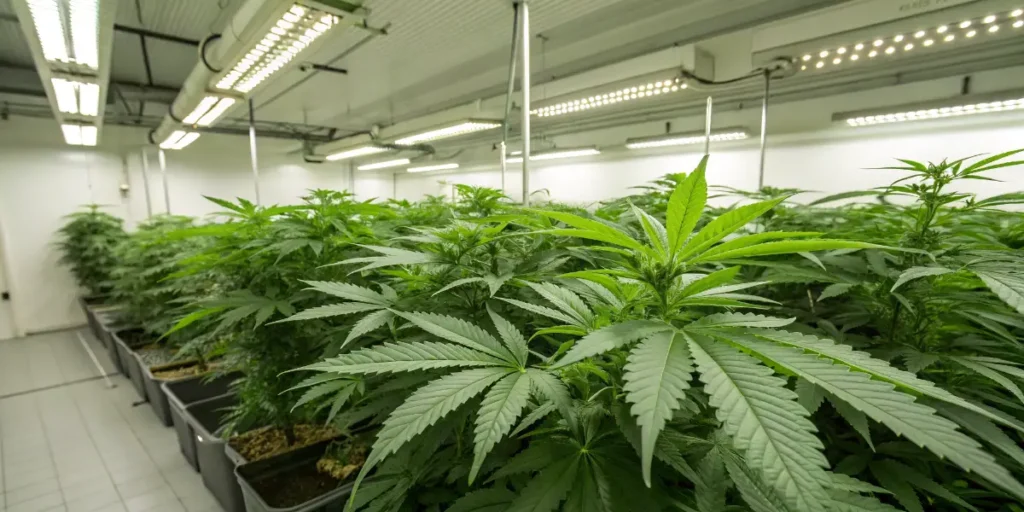
Creating the perfect environment is crucial for cultivating this strain successfully. Begin by setting up a grow room that maintains a consistent temperature between 70-80°F and humidity levels around 40-50%. This variety thrives in well-ventilated spaces with adequate airflow to prevent mold and pest issues. Prioritize air circulation to ensure healthy growth and optimal bud production.
Lighting is another critical component for the successful growth of this cultivar. Implement full-spectrum LED lights, as they closely mimic natural sunlight, providing the plant with the necessary energy for photosynthesis. Position the lights at an appropriate distance to prevent heat stress on the foliage, adjusting as the plant matures. Proper lighting is essential for maximizing yield and enhancing terpene profiles.
Soil quality plays a significant role in the growth of the plant. Opt for nutrient-rich, well-draining mediums that support robust root development. Some growers prefer hydroponic systems, which offer precise nutrient control. Regardless of the medium, ensure regular monitoring and maintain a balanced pH level for optimal nutrient uptake and healthy growth of your cannabis plants.
As your Purple Haze plants progress, regular monitoring and maintenance are essential for a successful harvest. Keep a vigilant eye on the development of buds and adjust environmental factors as needed to encourage the desired characteristics of this genetics. With meticulous attention to detail, rewarding yields and high-quality harvests are well within reach for dedicated growers.
Indoor Growing Tips for Purple Haze
This strain thrives indoors, where climate conditions can be controlled to enhance its unique characteristics. Ensure adequate lighting, as this variety responds well to energy-efficient LED systems. Maintain a consistent temperature range of 70-85°F and control humidity levels to prevent mold and pests. Adequate airflow and ventilation will promote healthy development and robust buds.
For optimal cultivation, utilize a nutrient-rich soil mix with balanced pH levels to support the plant’s growth. Regular monitoring and adjustments to nutrient feeding schedules are essential for maximizing yield and terpene profiles. Implement a training technique, such as topping or low-stress training, to encourage a higher canopy and more substantial bud development.
Harvesting this cultivar requires patience and observation. Monitor the trichomes under magnification to determine the perfect harvest time, aiming for a milky white appearance with some amber hues. Proper curing is critical to preserve the fragrant terpenes and ensure a smooth smoking experience. With a focused approach, growers can achieve a rewarding harvest of this remarkable genetics.
Outdoor Growing Tips for Purple Haze
For cannabis enthusiasts aiming to cultivate this strain outdoors, location is vital. Choose a sunny spot with well-draining soil to promote the development of hearty plants. This variety thrives in environments with plenty of direct sunlight, helping the plant produce lush foliage and abundant buds. Growers should also monitor the local climate, as consistent temperatures can significantly enhance the yield and terpene profile of the plant.
When cultivating this cultivar, consider the timing of your planting. Start germination in early spring to leverage the longer daylight hours and warmer temperatures. This approach ensures that the plant reaches its full potential by the time harvest season arrives. Regular check-ins for pests and diseases are essential, as they can impact the quality and health of the buds. Implementing organic pest control can safeguard your crop without harmful residues.
Fertilization plays a crucial role in maximizing the yield and terpene complexity of this variety. Use nutrient-rich compost or specific cannabis fertilizers to provide essential nutrients throughout the growth cycle. Additionally, pruning lower leaves improves air circulation and light penetration, leading to denser and more resinous buds. With proper care, outdoor growers can expect robust plants and a rewarding harvest brimming with aromatic, potent flowers.
How to Germinate & Propagate
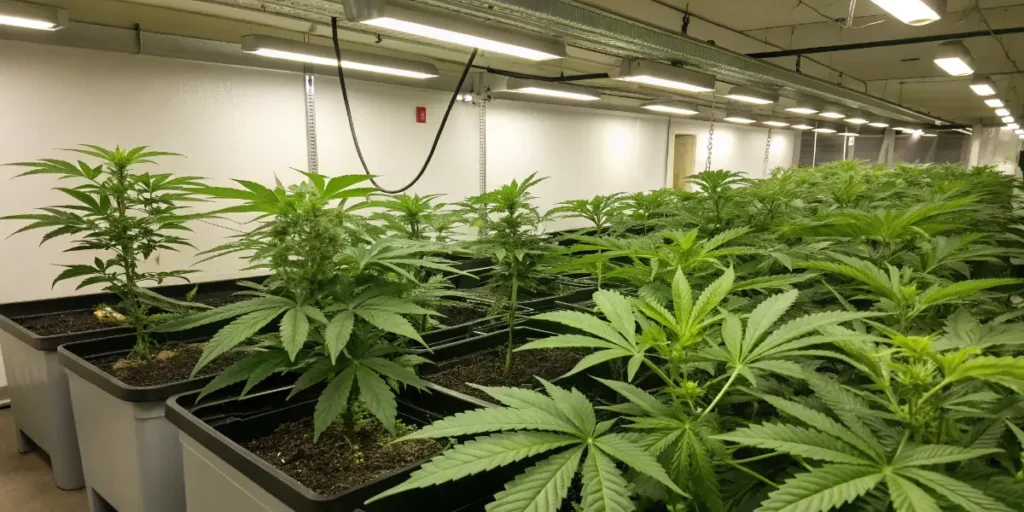
Germinating this strain involves providing the optimal environment for seed sprouting, which is essential for successful cannabis cultivation. Start with quality seeds and place them in a damp paper towel or a seedling starter kit. Maintain a temperature between 70-85°F and ensure it remains moist but not soaked. This step is critical for promoting healthy seedlings with robust growth potential.
Once the seeds have germinated, transfer them to small pots filled with a light, airy substrate. Expert growers recommend keeping the medium consistently moist and providing sufficient light to encourage strong root systems. This stage lays the foundation for the plant’s full development, which will eventually result in large, aromatic buds rich in terpenes.
Propagation of this variety can also be done via cloning, a method favored for maintaining genetic consistency. To prepare cuttings, use a sterilized blade to snip a healthy branch from a mature plant. Plant these cuttings in a rooting hormone and a growth medium to stimulate root development. Temperature and humidity control is vital during this phase.
Once your clones or seedlings are established, they can be transferred to larger containers or directly to your garden. With Purple Haze, attention to detail in these early stages will significantly affect the overall yield and quality at harvest. Cultivators should strive for a supportive environment with appropriate nutrition, light, and water for optimal growth.
Vegetative Stage: Nurturing Your Purple Haze Plants
During the vegetative stage, this strain requires careful attention to ensure robust growth. Adequate lighting is crucial; growers should aim for 18 to 24 hours of light per day. This variety thrives under full-spectrum LED lights. Maintain a temperature of 70-85°F, as it encourages vigorous development. Consistent airflow can prevent mold and pests, essential for healthy cannabis cultivation.
Nutrients play a significant role in nurturing the plant. A balanced regimen of nitrogen, phosphorus, and potassium is essential during this phase. Growers should ensure proper soil acidity, maintaining a pH level of 6.0 to 6.5 to optimize nutrient uptake. Regular watering is vital, but avoid over-saturation, as it can impair root health, ultimately affecting the quality of the buds at harvest.
Training techniques can be employed to maximize the yield of this cultivar. Low-stress training (LST) encourages horizontal growth, allowing better light penetration and optimized airflow. Pruning is another method that helps focus the plant’s energy on developing strong branches. Monitoring the growth regularly can prevent potential issues, ensuring Purple Haze reaches its full potential.
Terpene development begins in this stage, influenced by environmental factors. Adequate care fosters the aromatic compounds that define this strain’s unique profile. As the plant matures, fine-tuning conditions such as humidity and light can enhance terpene production. Consistent monitoring and adjustments contribute to the plant’s resilience, setting the stage for a successful transition into the flowering phase.
Flowering Purple Haze: What to Expect
As cannabis growers prepare for the flowering stage, recognizing what to expect with this strain is crucial. Typically, this stage lasts 8-10 weeks, during which the plant undergoes significant transformation. Growers should monitor environmental conditions, ensuring optimal light and humidity. These factors contribute to the development of dense buds and vibrant colors, hallmark features of this variety.
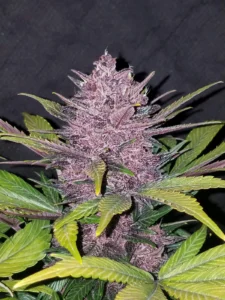
This cultivar is known for developing rich purple hues as it flowers, thanks to its unique genetics and terpene profile. To enhance these colors, maintaining cooler nighttime temperatures is beneficial. Additionally, consistent feeding schedules and proper nutrient levels will support bud development, resulting in a higher yield. Patience is key during this phase, as premature harvesting can affect the potency.
During flowering, the plant emits a distinctive fragrance, a blend of sweet and fruity notes with earthy undertones. This aromatic profile is due to its rich terpene content, which also contributes to the strain’s distinct effects. Growers should ensure proper air circulation and filtration systems to manage the aroma. Focusing on these aspects helps in producing high-quality cannabis.
As growers approach the harvest window, closely examining the trichomes is essential. Cloudy or amber trichomes indicate peak potency for this variety. Once ready, a careful harvest ensures the preservation of Purple Haze’s potent effects and unique flavors. Proper curing post-harvest will enhance the overall quality, providing a great experience for connoisseurs of this legendary strain.
Fertilizers & Nutrient Schedule
Feeding this variety properly is essential to ensure a healthy and bountiful harvest. Many growers find that a regular nutrient schedule tailored to the cannabis lifecycle is crucial. During the vegetative stage, focus on high nitrogen fertilizers to support its robust growth and development. This stage is critical for building a strong foundation for future buds.
As this strain transitions to the flowering stage, adjust the nutrient mix to increase phosphorus and potassium levels. These elements promote vibrant bud development and enhance terpene profiles. Organic fertilizers can be particularly beneficial for this cultivar, as they gently nourish the plant while supporting soil health, ultimately boosting overall yield.
Feeding should be coupled with regular watering practices to prevent nutrient burn. Pay close attention to the feeding schedule provided by your fertilizer manufacturer, but customize it to suit the unique needs of the plant. Monitoring pH levels ensures nutrients are effectively absorbed, leading to a successful cultivation outcome.
Experienced growers often recommend using supplements like calcium and magnesium to address micronutrient deficiencies common in cannabis. With careful attention to these details, Purple Haze will thrive, producing potent flowers rich in flavor and cannabinoids. Keeping a detailed record of feeding schedules and plant responses can significantly aid in optimizing growth for future cycles.
Pest and Disease Prevention for Healthy Cannabis Plants
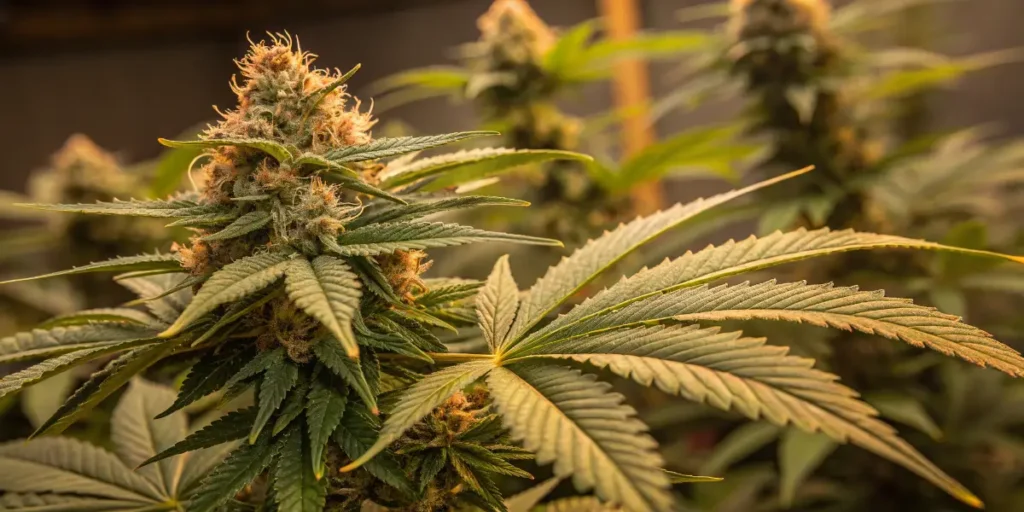
Maintaining the health of your cannabis plants is essential for ensuring a bountiful harvest. For growers cultivating this strain, using preventive measures is key. One effective approach is integrated pest management, which combines natural predators, like ladybugs, and biological control agents to protect the plant from common pests. Regular inspection and early detection are also crucial in safeguarding the buds and overall yield.
To prevent diseases, growers should focus on creating an optimal environment for this cultivar. Adequate air circulation and controlled humidity levels are vital to deter mold and mildew. Rotating crops and utilizing disease-resistant varieties can also contribute to a healthier cultivation environment. Additionally, selecting strains with robust genetics can minimize susceptibility to pathogens.
For enthusiasts growing Purple Haze, it is important to maintain stringent hygiene practices. Sterilizing tools and equipment can prevent contamination, while organic treatments for pests and diseases help maintain the plant’s terpene profile. Employing these proactive strategies not only boosts the aromatic and therapeutic qualities of the buds but also ensures a fruitful harvest of this legendary variety.
Harvesting & Drying Purple Haze the Right Way
Harvesting the vibrant buds of Purple Haze requires timing and precision to maximize the quality and potency of the yield. Growers should monitor the trichomes closely, waiting until they become milky with a hint of amber. This is the ideal stage for harvesting, ensuring that the plant’s terpenes are at their peak, delivering the distinctive aroma and effects this strain is known for.
Once ready, the plant should be carefully cut to avoid damaging the precious buds. It’s advisable to harvest during the early morning hours when terpene levels are highest. Handling this variety gently is crucial, as rough treatment can cause the delicate trichomes to break, potentially affecting the potency and flavor that aficionados of this cultivar seek.
After harvesting, it’s important to dry the buds slowly in a cool, dark place with good air circulation. This helps to preserve the terpenes and cannabinoids, crucial for maintaining the overall quality of the cannabis. The drying process for this genetics should take about 7-10 days, allowing ample time for moisture to evaporate without compromising the integrity of the buds.
To complete the process, once dried, the buds should be cured in airtight containers for at least two weeks. This final step brings out the full potential of the aromatic profile and effects of Purple Haze. Regularly checking and burping the containers ensures optimal humidity levels are maintained, providing a smooth smoke and increased shelf life for this cultivar.
Purple Haze Strain Type: Indica, Sativa or Hybrid?
Purple Haze is a legendary cannabis variety known for its vibrant purple buds and uplifting effects. This strain is predominantly Sativa, offering an energetic and creative high ideal for daytime use. Growers appreciate its vigorous growth, while its whimsical name draws inspiration from iconic music. Recognizing the genetic makeup of this cultivar helps cultivators tailor their approach for optimal yield and potency.
Sativa traits in this variety lead to tall plants with elongated leaves, favoring warmer climates for thriving cultivation. Its typical flowering time ranges from 9 to 10 weeks, requiring patience from growers but rewarding them with rich terpene profiles. The plant’s resilience makes it a favored choice for both indoor and outdoor grows, making harvests potentially abundant with proper care.
This cultivar’s distinctive aroma brings notes of sweet berries and earthy spices, thanks to its diverse terpenes. While Purple Haze’s Sativa dominance is clear, some phenotypes may occasionally lean into hybrid territory, displaying subtly varied effects. Whether as a relaxing evening choice or creativity boost, recognizing this strain thoroughly enhances the growing experience and maximizes its remarkable potential.
Why Grow Purple Haze? Key Benefits for Cultivators
Growing this strain offers a range of benefits for cannabis cultivators. Known for producing vibrant, resinous buds, this variety thrives in both indoor and outdoor environments. Its adaptability makes it an attractive choice for growers looking to maximize their yield. The plant is recognized for its resilience, often requiring less maintenance, which allows it to flourish in various climates.
The allure of this cultivar lies not only in its striking appearance but also in its aromatic profile. Rich in terpenes, including myrcene and pinene, it delivers an enticing blend of earthy and fruity scents. Cultivators appreciate its quick flowering time, which leads to a timely harvest and allows for multiple grow cycles each year, increasing overall productivity.
Purple Haze stands out with its potent effects and high THC content, making it highly sought after in the cannabis community. Its euphoric and energizing properties make it popular among consumers, ensuring demand remains high. This variety’s commercial viability, combined with its robust growth characteristics, makes it an ideal selection for both novice and experienced growers aiming for success.
Potential Challenges When Growing Purple Haze
Growing this variety can be rewarding, but cultivators often face challenges due to its specific requirements. This strain prefers a stable climate with consistent temperatures, which can be difficult to maintain, especially for those in variable outdoor settings. Demanding in terms of nutrition, the plant requires a well-balanced feeding schedule to ensure optimal cannabis growth and eventual high-quality buds.
Maintaining a healthy humidity level is crucial when cultivating this cultivar. High humidity can lead to mold or mildew, particularly during the flowering phase, potentially damaging the precious buds. Therefore, vigilant monitoring is essential. Growers are advised to invest in reliable humidity control equipment to protect the integrity of the buds and ensure a successful harvest.
Another challenge associated with Purple Haze is managing its vigorous growth. This genetics tends to stretch significantly during the flowering phase, which can outgrow available vertical space. Employing techniques like topping or training can help manage this issue effectively. Ensuring sufficient space and appropriate light exposure will boost terpene production and overall yield, ultimately enhancing the quality of the final product.
Is This Strain Worth Buying? Here’s What You Need to Know
When considering whether Purple Haze is a worthwhile investment for your cultivation journey, it’s essential to examine its unique characteristics. This strain is renowned for its striking purple buds and a potent combination of terpenes that contribute to its distinctive aroma and flavor. Growers are often attracted to the plant’s vibrant aesthetics and promising harvest potential.
This variety flourishes in both indoor and outdoor settings and is favored by many for its relatively manageable growth requirements. The genetics of this cultivar offer a decent yield, making it appealing to both novice and experienced cultivators. Its resilience against certain common pests and diseases can significantly ease the cultivation process, providing less hassle during the growing cycle.
Despite its allure, it is crucial to consider your climate and setup, as this strain thrives in warm, sunny conditions. For those in suitable climates, Purple Haze is undoubtedly worth buying due to its robust yield and exceptional sensory qualities. Ultimately, the decision should align with your personal cultivation goals and environmental factors.
FAQs
What is the ideal climate for Purple Haze cultivation?
Purple Haze thrives in a warm and sunny environment, typical of Mediterranean climates. This strain prefers a temperature range of 70-80°F (21-27°C) with humidity levels around 40-50% during flowering. While it can be grown indoors, ensuring adequate sunlight or using high-quality grow lights is crucial for maximizing yield. Outdoor growers should note that this variety is best suited for regions without early frost.
What is the expected yield of Purple Haze?
The yield of Purple Haze can vary, but growers can generally expect moderate harvests. Indoor cultivation typically results in 1-2 ounces per square foot, while outdoor plants can yield up to 26 ounces per plant under optimal conditions. Proper nutrients and training techniques can significantly enhance productivity, making it essential to monitor and adjust growing conditions throughout its lifecycle for maximum yield.
How long is the flowering period for this variety?
This variety has a relatively short flowering period, ranging from 9 to 10 weeks. Indoor growers can control the light cycle to optimize flowering time, while outdoor growers should plan planting to coincide with natural seasonal changes. Paying close attention to the plant’s maturity will ensure harvesting at the optimal time for maximum potency and flavor.
What are common cultivation challenges with Purple Haze?
One of the main challenges when growing Purple Haze is maintaining the right environmental conditions. This plant is susceptible to mold and mildew if humidity is too high, especially in the later stages of flowering. Monitoring humidity, ensuring proper air circulation, and pruning excess foliage can help mitigate these issues effectively, promoting a healthy growth cycle.
What nutrient regime is best for this cultivar?
This cultivar benefits from a balanced nutrient regimen tailored to its growth stage. During the vegetative phase, Purple Haze appreciates higher nitrogen levels, while in flowering, phosphorus and potassium become more critical. Organic options or synthetic fertilizers like those with an N-P-K ratio closer to 4-8-6 can facilitate vibrant and healthy development.