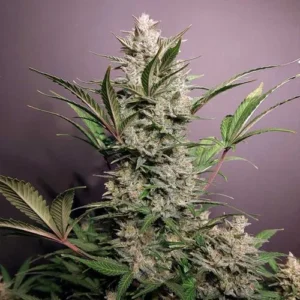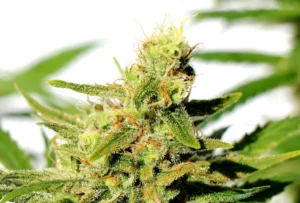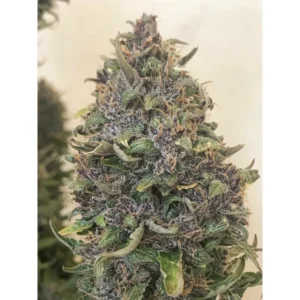
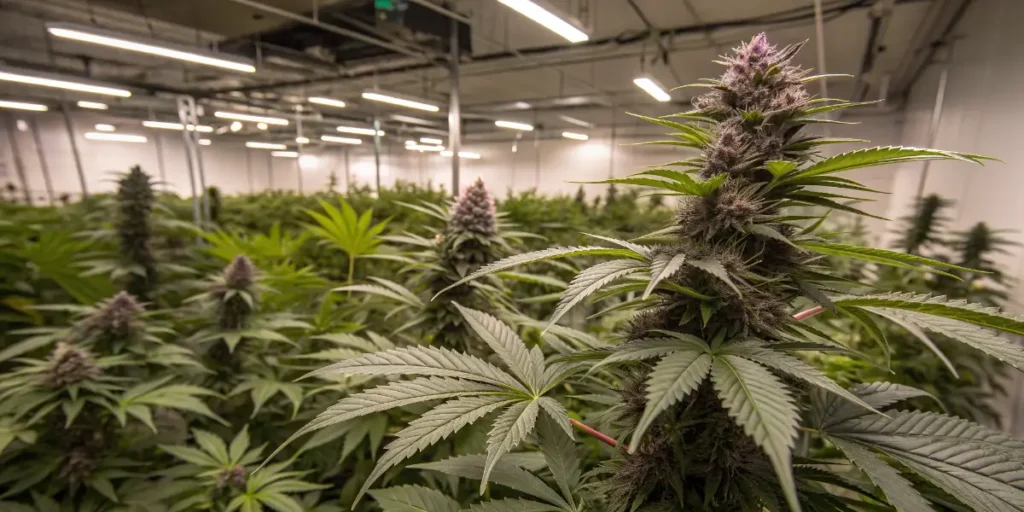

To successfully cultivate Purple Star Killer, start by providing a controlled indoor environment with adequate lighting and ventilation. The plant thrives best in temperatures between 68-77°F and prefers a relative humidity of 40-50%. During the initial stages, ensure the soil is well-drained and rich in organic nutrients to promote healthy root development and robust growth.
This cultivar responds well to consistent watering but avoids over-saturation. Implementing a schedule that allows the soil to dry slightly between waterings is crucial. Regular feeding with balanced nutrients supports its lush foliage and potent terpenes. Pruning is recommended to improve airflow, mitigating risks of mold and enhancing bud development during the vegetative phase.
Recommended Strains
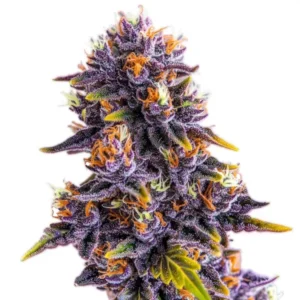
Purple Star Killer

|
THC | 25% - 29% (High) |

|
Lineage | Purple Kush x Star Killer |

|
Type | Feminized |

|
Height | 4.92 ft | 1.5 m |

|
Yield | High |

|
Yield Indoor | 1.64 - 1.8 oz/ft² | 500 - 550 g/m² |

|
Yield Outdoor | 35.27 oz/plant | 1000 g/plant |

|
Flowering Time | 8 - 10 weeks |

|
Phenotype | 70% Indica / 30% Sativa |

|
Medical | Arthritis, Insomnia, Pain |

|
Effects | Energetic, Focused, Relaxed |

|
Flavors | Earthy, Incense, Kush |
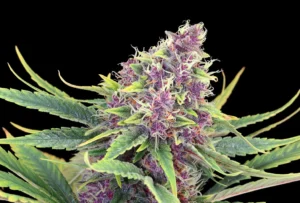
Purple Kush Seeds
|
|
THC | 22% - 23% (Medium) |
|
|
Lineage | Purple Kush x Black Domina |
|
|
Type | Feminized |
|
|
Height | 5.25 ft | 1.6 m |
|
|
Yield | High |
|
|
Yield Indoor | 1.31 - 1.64 oz/ft² | 400 - 500 g/m² |
|
|
Yield Outdoor | 24.69 - 28.22 oz/plant | 700 - 800 g/plant |
|
|
Flowering Time | 8 - 9 weeks |
|
|
Phenotype | 60% Indica / 40% Sativa |
|
|
Effects | Balanced |
|
|
Flavors | Earthy, Fruity, Sweet |
As the flowering stage approaches, monitor Purple Star Killer closely for signs of nutrient deficiencies or pest infestations. Adjust nutrient blends to boost phosphorus and potassium, essential for flower production. Harvest the buds when they reach full maturity, ensuring vibrant colors and dense structures, typical features of this variety. Prompt drying and curing enhance aroma and potency, solidifying your efforts in premium cannabis cultivation.
Purple Star Killer Strain Overview: Traits, Effects & Genetics
This strain is highly regarded among cannabis enthusiasts for its potent effects and unique characteristics. With a robust genetic background, this variety is a hybrid known for its deep purple hues and dense buds. The plant is a favorite among growers for its resilience and impressive yield, making it a solid choice for cultivators looking to maximize their harvest.
This cultivar has a terpene profile that leans heavily into earthy and sweet aromas, captivating the senses. The effects of it are predominantly relaxing, making it an excellent option for those seeking stress relief and relaxation. Known for both recreational and medicinal uses, this variety offers a broad range of benefits for various consumers.
Genetically, the plant is a blend of strains that contribute to its powerful effects and unique traits. Its lineage is crafted to enhance both the potency and flavor profile, making it a prized choice among cannabis connoisseurs. With proper cultivation, growers can achieve significant yields, taking advantage of this cultivar’s vigorous growth pattern and rewarding them with substantial returns.
Purple Star Killer stands out not only for its effects but also for its striking aesthetic appeal in the cannabis world. With its vivid coloration and rich aroma, it is as visually appealing as it is effective. Cultivators who opt to grow this strain are often rewarded with a harvest that delivers both in quality and quantity, solidifying its standing in the community.
Optimal Environment to Grow Purple Star Killer Successfully
To achieve a bountiful harvest with this strain, maintaining the right climate is crucial. Purple Star Killer thrives in a stable environment where temperatures remain between 70-80°F during the day and slightly cooler at night. Relative humidity should be monitored carefully, maintaining around 40-50% during the flowering stage to prevent mold, maximizing the plant’s potential.
Lighting plays a significant role in the successful cultivation of this cultivar. Using high-quality LED or HPS lights can provide the necessary spectrum for optimal growth. Ensure the light schedule is consistent, with 18 hours of light during the vegetative stage and 12 hours of darkness in the flowering phase to encourage robust cannabis buds development.
A well-draining growing medium is essential for this variety. Whether you choose soil or a hydroponic setup, make sure it offers proper aeration and drainage to support healthy root growth. Nutrient management should be balanced, focusing on higher nitrogen during vegetative growth and increased phosphorus and potassium during flowering to enhance terpenes and yield.
Ventilation is often overlooked but critical in preventing issues such as mold and mildew. Ensure that this plant has adequate airflow, which helps strengthen the branches and supports the overall structure. Investing in fans to maintain air movement and a carbon filter for odor control can create a suitable environment for Purple Star Killer to flourish seamlessly.
Grow Room Setup for Purple Star Killer Plants
To cultivate this strain successfully, growers must first consider the optimal environment. Temperature and humidity are crucial for the development of healthy buds. Aim for a temperature range between 70-85°F and maintain humidity levels at 40-50% during the flowering stage. Proper ventilation is essential to prevent mold and ensure robust growth.
Lighting plays a pivotal role in the cultivation of this variety. High-Intensity Discharge (HID) lights or full-spectrum LED lights can boost yield and enhance terpene profiles. Adjustable lights allow growers to mimic natural sunlight conditions. Ensure the lights are placed at the right distance to avoid burning the foliage while still providing adequate coverage.
This cultivar thrives in well-aerated soil. Organic mixes rich in nutrients promote root health and improve overall growth dynamics. Alternatively, hydroponic systems can be used for increased control and potentially quicker harvests. Whichever medium you choose, ensure that nutrients are balanced to support the plant’s life cycle.
The grow room setup isn’t complete without considering pest management. Regular inspections help prevent infestations that can compromise yield and quality. Using organic pest control methods whenever possible, protects both the plant and the environment. With these essential setups, growing Purple Star Killer can lead to a successful and abundant harvest.
Indoor Growing Tips for Purple Star Killer
For successful cultivation of this strain indoors, maintaining optimal environmental conditions is crucial. Ensure a temperature range of 70-85°F and humidity between 40-50% to foster healthy growth. Growers should provide the plant with 18-24 hours of light during the vegetative stage and transition to 12 hours during flowering. Proper air circulation helps prevent mold and optimizes terpene development.
This variety thrives in nutrient-rich soil or a well-balanced hydroponic setup. Regular feeding with a high-quality cannabis fertilizer can boost yield and promote robust buds. Monitor pH levels to ensure nutrient absorption, aiming for a range of 6.0-6.5 in soil or slightly lower in hydroponics. Adequate spacing between plants encourages airflow and maximizes light exposure.
Growers should pay attention to pruning and training techniques such as topping and low-stress training to maximize this cultivar’s potential. These methods help manage the plant’s vertical growth and improve light penetration, contributing to a more bountiful harvest. As harvest approaches, reducing humidity and maintaining consistent temperatures will help bring out the desirable terpene profile in this genetics.
Outdoor Growing Tips for Purple Star Killer
For successful cultivation of this strain outdoors, selecting the right location is crucial. This variety thrives in warm, sunny climates, making sure the plant receives plenty of sunlight throughout the day is key. Additionally, good airflow and well-draining soil will promote healthy growth and help in maximizing yield. Regularly checking the site conditions will aid growers in adjusting to the plant’s needs promptly.
When considering the nutrients for this cultivar, balanced fertilizer that supports bud development is essential. Introducing organic matter like compost can enrich the soil, boosting overall plant health. Growers should monitor the nutrient levels throughout the growing season to ensure the plant maintains vigor. Combining this strategy with consistent watering routines will further enhance terpene profiles, resulting in aromatic, potent buds.
Close observation for pests and diseases is necessary as they can significantly impact the harvest quality. Implementing natural pest control methods and regular pruning can help prevent infestations and promote air circulation within the canopy. Toward the end of the season, keeping the conditions dry will ensure the buds mature properly, optimizing the yield and potency of this carefully cultivated cannabis variety.
How to Germinate & Propagate Purple Star Killer
When germinating Purple Star Killer, start with quality seeds to maximize success. Soak the seeds in water for 12-24 hours until they swell. This step is crucial for any cannabis cultivation as it activates the growth process. After soaking, transfer the seeds to a damp paper towel until roots emerge, usually within 48 to 72 hours.
Once the seeds have sprouted, carefully plant them in starter pots filled with light, airy soil. Maintain a temperature of 70-80°F and ensure adequate humidity. This cultivar thrives in stable conditions, promoting vigorous seedling development. A gentle light source helps young plants grow strong, preparing them for the more intense light of their future growing environment.
Propagation of this genetics can also be achieved through cuttings. Carefully cut healthy branches from a mature plant to produce clones of this variety. Place each cutting in a rooting hormone and plant it in a moist growing medium. Consistent temperature and humidity will encourage root development, ensuring successful clone establishment.
Caring for these propagations involves providing the right nutrient balance tailored for cannabis. Use a mild nutrient solution to support early growth stages, keeping the medium damp but not waterlogged. The plant will thrive with good care, leading to robust health and, ultimately, a bountiful harvest of resinous buds rich in terpenes.
Vegetative Stage: Nurturing Your Purple Star Killer Plants
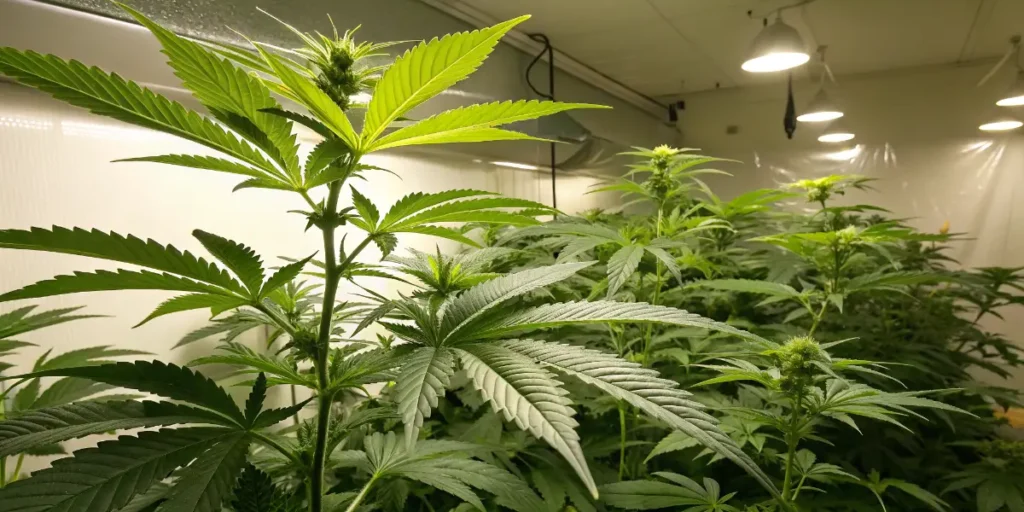
The vegetative stage is crucial for ensuring a robust growth of your Purple Star Killer plants. During this period, focus on providing adequate light, as cannabis thrives with around 18-24 hours of illumination. Choose high-quality grow lights that mimic natural sunlight. This cultivar benefits greatly from a well-balanced nutrient solution rich in nitrogen to support its leafy expansion.
Ensuring a proper watering regimen is vital for this strain. Over-watering can hinder development, so aim for consistency, allowing the soil to dry out between waterings. Improve aeration by ensuring the growing medium is loose and well-draining. Regular inspection of the plant’s leaves will help you catch any signs of nutrient deficiencies early.
This variety demands sufficient space to grow without constraints. A plant that is cramped might not achieve its full potential. Keep in mind, pruning and topping can help mold the plant’s shape and encourage denser buds. Regularly assess the growth to manage height and width effectively, facilitating better light penetration.
Environmental conditions play a pivotal role during cultivation. Maintain temperatures between 70-85°F and humidity levels around 50-70%. Regular air circulation is essential to prevent mold and pests. Monitoring these conditions will bolster the plant’s vitality, setting up a promising foundation for a bountiful harvest and rich terpene profile as the plant matures.
Flowering Purple Star Killer: What to Expect
As your cultivation of Purple Star Killer progresses to flowering, anticipate a transformation both visually and aromatically. This stage usually kicks in after about eight weeks of vegetative growth. The plant begins to prioritize bud development, creating dense clusters adorned with trichomes. Careful manipulation of nutrients and light exposure will maximize the potential yield of this strain.
This cultivar is known for producing large, potent buds that exude a rich aroma due to its complex terpene profile. Floral and earthy scents dominate, intertwined with hints of spice. Growers will notice a noticeable increase in resin production during this phase, which is crucial for enhancing the potency and flavor of the final product.
The plant’s structure plays a critical role in supporting weighty buds during flowering. Purple Star Killer tends to develop robust branches capable of bearing substantial yields. Regular pruning and training techniques, such as topping or LST, can help manage its growth and ensure even light distribution, promoting healthier bud formation across the canopy.
As harvest approaches, monitor the maturation of the trichomes closely. They’ll transition from a clear to a milky state, indicating optimal potency. Timing is key; harvesting Purple Star Killer just as trichomes begin to turn amber ensures a balanced effect profile. This period requires keen observation for arewarding final cultivation outcome.
Feeding Purple Star Killer: Fertilizers & Nutrient Schedule
Nurturing the optimal growth of this strain involves recognizing its specific nutritional needs. Cannabis cultivation demands a well-balanced feeding regimen to ensure robust growth and a prolific harvest. For this particular variety, growers should focus on providing a balanced mix of macronutrients nitrogen, phosphorus, and potassium during its vegetative stage to promote healthy foliage development.
As the plant transitions into the flowering phase, adjusting the nutrient schedule is crucial. This cultivar benefits from a reduced nitrogen intake and an increase in phosphorus and potassium, which supports bud formation and enhances terpene production. An effective feeding strategy will maximize its yield and produce dense, resinous buds characterized by the unique attributes of Purple Star Killer.
Using quality fertilizers specifically designed for cannabis is highly recommended for feeding this cultivar. Organic options, such as compost teas and fish emulsion, can provide essential nutrients while maintaining soil health. However, synthetic alternatives can also be effective if applied correctly. Regular monitoring of the plant’s response to the nutrient schedule ensures any necessary adjustments for optimal growth.
Moreover, growers should be vigilant for signs of nutrient deficiencies or overfeeding, such as yellowing leaves or burnt tips. Adjusting the nutrient concentrations and maintaining an adequate pH balance in the growing medium can prevent these issues. By attentively managing the nutrient regime, cultivators can achieve the high-quality harvests that Purple Star Killer is renowned for, producing aromatic and potent buds.
Pest and Disease Prevention for Healthy Cannabis Plants
Ensuring the health of cannabis plants, like Purple Star Killer, starts with diligent prevention methods. Growers should maintain cleanliness in cultivation areas to minimize pest infestations. Regular inspections of leaves and buds help in early detection of pests and diseases. Moreover, using high-quality soil and proper airflow can prevent pathogen growth in this strain, contributing to a successful yield.
For this variety, implementing organic pest control methods, such as neem oil or insecticidal soap, can effectively deter pests without harming the plant. Companion planting with herbs like basil and mint serves as a natural defense mechanism. Encouraging beneficial insects, like ladybugs, into the garden further assists in controlling pest populations, thus protecting this cultivar throughout its growth cycle.
Promoting plant health is crucial for preventing diseases. Growers should ensure proper watering practices to avoid root rot, a common issue in cannabis cultivation. Additionally, monitoring humidity and temperature in the growing environment helps maintain an optimal condition for this genetics, preventing fungal diseases. By practicing these prevention techniques, cultivators can anticipate a rewarding harvest with rich terpenes and robust buds.
Harvesting & Drying Purple Star Killer the Right Way
Knowing the right time to harvest is crucial for maximizing the yield and quality of your cannabis. With Purple Star Killer, growers should observe the trichomes using a magnifying glass. When most are milky white with a few turning amber, it signals the optimal time to harvest. This cultivar has a reputation for its potent effects and rich terpene profile.
Once you’ve determined the right moment, use sharp scissors to cut the branches carefully. It’s advisable to trim the large fan leaves immediately, as this aids airflow and speeds up the drying process. The plant’s buds are dense and resinous, requiring meticulous handling, which helps preserve the unique character of this strain and ensures the highest quality in the final product.
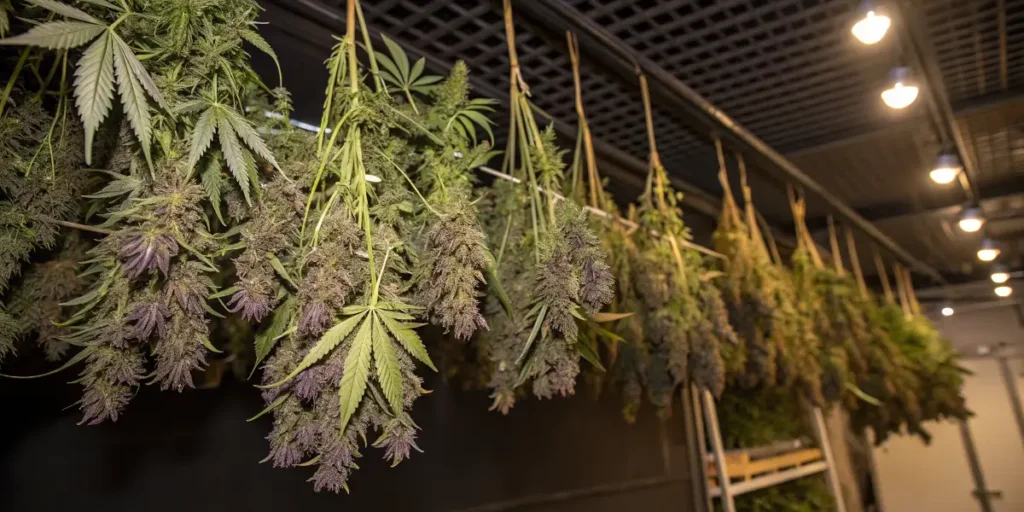
For drying, hang the branches upside down in a dark, well-ventilated room. Aim for a temperature between 60-70°F and maintain a humidity level around 50%. This method ensures the buds retain their cannabinoids and terpenes effectively. Growers should allow this variety to dry over a period of 7-14 days, checking regularly for aroma and texture changes.
When the buds feel dry to the touch and the stems snap rather than bend, it’s time to start the curing process. Curing further enhances the flavor and potency of the plant. Store the buds in airtight containers, opening them daily for the first couple of weeks to release excess moisture. Proper harvesting and drying of Purple Star Killer ensure a premium end product.
Purple Star Killer Strain Type: Indica, Sativa or Hybrid?
Purple Star Killer is an intriguing strain that captivates growers and enthusiasts with its unique profile. As a hybrid, this plant draws from both indica and sativa genetics, offering a balanced experience. The buds of this variety typically display dense indica characteristics while maintaining the uplifting cerebral effects often associated with sativa strains, making it appealing for various cultivation purposes.
This strain’s hybrid nature makes it adaptable to different growing environments. It generally has a robust growth pattern and a relatively short flowering period, typical of indica-dominant cultivars. Growers can expect a rewarding yield due to the plant’s hardy nature and vigorous development, which is a benefit in both indoor and outdoor cannabis cultivation setups.
Beyond its growth characteristics, this cultivar is known for its rich terpene profile, contributing to its distinctive aroma and flavor. The combination of indica resilience with sativa stimulation in this genetics results in a versatile plant, suitable for growers aiming for a bountiful harvest. Purple Star Killer stands out due to its balanced nature, making it favored among those seeking both productivity and enjoyable effects.
Why Grow Purple Star Killer? Key Benefits for Cultivators
Growing the Purple Star Killer strain offers a unique appeal to cultivators due to its robust growth characteristics and eye-catching buds. This cultivar is known for producing dense flowers rich in terpenes, which contribute to its potent aroma and flavor profile. Ideal for both novice and experienced growers, it adapts well to various cultivation methods, ensuring a rewarding harvest.
This variety boasts a high yield potential, making it an attractive option for commercial and personal growers alike. Its resilience to common pests and mold means less worry during the cultivation process, allowing growers to focus on optimizing growing conditions. Additionally, it thrives in both indoor and outdoor environments, providing versatility for different growing setups.
The genetic lineage of Purple Star Killer ensures it delivers consistent and satisfying results, with buds that are not only visually appealing but also potent. This strain’s terpene profile enhances its overall effects, which are favored by many cannabis enthusiasts. By choosing this plant, cultivators are investing in a reliable and rewarding cultivation experience.
Potential Challenges When Growing Purple Star Killer
Growing cannabis, particularly this strain, can present various challenges for cultivators. One significant issue growers may encounter is maintaining the optimal humidity levels. The plant prefers a specific range to ensure robust growth and prevent mold during the flowering stage. Ensuring proper ventilation in the grow space will help manage moisture and safeguard the buds from potential rot issues.
Another common challenge with this cultivar is nutrient management. The plant is sensitive to overfeeding, which can lead to nutrient burn, stunting growth and reducing the potential harvest. It’s crucial to monitor the nutrient levels closely, starting with a balanced base and adjusting as necessary. Implementing a systematic fertilization schedule can aid in maximizing the yield and enhancing terpene profiles.
Purple Star Killer, like many cannabis genetics, can also be susceptible to pests. Regular inspection is essential to catch any infestations early, such as aphids or spider mites. Introducing natural predators or using organic pest control methods can keep these nuisances at bay. By maintaining a clean and controlled growing environment, growers can ensure the plant remains healthy and productive throughout its lifecycle.
Is Purple Star Killer Worth Buying? Here’s What You Need to Know
Purple Star Killer is a top choice for cannabis enthusiasts looking for a unique experience. Known for its robust growth and vibrant buds, this strain offers a rewarding cultivation journey. Growers value this variety for its impressive yield and resilient genetics, making it suitable for both novices and seasoned cultivators. The plant’s dense buds are filled with aromatic terpenes, heightening its appeal.
When considering whether to invest in this cultivar, its desirable characteristics should be noted. This strain’s flowers boast a rich and complex terpene profile, producing an unforgettable aroma and taste. Additionally, the plant’s structure supports healthy growth, adapting well to various environmental conditions. With proper care, growers can expect a successful harvest, making it a reliable addition to any garden.
Purchasing this variety can be rewarding for those seeking both potency and beauty in a cannabis plant. Known for its strong genetics, it consistently delivers a satisfying yield with quality buds. For enthusiasts eager to experience new and intriguing strains, this one offers an exceptional experience. With its remarkable attributes, this cultivar continues to captivate and satisfy the curiosity of growers worldwide.
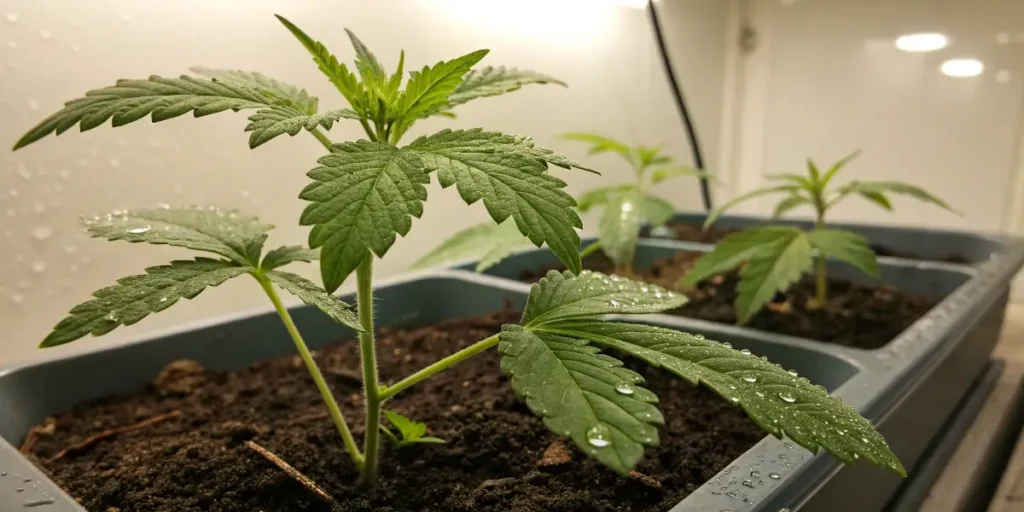
FAQs: Growing Purple Star Killer
What is the ideal climate for growing Purple Star Killer?
Purple Star Killer thrives best in a controlled indoor environment where temperature and humidity can be meticulously regulated. For outdoor cultivation, a Mediterranean-like climate with warm days and cooler nights is ideal. This strain needs abundant sunlight and minimal exposure to harsh weather conditions. Proper ventilation and air circulation are essential to prevent mold and mildew, which this variety can be susceptible to in overly humid conditions.
How much yield can I expect from this strain?
When grown in optimal conditions, Purple Star Killer can produce a high yield. Indoor growers might expect approximately 400-500 grams per square meter, while outdoors, the plant can give upwards of 600 grams per plant. Adequate nutrients, light, and care will significantly influence the yield potential, allowing this cultivar to flourish and maximize its production capabilities.
What is the flowering time for Purple Star Killer?
This strain has a relatively short flowering period, ranging between 8 to 9 weeks. It is crucial to monitor the plant closely as the flowering phase progresses, ensuring that environmental conditions remain optimal. This swift flowering time is beneficial for growers looking to achieve multiple harvests per year, as it allows a faster turnaround compared to other varieties.
What common problems might occur with this variety?
Purple Star Killer is generally sturdy but can face issues like mold, mildew, and nutrient deficiencies. Monitoring humidity levels and using proper ventilation help mitigate mold risks. Regularly check for signs of nutrient burn or deficiencies in the plant’s leaves. Implementing a balanced feeding schedule and observing the plant’s response can help avoid these common pitfalls, ensuring healthy growth.
What are the nutrient requirements for this cultivar?
To support robust growth, Purple Star Killer benefits from a balanced diet of nitrogen, phosphorus, and potassium, along with essential micronutrients. During the vegetative stage, a higher nitrogen concentration is beneficial, while in flowering, increased phosphorus and potassium support bud development. Adjust nutrient levels based on the plant’s life cycle and always start with lower doses, gradually increasing to avoid nutrient burn.