

To cultivate SnowBud successfully, start by selecting high-quality seeds or clones. This strain thrives in both indoor and outdoor settings, but it prefers a cooler climate due to its origins. Ensure the soil is rich in nutrients, and maintain a consistent watering schedule to support the plant’s development. Proper ventilation and lighting are crucial for this variety to flourish indoors.
This plant benefits from regular pruning to enhance airflow and light penetration, which aids in bud development. Use a balanced nutrient mix to support robust growth during the vegetative stage. As the cannabis progresses into its flowering phase, switch to a formula rich in phosphorus and potassium to maximize yield and terpene production.
Recommended Strains
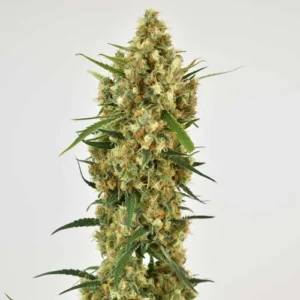
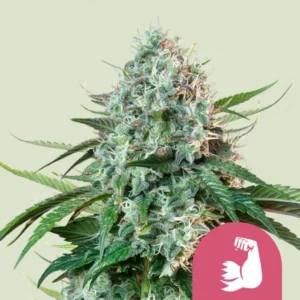
SnowBud

|
THC | 10% - 15% (Medium) |

|
Lineage | Afghani X South African genetics |

|
Type | Feminized |

|
Height | 6.56 ft | 2 m |

|
Yield | Medium |

|
Yield Indoor | 0.98 - 1.31 oz/ft² | 300 - 400 g/m² |

|
Yield Outdoor | 10.58 - 12.35 oz/plant | 300 - 350 g/plant |

|
Flowering Time | 7 - 9 weeks |

|
Phenotype | 50% Indica / 50% Sativa |

|
Effects | Relaxed, Focused, Creative |

|
Flavors | Nutty, Earthy, Pine |

Holy Snow
|
|
THC | 20% - 24% (High) |
|
|
Lineage | Hawaiian Snow x Holy Punch |
|
|
Type | Feminized |
|
|
Height | 6.07 ft | 1.85 m |
|
|
Yield Outdoor | 24.69 oz/plant | 700 g/plant |
|
|
Flowering Time | 9 - 10 weeks |
|
|
Phenotype | 30% Indica / 70% Sativa |
|
|
Effects | Happy, Creative, Euphoric, Powerful, Relaxed, Talkative |
|
|
Flavors | Sweet, Fruity, Spicy |
Before harvest, monitor trichomes closely to determine optimal ripeness. For this cultivar, a blend of cloudy to amber trichomes will yield the best potency and flavor. After harvesting, dry the buds gradually in a controlled environment to preserve the cannabinoids and terpenes. Curing is the final step, enhancing the potency and flavor profile of your cannabis, ensuring a successful grow experience with this exceptional genetics.
SnowBud Strain Overview: Traits, Effects & Genetics
SnowBud is a unique cannabis strain known for its resilient growth and striking buds. This variety thrives in mountainous regions, making it a favorite among outdoor growers. The plant exhibits vibrant green buds covered with frosty trichomes, giving it its snowy appearance. Cultivation of this strain can be rewarding, offering a robust yield with minimal maintenance.
One of the noteworthy traits of this cultivar is its balanced effects, which cater to both recreational and medicinal users. Consumers of this plant often experience a mild euphoria paired with relaxed body sensations. It is also known to stimulate creativity, making it a versatile option for various activities. Its terpene profile contributes to a distinctive aroma that is both earthy and spicy.
Genetically, this strain boasts a 60% sativa and 40% indica mix, providing a well-rounded experience. The genetics of the plant enable it to flourish in diverse climates, further enhancing its appeal for various cultivation setups. Growers appreciate this variety not just for its resilience but also for the excellent quality of the harvest it offers.
For those interested in maximizing yield, focusing on optimal conditions and regular pruning can be beneficial. The adaptability of this cultivar allows it to perform well under various environmental factors, resulting in a ready supply of quality buds. As growers become more familiar with its needs, this strain can be a valuable addition to any cannabis collection.
Optimal Environment to Grow SnowBud Successfully
Creating the perfect environment for cultivating this strain starts with ensuring proper temperature and humidity levels. Ideally, growers should maintain temperatures between 68°F and 77°F, while keeping humidity levels around 40-50% during the vegetative stage. These conditions help the plant thrive and optimize nutrient absorption, leading to robust growth and the development of dense buds.
Lighting is another crucial aspect of successful cultivation for this variety. Full-spectrum LED lights are recommended, as they provide the necessary wavelength for photosynthesis without excessive heat. The plant benefits from 18-24 hours of light during the vegetative stage, while transitioning to 12 hours during flowering to promote blooming and terpene production.
Soil quality is equally important, with loamy soil enriched with organic matter serving as the ideal medium. It enhances aeration, drainage, and nutrient availability essential for this cultivar’s root development. Regularly monitoring soil pH, aiming for a range of 6.0-7.0, can prevent nutrient lockout, further enhancing the plant’s growth and eventual yield.
Proper ventilation ensures that SnowBud remains free from mold and pests. In an indoor setup, using oscillating fans can enhance air circulation, which helps in maintaining consistent temperature and humidity. Moreover, a clean growing environment can significantly reduce the risk of pests, ensuring a successful harvest with high-quality buds rich in aroma and flavor.
Grow Room Setup for SnowBud Plants
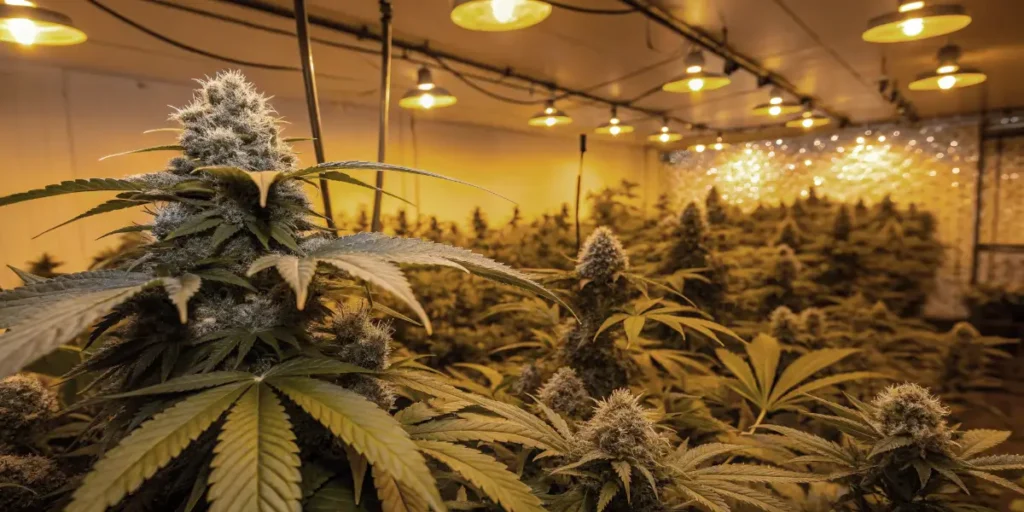
Creating the perfect grow room for this strain involves balancing multiple environmental factors. Firstly, ensure your space is thoroughly cleaned to prevent pests and mold, which can devastate cannabis cultivation. SnowBud thrives in a controlled environment where temperature is kept between 68-77°F (20-25°C). Investing in a reliable thermometer is essential for monitoring these conditions closely.
This cultivar requires a humidity level of around 40-50% during the vegetative stage, gradually decreasing to 30-40% as buds begin to form. By using a hygrometer alongside a humidity controller, growers can maintain these ideal conditions. Proper humidity not only helps in optimal growth but also enhances the terpene profile of the plant, leading to richer flavors at harvest.
Lighting is crucial for yielding potent cannabis buds. LED grow lights, celebrated for their efficiency, are recommended for cultivating this genetics. Position lights 18-24 inches above the canopy to ensure even distribution of light and energy absorption. Adjusting light cycles, with 18 hours of light during the vegetative phase and 12 during flowering, supports SnowBud’s growth cycle effectively.
Ventilation cannot be overlooked as it plays a vital role in maintaining airflow and temperature. Install oscillating fans to simulate natural breeze while preventing heat buildup from lights. A charcoal filter system can also help mitigate odors and purify the air, enhancing overall room conditions. With careful planning and execution, growers can achieve impressive yields and quality from this variety.
Indoor Growing Tips for SnowBud
For successful cannabis cultivation of this strain indoors, maintaining optimal temperature and humidity is crucial. The plant thrives at temperatures between 70-80°F with 40-50% humidity. Ensuring these conditions helps develop robust buds and healthier foliage. Investing in a quality dehumidifier and thermometer will aid growers in monitoring and adjusting the environment for this variety’s needs.
Lighting plays a pivotal role in the growth and yield of this cultivar. Utilize high-quality LED or HID lights to provide sufficient lumens for each growing stage. Begin with 18 hours of light during the vegetative phase, reducing to 12 for flowering. Properly positioning lights ensures even coverage, maximizing photosynthesis and enhancing terpene profiles.
As this genetics progresses, tailor feeding schedules to meet its nutritional demands. Employ a balanced nutrient solution rich in nitrogen during the vegetative stage, transitioning to higher phosphorus and potassium levels as it flowers. Additionally, training techniques such as topping and LST (Low-Stress Training) can boost yield, allowing the plant to branch out and optimize light exposure.
Outdoor Growing Tips for SnowBud
For successful outdoor cultivation of this strain, choosing the right location is paramount. Ensure the plant receives ample sunlight, ideally six to eight hours daily, to support optimal growth and bud development. It thrives in well-drained soil rich in organic matter, enhancing its nutrient uptake and overall health. Remember, balanced exposure to natural elements is vital for robust growth and terpene profiles.
Monitoring environmental conditions plays a critical role when growing this variety. This cultivar is hardy, but it’s important to protect it from extreme weather. Regularly check for pest activity and employ organic methods to keep infestations at bay. Proper air circulation around the plant will help prevent mold, a common issue in humid climates. Keeping these factors in balance will promote healthy yields.
Timing the harvest of this genetics is crucial to achieving the best results. Look for the optimal window when the buds are rich in trichomes and terpenes, striking a balance between potency and flavor. Typically, growers will find that observing the color of the pistils provides a reliable harvest cue. With careful attention to detail, harvesting the plant at the right moment ensures maximum yield and quality.
How to Germinate & Propagate
Germinating this strain begins with selecting high-quality seeds, ensuring that they are viable and ready for cultivation. To start, soak the seeds in distilled water for 12-24 hours to enhance their moisture levels and promote readiness for sprouting. Once soaked, transfer these seeds to a damp paper towel, maintaining a warm environment to encourage germination.
After germination, it’s crucial to plant the seeds in a suitable medium. Coconut coir, peat moss, or a light potting mix ensures excellent drainage and aeration for the new seedlings of this variety. Maintain consistent moisture but avoid overwatering, which can suffocate emerging roots. Position the seeds about half an inch deep in the soil, carefully covering them.
As this cultivar establishes itself, ensure it receives ample light. SnowBud seedlings require 18-24 hours of light daily, mimicking a spring growing environment. Fluorescent or LED grow lights are perfect for indoor settings, providing the required spectrum without excessive heat. Keep the lights close to the seedlings, approximately 2-3 inches away, promoting robust growth without stretching.
Once the seedlings develop a few sets of true leaves, focus on their propagation by considering topping or low-stress training techniques. These methods can enhance the yield and shape the plant’s structure. Continuously monitor growth conditions temperature, humidity, and airflow are crucial to keeping this plant healthy and resilient, ultimately leading to a bountiful harvest enriched with terpenes and well-formed buds.
Vegetative Stage: Nurturing Your SnowBud Plants
During the vegetative stage, nurturing your SnowBud plants requires keen attention to light and nutrient needs. This strain thrives under optimal lighting conditions, ideally 18-24 hours per day, to facilitate vigorous growth. Utilizing high-quality, nutrient-rich soil enhances root development and supports the plant’s health, laying the foundation for bountiful buds come harvest time.
Ensuring proper hydration is crucial for this variety, as consistent watering helps maintain its growth momentum. However, overwatering should be avoided to prevent root rot; instead, let the soil dry slightly between waterings. Employing a balanced nutrient schedule with a focus on nitrogen will promote lush, green foliage, essential for the strong structural development of your cannabis plants.
Temperature and humidity management play critical roles in the successful cultivation of this cultivar. Maintaining a temperature range of 70-85°F and humidity levels between 40-60% creates an optimal environment. Experienced growers often employ oscillating fans for air circulation, which helps prevent mold and ensures the even distribution of CO2 needed for robust growth.
Pruning techniques can enhance the yield of the plant by encouraging lateral growth and forming a bushier structure. Removing lower branches that receive less light improves overall energy efficiency, allowing the plant to direct resources toward forming dense, terpene-rich buds. By carefully monitoring its development, you can set the stage for a prosperous flowering phase and maximize your harvest potential.
Flowering SnowBud: What to Expect
When cultivating SnowBud, timing and environment play key roles during the flowering stage. This strain typically flowers over eight to ten weeks, offering growers ample time to observe its development. Monitoring temperature and humidity is crucial, as it thrives in moderate climates. Adjustments in these conditions can enhance its growth, resulting in healthier buds and improved yield.
This cultivar is known for producing dense, resinous flowers that are both aromatic and visually appealing. Throughout its flowering phase, the plant emits a unique blend of terpenes, contributing to its signature scent. Proper ventilation and lighting are vital to support these developments, helping the flowers to reach their full potential without the risk of mold or mildew.
To maximize the yield of this variety, regular feeding with appropriate nutrients is essential. Balanced fertilization supports the plant’s vigorous growth and resin production, which is critical for potent buds. Observing the plant’s foliage and adjusting its nutrient regimen accordingly facilitates optimal health, enhancing both the quality and quantity of the harvest.
The harvest period for this genetics signals a rewarding phase for growers. Recognizing the right time to harvest is crucial, as it bears directly on potency and flavor. Watching the trichomes for a cloudy appearance is a reliable indicator of maturity. By carefully timing the harvest, cultivators can ensure that SnowBud reaches its peak in cannabinoid and terpene profiles.
Fertilizers & Nutrient Schedule
To maximize the potential of this strain, it’s essential to provide a well-balanced nutrient schedule tailored for cannabis cultivation. Initially, the plant requires a higher nitrogen concentration to support its vegetative growth. During this stage, a nutrient mix that is high in nitrogen but also contains potassium and phosphorus will support healthy leaf and stem development, setting a strong foundation for future bud production.
As the plant transitions into the flowering stage, the nutrient needs shift significantly. At this point, it’s crucial to reduce nitrogen levels and increase the phosphorus and potassium content. This adjustment supports robust bud formation and enhances the overall yield. Proper nutrient ratios at this stage can also accentuate the rich profile of terpenes that define this cultivar, resulting in a more aromatic harvest.
Frequent monitoring and adjusting of the nutrient solution are important to avoid deficiencies or toxicities that can hinder growth. Utilizing pH-balanced water ensures that the nutrients are adequately absorbed by this variety. Growers can benefit from using organic fertilizers, which contribute to the overall health of the cannabis naturally, minimizing the risk of nutrient burn while promoting sustained growth throughout the life cycle of the plant.
Consistency in feeding schedules is vital for optimal results. Implementing a bi-weekly nutrient schedule can help the plant thrive throughout its life cycle. SnowBud requires diligence in observing the plant’s response to nutrient adjustments, as each genetics reacts uniquely. By dialing in the precise nutrient demands, growers can ensure a robust and fragrant yield, reflective of the hard work invested in cultivating this strain.

Pest and Disease Prevention for Healthy Cannabis Plants
For successful cannabis cultivation, maintaining healthy plants free from pests and diseases is crucial. Regular inspections are key in identifying early signs of trouble, allowing growers to act quickly. Integrated Pest Management (IPM) strategies work best, combining cultural, physical, and biological controls to manage threats effectively. Ensuring clean cultivation environments and proper sanitation can also help protect this strain and maximize its yield.
SnowBud, with its unique terpene profile, requires particular attention to pest and disease prevention to ensure a bountiful harvest. Keeping the growing area clean and controlling humidity can prevent mold and mildew, common issues for this strain. Regularly rotating plants and companion planting techniques can also deter pests naturally, safeguarding the buds’ quality throughout the growth cycle.
Introducing beneficial insects, such as ladybugs or predatory mites, can be an effective biological control method to protect this variety. Frequent monitoring and prompt intervention are essential to prevent potential infestations from affecting the plant’s overall health. By employing these preventative measures, growers can ensure that this cultivar thrives, ultimately enhancing both the quality and quantity of the harvest.
Harvesting & Drying SnowBud the Right Way
When cultivating SnowBud, it’s crucial for growers to pick the right time for harvest to maximize yield and potency. This strain typically reaches maturity around 8 to 9 weeks of flowering. To ensure the buds’ terpenes are fully developed, monitor the trichomes closely. Harvest when they change from clear to milky white, indicating peak resin and terpene production.
To begin the harvest, carefully cut each branch of the plant, avoiding damage to the buds. This cultivar benefits from a gentle touch to preserve its delicate trichomes. Once harvested, trim away the larger fan leaves while leaving the smaller sugar leaves intact. This strategic trimming helps improve airflow during the drying process while maintaining the buds’ potency.
Drying is a critical phase in the cultivation process of this variety. Hang the branches upside down in a dark room with a temperature range of 60-70°F (15-21°C) and humidity levels around 50%. This method ensures a slow and even drying, preserving the terpenes and cannabinoids. Proper drying prevents mold and enhances the overall quality of the cannabis.
After about a week, check the buds for dryness by bending small stems until they snap. Transfer them to airtight containers for curing, which further enhances the flavor and aroma. Open the containers daily to let excess moisture escape. With patience and care, this strain will deliver potent and aromatic buds that satisfy discerning growers.
SnowBud Strain Type: Indica, Sativa or Hybrid?
SnowBud is an intriguing cannabis cultivar that captures the attention of both new and experienced growers. Known for its ability to thrive in various climates, this variety gracefully balances between indica and sativa characteristics. The plant’s structure reflects a hybrid nature, offering growers a versatile and rewarding cultivation experience that highlights the best of both worlds in terms of growth patterns.
This strain is favored for its sturdy growth and resilience in various environments, making it ideal for growers seeking reliability. The plant tends to produce medium to large buds, which are sought after for their richness in terpenes. Its hybrid nature provides a strategic advantage, as it results in a balanced growth habit that can accommodate differing harvest schedules and methods.
For those cultivating this cultivar, recognizing its hybrid nature is crucial to maximizing yield. The genetic blend of this variety results in a robust plant that can adapt to diverse cultivation techniques. Its hybrid traits ensure a flexible approach, allowing growers to exploit both indoor and outdoor environments effectively. This adaptability makes it a highly desirable choice for growers looking to optimize their harvest.
Why Grow SnowBud? Key Benefits for Cultivators
One of the main reasons cultivators favor this strain is its resilience. SnowBud is known for its ability to thrive in various climates, making it ideal for growers seeking versatility in cultivation. The genetics of the plant allow it to resist pests and mold, ensuring a healthy crop and reducing the need for chemical interventions, which ultimately leads to more sustainable growing practices.
Another significant advantage of this variety is its generous yield. Cultivators appreciate this cannabis for its impressive production of dense, resinous buds. This cultivar not only promises a bountiful harvest but also offers an aromatic profile that is rich in terpenes, enhancing both the sensory and market appeal of the final product. Thus, it stands out in any cannabis garden for its productivity and quality.
Beyond its agronomic benefits, this genetics offers a well-balanced sensory experience that appeals to a broad range of consumers. Its unique combination of uplifting and relaxing effects has made it a favorite among both recreational and medicinal users. The plant’s distinct aroma and favorable bud structure contribute to its demand, ensuring that growers enjoy both commercial success and personal satisfaction when cultivating this remarkable strain.
Potential Challenges When Growing SnowBud
Growing this strain can present certain difficulties, especially for those new to cannabis cultivation. One of the key challenges includes managing the plant’s sensitivity to temperature fluctuations. SnowBud, known for its resilience, still requires a stable climate to optimize growth. Achieving this balance will help in developing rich terpenes and robust buds, essential for a successful harvest.
Another significant hurdle is maintaining a consistent humidity level. This variety is somewhat prone to mildew if exposed to overly humid environments. Growers should ensure proper air circulation, using fans and dehumidifiers if necessary. Doing so protects the plant and improves the quality of the yield. Regular monitoring can help prevent potential mold issues that might otherwise compromise the crop.
The final challenge revolves around nutrient management, as this cultivar can be sensitive to overfeeding. It’s crucial for growers to provide balanced nutrition without overwhelming it with fertilizers. Carefully adjusting nutrient levels and observing the plant’s response will enhance its growth. By addressing these aspects, growers can maximize both the yield and the quality of their SnowBud harvest.
Is This Strain Buying? Here’s What You Need to Know
When considering whether to invest in this strain, it’s crucial to evaluate its cultivation potential and overall appeal. Known for thriving in both indoor and outdoor environments, this variety is a favorite among growers for its robust nature. It typically produces medium-sized buds with a unique mix of terpenes, making it a versatile choice for various growing conditions.
This cultivar stands out due to its impressive yield and relatively easy maintenance. Growers appreciate that it requires minimal intervention, yet delivers a solid harvest. With the right care, the plant produces dense, resin-coated buds that emit a complex aroma. If you’re seeking a resilient cannabis strain, this one is definitely worth considering for your garden.
The decision to purchase SnowBud hinges on your personal preferences and cultivation goals. It offers potential for high rewards with its distinct characteristics and dependable harvest. Those who value a hardy plant that provides consistency and quality will find this genetics appealing. Consider your specific needs and whether this strain can meet those expectations before making a purchase.

FAQs
What is the ideal climate for growing SnowBud?
SnowBud thrives in cooler, mountain climates, reflecting its origins in Switzerland. This strain is well-suited for environments with consistent daylight and cool nights, which help develop its unique characteristics. When growing it indoors, maintain a temperature range of 65°F to 78°F. If outdoor cultivation is preferred, plant the seeds after the last frost and ensure a location that receives ample sunlight while offering protection from extreme weather conditions.
How long does SnowBud take to flower?
SnowBud typically enters its flowering stage around 8 to 9 weeks. Growers must monitor environmental conditions closely to maximize the plant’s yield during this period. Adequate lighting, humidity, and nutrient levels should be consistently maintained. Patience is key, as allowing this strain to reach full maturity ensures high-quality buds with robust terpene profiles, rewarding cultivators with its distinctive characteristics.
What kind of yield can growers expect from SnowBud?
This variety is known for providing moderate yields. Growing the plant indoors usually results in an average yield, though skilled growers using advanced techniques can increase output. Outdoors, this strain can produce higher yields, assuming the climate conditions mimic those in its native habitat. Regular pruning and optimal nutrient management are crucial to maximize productivity from this cultivar, ensuring healthy plant growth and generous harvests.
What nutrient needs does SnowBud have during its growth cycle?
SnowBud requires a balanced blend of nutrients throughout its vegetative and flowering stages. It benefits from higher nitrogen levels during the vegetative phase, which supports robust leaf and stem development. As it transitions to flowering, reduce nitrogen and increase phosphorus and potassium to promote bud growth. Regular feeding and monitoring prevent deficiencies, allowing growers to adapt quickly to any changing needs this plant might present.
What training techniques work well for this strain?
This strain responds well to training techniques such as Low Stress Training (LST) and topping, both of which help maximize light exposure and promote lateral growth. These methods enhance yields by enabling better light distribution across the canopy. Growers should start training the plant early in the vegetative stage for the best results, carefully monitoring its response to prevent stress and optimize overall plant health.