
Leaf chlorosis is a condition where the leaves of cannabis plants turn yellow due to a lack of chlorophyll. This can be alarming for growers, especially those cultivating prized strains like Pink Runtz, Runtz Muffin, and Green Gelato Auto from Growlantis. Chlorosis can indeed be dangerous if not addressed promptly, as it often indicates underlying issues that can compromise plant health and yield. In this guide, we’ll dive into what causes leaf chlorosis, how it affects your cannabis plants, and what you can do to remedy it.
What Causes Leaf Chlorosis in Cannabis Plants?
Leaf chlorosis can result from various factors, each impacting the plant’s ability to produce chlorophyll. This is crucial for photosynthesis, the process that allows plants to convert light into the energy they need to grow. Let’s explore some of the primary causes:
Recommended Strains
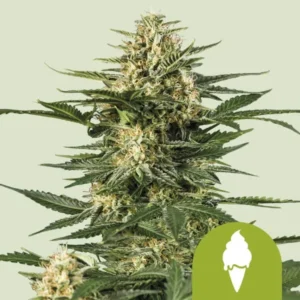
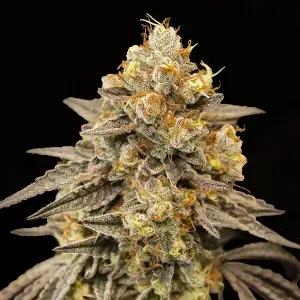
Green Gelato Auto

|
THC | 23% - 24% (High) |

|
Lineage | Green Gelato x Cookies Auto |

|
Type | Autoflowering |

|
Height | 3.61 ft | 1.1 m |

|
Yield | Medium |

|
Yield Indoor | 1.23 - 1.47 oz/ft² | 375 - 450 g/m² |

|
Yield Outdoor | 3.53 - 6.17 oz/plant | 100 - 175 g/plant |

|
Life Cycle | 7 - 8 weeks |

|
Phenotype | 40% Indica / 55% Sativa / 5% Ruderalis |

|
Effects | Focused, Relaxed |

|
Flavors | Candy, Earthy, Fruity |
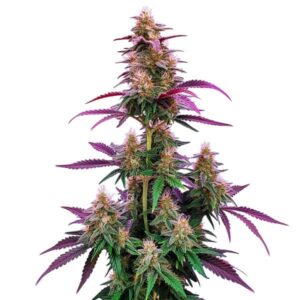
Pink Runtz
|
|
THC | 20% - 24% (High) |
|
|
Lineage | Pink Panties x Rainbow Sherbet |
|
|
Type | Feminized |
|
|
Height | 3.94 ft | 1.2 m |
|
|
Yield | Medium |
|
|
Yield Indoor | 1.15 - 1.31 oz/ft² | 350 - 400 g/m² |
|
|
Yield Outdoor | 15.87 - 19.4 oz/plant | 450 - 550 g/plant |
|
|
Flowering Time | 8 - 10 weeks |
|
|
Phenotype | 50% Indica / 50% Sativa |

|
Medical | Anxiety, Depression, Pain |
|
|
Effects | Creative, Euphoric, Happy |
|
|
Flavors | Berry, Spicy |
Another factor contributing to the causes of leaf chlorosis in cannabis plants is genetic predisposition. Some strains, like those offered by Growlantis, might have varying resistance levels to nutrient deficiencies and environmental stressors. For instance, while Green Gelato Auto is robust and quick flowering, Pink Runtz might require more meticulous care to avoid chlorosis. Recognizing the genetic requirements of these strains can help growers anticipate and mitigate potential issues related to chlorosis. Remember, the question is leaf chlorosis dangerous for cannabis plants? is often tied to how well you understand and cater to the specific needs of your chosen strain.
Nutrient Deficiency Leading to Chlorosis in Cannabis
A common cause of chlorosis is nutrient deficiency. Cannabis plants require a balanced diet of macronutrients like nitrogen, phosphorus, and potassium, alongside micronutrients such as magnesium and iron. When these are lacking, especially nitrogen, chlorosis can occur. For instance, the fast-growing Green Gelato Auto, known for its quick flowering time and impressive yield, may display yellowing leaves if not provided with adequate nutrients.
In practice, ensuring your plants receive balanced nutrients is key. Regularly testing your soil or hydroponic solution can help prevent deficiencies. For growers using soil, consider organic options that gradually release nutrients, ensuring consistent availability.
Soil pH Imbalance and Its Effects
The pH level of your soil or growing medium significantly affects nutrient absorption. Cannabis plants generally thrive in a pH range of 6.0 to 7.0. Outside this range, nutrients become less available, leading to nutrient lockout and chlorosis. Runtz Muffin, a strain celebrated for its high THC levels and rich terpene profile, requires careful pH management to avoid such issues.
An actionable tip is to regularly monitor and adjust your pH levels. This can be done using pH testing kits or digital pH meters. Adjustments might involve adding lime to raise pH or sulfur to lower it, ensuring optimal nutrient uptake.
Environmental Stressors and Chlorosis
Environmental factors such as temperature extremes, overwatering, and poor lighting can also contribute to chlorosis. Cannabis plants are sensitive to their surroundings; too much water can suffocate roots, while insufficient light limits photosynthesis. Pink Runtz, known for its fruity aroma and balanced effects, can suffer if not grown in stable conditions.
To mitigate environmental stress, maintain consistent temperatures and humidity levels. Use fans or dehumidifiers as needed, and ensure adequate light exposure, especially for indoor grows. This proactive approach can help prevent stress-induced chlorosis.
Signs of Chlorosis in Cannabis Plants
Identifying chlorosis early is crucial for effective intervention. Here’s what to look for:
Alongside yellowing leaves, one of the first signs of chlorosis in cannabis plants is the appearance of interveinal chlorosis, where the areas between the veins turn yellow while the veins themselves remain green. This specific pattern can help growers pinpoint nutrient deficiencies, such as magnesium or iron, which are common culprits. Observing these patterns in strains like Runtz Muffin can help growers tailor interventions, ensuring the plant’s health is restored before chlorosis becomes dangerous. Consistent monitoring for these early signs is vital in maintaining the health and yield potential of your cannabis plants.
Yellowing of Leaves
The most obvious sign of chlorosis is the yellowing of leaves. This often starts at the edges and spreads inward. In the case of Green Gelato Auto, early detection can prevent yield loss and maintain its rapid growth cycle. Observing your plants daily can help catch these changes early.
Regularly inspect your plants for uniform coloration. If yellowing occurs, assess potential causes such as nutrient deficiencies or pH imbalance. Early diagnosis allows for timely corrective actions.
Stunted Growth
Chlorosis can lead to stunted growth, as the plant’s energy production is compromised. For high-yielding strains like Runtz Muffin, this can significantly affect the final harvest. Monitoring growth patterns and comparing them to expected benchmarks can help identify issues.
If growth seems slower than expected, re-evaluate your plant care routine. Ensure that all environmental conditions are conducive to healthy growth and adjust as necessary.
How to Treat Leaf Chlorosis in Marijuana
Once chlorosis is diagnosed, it’s essential to act quickly to mitigate its effects. Here’s how:
When learning how to treat leaf chlorosis in marijuana, it’s crucial to focus on a well-rounded approach rather than a single solution. First, assess the overall health of your plants, including their nutrient intake, pH levels, and environmental conditions. For instance, Pink Runtz may benefit from a tailored feeding schedule that addresses its specific nutrient needs. Additionally, consistent record-keeping of interventions and plant responses can guide future actions, providing insights into what works best for your strains. This holistic approach ensures that your cannabis plants recover efficiently and continue to thrive.
Adjusting Nutrient Levels
Correcting nutrient deficiencies is a primary step. For strains like Pink Runtz, which benefits from a rich nutrient profile, this can mean the difference between a robust plant and a struggling one. Use a balanced fertilizer, paying attention to the specific needs of each growth stage.
Regularly supplementing with specific nutrients like nitrogen or magnesium can address deficiencies. Consider foliar feeding for a quick fix, as this allows nutrients to be absorbed directly through the leaves, bypassing potential soil issues.
Balancing Soil pH
Ensuring your soil or growing medium is within the ideal pH range is critical. For Green Gelato Auto, maintaining this balance supports its vigorous growth and high yield potential. If testing reveals an imbalance, take immediate steps to correct it using appropriate amendments.
Consistent pH management practices, such as routine testing and gradual adjustments, can maintain a stable growing environment, preventing future occurrences of chlorosis.
Optimizing Environmental Conditions
Creating a stable growing environment is vital for preventing chlorosis. Runtz Muffin flourishes in well-managed conditions, showcasing its full potential in both THC content and aroma. Ensure your grow area has adequate ventilation, appropriate lighting, and stable temperatures.
Invest in quality equipment to monitor and control environmental factors. This proactive approach not only prevents chlorosis but also enhances overall plant health and productivity.
Impact of Chlorosis on Cannabis Yield
Chlorosis can have a significant impact on cannabis yield, affecting both the quantity and quality of the harvest. For strains like Pink Runtz, known for its high-quality buds, chlorosis can reduce the density and potency of the flowers.
Evaluating the impact of chlorosis on cannabis yield is essential for growers focused on maximizing their harvest. Chlorosis not only affects the visible aspects of plant health but also the internal processes such as photosynthesis, directly impacting the plant’s ability to produce energy. In strains like Green Gelato Auto, this can mean the difference between a bountiful harvest and a disappointing one. By addressing chlorosis promptly, you ensure that your plants can achieve their full potential, enhancing both yield and quality. This proactive approach answers the question of whether leaf chlorosis is dangerous for cannabis plants with a resounding affirmation of its critical nature.
Reduced Bud Development
Chlorosis interferes with photosynthesis, leading to reduced energy production. This can result in smaller, less developed buds. For high-yielding strains such as Runtz Muffin, this can mean a noticeable decrease in harvest volume.
Addressing chlorosis promptly ensures that your plants can produce the dense, potent buds they’re capable of. This not only maximizes your yield but also preserves the strain’s unique characteristics.
Effect on Cannabinoid and Terpene Profiles
The stress associated with chlorosis can alter the cannabinoid and terpene profiles of cannabis plants. Green Gelato Auto, celebrated for its sweet flavor and balanced effects, may not express these traits fully if stressed by chlorosis.
Maintaining plant health throughout the growth cycle ensures that your cannabis develops its full range of desirable traits. This is particularly important for strains known for specific effects or flavors.
Prevention Strategies for Leaf Chlorosis
Preventing chlorosis is often more straightforward than treating it. Implementing proactive strategies can safeguard your cannabis plants and ensure a healthy, productive growth cycle.
One of the most effective prevention strategies for leaf chlorosis involves integrating technology into your growing practices. Utilizing tools like automated nutrient dispensers and environmental sensors can provide real-time data, helping to maintain optimal growing conditions. For example, strains from Growlantis like Pink Runtz can thrive when environmental conditions are consistently monitored and adjusted. This technological approach not only answers the question is leaf chlorosis dangerous for cannabis plants? by highlighting its seriousness but also equips growers with the means to prevent it effectively. By combining traditional knowledge with modern technology, you can maintain healthy plants and achieve impressive yields.
Regular Monitoring and Maintenance
Consistent monitoring of your plants and growing conditions can prevent many issues before they start. Regularly check for signs of nutrient deficiencies, pH imbalances, and environmental stressors. For a strain like Pink Runtz, known for its visual appeal, maintaining a healthy appearance is crucial.
Establish a routine that includes visual inspections, testing, and adjustments as needed. This proactive approach minimizes the risk of chlorosis and supports robust plant growth.
Choosing the Right Growing Medium
Your choice of growing medium plays a significant role in plant health. Runtz Muffin, for example, thrives in a well-aerated, nutrient-rich soil. Consider the specific needs of your selected strains and choose a medium that supports optimal growth conditions.
Experiment with different mediums, such as soil, coco coir, or hydroponics, and select the one that best suits your growing style and strain requirements. This tailored approach can enhance plant resilience and prevent issues like chlorosis.
FAQs
What are the main causes of leaf chlorosis in cannabis plants?
Leaf chlorosis in cannabis plants is primarily caused by nutrient deficiencies, pH imbalances, and environmental stressors. Nutrient deficiencies, particularly of nitrogen, magnesium, and iron, can prevent the plant from producing chlorophyll, leading to yellowing leaves. Similarly, pH imbalances can block nutrient uptake, while environmental factors such as poor lighting or overwatering can stress the plant, contributing to chlorosis.
How can I treat chlorosis in my cannabis plants effectively?
To treat chlorosis, first diagnose the specific cause. If it’s a nutrient deficiency, adjust your feeding regimen to include the missing nutrients. Correct pH imbalances by testing your soil or growing medium and making necessary adjustments. Address environmental stress by ensuring stable growing conditions with adequate light, temperature, and humidity control. Regular monitoring and timely interventions can effectively reverse chlorosis.
How does chlorosis affect the yield of cannabis plants?
Chlorosis can significantly impact the yield of cannabis plants by reducing bud development and altering the plant’s growth patterns. It interferes with photosynthesis, leading to stunted growth and smaller, less potent buds. This can be particularly detrimental for high-yield strains such as Runtz Muffin and Green Gelato Auto. Addressing chlorosis promptly is crucial to maintaining high yields and preserving the strain’s unique qualities.
Are certain cannabis strains more susceptible to chlorosis?
While all cannabis strains can experience chlorosis, some may be more sensitive to specific growing conditions. Strains like Pink Runtz, which require a balanced nutrient profile, can be more susceptible if their specific needs aren’t met. Each strain has unique requirements based on its genetic makeup, so addressing these needs can help prevent chlorosis. Strains from Growlantis, such as Runtz Muffin and Green Gelato Auto, are bred for resilience but still benefit from optimal care.
What preventative measures can I take to avoid chlorosis in my cannabis plants?
Preventing chlorosis involves maintaining balanced nutrient levels, proper pH, and stable environmental conditions. Regularly monitor your plants and their growing environment to catch early signs of potential issues. Choose the right growing medium and adjust your care routine to suit the specific needs of your strains. Proactive maintenance, such as regular soil testing and environmental adjustments, can help ensure your plants remain healthy and productive.