
In the world of cannabis cultivation, lighting plays a crucial role in plant health and productivity. However, many growers often wonder, can too much light cause leaf chlorosis in weed? The answer is yes, excessive light can indeed lead to chlorosis, a condition marked by the yellowing of leaves. This happens when plants are subjected to more light than they can process, leading to stress and nutrient imbalances.
Chlorosis in cannabis from too much sunlight is a common issue, especially for those cultivating indoors under artificial lighting systems. With the popularity of strains like Bruce Banner 3 Auto, Glue Gelato Auto, and Blue Gelato from Growlantis, recognizing how light intensity affects these plants can save you from potential pitfalls.
Recommended Strains
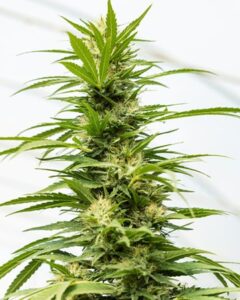
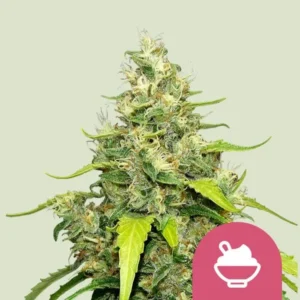
Bruce Banner 3 Autoflower

|
THC | 24% - 25% (High) |

|
Lineage | (OG Kush x Strawberry Diesel) x Ruderalis |

|
Type | Autoflowering |

|
Height | 3.94 ft | 1.2 m |

|
Yield | High |

|
Yield Indoor | 1.64 oz/ft² | 500 g/m² |

|
Yield Outdoor | 28.22 oz/plant | 800 g/plant |

|
Life Cycle | 8 - 10 weeks |

|
Phenotype | 30% Indica / 70% Sativa |

|
Effects | Euphoric, Happy, Relaxed |

|
Flavors | Diesel, Fruity, Sweet |
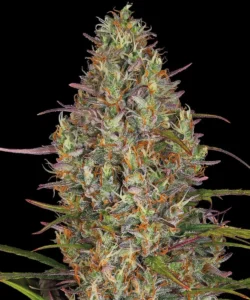
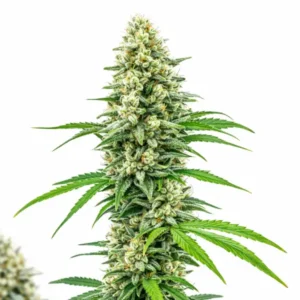
Glue Gelato Auto
|
|
THC | 26% - 27% (High) |
|
|
Lineage | GG x Gelato x BF Super Auto #1 |
|
|
Type | Autoflowering |
|
|
Height | 3.77 ft | 1.15 m |
|
|
Yield Outdoor | 4.59 - 7.05 oz/plant | 130 - 200 g/plant |
|
|
Life Cycle | 9 - 11 weeks |
|
|
Phenotype | 60% Indica / 40% Sativa |
|
|
Effects | Happy, Relaxed, Uplifted, Calming, Euphoric |
|
|
Flavors | Pungent, Diesel, Coffee, Garlic |
Leaf chlorosis due to overexposure to light is not just about the intensity but also the duration of light exposure. While these strains are robust, even they can suffer if the light is too intense for too long. This article delves into how bright light affects weed leaf health and offers practical advice to prevent and manage this condition.
Light and Its Impact on Cannabis
Light is a vital component of photosynthesis, the process by which plants convert light energy into chemical energy. However, excessive light impact on weed leaf chlorosis can occur when the plant’s photosynthetic capacity is overwhelmed. This is because too much light can lead to the breakdown of chlorophyll, the pigment responsible for the green color in leaves.
Alongside the breakdown of chlorophyll, prolonged exposure to excessive light can also lead to increased evaporation rates in cannabis plants, exacerbating the effects of nutrient deficiencies. This is particularly critical for strains like Bruce Banner 3 Auto, which require a consistent nutrient uptake to maintain their vigorous growth. Growers should be cautious of how bright light affects weed leaf health, ensuring that environmental factors like temperature and humidity are controlled to minimize weed leaf yellowing due to intense light exposure.
Photosynthetic Light Requirements
Cannabis plants, like the Bruce Banner 3 Auto, have specific light requirements for optimal growth. Typically, they thrive under 18-24 hours of light during the vegetative stage. However, if the light intensity is too high, it can exceed the plant’s ability to use it effectively, resulting in stress.
Glue Gelato Auto, known for its resilience, can handle varying light conditions, but even this robust strain can be affected by overly bright light. It’s crucial to monitor light levels and adjust them according to the plant’s stage of growth to prevent weed leaf yellowing due to intense light exposure.
Light Spectrum and Its Role in Cannabis Growth
Different light spectrums have varied effects on cannabis plants. Blue light promotes vegetative growth, while red light is essential during flowering. However, an imbalance, especially excessive blue light, can lead to chlorosis. The Blue Gelato strain, for instance, benefits from a balanced spectrum to enhance its yield and THC content.
Using full-spectrum LED lights can help mimic natural sunlight and reduce the risk of chlorosis in cannabis from too much sunlight. These lights provide a balanced spectrum that supports both vegetative and flowering stages effectively.
Identifying Chlorosis in Cannabis Plants
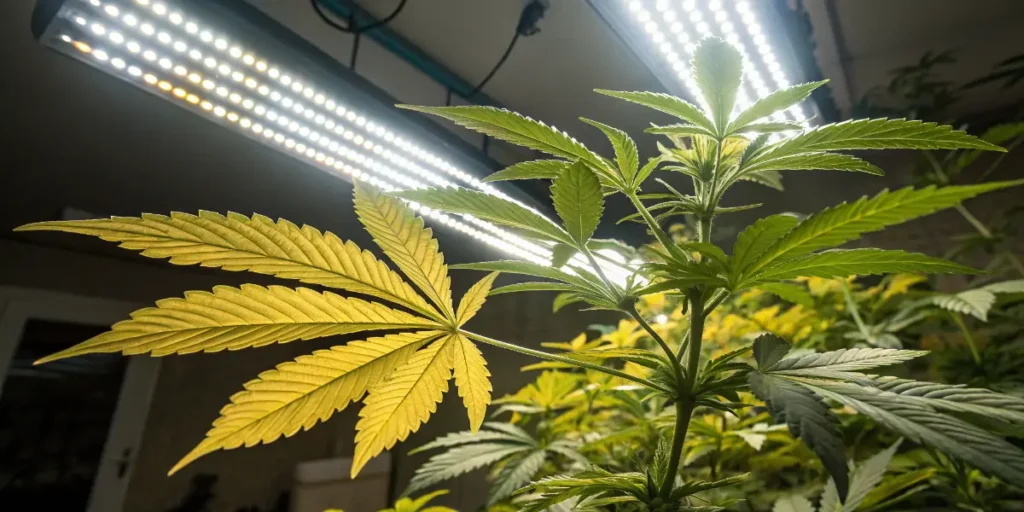
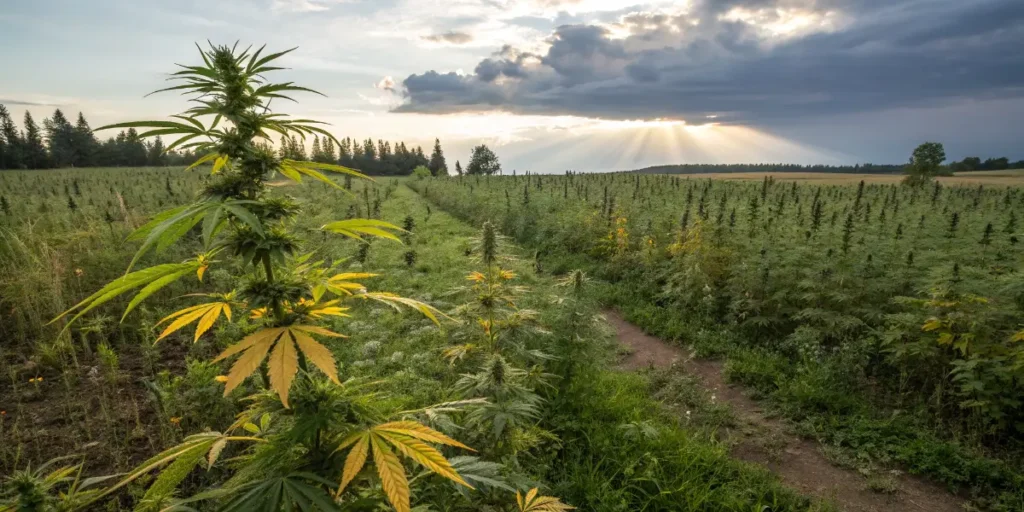
Identifying chlorosis early is crucial for managing the condition and ensuring healthy growth. Symptoms of overexposure to light causing cannabis leaf discoloration include yellowing leaves, burned tips, and stunted growth. Recognizing these signs early allows for timely intervention.
For strains such as Glue Gelato Auto, which may not show immediate signs of stress due to their dense foliage, regular inspections become even more crucial. Early symptoms of chlorosis should prompt growers to review their lighting setup, particularly if they notice that the leaves closest to the light source are paling. By analyzing the connection between light levels and chlorosis, cultivators can make informed adjustments to lighting to prevent further damage and safeguard against excessive light impact on weed leaf chlorosis.
Visual Indicators
Yellowing of leaves is the most apparent sign of chlorosis. In strains like Bruce Banner 3 Auto, which typically have vibrant green leaves, any discoloration should be a red flag. Other signs include brown or necrotic spots, which indicate more severe light stress.
The Glue Gelato Auto strain, with its dense foliage, may show symptoms more subtly. Regular inspection of the plant’s lower leaves, which are more susceptible to light burn, can help catch issues before they escalate.
Distinguishing Light Burn from Nutrient Deficiencies
While light burn and nutrient deficiencies both cause yellowing, they have different underlying causes. Light burn primarily affects the uppermost leaves exposed directly to intense light, leading to a distinct pattern of damage.
In contrast, nutrient deficiencies often begin at the lower leaves and progress upwards. With Blue Gelato, known for its high nutrient demands, ensuring a balanced nutrient regime can prevent misdiagnosis and allow growers to address the real issue effectively.
Managing Light Levels for Optimal Growth
Managing light levels is essential for preventing and treating chlorosis. This involves adjusting the light’s intensity, distance, and duration according to the plant’s needs. Proper management ensures strains like Bruce Banner 3 Auto reach their full potential without suffering from light stress.
For optimal growth, consider using adjustable LED lights that allow for precise control over intensity. This flexibility is especially beneficial for strains like Blue Gelato, which can be sensitive to sudden changes in lighting conditions. By gradually increasing light intensity as plants enter the flowering phase, growers can reduce the risk of overexposure to light causing cannabis leaf discoloration, ensuring the plants develop robust, healthy buds.
Adjusting Light Intensity and Distance
Setting the right light intensity is crucial. For indoor growing, start with a moderate intensity and gradually increase it as the plant matures. This helps the plant acclimate to stronger light levels without stress.
Maintaining the correct distance between the light source and the plant canopy is also vital. For Glue Gelato Auto, keeping a distance of 12-18 inches from LED lights usually prevents excessive light exposure.
Optimizing Light Schedules
Cannabis plants require different light schedules at various growth stages. During the vegetative phase, an 18/6 light schedule (18 hours of light and 6 hours of darkness) is ideal. However, reducing light exposure during the flowering phase can help prevent chlorosis.
The Blue Gelato strain, with its unique flowering characteristics, benefits from a slightly shorter light period during flowering to enhance bud development without risking light stress.
Practical Tips for Indoor Cannabis Cultivation
Indoor cultivation offers control over environmental factors, but it also requires careful monitoring to prevent issues like chlorosis. By implementing a few practical tips, growers can ensure healthy plants with maximum yield potential.
One effective strategy is to employ a light meter to measure the exact intensity reaching the canopy. This tool can help growers of Bruce Banner 3 Auto precisely calibrate their lighting setup, ensuring optimal conditions that prevent the adverse effects of excessive light impact on weed leaf chlorosis. Additionally, rotating plants regularly ensures even light distribution, minimizing the risk of overexposure to particular sections of the plant.
Using Reflective Materials
Reflective materials can help distribute light evenly, reducing hotspots that could lead to light burn. Mylar or white paint are excellent choices for lining grow spaces, ensuring strains like Bruce Banner 3 Auto receive uniform light coverage.
These materials enhance light efficiency, allowing growers to reduce overall light intensity without compromising plant health, a crucial factor for managing weed leaf yellowing due to intense light exposure.
Monitoring and Adjusting Environmental Conditions
Maintaining ideal temperature and humidity levels is essential for preventing chlorosis. High temperatures can exacerbate light stress, while proper humidity levels prevent excessive transpiration.
For Glue Gelato Auto, which thrives in stable conditions, using fans and humidifiers to maintain optimal conditions can prevent overexposure to light causing cannabis leaf discoloration.
FAQ Section
What causes leaf chlorosis in cannabis plants?
Leaf chlorosis in cannabis plants can result from several factors, including excessive light exposure, nutrient deficiencies, and pest infestations. However, too much light is a common cause, as it can overwhelm the plant’s photosynthetic capacity, leading to stress and nutrient imbalances.
Ensuring a balance in light intensity and spectrum, along with proper nutrient management, can help prevent this condition. Regular monitoring and adjustments are key to maintaining plant health, especially for strains like Bruce Banner 3 Auto.
How can I prevent chlorosis in my cannabis plants?
To prevent chlorosis, manage light intensity and exposure carefully. Use full-spectrum LED lights and maintain proper distance from the plant canopy. Adjust light schedules to match each growth stage and avoid sudden changes in light intensity.
For strains like Glue Gelato Auto, maintaining a stable environment with optimal temperature and humidity levels is equally important. Regularly inspect plants for signs of stress and address any issues promptly to prevent chlorosis.
Is light burn the same as chlorosis?
While light burn and chlorosis can both result in yellowing leaves, they are not the same. Light burn specifically refers to damage caused by excessive light intensity, typically affecting the uppermost leaves exposed to direct light.
Chlorosis, on the other hand, can result from various factors, including light stress, nutrient deficiencies, or pest issues. Differentiating between these causes is essential for effective treatment, especially for high-yielding strains like Blue Gelato.
Can outdoor cannabis plants suffer from chlorosis due to too much sunlight?
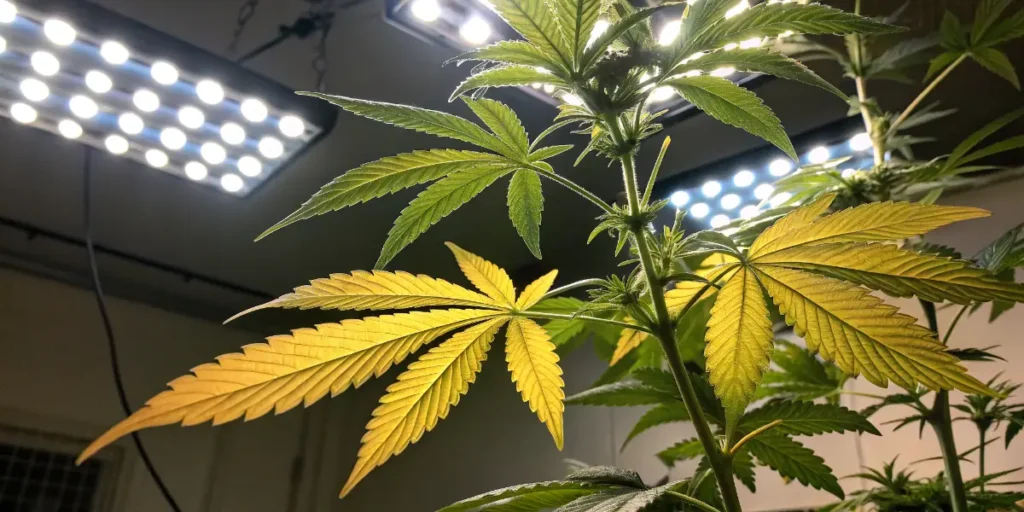
Yes, outdoor cannabis plants can also suffer from chlorosis if exposed to too much sunlight, particularly during periods of intense heat and light. Ensuring plants have some shade during the hottest parts of the day can help mitigate this risk.
For outdoor growers cultivating strains like Bruce Banner 3 Auto, strategically using shade cloths or planting in areas with natural shade can prevent excessive light impact on weed leaf chlorosis.
What are the best lighting conditions for indoor cannabis cultivation?
The best lighting conditions for indoor cannabis cultivation involve using full-spectrum LED lights, which offer a balanced spectrum for all growth stages. Adjusting the light intensity and duration according to the plant’s growth phase is crucial.
For strains like Glue Gelato Auto and Blue Gelato, maintaining an 18/6 light schedule during the vegetative stage and reducing it to 12/12 during flowering optimizes growth and yield while minimizing the risk of light-induced chlorosis.