
Recognizing Cannabis Stress Signs
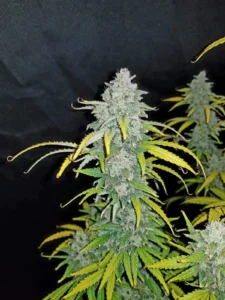
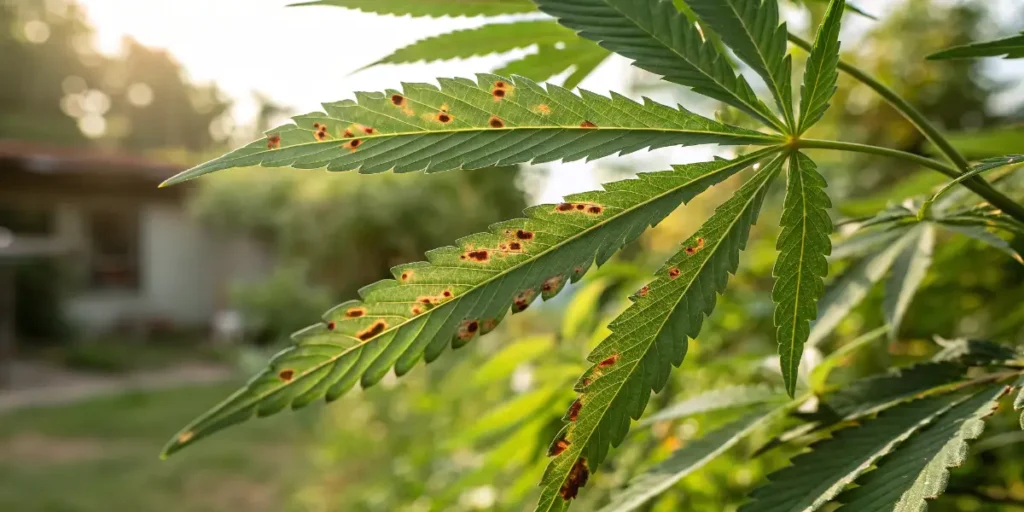
Cannabis plants, like any other plants, can exhibit stress signs when they are not happy with their environment or care. These stress signs can include drooping leaves, stunted growth, and discoloration. It’s crucial to identify stress in cannabis plants early on to address the underlying issues promptly.
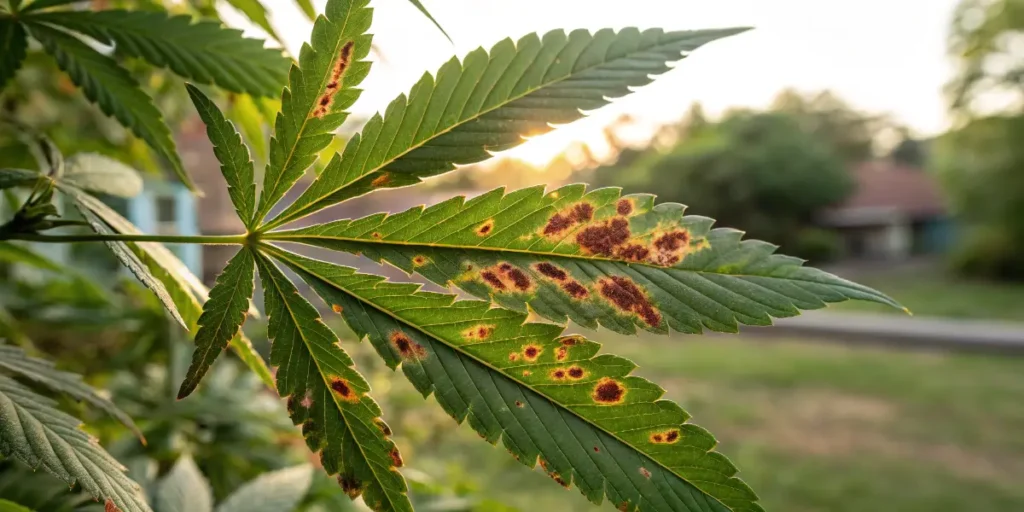
One of the most common stress indicators is leaf chlorosis, which refers to the yellowing of the leaves. This can be a sign of various issues, including nutrient deficiency, improper watering, or pest infestation. For instance, the Jack Herer Auto strain, known for its robust growth and high THC levels, can still fall prey to stress signs if not given the right conditions.
Recommended Strains
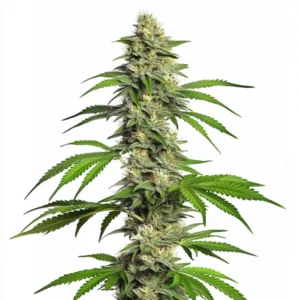
Girl Scout Cookies Auto

|
THC | 20% - 22% (Medium) |

|
Lineage | Girl Scout Cookies x Secret Rudelaris |

|
Type | Autoflowering |

|
Height | 3.28 ft | 1 m |

|
Yield | High |

|
Yield Indoor | 1.64 - 1.97 oz/ft² | 500 - 600 g/m² |

|
Yield Outdoor | 22.93 - 26.46 oz/plant | 650 - 750 g/plant |

|
Life Cycle | 8 - 10 weeks |

|
Phenotype | 60% Indica / 40% Sativa |

|
Medical | Fatigue, Muscle Spasms, Stress |

|
Effects | Happy, Relaxed, Talkative |

|
Flavors | Earthy, Sweet |
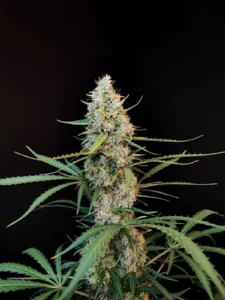
Jack Herer Auto
|
|
THC | 21% - 22% (Medium) |
|
|
Lineage | Jack Herer x Ruderalis |
|
|
Type | Autoflowering |
|
|
Height | 3.28 ft | 1 m |
|
|
Yield | High |
|
|
Yield Indoor | 1.31 - 1.64 oz/ft² | 400 - 500 g/m² |
|
|
Life Cycle | 9 weeks |
|
|
Phenotype | 35% Indica / 65% Sativa |
|
|
Effects | Energetic, Giggly, Happy |
|
|
Flavors | Earthy, Lemon, Spicy, Sweet |
Environmental factors also contribute to stress. Changes in temperature, humidity, and light can cause stress in cannabis plants. Blue Dream Auto, a strain popular for its balanced effects and generous yields, requires consistent environmental conditions to thrive.
Recognizing these stress signs and addressing them can make a significant difference in the health and yield of your cannabis plants. For first-time growers, it’s a learning curve, but with experience, identifying these signs becomes second nature.
Recognizing cannabis stress signs involves careful observation and a proactive approach. It’s important to closely monitor your plants for subtle changes that may indicate stress, such as early signs of leaf chlorosis or unusual growth patterns. Experienced growers often rely on detailed growth logs to track these changes over time, allowing them to quickly address any issues. For strains like Girl Scout Cookies Auto, known for resilience but still susceptible to stress if neglected, consistent monitoring can prevent small problems from becoming significant challenges.
Common Causes of Leaf Chlorosis in Cannabis
Leaf chlorosis, or the yellowing of cannabis leaves, can result from several issues. Identifying the cause is crucial for effective cannabis leaf discoloration treatment. One primary cause is nutrient deficiency each nutrient plays a unique role in the plant’s health.
Nitrogen deficiency is a common cause of cannabis leaf yellowing. This essential nutrient supports growth and chlorophyll production. Without enough nitrogen, leaves may turn yellow and drop. Girl Scout Cookies Auto, known for its resilience and rich flavor profile, may require specific nutrient adjustments to prevent yellowing.
Overwatering is another cause of leaf chlorosis. It can lead to root rot, which restricts nutrient uptake, causing yellowing. It’s essential to maintain a proper watering schedule, especially for strains like Jack Herer Auto that need specific moisture levels for optimal growth.
Pest infestations can also lead to leaf chlorosis. Pests such as spider mites and aphids suck sap from the leaves, causing them to turn yellow. Regular inspections and integrated pest management strategies can help keep these pests at bay.
Another significant factor in cannabis leaf yellowing causes is improper soil pH levels. The pH level affects nutrient availability; if it’s too high or too low, plants can’t absorb nutrients efficiently, leading to chlorosis. For Blue Dream Auto, maintaining a balanced pH is crucial, as it ensures the plant can access essential nutrients. Regularly testing and adjusting the pH levels can prevent stress and enhance plant health, supporting both growth and yield.
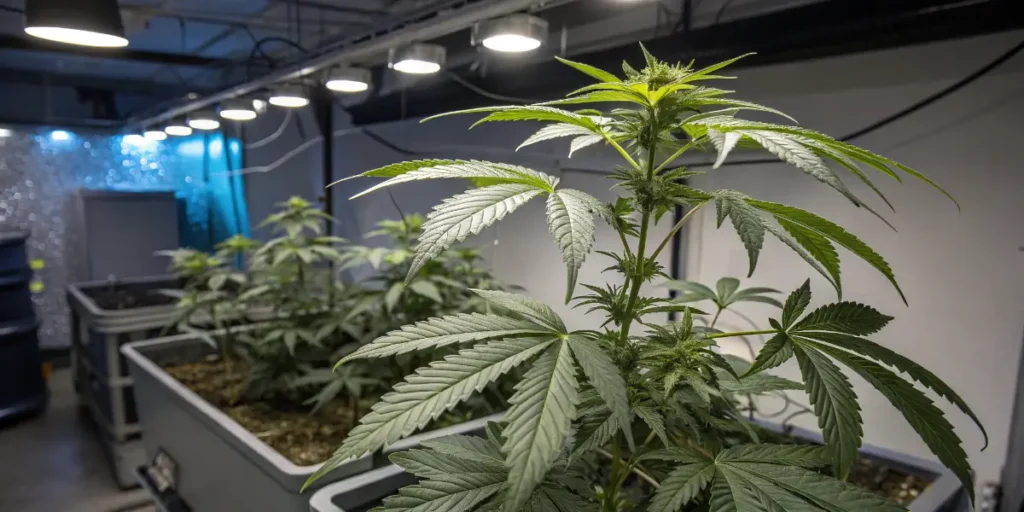
Strategies for Managing Chlorosis in Cannabis Cultivation
Managing chlorosis involves addressing the root cause of the issue. Once you’ve identified the cause, whether it’s nutrient deficiency or environmental stress, you can take steps to rectify it. Regular monitoring and adjusting of growing conditions are vital.
For nutrient-related chlorosis, amending the soil with the appropriate nutrients or using a balanced fertilizer can help. For strains like Jack Herer Auto, which require specific nutrient levels, using strain-specific nutrients may be beneficial.
Environmental adjustments can also mitigate chlorosis. Maintaining optimal temperature and humidity levels is crucial, especially for sensitive strains like Blue Dream Auto. Using tools like hygrometers and thermometers can help in monitoring these conditions.
Pest management is another crucial aspect. Regularly inspect plants for signs of pests and use organic or chemical controls as necessary. Girl Scout Cookies Auto, with its dense foliage, may require more frequent inspections to prevent pest infestations.
In managing chlorosis in cannabis cultivation, it’s essential to adopt a holistic approach that includes all aspects of plant care. For example, ensuring adequate air circulation with fans can prevent the buildup of excess moisture, which can exacerbate stress and chlorosis. Additionally, rotating crops and allowing soil to regenerate can reduce the likelihood of nutrient depletion. By integrating these practices, growers can create a robust environment that minimizes stress and maximizes plant health.
Practical Tips for Preventing Cannabis Stress
Preventing stress in cannabis cultivation involves proactive measures. Regular monitoring, proper nutrient management, and environmental controls are key to healthy plants. Start with selecting the right strain for your growing conditions.
Girl Scout Cookies Auto is an excellent choice for beginners due to its resilience and adaptability. Its ease of growth makes it less susceptible to stress, provided basic care guidelines are followed.
Setting up a routine for regular inspections and maintenance can help catch issues early. This includes checking for pests, monitoring nutrient levels, and adjusting environmental conditions as needed.
Investing in quality tools and equipment, such as pH meters and grow lights, can also make a significant difference in managing plant health. By staying vigilant and responsive to plant needs, you can prevent stress and ensure a successful harvest.
To further prevent cannabis stress signs and leaf chlorosis, it’s beneficial to implement a structured feeding and watering schedule tailored to each strain’s needs. For instance, Jack Herer Auto may require more frequent nutrient adjustments during peak growth phases. Keeping a detailed calendar of care routines and plant responses can help identify patterns and refine practices over time. This attention to detail not only prevents stress but also boosts overall plant vitality and yield.
Case Studies: Success Stories with Growlantis Strains
Growlantis has a reputation for producing reliable and high-quality cannabis strains, making them a popular choice among growers. Their strains, like Jack Herer Auto, Blue Dream Auto, and Girl Scout Cookies Auto, are known for their unique characteristics and adaptability.
A grower in California reported exceptional yields with Blue Dream Auto by maintaining a consistent nutrient schedule and environmental conditions. This strain’s resilience to stress and high yield potential made it a favorite among his choices.
Another grower in Colorado found success with Jack Herer Auto by focusing on precise watering and nutrient management. The strain’s robust growth and high THC content were notable highlights of his cultivation experience.
Girl Scout Cookies Auto, with its rich flavor and aroma, was a hit in a small-scale setup in Oregon. The grower’s attention to detail in pest management and environmental control led to a bountiful harvest and minimal stress signs.
In a recent case study from Washington, a novice grower achieved outstanding results with Girl Scout Cookies Auto by strictly adhering to a well-structured pest management plan. The grower noted that early intervention and regular use of organic pest deterrents were key to preventing infestations, which significantly reduced stress signs. This experience underscores the importance of proactive strategies in managing chlorosis in cannabis cultivation and achieving successful outcomes with Growlantis strains.
FAQ Section
What causes cannabis leaf yellowing?
Cannabis leaf yellowing, or chlorosis, can result from several factors, including nutrient deficiencies, improper watering, and pest infestations. Identifying the specific cause is crucial for effective treatment. Regular monitoring and adjustments to growing conditions can prevent yellowing.
How can I identify stress in cannabis plants?
Stress in cannabis plants can manifest as drooping leaves, stunted growth, and discoloration. By closely observing changes in the plant’s appearance and growth patterns, you can identify stress early. Addressing the root cause promptly can help restore plant health.
What are the signs of nutrient deficiency in cannabis?
Signs of nutrient deficiency in cannabis include yellowing leaves, brown leaf tips, and stunted growth. Each nutrient deficiency presents unique symptoms. Regular nutrient testing and balanced feeding can prevent deficiencies and promote healthy growth.
What are the best practices for managing chlorosis in cannabis cultivation?
Managing chlorosis involves addressing the root cause, whether it’s nutrient deficiency or environmental stress. Regular monitoring, proper nutrient management, and environmental adjustments are critical. Using strain-specific nutrients and tools like hygrometers can enhance plant health.