
Yellowing leaves on your cannabis plants can be a troubling sight for both novice and experienced growers. It’s essential to address this issue promptly to ensure a healthy and productive harvest. Diagnosing yellowing cannabis leaves involves analyzing various factors that can lead to discoloration. Here, we’ll delve into the common causes and provide actionable steps to restore your plants to their vibrant green state.
One of the initial steps in diagnosing yellowing cannabis leaves is identifying if the yellowing is uniform or if it affects specific parts of the plant. This aspect can offer vital clues about the underlying issue. Equally important is observing the stage at which your plant is; younger plants have different needs compared to mature ones, impacting how you address the yellowing issue.
Recommended Strains
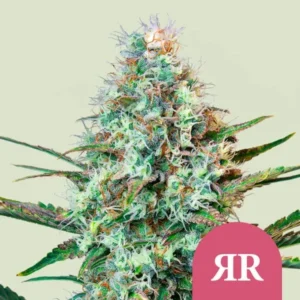
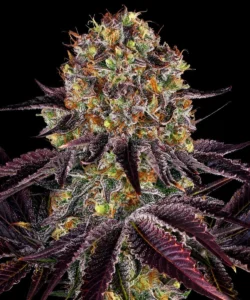
Royal Runtz

|
THC | 26% - 27% (High) |

|
Lineage | Gelato x The Original Z |

|
Type | Feminized |

|
Height | 5.58 ft | 1.7 m |

|
Yield | High |

|
Yield Indoor | 1.47 - 1.64 oz/ft² | 450 - 500 g/m² |

|
Yield Outdoor | 14.11 - 15.87 oz/plant | 400 - 450 g/plant |

|
Flowering Time | 8 - 9 weeks |

|
Phenotype | 50% Indica / 50% Sativa |

|
Effects | Euphoric, Uplifted |

|
Flavors | Candy, Fruity |
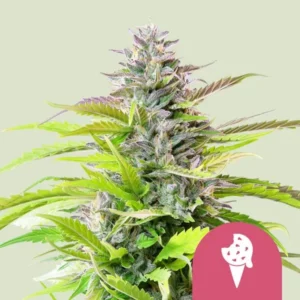
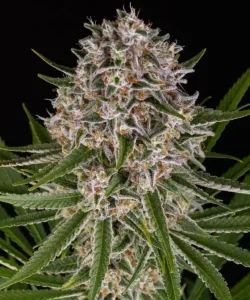
Cookies Gelato
|
|
THC | 28% - 29% (High) |
|
|
Lineage | Girl Scout Cookie X Gelato 33 |
|
|
Type | Feminized |
|
|
Height | 5.41 ft | 1.65 m |
|
|
Yield | High |
|
|
Yield Indoor | 1.8 - 1.97 oz/ft² | 550 - 600 g/m² |
|
|
Yield Outdoor | 21.16 - 22.93 oz/plant | 600 - 650 g/plant |
|
|
Flowering Time | 8 - 9 weeks |
|
|
Phenotype | 50% Indica / 50% Sativa |
|
|
Effects | Balanced, Calming, Relaxed |
|
|
Flavors | Citrus, Earthy, Fruity, Mint |
In this guide, we’ll cover various environmental and nutrient-related factors that can cause yellowing, along with practical tips for each. Additionally, we’ll highlight specific cannabis strains like Royal Runtz, Cookies Gelato, and Runtz X Layer Cake from Growlantis, illustrating how their unique characteristics might influence your approach.
Environmental Factors Affecting Leaf Color
Environmental factors play a significant role in the health of your cannabis plants. Changes in temperature, humidity, and light can lead to yellowing leaves. Controlling and controlling these factors is vital for maintaining plant health.
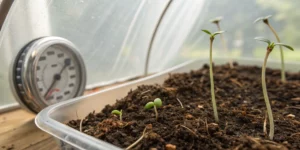
Learning how to diagnose yellowing cannabis leaves due to environmental factors involves closely monitoring the conditions in your growing space. For instance, installing a reliable hygrometer and thermometer can help you keep track of humidity and temperature levels, ensuring they stay within the optimal range for your specific strain. Royal Runtz, known for its robustness, still requires consistent environmental conditions to prevent stress-induced yellowing. Adjusting your grow room setup with fans or heaters can mitigate temperature fluctuations, while a dehumidifier or humidifier can maintain proper humidity levels, ultimately leading to healthier, non-yellowing foliage.
Temperature and Humidity
Temperature fluctuations can stress your plants, leading to yellow leaves. Cannabis thrives in a stable environment. High temperatures can cause heat stress, while cold temperatures can slow down growth and nutrient uptake. Aim for a consistent range between 70-85°F (21-29°C) during the day and slightly lower at night.
Humidity also plays a critical role. During the vegetative stage, cannabis prefers higher humidity (around 60%). As the plant transitions to the flowering stage, reduce humidity to about 40-50% to prevent mold and mildew, which can exacerbate leaf yellowing.
Light Intensity and Exposure
Light is a crucial component of photosynthesis, and inadequate or excessive light can lead to yellowing. Ensure your plants are receiving the right amount of light. For instance, Royal Runtz, known for its robust growth, requires adequate lighting to reach its full potential. Too much light can cause light burn, while too little light can lead to pale leaves.
Adjust the distance of your lights according to their type and wattage. LEDs generally need to be closer to plants than HPS lights. Monitor your plants closely and adjust as necessary to prevent yellowing due to lighting issues.
Nutrient Deficiencies and Imbalances
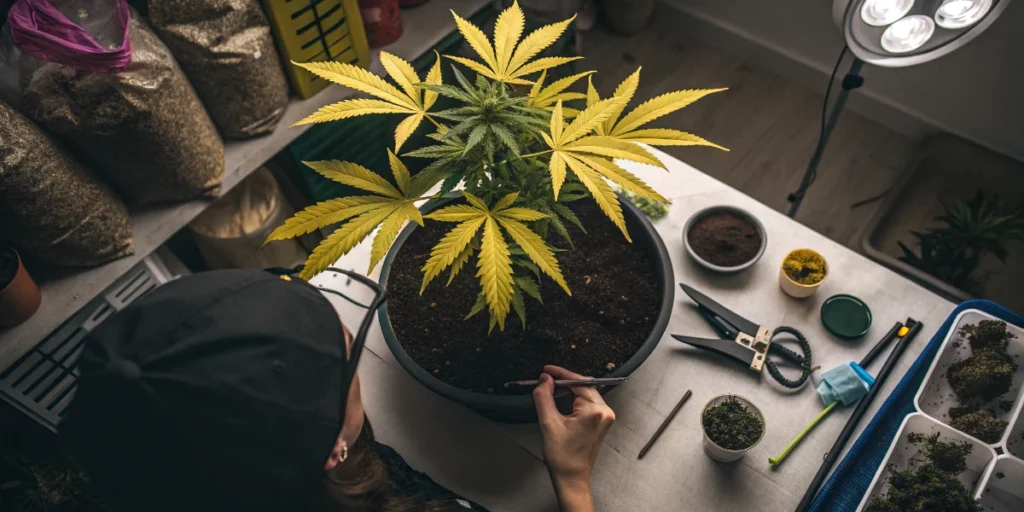
Nutrient deficiencies are a common cause of yellowing leaves in cannabis. Identifying nutrient deficiencies in yellow cannabis leaves requires observing the pattern and location of yellowing on the plant.
When addressing how to diagnose yellowing cannabis leaves due to nutrient issues, it’s crucial to understand the specific requirements of each strain. For example, Cookies Gelato from Growlantis can be particularly sensitive to nutrient imbalances, necessitating a well-rounded feeding schedule. Utilize soil tests to regularly check nutrient levels, and adjust your fertilizer regimen accordingly. It’s also beneficial to rotate between organic and synthetic nutrients to provide a balanced nutrient profile that can cater to the different growth phases, ensuring your plants remain lush and green throughout their lifecycle.
Nitrogen Deficiency
Nitrogen is essential for chlorophyll production, and its deficiency often causes lower leaves to turn yellow first. This is because nitrogen is a mobile nutrient, moving from older leaves to newer growth. To address this, provide a balanced nutrient solution, focusing on nitrogen-rich fertilizers during the vegetative stage.
Strains like Cookies Gelato from Growlantis, with its moderate growing difficulty, can be sensitive to nutrient imbalances. Monitoring nutrient levels and adjusting accordingly can prevent deficiencies and promote healthy growth.
Iron and Magnesium Deficiency
Iron deficiency typically causes new leaves to yellow while veins remain green, known as interveinal chlorosis. Magnesium deficiency, on the other hand, affects older leaves, causing yellowing between veins while the veins themselves stay green. Both are crucial for photosynthesis and overall plant health.
To correct these deficiencies, use chelated iron supplements and Epsom salts respectively. Ensuring your soil pH is within the optimal range (5.5-6.5) can also enhance nutrient uptake and prevent yellowing.
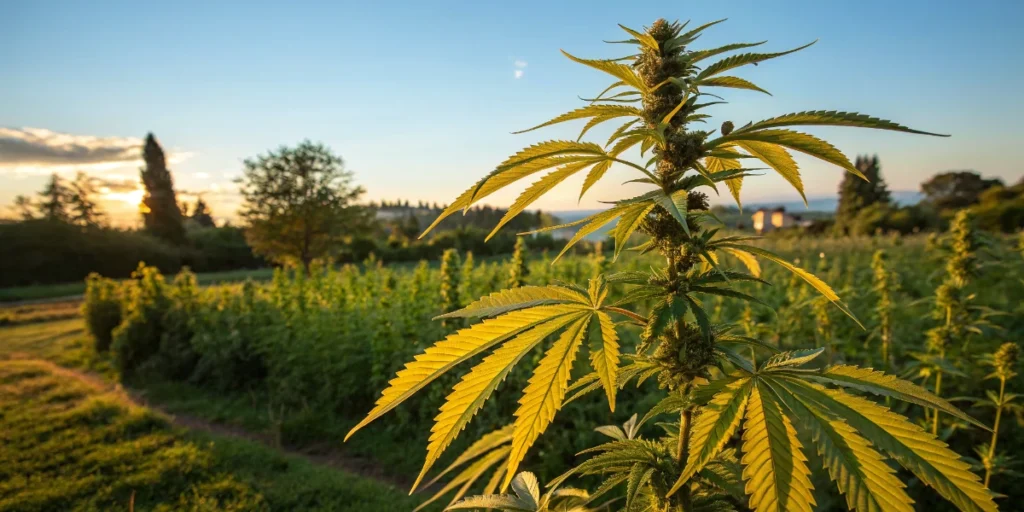
Pest and Disease Management
Pests and diseases can also lead to yellowing leaves on cannabis plants. Identifying and mitigating these threats early can prevent significant damage to your plants.
inspecting yellowing in cannabis leaves often involves inspecting for pest infestations and disease symptoms. Regularly check the undersides of leaves and stems for small insects like spider mites and aphids, which can rapidly compromise plant health. Strains like Runtz X Layer Cake, though resilient, still benefit from preventive measures such as introducing beneficial insects like ladybugs or utilizing organic pesticides. Additionally, maintaining proper sanitation in your growing space, such as removing debris and old plant material, can help prevent the onset of diseases, ensuring your plants remain disease-free and vibrant.
Common Pests
Pests such as spider mites, aphids, and thrips feed on plant sap, leading to yellow and damaged leaves. Regular inspection and maintenance are crucial. Use neem oil or insecticidal soap as a preventive measure, and apply directly to affected areas for infestations.
Strains like Runtz X Layer Cake are particularly resilient but can still fall victim to pests if not properly managed. Maintaining a clean growing environment can help deter these unwanted guests.
Fungal Diseases
Fungal diseases like powdery mildew and root rot can cause yellowing leaves. These diseases thrive in high humidity and poor ventilation. Ensure adequate air circulation and maintain appropriate humidity levels to prevent these issues.
If you notice signs of fungal infection, remove affected leaves and apply a fungicide. Regular monitoring and a proactive approach can keep your plants healthy and green.
Watering Practices and pH Levels
Proper watering and maintaining correct pH levels are essential for preventing yellowing cannabis leaves. Overwatering or underwatering can lead to nutrient lockout and stress, causing leaves to turn yellow.
Incorporating best methods for diagnosing yellowing cannabis leaves includes refining your watering practices to suit your strain’s needs. For example, Royal Runtz requires precise watering to avoid stress and promote optimal growth. Use a moisture meter to accurately assess soil moisture levels, preventing both overwatering and underwatering. Furthermore, maintaining a consistent pH level in your water between 6.0-7.0 for soil and 5.5-6.5 for hydroponics ensures your plant can adequately absorb nutrients, reducing the risk of yellowing leaves due to pH imbalances.
Watering Techniques
Establish a consistent watering schedule based on your plant’s stage and environmental conditions. Overwatering can suffocate roots, while underwatering causes drought stress. Both can result in yellow leaves.
Use the “lift the pot” method to gauge moisture levels. If the pot feels light, it’s time to water. Adjust your schedule as needed, especially for strains like Royal Runtz, which require precise care to thrive.
pH Management
Maintaining a balanced pH is critical for nutrient absorption. Cannabis plants prefer a pH range of 6.0-7.0 in soil and 5.5-6.5 in hydroponic systems. Deviations from this range can lock out essential nutrients, leading to yellowing leaves.
Regularly test and adjust the pH of your water and nutrient solutions. This practice ensures your plants can access the nutrients they need, preventing deficiencies and promoting vigorous growth.
Genetics and Strain-Specific Traits
Genetics play a crucial role in how cannabis plants respond to environmental and nutrient factors. Each strain has unique characteristics that can influence the likelihood of yellowing leaves.
When learning how to troubleshoot yellowing leaves on cannabis plants, consider the genetic makeup of your selected strain. Royal Runtz, with its robust growth habit, may better withstand environmental stressors compared to more sensitive strains. However, strains like Cookies Gelato demand precise nutrient management to avoid yellowing. Recognizing these genetic traits can significantly impact your care strategy, allowing for tailored interventions that support each strain’s specific needs, ensuring vibrant, green foliage throughout the growth cycle.
Royal Runtz
Royal Runtz is known for its high THC levels and robust growth. Its vigorous nature makes it relatively resistant to environmental stresses, but careful management of nutrients and light is still essential to prevent yellowing.
This strain thrives in well-lit environments with consistent care, making it a favorite among those seeking a high-yielding, resilient plant.
Cookies Gelato
Cookies Gelato offers a balance of high THC and flavorful terpenes. It requires moderate growing skills, as it is sensitive to nutrient levels. Ensuring a balanced diet and proper pH levels can prevent yellowing and promote its signature sweet and earthy aroma.
This strain is ideal for growers looking for a potent and aromatic plant, provided they manage its nutritional needs carefully.
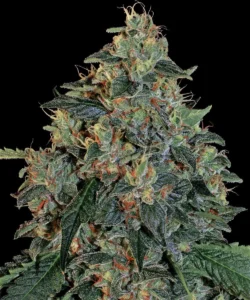
Runtz X Layer Cake
Runtz X Layer Cake combines impressive yields with a rich terpene profile. It is relatively easy to grow, making it suitable for beginners. However, like any strain, it requires attention to watering practices and pest management to avoid yellowing leaves.
With its robustness and ease of growth, this strain can be a rewarding choice for those new to cannabis cultivation, offering a satisfying harvest with proper care.
FAQ
What are the best methods for diagnosing yellowing cannabis leaves?
Diagnosing yellowing leaves involves observing patterns such as where the yellowing occurs and the stage of plant growth. Check environmental factors like light and temperature, and consider nutrient deficiencies or pest issues. Adjust care routines based on these observations to address the root cause effectively.
Regular monitoring and adjusting of watering, pH levels, and nutrient solutions can help prevent yellowing. Utilize specific strain characteristics to tailor care, ensuring a healthy plant.
How can I identify nutrient deficiencies in yellow cannabis leaves?
Nutrient deficiencies show distinct patterns on the leaves. Nitrogen deficiency usually affects older leaves first, causing them to yellow. Iron and magnesium deficiencies show interveinal chlorosis, where the space between veins yellows while veins remain green.
Address deficiencies by providing the appropriate nutrients and adjusting pH levels to enhance nutrient uptake. Use supplements as needed and monitor your plant’s response closely.
What are common causes of cannabis leaves turning yellow?
Common causes include environmental stress, nutrient deficiencies, pests, and diseases. Factors like improper light, temperature fluctuations, and incorrect pH levels can lead to yellowing leaves. Identifying and correcting these issues promptly is crucial for plant recovery.
Using strains like Royal Runtz, with its robust nature, can help mitigate some environmental stresses, while careful nutrient management is vital for sensitive strains like Cookies Gelato.
How to troubleshoot yellowing leaves on cannabis plants effectively?
Begin by assessing environmental conditions such as light, temperature, and humidity. Check for signs of pests or diseases and inspect nutrient levels. Adjust these factors based on your observations to improve plant health.
Consistency is key. Implement a regular maintenance schedule and tailor care to the specific needs of your strain, such as Runtz X Layer Cake, to encourage vibrant, healthy leaves.
What should beginners know about yellowing in cannabis leaves?
Beginners should understand that yellowing leaves are often a sign of stress or imbalance. Start by learning the basic needs of your chosen strain and adjust care practices as your plant grows. Keep a close eye on environmental conditions and nutrient levels.
Choosing beginner-friendly strains like Runtz X Layer Cake can provide a forgiving learning curve, making it easier to manage and correct yellowing issues as they arise.