
Growing cannabis can be both an art and a science. When it comes to cultivating strains like Bruce Banner 3 Auto, Gorilla Glue 4, or Sour Diesel from Growlantis, monitoring plant health is crucial. Two common issues growers face are zinc deficiency and chlorosis, which can dramatically affect the quality and yield of your plants. Although they have distinct causes and symptoms, they can often be confused. This guide will help you distinguish between zinc deficiency and chlorosis in cannabis, offering practical tips for diagnosis and treatment.
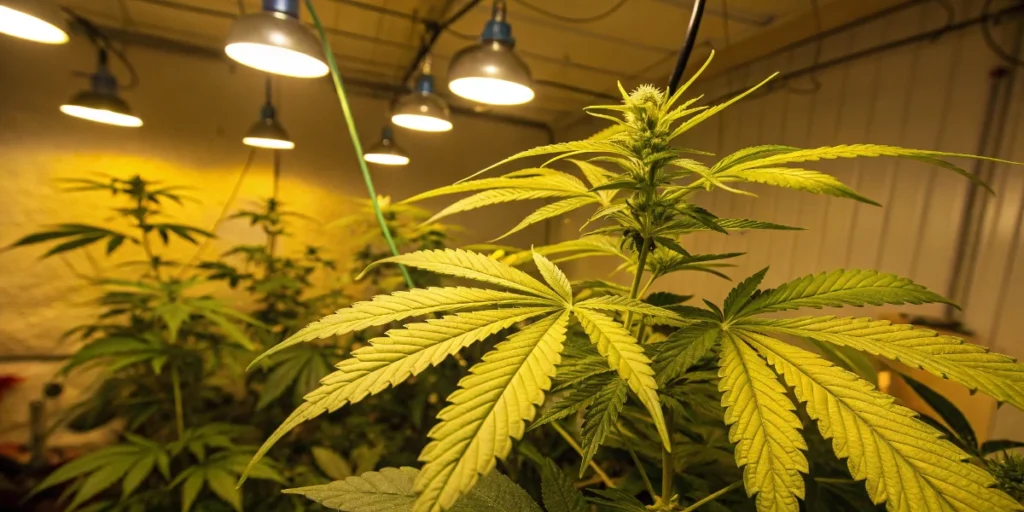
Zinc deficiency in cannabis is characterized by stunted growth and smaller leaves. It often appears as yellowing between the veins of newer leaves, while the edges remain green. This micronutrient is vital for plant development, especially for strains like Bruce Banner 3 Auto, which thrives with proper care. Chlorosis, on the other hand, refers to the yellowing of leaf tissue due to a lack of chlorophyll. This can be caused by various factors, including nutrient deficiencies, poor drainage, or root damage.
Recommended Strains
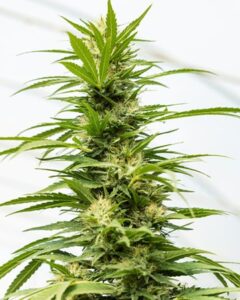
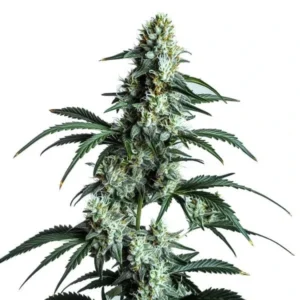
Bruce Banner 3 Autoflower

|
THC | 24% - 25% (High) |

|
Lineage | (OG Kush x Strawberry Diesel) x Ruderalis |

|
Type | Autoflowering |

|
Height | 3.94 ft | 1.2 m |

|
Yield | High |

|
Yield Indoor | 1.64 oz/ft² | 500 g/m² |

|
Yield Outdoor | 28.22 oz/plant | 800 g/plant |

|
Life Cycle | 8 - 10 weeks |

|
Phenotype | 30% Indica / 70% Sativa |

|
Effects | Euphoric, Happy, Relaxed |

|
Flavors | Diesel, Fruity, Sweet |
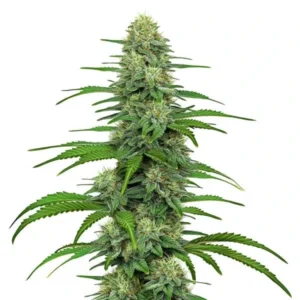
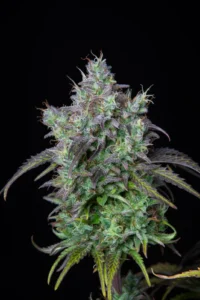
GG4
|
|
THC | 27% (High) |
|
|
Lineage | Chem Sis x Sour Dubb x Diesel Chocolate |
|
|
Type | Feminized |
|
|
Height | 6.56 ft | 2 m |
|
|
Yield | High |
|
|
Yield Indoor | 1.64 - 1.97 oz/ft² | 500 - 600 g/m² |
|
|
Yield Outdoor | 24.69 - 28.22 oz/plant | 700 - 800 g/plant |
|
|
Flowering Time | 8 - 10 weeks |
|
|
Phenotype | 40% Indica / 60% Sativa |

|
Medical | Anxiety, Depression, Pain |
|
|
Effects | Happy, Relaxed, Talkative |
|
|
Flavors | Fruity, Pine, Spicy |
Identifying the correct issue is vital for effective treatment. If your Gorilla Glue 4 plants are showing signs of distress, such as yellowing leaves, it might be time to consider whether zinc deficiency or chlorosis is the culprit. Both conditions can lead to decreased yields and potency, but with the right knowledge and approach, they can be managed successfully.
Diagnosing Zinc Deficiency vs Chlorosis in Cannabis
Diagnosing these issues early is key to maintaining the health and productivity of your cannabis plants. Observing the symptoms and identifying their underlying causes will guide you in choosing the appropriate treatment. Let’s break down the specific signs and diagnostic steps for each condition.
When diagnosing zinc deficiency vs chlorosis in cannabis, it is important to consider the age of the leaves affected and the pattern of yellowing. Zinc deficiency symptoms in cannabis plants typically affect new growth with interveinal yellowing, while chlorosis causes in cannabis leaves often impact older foliage first. Utilizing tools like soil test kits can be beneficial in confirming nutrient levels and ensuring that issues are not misdiagnosed, which is crucial for strains like Sour Diesel that demand precise care. Recognizing these differences can save time and resources, leading to more effective treatment strategies.
Identifying Zinc Deficiency in Cannabis Cultivation
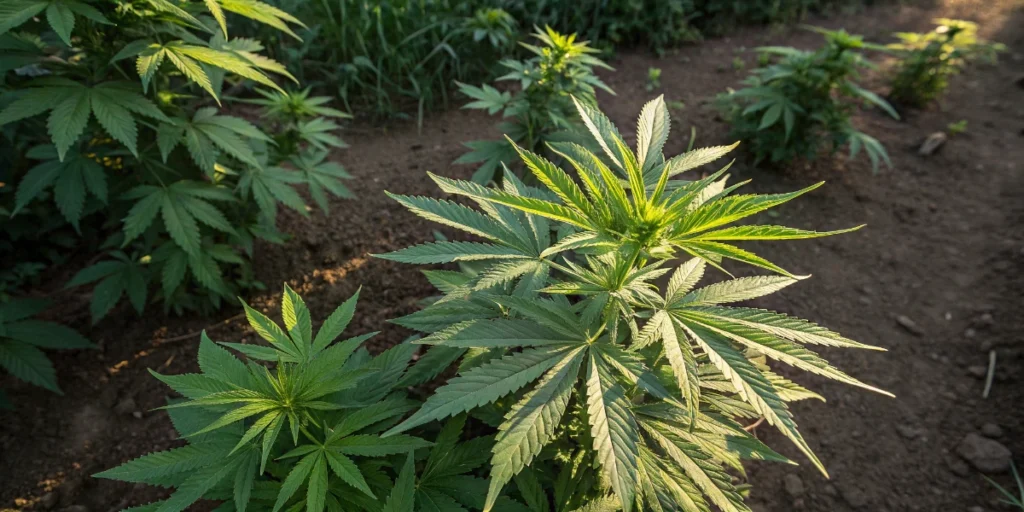
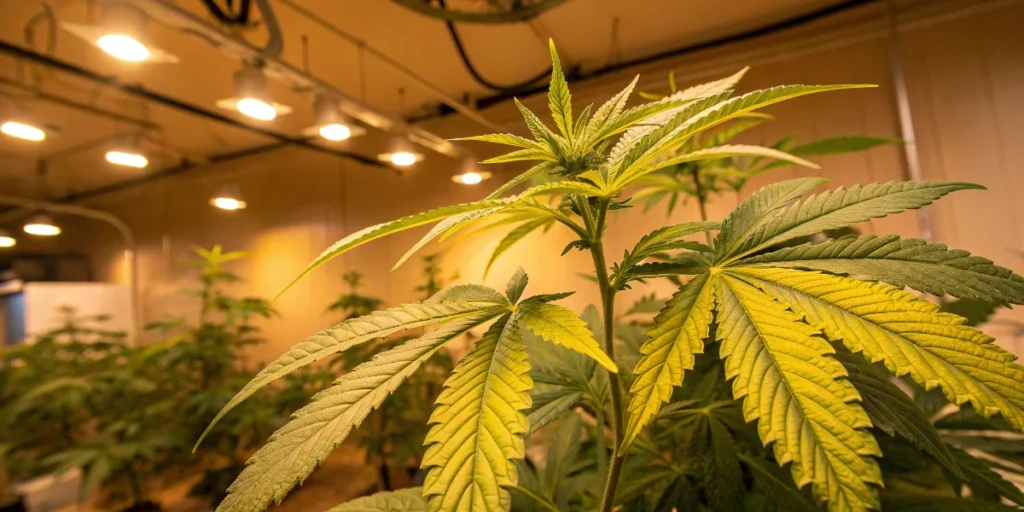
Zinc deficiency symptoms in cannabis plants often manifest as interveinal chlorosis on new growth, where the space between the veins turns yellow while the veins themselves remain green. This is usually accompanied by reduced leaf size and a shorter distance between nodes, leading to a compact appearance.
Bruce Banner 3 Auto is particularly sensitive to nutrient imbalances, including zinc. When cultivating this strain, ensure that your soil or hydroponic solution contains adequate zinc levels. Testing your soil or water’s nutrient content regularly can prevent deficiencies before they impact your crop.
Chlorosis Causes in Cannabis Leaves
Chlorosis in cannabis leaves can result from multiple factors. While it might seem similar to zinc deficiency, chlorosis generally affects older leaves first. Common causes include overwatering, poor drainage, or a deficiency in nutrients like nitrogen or iron.
For Sour Diesel, a strain known for its vigorous growth and high yields, maintaining optimal nutrient levels is essential. Regular monitoring and adjusting of pH and nutrient balance will help prevent chlorosis and ensure your plants remain healthy and productive.
How to Treat Chlorosis in Cannabis Plants
Once you’ve identified chlorosis, addressing the underlying cause is crucial for recovery. Treatment will vary depending on the specific factor causing the chlorosis, whether it’s nutrient-related or environmental.
When learning how to treat chlorosis in cannabis plants, quick action is necessary to mitigate damage. Start by adjusting irrigation practices to prevent overwatering, which is a common chlorosis cause in cannabis leaves. For Gorilla Glue 4, optimizing the light spectrum and intensity can also promote recovery by enhancing photosynthesis and nutrient uptake. Implement a consistent watering schedule that allows the soil to dry out between waterings, and tailor nutrient applications to address any identified deficiencies, ensuring that your plants have the resources they need to thrive.
Adjusting Nutrient Levels
If chlorosis is due to a nutrient deficiency, adjusting your feeding regimen is the first step. Ensure your cannabis plants receive a balanced diet with the necessary macro and micronutrients. For Gorilla Glue 4, a robust strain with high THC levels, providing a well-rounded nutrient solution will help prevent and correct chlorosis.
Consider using chelated nutrient solutions, which are more readily available to plants, especially if the chlorosis is due to iron deficiency. Regularly check and adjust the pH of your growing medium to ensure nutrient uptake is not hindered.
Improving Environmental Conditions
Environmental factors like poor drainage or inadequate light can also lead to chlorosis. Ensure that your growing medium allows for adequate drainage to prevent root rot, which can exacerbate chlorosis symptoms. For all cannabis strains, including Bruce Banner 3 Auto, maintaining a consistent light schedule is vital for healthy growth.
Adjust your watering practices to avoid waterlogging, and consider using containers with adequate drainage holes. Improving airflow around your plants with fans can also help maintain optimal growing conditions and reduce the risk of chlorosis.
Preventing Zinc Deficiency in Cannabis
Prevention is always better than cure, especially when it comes to nutrient deficiencies. Here are some strategies to prevent zinc deficiency in your cannabis cultivation.
To prevent zinc deficiency in cannabis, particularly in sensitive strains like Bruce Banner 3 Auto, it’s important to implement a proactive approach. This includes selecting a nutrient-rich growing medium and employing a balanced feeding schedule that includes essential micronutrients. Additionally, for hydroponic systems, regularly calibrate nutrient solutions to ensure stability and prevent imbalances. By doing so, you can maintain the health of your plants and avoid the detrimental impact of zinc deficiency symptoms in cannabis plants, which can lead to reduced growth and flower production.
Choosing the Right Growing Medium
Your choice of soil or hydroponic solution plays a significant role in zinc availability. Opt for a high-quality medium that provides balanced nutrients. For Gorilla Glue 4, using an enriched soil mix with added micronutrients can help prevent deficiencies.
When growing in hydroponics, ensure that your nutrient solution includes zinc. Regular testing and adjustments are necessary to maintain optimal nutrient levels and prevent any deficiencies from arising.
Regular Nutrient Monitoring
Conduct regular nutrient tests to keep track of the levels in your growing medium. This practice is particularly important for strains like Sour Diesel, which can have high nutrient demands during their flowering stage. By monitoring and adjusting nutrient levels, you can ensure your plants receive everything they need for robust growth.
Using a calibrated pH meter, maintain a pH level that allows for optimal nutrient uptake. This is critical for preventing zinc deficiency, as pH imbalances can hinder the plant’s ability to absorb zinc.
Common Mistakes in Cannabis Cultivation
Even experienced growers can make mistakes that contribute to zinc deficiency or chlorosis. Avoiding these common pitfalls will help you maintain a healthy crop and maximize your yield.
One common mistake when addressing zinc deficiency vs chlorosis in cannabis is neglecting the unique requirements of each strain. For example, Bruce Banner 3 Auto may require more meticulous nutrient management due to its sensitivity, while Sour Diesel might suffer from chlorosis if subjected to inconsistent watering practices. Managing the specific needs of Gorilla Glue 4 in terms of light and nutrient demands can prevent common cultivation errors, leading to healthier plants and more bountiful harvests. Awareness and adaptation are key to avoiding these pitfalls and ensuring successful cannabis cultivation.
Overwatering and Poor Drainage
Overwatering is a frequent mistake that leads to nutrient deficiencies and chlorosis. Ensure that your plants are watered appropriately, allowing the soil to dry out between waterings. This prevents root rot and promotes healthy root development.
For strains like Bruce Banner 3 Auto, which can be sensitive to environmental stress, using well-draining pots and adjusting your watering schedule according to the plant’s stage of growth will help avoid these issues.
Neglecting pH Levels
Neglecting to monitor and adjust pH levels is another common error. Cannabis plants require a specific pH range to absorb nutrients effectively. Regularly test and adjust the pH of your growing medium to ensure your plants can access the nutrients they need.
For Sour Diesel, maintaining a consistent pH level is crucial throughout its lifecycle. Use pH-adjusting solutions to correct any imbalances promptly, preventing nutrient lockout and promoting healthy growth.
FAQ
What are the primary symptoms of zinc deficiency vs chlorosis in cannabis?
Zinc deficiency often presents as interveinal chlorosis on new growth, with smaller leaves and shortened internodes. This is distinct from general chlorosis, which typically affects older leaves first and may be due to various nutrient imbalances or environmental factors.
These distinctions are crucial for effective treatment. For example, Bruce Banner 3 Auto may show zinc deficiency symptoms if micronutrient levels are not carefully managed, while Sour Diesel could develop chlorosis from improper watering practices.
What environmental factors contribute to chlorosis in cannabis leaves?
Chlorosis can be caused by several environmental factors, including poor drainage, overwatering, and inadequate light. Ensuring that your growing medium allows for proper drainage and that plants receive sufficient light are critical steps in prevention.
For example, ensuring that Sour Diesel plants are not waterlogged and are exposed to consistent light can help prevent chlorosis and ensure healthy growth.
What steps should I take if I suspect chlorosis in my cannabis plants?
If you suspect chlorosis, first identify the underlying cause by evaluating nutrient levels, watering practices, and environmental conditions. Adjust your feeding regimen to correct any nutrient imbalances and ensure that your growing medium allows for proper drainage.
For strains like Gorilla Glue 4, addressing these factors promptly will help restore plant health and prevent further damage, ensuring a successful harvest.