
Cannabis cultivation is a delicate balance of several environmental factors, among which light and temperature significantly impact the plant’s brix levels. Brix is a measure of the sugar content in plant saps and is crucial for determining the quality and potency of cannabis. By fine-tuning light and temperature conditions, growers can optimize the brix levels, leading to healthier plants and potentially higher yields.
Light and temperature are two of the biggest levers on your Brix numbers, but they are only part of the picture. To see how these readings fit into a complete, measurement-led grow, our guide to data-driven, Brix-based cultivation ties environment, nutrition and testing together into one practical, results-focused workflow you can follow start to finish.
Recommended Strains
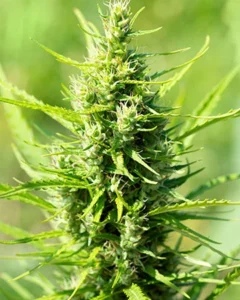
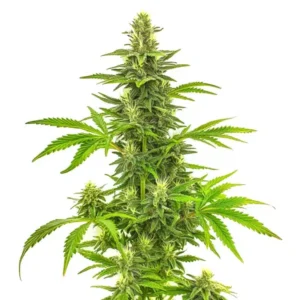
GG Fem

|
THC | 25% - 28% (High) |

|
Lineage | Chem's Sister x Chocolate Diesel |

|
Type | Feminized |

|
Height | 6.56 ft | 2 m |

|
Yield | High |

|
Yield Indoor | 1.67 oz/ft² | 510 g/m² |

|
Yield Outdoor | 15.87 oz/plant | 450 g/plant |

|
Flowering Time | 9 - 10 weeks |

|
Phenotype | 70% Indica / 30% Sativa |

|
Effects | Euphoric, Happy, Relaxed |

|
Flavors | Chocolate, Coffee, Earthy, Pine |
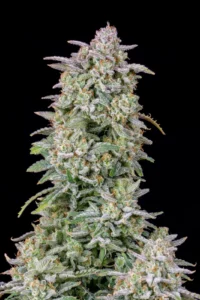
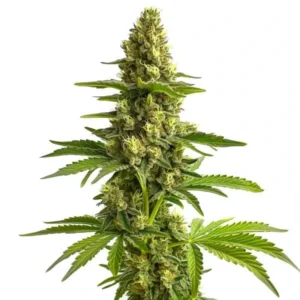
Forbidden Runtz Auto
|
|
THC | 23% - 26% (High) |
|
|
Lineage | Forbidden Fruit x Runtz x Ruderalis |
|
|
Type | Autoflowering |
|
|
Height | 3.94 ft | 1.2 m |
|
|
Yield | High |
|
|
Yield Indoor | 1.47 - 1.8 oz/ft² | 450 - 550 g/m² |
|
|
Life Cycle | 9 - 10 weeks |
|
|
Phenotype | 65% Indica / 35% Sativa |
|
|
Effects | Relaxed, Happy, Hungry |
|
|
Flavors | Earthy, Fruity, Sweet |
Recognizing how light and temperature affect brix in cannabis is essential for both novice and experienced cultivators. The effects of light on cannabis brix levels are profound. Different light spectrums can either enhance or hinder brix development, influencing the plant’s ability to produce sugars. Similarly, temperature plays a pivotal role in brix levels, as it affects photosynthesis and respiration rates, which are critical for sugar production.
Growlantis offers strains like Gorilla Glue, Forbidden Runtz Auto, and Bruce Banner Fast Blooming that respond uniquely to these environmental factors. Each strain has distinct characteristics that make it suitable for various growing conditions. Recognizing the relationship between temperature and brix in cannabis cultivation for these strains can guide you in creating optimal environments for your plants.
Effects of Light on Cannabis Brix Levels
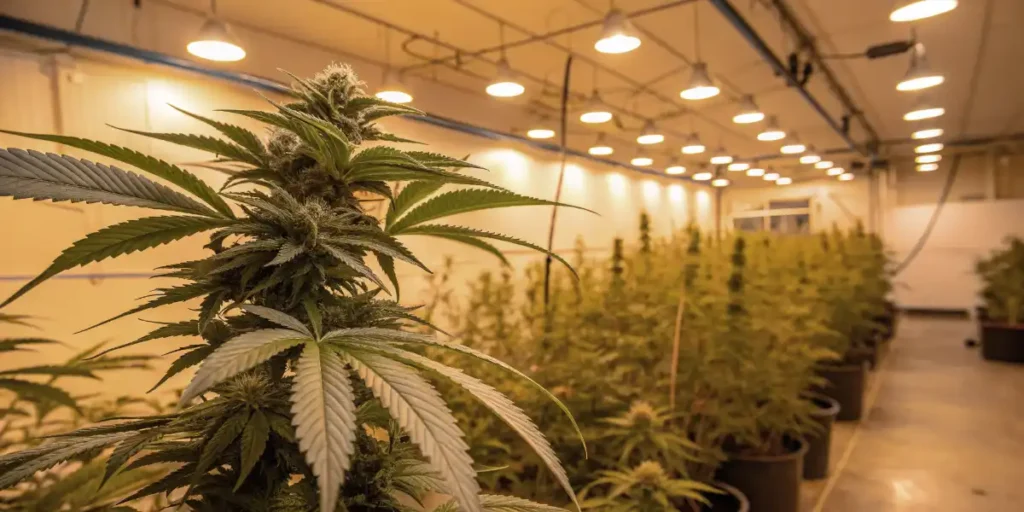
Light is a crucial environmental factor in cannabis cultivation, directly affecting the brix levels. The quality and intensity of light determine the plant’s photosynthetic efficiency, which in turn influences sugar production. Growers must choose the right light spectrum to optimize brix levels.
To further understand how light and temperature affect brix in cannabis, it’s important to consider the timing and adjustment of light exposure. For example, transitioning from vegetative to flowering phases requires careful manipulation of light cycles to avoid potential stress that could reduce brix levels. Strains like Gorilla Glue, which thrive on precision, benefit significantly from such controlled lighting environments. This precision ensures that the plants are not only receiving adequate light but that the exposure is optimized for maximum sugar production throughout the growth cycle.
Light Spectrum and Brix Development
The light spectrum encompasses various wavelengths, each having a different effect on cannabis plants. Blue light, for example, is known for promoting vegetative growth and can indirectly enhance brix levels by increasing the plant’s overall health and vigor. On the other hand, red light is crucial during the flowering stage, helping to maximize sugar production and thus brix levels.
Growlantis’ Gorilla Glue strain thrives under a balanced spectrum of blue and red light, leading to optimal brix development. Gorilla Glue is known for its robust trichome production and high THC content, which are enhanced by proper light conditions.
Light Intensity and Duration
Besides spectrum, light intensity and duration also significantly impact brix levels in cannabis. Higher light intensity generally boosts photosynthesis, increasing sugar production. However, too much intensity can stress the plants, reducing brix levels.
Forbidden Runtz Auto, another strain from Growlantis, is an excellent example of a strain that requires moderate to high light intensity for optimal growth. As an autoflowering strain, it benefits from consistent light exposure, which helps in maintaining steady brix levels throughout its growth cycle.
Temperature Influence on Cannabis Brix Development
Temperature is equally critical in influencing the brix levels in cannabis. It affects the enzymatic activities involved in photosynthesis and respiration, which are essential for sugar accumulation. Recognizing the optimal temperature range for cannabis can enhance brix development.
Exploring how light and temperature affect brix in cannabis reveals that maintaining a stable temperature is as vital as providing adequate light. Inconsistent temperatures can lead to fluctuations in brix levels, particularly during sensitive growth phases. For strains like Bruce Banner Fast Blooming, maintaining a consistent temperature can accelerate growth and enhance sugar production, leading to higher brix levels. This stability allows for predictable results and maximizes the potential of each plant, ensuring a high-quality harvest.
Optimal Temperature Ranges
Cannabis plants thrive in specific temperature ranges, which vary depending on the growth stage. During the vegetative phase, temperatures between 70-85°F (21-29°C) are ideal, while the flowering phase benefits from slightly cooler temperatures of 65-80°F (18-26°C). Maintaining these ranges can significantly enhance brix levels.
Bruce Banner Fast Blooming from Growlantis is known for its rapid growth and high yields. This strain performs well under controlled temperatures, ensuring that the brix levels remain optimal throughout its fast flowering period.
Temperature Fluctuations and Stress
Sudden temperature changes can stress cannabis plants, affecting their brix levels. Temperature stress can lead to a decrease in photosynthetic activity and sugar production. Growers should aim to keep temperature fluctuations minimal to maintain steady brix levels.
For strains like Gorilla Glue and Forbidden Runtz Auto, consistent temperature control is crucial. These strains are known for their resilience but can suffer from reduced brix levels if exposed to extreme temperature variations.
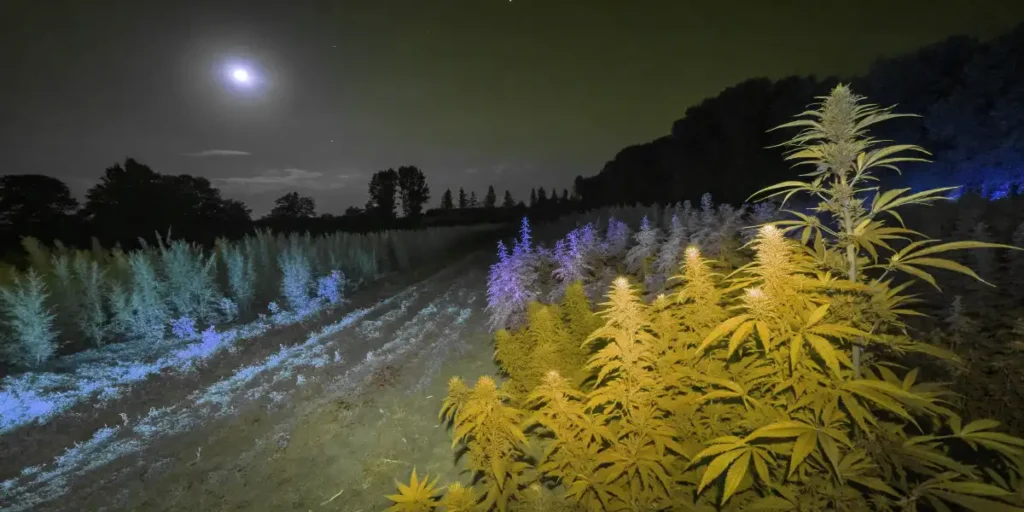
Optimizing Cannabis Brix Through Light and Heat Control
For successful cannabis cultivation, managing light and temperature effectively is key to maximizing brix levels. Here are some actionable tips for optimizing these conditions.
Recognizing how light and temperature affect brix in cannabis leads to the realization that consistent monitoring and adjustments are critical. Using advanced tools like light meters and temperature sensors can provide real-time data, allowing for immediate adjustments to maintain optimal growing conditions. For strains like Bruce Banner Fast Blooming, which demand precise environmental controls, such technologies can ensure that both light and temperature are maintained at levels that promote high brix development, ultimately leading to superior quality and yields.
Fine-Tuning Light Conditions
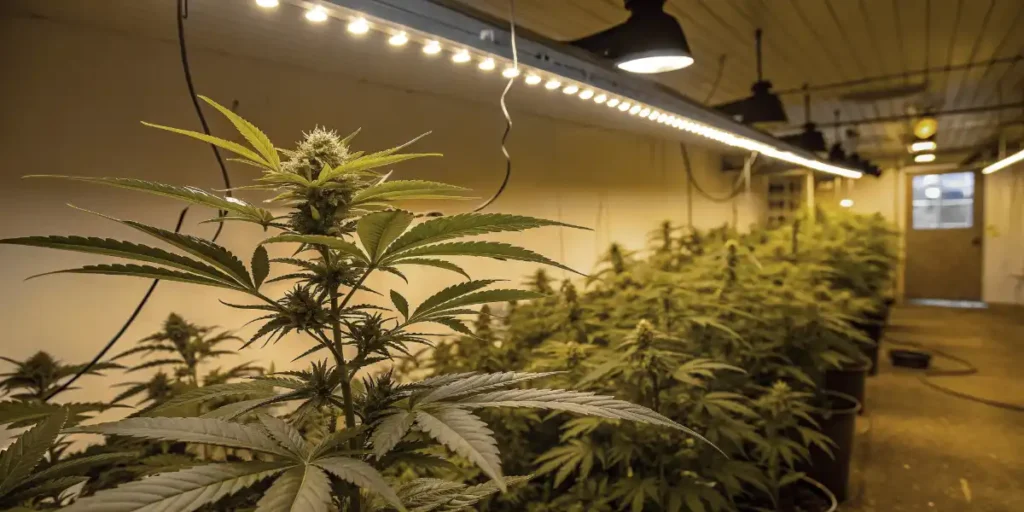
Experimenting with light spectrums and intensities can help find the perfect balance for your cannabis plants. Consider using full-spectrum LEDs, which provide a balanced range of wavelengths, to enhance brix levels. Adjust the light height and intensity based on the plant’s stage to avoid stress.
Bruce Banner Fast Blooming benefits from such adjustments, as its rapid growth demands specific light conditions to maintain high brix levels. Regularly monitoring plant responses to light changes can guide these adjustments.
Implementing Temperature Controls
Using climate control systems, such as fans and heaters, can help maintain optimal temperatures in your grow space. Ensure that your plants are not exposed to extreme temperatures, as this can drastically affect brix levels.
For strains like Gorilla Glue, maintaining a stable temperature environment is crucial. This strain can achieve high sugar content when grown in controlled conditions, leading to better taste and potency.
Impact of Environmental Factors on Cannabis Brix Measurement
Various environmental factors influence the measurement of brix levels in cannabis. Recognizing these factors can help growers accurately assess their plants’ health and quality.
Alongside recognizing how light and temperature affect brix in cannabis, growers must consider the impact of other environmental factors like airflow and CO2 levels. Adequate airflow ensures that plants receive sufficient carbon dioxide, which is critical for photosynthesis and sugar production. For strains like Forbidden Runtz Auto, maintaining balanced CO2 levels can enhance brix measurement accuracy, providing a clearer picture of plant health and ensuring that environmental conditions support optimal sugar content.
Humidity and Its Effects
Humidity levels can affect the transpiration rate of cannabis plants, indirectly influencing brix levels. High humidity can slow down transpiration, reducing the plant’s ability to transport nutrients and sugars effectively.
Forbidden Runtz Auto benefits from a balanced humidity environment. As an autoflowering strain, maintaining optimal humidity is crucial for consistent brix levels throughout its growth.
Soil and Nutrient Management
The quality of soil and the availability of nutrients play a significant role in brix development. Proper soil composition and nutrient balance ensure that cannabis plants have the necessary resources to produce sugars.
Bruce Banner Fast Blooming requires nutrient-rich soil to maximize its brix levels. Regular soil testing and nutrient adjustments can help maintain the ideal conditions for sugar production.
FAQ
What is brix and why is it important in cannabis cultivation?
Brix is a measure of the sugar content in plant saps, indicating the quality and potency of cannabis. High brix levels often correlate with better flavor, aroma, and overall plant health. By optimizing light and temperature conditions, growers can enhance brix levels, leading to superior cannabis products.
How does light affect brix levels in cannabis plants?
Light affects brix levels by influencing the photosynthetic process, which is responsible for sugar production in plants. Different light spectrums, intensities, and durations can either enhance or hinder brix development. Proper light management is essential for achieving optimal brix levels in cannabis.
Why is temperature control crucial for cannabis brix optimization?
Temperature control is crucial because it affects the enzymatic activities involved in photosynthesis and respiration. Maintaining optimal temperatures ensures that cannabis plants can efficiently produce sugars, leading to higher brix levels. Sudden temperature changes can stress plants, reducing their brix content.
Can specific cannabis strains thrive better under certain light and temperature conditions?
Yes, specific cannabis strains like Gorilla Glue, Forbidden Runtz Auto, and Bruce Banner Fast Blooming from Growlantis have unique requirements for light and temperature. Recognizing these requirements can help growers create optimal environments for each strain, enhancing their brix levels and overall quality.
What environmental factors, aside from light and temperature, influence brix levels in cannabis?
Besides light and temperature, factors such as humidity, soil quality, and nutrient availability also influence brix levels. Humidity affects transpiration rates, while soil and nutrients provide the necessary resources for sugar production. Managing these factors is essential for maintaining optimal brix levels in cannabis plants.