
Cannabis DNA testing can verify genetic relationships, distinguish cultivars, and support breeding or traceability. But “DNA certification” isn’t a universal regulated standard. Genetic testing can’t directly confirm a plant’s exact THC percentage, flowering time, yield, or effects. Reliable verification depends on validated markers, reference samples, and, when needed, chemical testing.
Certification is only as trustworthy as the science behind it. Most labs rely on PCR analysis to read specific genetic markers and confirm a sample’s identity. That same evidence feeds a bigger debate we tackle separately — whether strain names are scientifically reliable — since identical names often hide very different genetics from one breeder to the next.
Recommended Strains
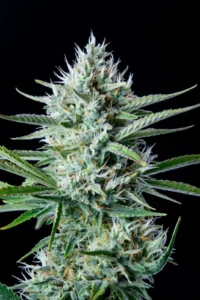
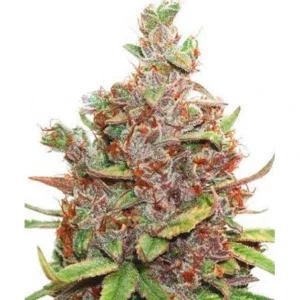
White Widow Auto

|
THC | 20% - 21% (Medium) |

|
Lineage | White Widow x Ruderalis |

|
Type | Autoflowering |

|
Height | 3.94 ft | 1.2 m |

|
Yield | High |

|
Yield Indoor | 1.31 - 1.64 oz/ft² | 400 - 500 g/m² |

|
Life Cycle | 9 weeks |

|
Phenotype | 70% Indica / 30% Sativa |

|
Effects | Focused, Relaxed |

|
Flavors | Musk, Spicy, Earthy, Sweet |
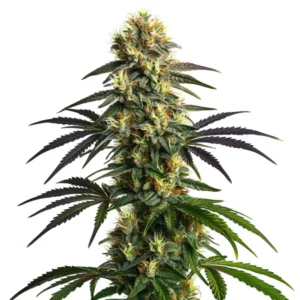
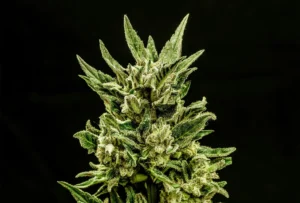
Gelato Fast Blooming
|
|
THC | 19% - 22% (Medium) |
|
|
Lineage | Gelato x Secret Hybrid |
|
|
Type | Fast Flowering |
|
|
Height | 4.92 ft | 1.5 m |
|
|
Yield | High |
|
|
Yield Indoor | 1.64 - 1.8 oz/ft² | 500 - 550 g/m² |

|
Yield Outdoor | 22.93 - 24.69 oz/plant | 650 - 700 g/plant |
|
|
Flowering Time | 6 - 8 weeks |
|
|
Phenotype | 50% Indica / 50% Sativa |

|
Medical | Fatigue, Muscle Spasms, Stress |
|
|
Effects | Happy, Relaxed, Talkative |
|
|
Flavors | Earthy, Sweet |
What is DNA certification for cannabis strains?
People commonly use the phrase “DNA certification for cannabis strains” to describe genetic testing meant to verify the identity or genetic relationship of a cultivar. The terminology needs to be used carefully, though.
There’s no single, universal cannabis DNA certification system, nothing comparable to an internationally standardized certification program that every breeder, seed company, or lab follows. A 2026 paper in Trends in Genetics pointed out the lack of formal cultivar registration and genetic verification systems in cannabis, and proposed a framework based on genetic fingerprinting and registration.
For that reason, “genetic verification” or “cannabis DNA testing” is usually more precise than simply calling a strain “DNA certified.”
What can cannabis DNA testing actually tell you?
DNA testing can provide useful information about cannabis genetics. Depending on the method and the reference material available, it may help researchers or breeders:
- Distinguish genetically different cultivars
- Compare related plants
- Build genetic fingerprints
- Examine population structure
- Investigate parentage
- Detect selected genetic markers
- Support breeding documentation
- Verify that samples belong to Cannabis sativa
- Investigate genes associated with cannabinoid biosynthesis
What it can’t do is directly measure every characteristic growers associate with a commercial strain. DNA alone doesn’t tell you the exact THC or CBD percentage, final yield, exact flowering time, aroma, flavor, effects, ideal nutrient schedule, or guaranteed disease resistance. Those characteristics involve genetics, but also environment, cultivation, and chemical composition.
How does cannabis DNA testing work?
Methods vary between labs, but the process generally has four stages.
1. Sample collection
A lab collects a small amount of plant material. Fresh leaf tissue often works well because it yields high-quality DNA, though testing can also be done on other plant material depending on the method.
2. DNA extraction
The lab extracts DNA from the plant cells. The quality and quantity of that DNA affects how reliable the later analysis will be.
3. Genetic analysis
The DNA is analyzed with one or more molecular techniques, which may include PCR, STR markers, SSR markers, SNP genotyping, DNA barcoding, next-generation sequencing, or whole-genome sequencing. Which method makes sense depends on what the lab is trying to determine.
4. Comparison and interpretation
The resulting DNA profile is compared with other samples, reference material, or a genetic database. This is where reference quality matters most: a genetic fingerprint has limited value for identifying a named cultivar if there’s no reliable reference sample representing that cultivar.
Can DNA testing identify a cannabis strain?
DNA testing can help distinguish cultivars, but strain identification isn’t always absolute. A 2025 study used whole-genome sequencing from 32 Cannabis sativa cultivars to build a reduced SNP panel that could differentiate the cultivars in the research, which shows the real potential of cannabis genetic fingerprinting. But the same study noted limits, including variation within a single cultivar and the need for larger, better reference datasets.
This matters because commercial cannabis naming has historically been inconsistent. Research has repeatedly shown that plants sold under the same strain name don’t always share an identical genetic profile. A DNA test is strongest when it compares a sample against a verified reference genetic line, not just the name printed on a package.
Why cannabis strain names can be unreliable
Cannabis breeding has involved decades of extensive hybridization, and the commercial naming system developed without any universal cultivar-registration framework. That’s created a situation where different genetics sometimes share the same commercial name, related genetics get sold under different names, similar cultivar names don’t guarantee genetic identity, and “indica” and “sativa” labels don’t always line up with genome-wide genetic structure.
One influential genomic study found that commonly reported strain names and indica/sativa ancestry didn’t always correspond closely with actual genetic structure. That’s part of why genetic fingerprinting has become more relevant to breeders and researchers.
Cannabis DNA testing vs. cannabinoid testing
These are two completely different types of testing.
DNA testing examines genetic information. It may reveal genetic identity, relatedness, specific alleles, cultivar differences, and cannabinoid-related genes.
Cannabinoid testing measures the chemical compounds actually present in a sample. Labs commonly use chromatography to measure THC, THCA, CBD, CBDA, CBG, and CBN.
The distinction matters: a DNA test can’t directly certify that a particular flower contains 25% THC. To verify actual potency, the flower itself has to undergo chemical testing.
Can DNA testing predict THC and CBD?
Only to a limited extent. Cannabis genetics include genes involved in cannabinoid biosynthesis, including THCA synthase and CBDA synthase, so genetic testing can provide information related to cannabinoid chemotype. Researchers have, for example, developed DNA-based techniques that can distinguish genetic patterns associated with THC-dominant and CBD-dominant cannabis.
But genetic potential isn’t the same as final cannabinoid concentration. Actual THC and CBD levels are also shaped by plant development, environment, cultivation conditions, harvest timing, which plant tissue is tested, and postharvest processing.
If the question is “what cannabinoids can this plant genetically produce,” DNA can help answer that. If the question is “exactly how much THC is in this flower,” you need chemical testing.

Genetic fingerprinting in cannabis
A genetic fingerprint is a pattern of DNA markers used to distinguish one sample from another. Researchers have used several marker types for cannabis fingerprinting, including STRs, SSRs, SNPs, and ISSRs. More recently, whole-genome sequencing has let researchers identify large numbers of SNPs and then select smaller panels that can efficiently differentiate cultivars.
A good genetic fingerprint can help answer questions like: are these two samples genetically the same? Are these plants closely related? Does this sample match a known reference? Are two supposedly different cultivars actually very similar? That’s useful for breeders, research programs, and genetic preservation.
Cannabis DNA testing and breeding
Genetic testing is especially useful in breeding programs. A breeder may use it to document parent plants, confirm genetic relationships, monitor breeding lines, detect unwanted genetic variation, support cultivar registration, and preserve genetic records. DNA information can also support marker-assisted selection when reliable markers have been validated for a particular trait.
That said, DNA shouldn’t replace phenotype selection. A breeder still needs to evaluate how plants actually grow and express their characteristics.
Growlantis’ guide on how to crossbreed cannabis covers the practical breeding process in more detail.
Can DNA testing confirm flowering time or yield?
Not directly. Flowering time and yield have a genetic component, but both are complex traits, and their final expression depends heavily on light, temperature, nutrition, growing medium, plant training, stress, environment, and plant health.
Genetic research may identify markers associated with particular traits, but sequencing a cannabis plant doesn’t produce a reliable prediction like “this plant will flower in exactly 8 weeks” or “this plant will yield 600 g/m².” Those claims require phenotype data and proper validation. This is one of the most important corrections to the previous version of this article.
Can cannabis DNA testing confirm effects?
No. Cannabis effects depend on much more than plant DNA. A person’s experience is shaped by THC concentration, CBD concentration, other cannabinoids, terpenes, dose, route of administration, individual tolerance, biological differences, and the context of use.
DNA testing can tell you about genetic potential, but it doesn’t measure the exact chemical composition of a harvested product or predict how a particular person will experience it. Claims that DNA testing can certify that a strain like Wedding Cake will always produce one particular effect go beyond what the test itself can show.
DNA testing vs. NGS for cannabis strains
Next-generation sequencing (NGS) is one technology used for cannabis genetic analysis, but not every cannabis DNA test requires it. A lab trying to answer a narrow question might use a small panel of genetic markers instead.
NGS becomes useful when researchers want to analyze large genomic regions, many SNPs, population diversity, whole genomes, cannabinoid-related genes, or complex genetic relationships. For cultivar authentication, researchers may sequence large datasets first, then develop a much smaller SNP panel for routine testing, which cuts cost and simplifies future verification.
Cannabis DNA testing and genetic preservation
Genetic verification can also support preservation. Cannabis genetics are maintained through seeds, clones, tissue culture, pollen, and genetic databases. DNA fingerprints add another layer of documentation by recording the genetic identity of important breeding material, which is useful when preserving older cultivars or maintaining several related breeding lines.
Growlantis also covers preservation from a breeding angle in its guide to the cannabis pollen bank.
Is cannabis DNA certification regulated?
Not through one universal global standard. The cannabis industry still lacks a single, universally accepted framework for genetic cultivar registration and verification.
That doesn’t mean genetic testing has no value; it means a certification claim’s credibility depends on who performed the test and how. Before trusting a “DNA certified” label, look for the lab’s name, the testing methodology, the genetic markers used, information about the reference sample, a sample or batch identifier, the testing date, the interpretation criteria, and the certificate or report itself.
Without that information, “DNA certified” can amount to little more than a marketing phrase.
What should a reliable cannabis DNA certificate include?
A credible genetic verification report should give enough detail for the result to be understood and checked independently:
- Sample ID, meaning exactly which plant or genetic material was tested
- Method: SNP, STR, sequencing, or another technique
- Reference material the sample was compared against
- The laboratory that performed the analysis
- The actual genetic findings
- An interpretation of what those findings can and can’t establish
A certificate that just shows a strain name and the phrase “100% authentic,” with no explanation of how authenticity was determined, deserves skepticism.
Does Growlantis offer DNA-certified seeds?
Growlantis sells cannabis seeds sourced from established breeders, but that shouldn’t automatically be described as DNA certification. Breeder provenance, product authenticity, and laboratory genetic certification are different things.
Unless a specific Growlantis product has undergone documented genetic testing by an identified lab, the site shouldn’t claim the seed is DNA certified. The existing article currently implies this for products including White Widow Auto and Gelato Fast Blooming, without providing a lab report or testing methodology to back it up. Removing that claim improves both accuracy and trust.
Why cannabis genetic verification matters
Cannabis genetic verification has real potential. It can improve cultivar identification, breeding documentation, genetic preservation, research reproducibility, intellectual property protection, and traceability.
A 2026 paper in Trends in Genetics argues that cannabis breeding would benefit from a genetic verification and cultivar-registration framework similar to systems already used in more mature agricultural industries. That’s a much stronger, more realistic use case than claiming DNA certification guarantees potency or cultivation performance.
Cannabis DNA testing: key takeaway
Cannabis DNA testing is a powerful tool for studying genetic identity and relationships. It can distinguish cultivars, build genetic fingerprints, support breeding, and help document genetic resources.
But cannabis DNA certification isn’t currently one universal regulated standard, and DNA testing has clear limits. It doesn’t directly measure THC concentration, guarantee flowering time, predict yield, or certify a specific psychoactive effect.
The strongest approach combines DNA testing for genetics, chemical testing for cannabinoid composition, and phenotype evaluation for plant performance. Those three answer different questions and shouldn’t be confused with each other.
FAQs about cannabis DNA testing
What is DNA certification for cannabis strains?
DNA certification for cannabis strains usually refers to genetic verification using DNA markers or sequencing to compare a plant with reference material. There’s no universal regulated certification system for cannabis cultivars, though, so results depend on the testing method, the reference database, sampling quality, and how genetic similarity is interpreted.
Can DNA testing identify a cannabis strain?
DNA testing can help distinguish cultivars and reveal genetic relationships, especially with validated markers and reliable reference samples. But commercial strain names aren’t always genetically consistent, so a DNA result can support cultivar identification without guaranteeing that every plant sold under the same name is genetically identical.
Can cannabis DNA testing confirm THC levels?
No. DNA testing can identify genes and variants associated with cannabinoid biosynthesis, but it doesn’t directly measure the THC or CBD concentration in harvested cannabis. Exact potency requires chemical analysis, such as chromatography. Genetics can point to potential or chemotype-related traits, while lab chemistry measures the cannabinoids actually present in the sample.
How is cannabis DNA testing performed?
It generally starts with collecting plant material, extracting DNA, and analyzing selected genetic markers or larger genomic regions. Labs may use PCR, STRs, SNP panels, or next-generation sequencing. The resulting genetic profile gets compared with reference samples or databases to look at identity, relatedness, population structure, or specific genetic characteristics.
Why is genetic verification useful for cannabis breeders?
It helps breeders document parent lines, distinguish related cultivars, reduce labeling errors, and preserve breeding records, and it can support marker-assisted breeding when validated trait-associated markers exist. Even so, DNA data should complement phenotype observations and chemical testing rather than replace real-world evaluation of plant performance.
Does Growlantis offer DNA-certified cannabis seeds?
The current Growlantis catalog shouldn’t be described as DNA certified unless individual products have documented lab genetic verification behind that claim. Selling seeds from established breeders is different from running a DNA certification service. Any certification claim should name the lab, method, reference standard, and specific batch or genetic material tested.