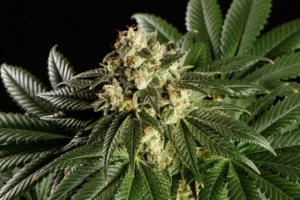


The process of tracking cannabis phenotype from genotype is a fascinating journey into the world of cannabis cultivation. This is where science meets nature. Recognizing how a plant’s genetic makeup can influence its observable characteristics is key for both novice and experienced growers. With technology advancing, growers can now predict how a cannabis plant will look, smell, and yield, simply by examining its genetic code.
By focusing on genetic markers for cannabis phenotype tracking, one can observe how different genotypes express themselves. This is crucial for anyone aiming to optimize their cannabis crop for specific traits, whether it’s higher THC levels, unique flavors, or shorter flowering times. The ability to predict these traits from genetic data is a game changer for cultivators.
Recommended Strains
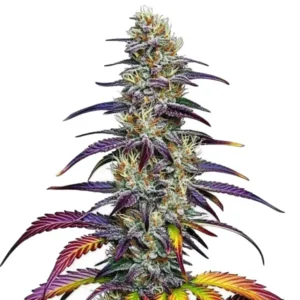
Blue Dream

|
THC | 17% - 24% (High) |

|
Lineage | Blueberry x Haze |

|
Type | Feminized |

|
Height | 6.56 ft | 2 m |

|
Yield | High |

|
Yield Indoor | 1.97 oz/ft² | 600 g/m² |

|
Yield Outdoor | 17.64 - 24.69 oz/plant | 500 - 700 g/plant |

|
Flowering Time | 8 - 10 weeks |

|
Phenotype | 50% Indica / 50% Sativa |

|
Medical | Fatigue, Muscle Spasms, Stress |

|
Effects | Happy, Relaxed, Talkative |

|
Flavors | Berry, Blueberry, Mango, Sweet |
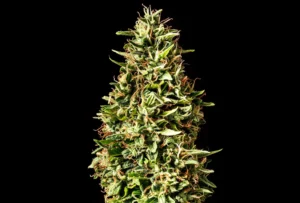
Runtz Auto
|
|
THC | 26% - 27% (High) |
|
|
Lineage | Gelato x Zkittlez x Ruderalis |
|
|
Type | Autoflowering |
|
|
Height | 7.05 ft | 2.15 m |
|
|
Yield | High |
|
|
Yield Indoor | 1.47 - 1.64 oz/ft² | 450 - 500 g/m² |
|
|
Yield Outdoor | 3.53 - 5.29 oz/plant | 100 - 150 g/plant |
|
|
Life Cycle | 8 - 9 weeks |
|
|
Phenotype | 50% Indica / 50% Sativa |
|
|
Effects | Balanced |
|
|
Flavors | Earthy, Floral, Sweet |
Take the Blue Dream strain from Growlantis, for instance. Known for its balanced effects and sweet berry aroma, Blue Dream’s phenotype is a direct result of its genotype. By mapping the genotype to phenotype, growers can ensure their Blue Dream plants meet the high expectations set by this popular strain. This is where cannabis genotype to phenotype mapping techniques become invaluable.
Moreover, strains like Runtz Auto and Runtz X Layer Cake demonstrate the variety of phenotypic expressions possible from a single genetic lineage. These strains offer unique growing challenges and rewards, showing how the influence of genotype on cannabis phenotype expression plays out in real-world scenarios.
Genetic Markers and Their Importance
Genetic markers are specific sequences in the genome that can be used to identify particular traits. In cannabis, these markers help growers track the phenotype from the genotype by pinpointing the genes responsible for desired characteristics. This process is integral for breeders and cultivators aiming to produce specific traits.
The ability to forecast traits like flowering time, cannabinoid content, and pest resistance can significantly affect cultivation strategies. For example, Runtz Auto, a strain from Growlantis, is cherished for its quick flowering time and robust yields. By identifying the genetic markers that contribute to these traits, cultivators can ensure consistent results with each growing cycle.
Markers also aid in distinguishing between similar strains. For instance, while both Runtz Auto and Runtz X Layer Cake hail from the same lineage, their phenotypes can vary greatly. Through precise genetic analysis, growers can identify markers that differentiate these strains, allowing for targeted cultivation techniques.
Incorporating genetic markers into your growing strategy not only saves time but also maximizes yield and quality. This approach ensures that each seed planted has the highest potential for success, reducing the guesswork involved in traditional breeding methods.
Another practical application of genetic markers in tracking cannabis phenotype from genotype is their role in developing pest-resistant strains. By isolating genetic markers associated with natural resistance, cultivators can focus on producing strains like Blue Dream and Runtz X Layer Cake that are less susceptible to common pests, enhancing their resilience and reducing reliance on chemical interventions.
Mapping Techniques from Genotype to Phenotype
Mapping the genotype to phenotype involves a series of techniques that translate genetic data into observable traits. This process is essential for anyone serious about breeding or cultivating cannabis, as it provides a roadmap for achieving specific outcomes.
One popular method involves genome-wide association studies (GWAS), which identify correlations between genetic variations and phenotypic traits. For example, the high THC content in Blue Dream is a trait that can be traced back to specific genetic variations identified through GWAS. This technique allows growers to select seeds that will reliably produce high-THC plants.
Another technique is quantitative trait loci (QTL) mapping, which helps in recognizing complex traits influenced by multiple genes. Runtz X Layer Cake, known for its intricate flavor profile and potency, is an example where QTL mapping can be used to enhance these desirable traits by recognizing the genetic interactions at play.
These mapping techniques provide cultivators with the tools needed to optimize their crops based on genetic data, improving both the predictability and quality of their cannabis plants.
An often overlooked aspect of cannabis genotype to phenotype mapping techniques is their ability to streamline breeding programs. By accurately predicting phenotypic outcomes, breeders can more efficiently create new variants of Blue Dream or Runtz Auto, focusing on enhancing specific traits such as yield or cannabinoid profiles, thus expediting the development of superior cannabis strains.
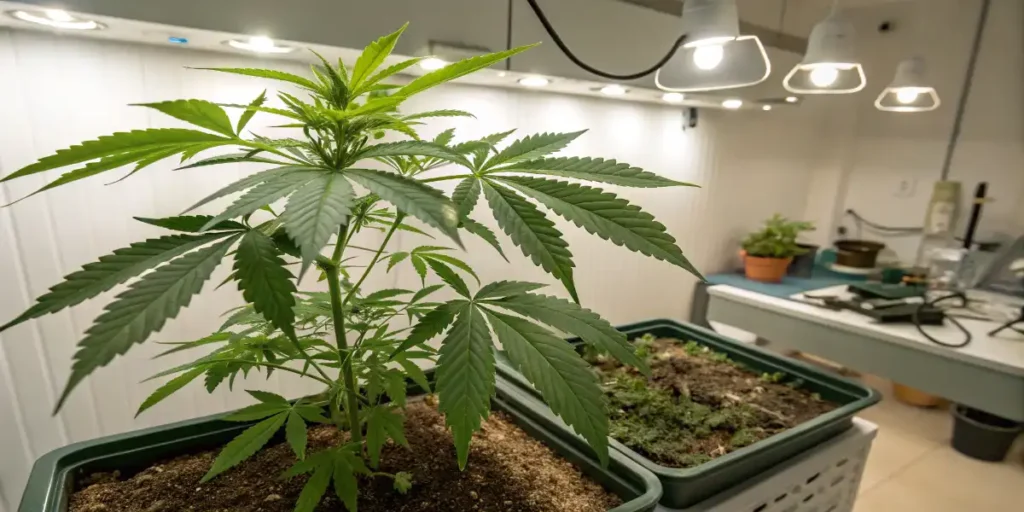
Influence of Genotype on Phenotype Expression
The influence of genotype on cannabis phenotype expression cannot be overstated. While environmental factors like light, water, and nutrients play a role, the genetic blueprint is what ultimately dictates a plant’s potential.
For novice growers, recognizing this relationship can be the difference between a successful harvest and a disappointing yield. Blue Dream, for instance, thrives in environments that complement its genetic predispositions, such as warm climates and controlled humidity levels. By catering to these needs, growers can ensure that the plant expresses its desired traits fully.
Experienced growers often manipulate environmental conditions to accentuate certain phenotypic expressions. With Runtz Auto, manipulating light schedules can enhance its already impressive yield, showcasing how genotype-directed growth can be optimized through environmental management.
The relationship between genotype and phenotype is a dance between nature and nurture. Recognizing this dynamic helps growers make informed decisions about their cultivation practices, leading to superior cannabis products.
Moreover, the influence of genotype on cannabis phenotype expression is evident in how Runtz X Layer Cake responds to different nutrient regimes. By adjusting nutrient levels to align with genetic predispositions, growers can enhance specific phenotype traits such as flavor complexity or potency, demonstrating the power of genotype-informed cultivation strategies.
Tracking Phenotype Variation in Cannabis Genetics
Tracking phenotype variation in cannabis genetics involves monitoring how different environmental and genetic factors interact to produce diverse traits. This is crucial for growers aiming to produce consistent, high-quality cannabis.
For strains like Runtz X Layer Cake, which boasts a complex mix of flavors and effects, tracking these variations can help maintain the strain’s signature profile across different growing conditions. By analyzing genetic data, growers can identify which environmental factors most significantly impact phenotype expression.
One practical way to track phenotype variation is through detailed record-keeping. By documenting conditions such as temperature, humidity, and nutrient levels alongside genetic data, growers can identify patterns that lead to optimal phenotypic expression. This practice is particularly beneficial for maintaining the integrity of high-demand strains like Blue Dream.
Ultimately, the ability to track and predict phenotype variations empowers growers to produce cannabis that consistently meets quality standards, ensuring satisfaction for both cultivators and consumers.
Tracking cannabis phenotype from genotype also allows for the refinement of cultivation techniques over time. By analyzing historical data from multiple growth cycles of strains like Blue Dream and Runtz Auto, growers can identify subtle changes in phenotype expression and adjust their strategies accordingly, leading to continuous improvement in crop quality and yield.

FAQ
What is the importance of tracking cannabis phenotype from genotype?
Tracking cannabis phenotype from genotype is vital for enhancing the predictability and quality of cannabis crops. By recognizing how genetic information translates to observable traits, growers can optimize their cultivation practices to produce desired characteristics such as higher THC levels, unique flavors, or specific flowering times. This knowledge reduces the guesswork in breeding and cultivation, leading to more consistent and high-quality results.
How do genetic markers aid in cannabis cultivation?
Genetic markers are sequences in the cannabis genome that help identify specific traits. They are crucial for distinguishing between strains and predicting phenotypic outcomes. By using markers, growers can select for traits like flowering time, yield, and cannabinoid content, ensuring that each plant reaches its full potential. This approach streamlines the cultivation process and enhances the quality and consistency of cannabis products.
Can environmental factors influence cannabis phenotype despite genetic predispositions?
Yes, environmental factors play a significant role in phenotype expression alongside genetic predispositions. While genotype provides the blueprint for potential traits, factors such as light, water, nutrients, and climate conditions can influence the extent to which these traits are expressed. Experienced growers often manipulate these environmental conditions to enhance certain phenotypic expressions, achieving optimal results based on genetic potential.
What techniques are used for mapping cannabis genotype to phenotype?
Techniques like genome-wide association studies (GWAS) and quantitative trait loci (QTL) mapping are commonly used for mapping cannabis genotype to phenotype. GWAS identifies correlations between genetic variations and phenotypic traits, while QTL mapping helps understand complex traits influenced by multiple genes. These techniques provide a scientific basis for selecting and breeding cannabis plants with specific desired traits.
How does tracking phenotype variation improve cannabis cultivation?
Tracking phenotype variation improves cannabis cultivation by helping growers understand how different factors interact to produce specific traits. By monitoring variations in environmental conditions and genetic data, growers can identify the best practices for achieving consistent and high-quality phenotypic outcomes. This process is particularly important for maintaining the signature profiles of popular strains, ensuring they meet consumer expectations.