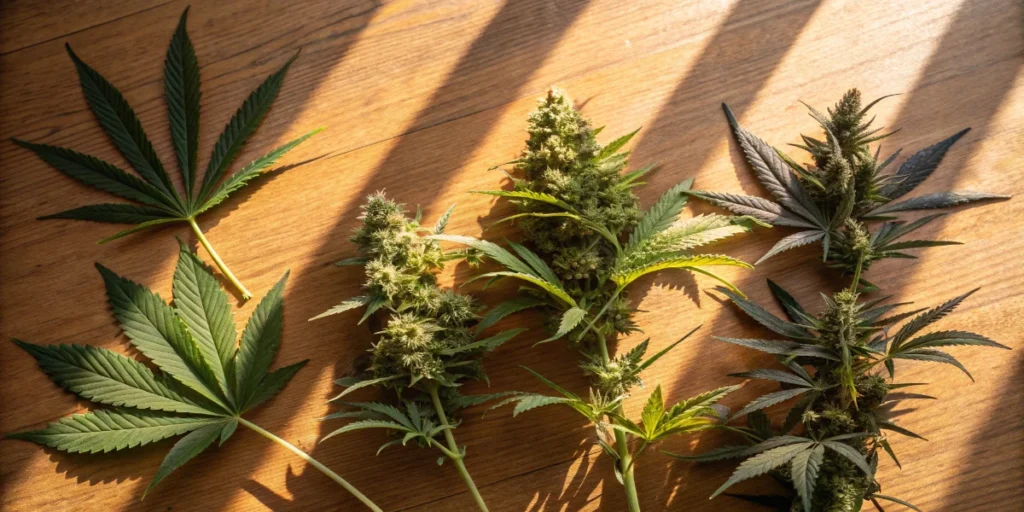

Cannabis strain names are useful commercial and cultural labels, but they aren’t scientifically reliable enough to guarantee genetic identity, cannabinoid profile, or effects. Studies have found that samples sharing the same name can be genetically or chemically different, while differently named samples can be closely related. Genetics, chemistry, and breeder provenance provide stronger evidence than the name alone.
Since a catchy name guarantees almost nothing, growers and buyers lean on measurable data instead. Our cannabinoid stability research shows how a cultivar’s THC and terpene profile can drift over time, while choosing genetically verified seeds backed by lab testing gives you a far more reliable starting point than the label printed on the packet.
Recommended Strains
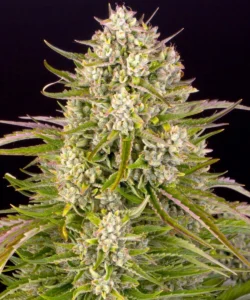
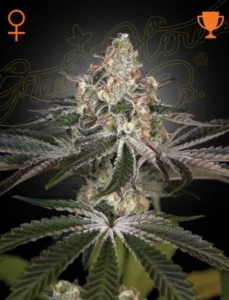
Wedding Cake Auto

|
THC | 26% - 27% (High) |

|
Lineage | Wedding Cake x BF Super Auto #1 |

|
Type | Autoflowering |

|
Height | 3.61 ft | 1.1 m |

|
Yield Outdoor | 6.35 - 8.82 oz/plant | 180 - 250 g/plant |

|
Life Cycle | 9 - 11 weeks |

|
Phenotype | 65% Indica / 35% Sativa |

|
Effects | Calming, Euphoric, Relaxed |

|
Flavors | Fruity, Berry |
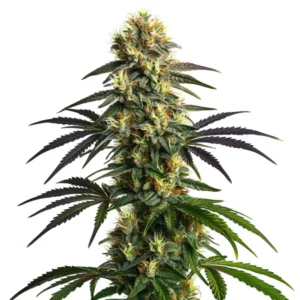
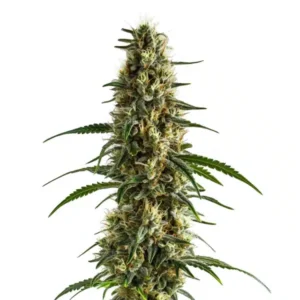
Gelato Fast Blooming
|
|
THC | 19% - 22% (Medium) |
|
|
Lineage | Gelato x Secret Hybrid |
|
|
Type | Fast Flowering |
|
|
Height | 4.92 ft | 1.5 m |

|
Yield | High |

|
Yield Indoor | 1.64 - 1.8 oz/ft² | 500 - 550 g/m² |
|
|
Yield Outdoor | 22.93 - 24.69 oz/plant | 650 - 700 g/plant |
|
|
Flowering Time | 6 - 8 weeks |
|
|
Phenotype | 50% Indica / 50% Sativa |

|
Medical | Fatigue, Muscle Spasms, Stress |
|
|
Effects | Happy, Relaxed, Talkative |
|
|
Flavors | Earthy, Sweet |
How reliable are cannabis strain names? Quick answer
| Claim | How reliable is the strain name? |
|---|---|
| Genetic identity | Limited |
| Exact THC percentage | Poor |
| Exact CBD percentage | Poor |
| Indica vs sativa genetics | Limited |
| Aroma or terpene profile | Variable |
| Effects | Poor |
| Breeder lineage | Useful when documented |
| Cultivar identification | Stronger with genetic verification |
| Product potency | Requires chemical testing |
A cannabis strain name can provide useful context, particularly when it comes from a reputable breeder with documented parentage. But the name alone shouldn’t be treated as scientific proof that two cannabis products are genetically or chemically identical.
Why cannabis strain names aren’t fully reliable
Cannabis developed a commercial naming system very differently from many established agricultural crops. For decades, cannabis breeding took place outside formal agricultural registration systems. Breeders created new hybrids, selected individual plants, and distributed genetics under names that weren’t necessarily connected to a centralized cultivar registry, while extensive hybridization was happening across cannabis populations at the same time.
The result is a market with thousands of strain names and no universal genetic standard defining what each name must represent. Names like OG Kush, Sour Diesel, Blue Dream, Gelato, Wedding Cake, and White Widow may describe recognizable genetic families or breeding histories, but seeing one of those names on a product doesn’t prove that every product carrying the same name is genetically identical.
What does the science say about cannabis strain names?
Genetic research has repeatedly found inconsistencies in commercial cannabis naming. One influential study analyzed more than 14,000 genetic markers from marijuana and hemp samples and compared cannabis samples carrying identical names with one another. In 6 of 17 comparisons, roughly 35%, samples turned out to be genetically more similar to differently named cannabis than to samples carrying their own strain name. The researchers concluded that a marijuana strain’s genetic identity couldn’t reliably be inferred from its name alone.
Later studies have found similar problems. Research examining commercial cannabis purchased from dispensaries across several U.S. states found genetic inconsistencies within many named strains. That doesn’t mean every strain name is meaningless, but the reliability varies considerably between strains, breeders, and producers.
Can two plants with the same strain name be genetically different?
Yes, and it’s one of the clearest limitations of cannabis naming. Two plants called the same thing may differ genetically because of different breeders, different parent selections, seed reproduction, phenotype selection, accidental mislabeling, deliberate renaming, genetic drift, or poor record keeping.
This matters especially when cannabis is reproduced from seed. Seeds produced from the same parents are siblings rather than genetically identical clones. They can inherit different combinations of parental genes and express different traits, and a breeder may still sell those plants under the same cultivar name even though individual plants aren’t genetically identical.
Clones vs seeds: why it matters for strain identity
Cannabis clones give more genetic consistency than seed-grown plants because clones are vegetative copies of the same parent plant. Two genuine clones from the same mother plant should share essentially the same genotype.
Seeds are different. Even seeds produced from well-stabilized genetics can show some variation, which means “same strain” doesn’t always mean “genetically identical plant.” Breeding stability can reduce variation, but it doesn’t turn sexually reproduced seeds into clones.
For growers interested in how new genetic combinations get created and stabilized, Growlantis also covers the process in its guide to how to crossbreed cannabis.
Can different strain names represent similar genetics?
Yes, and it’s the opposite problem. Cannabis samples carrying different commercial names can sometimes be genetically very similar. Genetic studies have found examples where differently named cannabis samples appeared highly related, or even genetically indistinguishable, using the markers analyzed.
This can happen when a cultivar gets renamed, closely related clones circulate under different names, branding changes between markets, breeders use similar parent genetics, or commercial naming becomes disconnected from provenance. It’s why the product name shouldn’t be treated as a biological classification system.
Are indica and sativa labels scientifically reliable?
Not as precise genetic categories. Commercial cannabis is frequently classified as indica, sativa, or hybrid, and consumers associate those labels with particular effects: sativa is often marketed as stimulating or uplifting, indica as relaxing or sedating.
Scientific research hasn’t found a clean genetic division matching those commercial labels. Genome-wide studies have found that reported indica and sativa ancestry only partially corresponds with actual genetic structure, and other research combining genetics and chemistry has reached similar conclusions. Modern commercial cannabis has been hybridized so extensively that a simple indica-versus-sativa label is generally too crude to describe its genetic identity accurately.
Are indica and sativa labels completely meaningless?
Not necessarily. They still carry cultural, horticultural, and commercial meaning. Historically, cannabis populations from different geographic regions developed different characteristics, and modern breeders can use indica and sativa terminology to describe plant morphology, breeding background, or expected growth habits.
The problem starts when the label gets treated as a precise scientific predictor. “80% indica” doesn’t necessarily mean genetic testing would divide a plant’s entire genome into exactly 80% indica and 20% sativa ancestry; those percentages are generally breeder descriptions rather than standardized genomic measurements.
Can a strain name predict THC percentage?
No. A commercial strain may have a typical or advertised THC range, but the name can’t guarantee the potency of an individual harvested batch. Actual cannabinoid concentration is affected by genetics, phenotype, growing environment, light, nutrition, plant maturity, harvest timing, drying, storage, and lab methodology.
Two products sold under the same strain name can test at substantially different THC concentrations. If the goal is to know how much THC is actually in a cannabis flower, chemical laboratory testing is the right tool, not the strain name.
Can cannabis DNA testing predict THC?
DNA can provide information about genes involved in cannabinoid production. Cannabis, for example, contains genes associated with THCA synthase and CBDA synthase, so genetic testing may help determine aspects of cannabinoid chemotype or genetic potential. But that’s different from measuring the final product. A DNA test can’t directly tell you that a harvested flower contains exactly 24.7% THC; that requires chemical analysis.
Growlantis’ guide to cannabis DNA testing and genetic verification covers this distinction in more detail.
Do strain names reliably predict terpenes?
Only partially. A large analysis of commercial cannabis chemistry in the United States found that some strain names showed greater terpene consistency than would be expected by chance, which suggests certain established strain names can carry meaningful chemical information. But consistency varied widely, and products sharing one strain name could still have substantially different chemical profiles.
The takeaway is nuanced: strain names aren’t completely random, but they aren’t reliable enough to substitute for chemical testing. When terpene information matters, a batch-specific lab analysis is more useful than assumptions based on the name.
Can strain names predict cannabis effects?
Not reliably. The experience cannabis produces depends on THC dose, CBD content, other cannabinoids, terpene composition, route of administration, previous cannabis exposure, individual biology, expectations, and environment. The same person may even react differently on different occasions.
Because products carrying the same strain name can differ chemically, the name alone is an especially poor predictor of effects. Statements like “all sativas are energizing” or “this strain will always make you sleepy” go beyond what the evidence supports.
Genetics vs chemotype vs phenotype
A more useful way to understand cannabis is to separate three concepts.
Genotype is the plant’s genetic information. DNA testing examines genotype.
Chemotype describes the plant’s chemical composition, including cannabinoids such as THC, CBD, and CBG, as well as terpenes and other compounds. Laboratory chemical testing examines chemotype.
Phenotype is what the plant actually expresses: height, flowering behavior, bud structure, color, aroma, yield, and resistance or susceptibility to environmental stress. Phenotype results from genetics interacting with the environment.
A strain name can’t fully replace information from any of these three categories.
Does breeder provenance make a strain name more reliable?
Yes. Knowing who produced the genetics gives considerably more context than the strain name alone. “Gelato” on its own is a broad commercial name, but a documented Gelato line from a specific breeder with known parentage provides more traceable information.
Useful breeder documentation may include parent genetics, generation, selection history, seed type, expected phenotype range, breeding method, and the original breeder. That doesn’t make every seed genetically identical, but it does make the name more meaningful because it’s tied to documented provenance.
Why cultivar is often better than strain
The cannabis industry commonly uses the word “strain,” but horticulturally the term “cultivar” is often more appropriate. A cultivar is a cultivated plant variety selected and maintained for particular characteristics.
“Strain” is deeply embedded in cannabis culture and search behavior, so there’s little reason to drop the word from consumer-facing content. But when discussing genetics scientifically, cultivar is often more precise. Even then, cannabis faces an underlying problem: many named cultivars have historically lacked formal registration and standardized genetic reference material.
Can DNA fingerprinting make cannabis names more reliable?
Potentially, yes. Genetic fingerprinting can compare DNA markers between cannabis samples, and researchers have used microsatellites, STR markers, SNP panels, and whole-genome sequencing to investigate cannabis identity and genetic relationships.
A validated genetic reference system could let producers compare a plant against an established cultivar profile, which would make cultivar verification considerably stronger than relying on the label alone. But genetic testing needs reliable reference material. You can’t conclusively prove that an unknown sample is the “true original” version of a strain if no authenticated original reference exists for comparison.
What should consumers look at instead of just the strain name?
The name can still be a useful starting point, but it shouldn’t be the only information you consider. For cannabis flower, look at:
- Breeder or producer: who made the genetics or final product
- Cannabinoid analysis: what the actual batch contains
- Terpene analysis: whether a terpene profile is available
- Genetic lineage: whether the parents are documented
- Batch information: whether the chemical analysis matches the exact product being sold
- Product type: flower, concentrate, edible, or another formulation
For seeds, breeder provenance and documented lineage matter even more.
Are famous cannabis strains more reliable?
Not automatically. A strain name becoming famous doesn’t create genetic standardization. In fact, commercially valuable names can create more incentive for unrelated products to be sold under recognizable branding.
Some established cultivars maintained mainly as clones may show stronger consistency, since the same genotype gets propagated repeatedly. Seed-based versions, crosses, and reinterpretations of the same famous name can introduce a lot more variation. So the real question isn’t “is this a famous strain,” but “what genetics does this particular product actually come from.”
Are cannabis strain names scientifically reliable? Key takeaway
Cannabis strain names are useful identifiers, but weak scientific guarantees. Research has found genuine genetic and chemical inconsistencies among commercially named cannabis products: the same strain name can appear on genetically different plants, and different names can sometimes describe closely related genetics. Indica and sativa labels don’t reliably represent genome-wide genetic structure, and strain names can’t guarantee exact THC concentration or effects.
That doesn’t mean cannabis names should be abandoned. They remain useful for describing breeding families, commercial products, and cultural history. The better approach is to treat the name as one layer of information. For stronger identification, combine breeder provenance, genetic information, chemical testing, and phenotype data, which gives a much more reliable picture of a cannabis cultivar than the strain name alone.
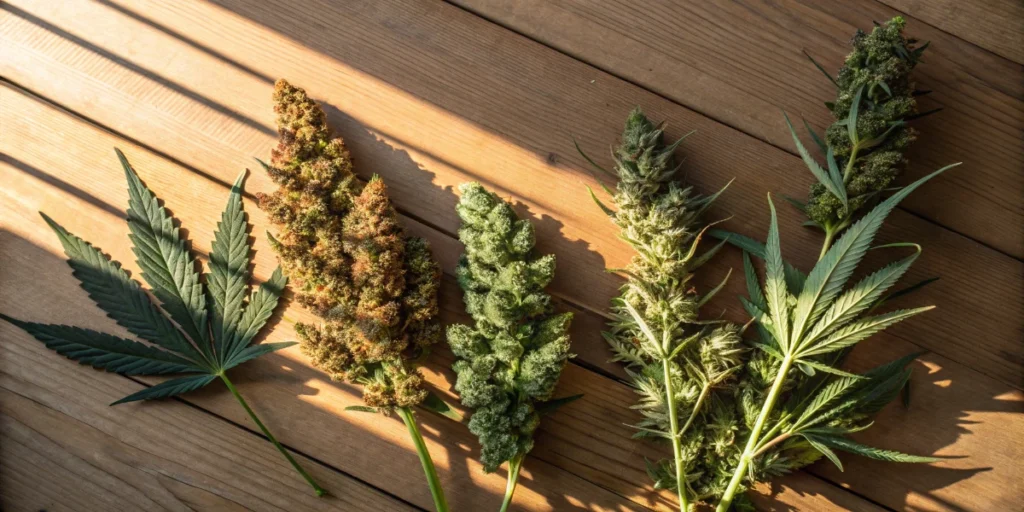
FAQs about cannabis strain names
Are cannabis strain names scientifically reliable?
Cannabis strain names aren’t scientifically reliable enough to guarantee genetic identity, chemical profile, or effects. Research has found inconsistencies among samples sold under the same name, while some differently named samples can be closely related. Strain names can still be useful commercial identifiers when breeder provenance and batch information are clear.
Can two cannabis plants with the same strain name be genetically different?
Yes. Multiple studies have found genetic differences among cannabis samples carrying the same commercial strain name. This can result from breeding history, seed-based reproduction, mislabeling, or different selections sold under one label. A shared name doesn’t prove that two plants are genetically identical or will produce identical chemistry.
Are indica and sativa labels scientifically accurate?
Not reliably. Genetic and chemical studies show that commercial indica, sativa, and hybrid labels often don’t correspond cleanly with genome-wide genetic structure or consistent chemical profiles. These labels may still describe breeder convention or consumer expectations, but they shouldn’t be treated as precise scientific predictors of genetics or effects.
Can a strain name predict THC or CBD levels?
No. A strain name may be associated with typical cannabinoid ranges from a breeder or producer, but it can’t guarantee the THC or CBD concentration of a specific harvested product. Actual potency depends on genetics, environment, cultivation, harvest, and testing, so cannabinoid levels should be verified through laboratory chemical analysis.
Can strain names predict effects?
Only very loosely. Effects depend on dose, cannabinoid concentration, terpene profile, route of administration, tolerance, and individual biology. Because products sharing a strain name can differ genetically and chemically, the name alone isn’t a reliable scientific predictor of whether a particular cannabis product will feel relaxing, stimulating, or otherwise distinctive.
What is more reliable than a cannabis strain name?
For genetics, breeder provenance and validated DNA fingerprinting provide stronger evidence than a name alone. For potency and composition, laboratory cannabinoid and terpene testing are more informative. For growers, phenotype observations and breeder documentation also matter. The most reliable picture comes from combining identity, chemistry, and real-world plant performance rather than one label.