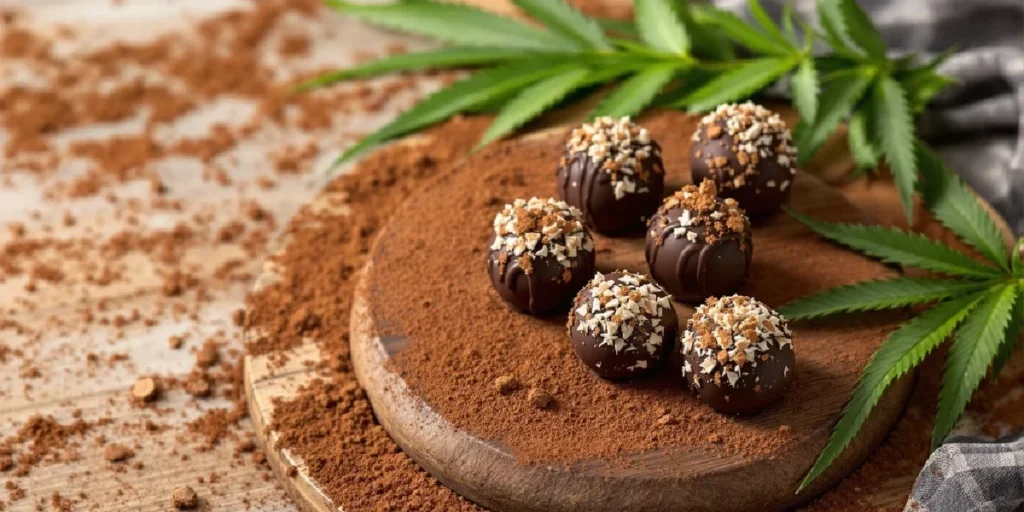
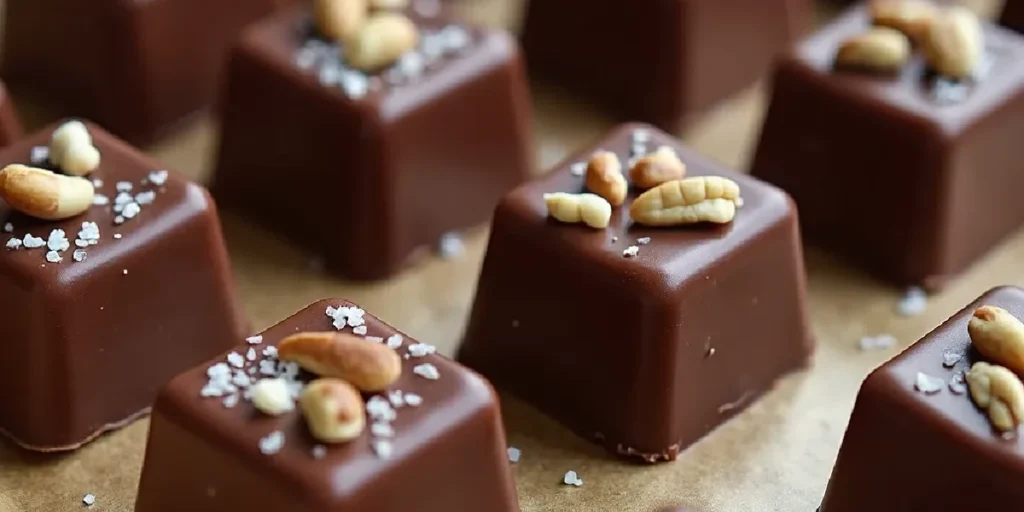

This cannabis chocolate recipe combines melted chocolate with a measured amount of cannabis-infused coconut oil, then divides the mixture into individual portions. For more predictable servings, calculate the total estimated THC before mixing and divide it by the number of chocolates. Start conservatively: edible effects can take hours to fully develop, and homemade potency should always be treated as an estimate.
How you consume cannabis changes the whole experience, from onset to how long it lasts. If you want to explore more, our articles on vaporizers versus vape pens and whether holding a hit does anything cover the practical details, so you can dose carefully and pick the method that suits the moment.
Recommended Strains
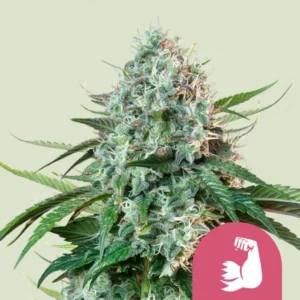
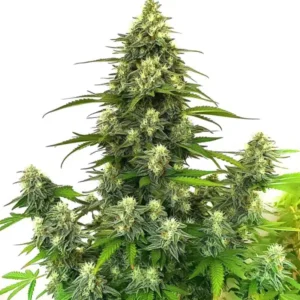
Hulkberry

|
THC | 26% - 27% (High) |

|
Lineage | OG Kush x Strawberry Diesel |

|
Type | Feminized |

|
Height | 5.91 ft | 1.8 m |

|
Yield | Medium |

|
Yield Indoor | 1.31 - 1.47 oz/ft² | 400 - 450 g/m² |

|
Yield Outdoor | 22.93 - 24.69 oz/plant | 650 - 700 g/plant |

|
Flowering Time | 9 - 11 weeks |

|
Phenotype | 35% Indica / 65% Sativa |

|
Effects | Focused, Uplifted |

|
Flavors | Citrus, Diesel, Herbal |
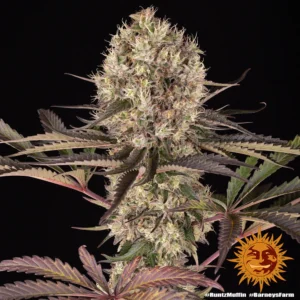
Ak Autoflower
|
|
THC | 16% - 18% (Medium) |
|
|
Lineage | Lowryder x AK - 47 |
|
|
Type | Autoflowering |
|
|
Height | 4.92 ft | 1.5 m |
|
|
Yield | Medium |
|
|
Yield Indoor | 1.15 - 1.47 oz/ft² | 350 - 450 g/m² |
|
|
Yield Outdoor | 21.16 - 24.69 oz/plant | 600 - 700 g/plant |
|
|
Life Cycle | 8 - 10 weeks |
|
|
Phenotype | 35% Indica / 65% Sativa |

|
Medical | Arthritis, Insomnia, Pain |
|
|
Effects | Creative, Focused, Hungry |
|
|
Flavors | Citrus, Mango, Spicy |
Cannabis Chocolate Recipe at a Glance
This version makes approximately 20 small pieces.
You will need 200 g (about 7 oz) of good-quality chocolate, a measured amount of cannabis-infused coconut oil, and any optional additions such as sea salt, chopped nuts or dried fruit.
The exact amount of infused oil depends on its estimated or labeled potency. If, for example, the oil contains 10 mg THC per mL and you use 5 mL, the entire batch contains approximately 50 mg THC. Divided into 20 equal pieces, that would be approximately 2.5 mg THC per piece.
With homemade infusions, however, that number is only an estimate. Extraction efficiency, starting-flower potency and uneven mixing can all introduce uncertainty.
Ingredients
For one batch, use 200 g dark, milk or white chocolate plus enough cannabis-infused coconut oil to provide the desired total estimated cannabinoid content.
Keep the amount of added oil relatively modest so the finished chocolate does not become excessively soft. If your infusion is very dilute and achieving the desired potency would require adding a large volume of oil, a more concentrated infusion is generally better suited to chocolate.
Optional additions can include a pinch of flaky sea salt, chopped almonds or hazelnuts, dried cranberries, orange zest or a small amount of vanilla.
The cannabis should already be decarboxylated and infused into the oil before it reaches the chocolate.
Equipment
A heatproof bowl set over a saucepan works well as a simple double boiler. You will also need a silicone spatula, chocolate or silicone molds, a kitchen scale and ideally a small measuring syringe or graduated dropper if the infused oil has a known concentration.
A thermometer is useful if you want greater control over the chocolate, although this easy recipe does not require professional tempering.
Step 1: Prepare Your Cannabis Infusion
If you already have cannabis-infused coconut oil with a known or estimated potency, you can skip directly to melting the chocolate.
If starting from raw flower, it first needs to undergo decarboxylation, the heating process that converts cannabinoid acids such as THCA into neutral cannabinoids such as THC.
Laboratory research demonstrates that THCA decarboxylation depends on both time and temperature. One controlled study found near-complete conversion at 110°C under its experimental conditions, with heating time strongly affecting the reaction.
That evidence does not create one perfect home-oven recipe because domestic ovens, flower moisture and cannabis chemistry vary.
For this reason, I would not repeat the original article’s claim that 240°F for 30–40 minutes is universally correct. A dedicated decarboxylation guide is a better place to explain the process in detail.
Once decarboxylated, the cannabis can be infused into coconut oil and filtered before being added to the chocolate.
Step 2: Calculate the Estimated THC Before Mixing
Do this before melting anything.
If your infused oil has a measured concentration, multiply:
THC per mL × mL of oil used = total THC in the batch
Then divide that number by the number of equal portions:
Total THC ÷ number of chocolates = estimated THC per piece
For example, if the oil contains 10 mg THC/mL and you add 5 mL, the batch contains approximately 50 mg THC.
If you divide it into 20 equal chocolates:
50 mg ÷ 20 = about 2.5 mg THC per piece.
For new or occasional cannabis consumers, Health Canada recommends considering edible products containing 2.5 mg THC or less and waiting for the effects before consuming more.
With homemade cannabis oil, always describe this number as an estimate, not a laboratory-confirmed dose.
What If You Only Know the THC Percentage of the Flower?
You can calculate a theoretical maximum, but it will be substantially less precise.
Suppose 1 gram of cannabis is labeled 20% total THC. That corresponds to roughly 200 mg of theoretical THC-equivalent material before processing losses.
If you used 3.5 grams at that potency, the theoretical starting amount would therefore be approximately 700 mg.
That does not mean your finished oil contains exactly 700 mg THC.
Decarboxylation losses, incomplete extraction, material left behind during filtering and uneven distribution all reduce the usefulness of that simple calculation.
For a homemade recipe, the theoretical calculation can help avoid accidentally making an extremely concentrated batch, but laboratory testing would be required for truly precise potency.
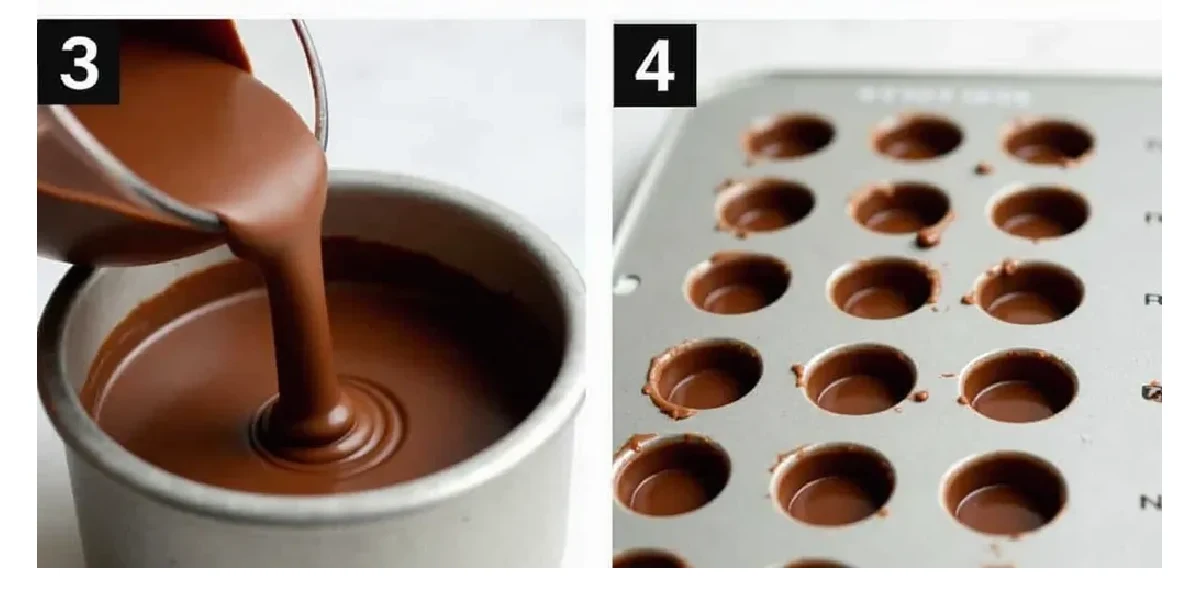
Step 3: Melt the Chocolate Gently
Chop the chocolate into relatively even pieces and place it in a dry heatproof bowl over gently simmering water.
Make sure the bottom of the bowl does not sit directly in the water, and keep water or steam out of the chocolate. Even a small amount of water can cause melted chocolate to seize.
Stir slowly until the chocolate is almost completely melted, then remove it from the heat and continue stirring until smooth.
The original article says keeping dark chocolate below 115°F automatically “retains its temper.” That is not how chocolate tempering works.
Proper tempering involves deliberately melting, cooling and reheating chocolate so stable cocoa-butter crystals form. For example, King Arthur Baking recommends melting dark chocolate to around 122°F/50°C before cooling it to the appropriate working range; milk and white chocolate use different temperatures.
For this simple edible recipe, perfect temper is optional.
Step 4: Stir in the Cannabis Oil
Once the chocolate is smoothly melted, add the pre-measured cannabis-infused coconut oil.
Stir thoroughly and continuously until the oil is evenly dispersed through the chocolate.
Do not simply stir two or three times and assume every portion will contain identical amounts. Homemade edibles are already difficult to dose accurately; incomplete mixing creates another source of variation.
Avoid adding unnecessary amounts of oil because additional fat can make the chocolate softer and interfere with the crisp snap associated with properly tempered chocolate.
At this point, add any flavoring ingredients that need to be distributed throughout the mixture.
Step 5: Fill the Molds
Spoon or pour the chocolate into 20 similarly sized mold cavities.
Equal portions matter because your THC-per-piece estimate assumes that the chocolate has been divided evenly.
Gently tap the mold against the counter to help settle the chocolate and remove larger air pockets.
Add toppings such as flaky salt, chopped nuts or dried fruit now rather than mixing large pieces through the chocolate.
Step 6: Let the Chocolate Set
Allow the chocolate to begin setting at cool room temperature, then refrigerate it if necessary until firm.
Chocolate that has not been properly tempered may not have the same glossy appearance or clean snap as professional confectionery, but that has no meaningful bearing on the cannabinoid content.
If presentation matters, you can use a proper tempering technique before adding the cannabis oil, although adding extra fats can still affect the final crystal structure.
For a simple homemade edible, consistent portioning matters more than achieving perfect confectionery temper.
Step 7: Label Every Batch
Once the pieces are firm, remove them from the mold and transfer them to a clearly labeled container.
The label should identify them as cannabis-infused, state whether they contain THC or CBD, include the preparation date and record the estimated cannabinoid content per piece.
This is particularly important with chocolate because it looks indistinguishable from ordinary candy.
Health Canada specifically recommends keeping edible cannabis clearly labeled and secured away from children, youth and pets because cannabis foods can easily be mistaken for conventional snacks.
How Much Cannabis Chocolate Should You Eat?
There is no dose that is appropriate for every person.
Individual response varies with previous cannabis exposure, cannabinoid concentration, physiology, food intake and other factors.
For someone new to THC edibles, a conservative reference point is 2.5 mg THC or less, rather than the 5–10 mg beginner recommendation currently used on the page. Health Canada similarly recommends 2.5 mg or less for new or occasional consumers.
The biggest edible mistake is taking another serving because nothing seems to be happening after 30 or 45 minutes.
Edibles are slow.
How Long Does Cannabis Chocolate Take to Kick In?
Cannabis chocolate does not usually produce an immediate effect.
Public-health guidance indicates that ingested cannabis can take 30 minutes to 2 hours before effects begin, while the full effect may take up to four hours.
That delayed onset is one reason edible cannabis has a greater risk of accidental overconsumption than inhaled cannabis. People may assume the first portion did nothing and consume more before the first dose has fully developed.
The current page’s “30 minutes to 2 hours” answer is therefore directionally correct but incomplete because readers should also know that peak/full effects may take considerably longer.
How Long Do Cannabis Chocolate Effects Last?
Effects from eaten cannabis can last substantially longer than inhaled cannabis.
Health Canada states that edible effects can last up to 12 hours, with residual effects in some cases lasting up to 24 hours.
The actual duration varies according to dose, tolerance, product composition, food intake and individual metabolism.
That long duration is another reason to keep each chocolate small and individually portioned rather than creating a single bar with an unknown amount of THC.
Why Chocolate Works Well for Cannabis Edibles
Chocolate is convenient primarily because it is easy to portion, easy to flavor and naturally contains fat.
Cannabinoids such as THC are lipophilic, so they can be incorporated into fat-based preparations such as coconut oil and then mixed into chocolate.
The main practical advantage is portion control.
A mold with 20 equal cavities makes it much easier to divide one batch into relatively consistent servings than trying to estimate portions from a large brownie or irregular cookie.
However, homemade chocolate does not automatically provide “precise dosing,” as the original page claims.
It provides better portioning, while the accuracy of the cannabinoid concentration still depends on the infusion.
Cannabis Chocolate With Coconut Oil vs Cannabutter
Both can work, but coconut oil is generally easier to incorporate into melted chocolate in small quantities.
Cannabutter introduces milk solids and water that can make chocolate texture more difficult to manage, particularly if the butter has not been properly clarified.
Cannabis-infused coconut oil contains less water and therefore integrates more predictably into melted chocolate.
That does not mean coconut oil produces stronger effects.
The potency comes from the cannabinoids in the infusion, not from the choice between coconut oil and butter itself.
If you already have cannabutter available, it may be more useful in brownies, cookies or other baked recipes where butter is part of the standard formulation.
Dark, Milk or White Chocolate?
Any of the three can work.
Dark chocolate provides a stronger cocoa flavor that can mask some herbal notes from homemade cannabis oil. Milk chocolate is sweeter and softer, while white chocolate provides a neutral base for flavors such as vanilla, citrus or dried berries.
The technical behavior differs because dark, milk and white chocolates contain different proportions of cocoa butter, cocoa solids, milk solids and sugar.
If you want properly tempered chocolates with a polished finish, each type requires its own temperature range.
For a simple refrigerator-set recipe, choose whichever flavor you actually prefer.
Cannabis Chocolate Bark
The same mixture can easily become bark instead of individual molded chocolates.
Pour the melted infused chocolate onto a parchment-lined tray and spread it into a relatively even layer. Add toppings such as pistachios, almonds, dried cherries, coconut or sea salt.
Once firm, break it into pieces.
The disadvantage is dosing.
Irregular shards will not contain equal amounts, so bark is less suitable when you are trying to keep each serving close to a calculated dose.
If dose consistency matters, molds are preferable.
Can You Make Cannabis Hot Chocolate With It?
Yes.
A pre-portioned piece of cannabis chocolate can be melted into warm milk to create a simple infused hot chocolate.
The advantage of starting with an already portioned chocolate is that you have at least an estimated cannabinoid amount before it reaches the drink.
Do not simply add an arbitrary amount of cannabis oil directly to a mug if you have no idea of its concentration.
For a dedicated drink recipe, it is better to follow a separate cannabis hot chocolate method rather than expanding this page into several unrelated recipes.
Can You Use CBD Instead of THC?
Yes, provided you use an infusion formulated with CBD rather than THC.
However, I would remove the original article’s claim that CBD chocolate provides therapeutic benefits such as pain relief, anxiety reduction or relaxation.
CBD is not intoxicating in the same way as THC, but that does not mean a homemade CBD chocolate should be presented as a treatment for pain, anxiety or another medical condition.
The culinary method remains largely the same: calculate the concentration of the infused oil and divide it across equal servings.
Common Cannabis Chocolate Mistakes
The biggest mistake is not calculating the batch before mixing. Once the oil is in the chocolate, it becomes much harder to correct an overly concentrated recipe.
Another common problem is adding too much infused oil. Large amounts of extra fat can produce chocolate that remains soft or greasy.
Water is another enemy. Steam, a wet spoon or droplets from the double boiler can make melted chocolate seize. King Arthur similarly emphasizes keeping water away from melted chocolate during tempering.
Finally, do not assume a homemade edible is evenly dosed merely because it was stirred. Mix thoroughly, portion evenly and still treat the final THC estimate conservatively.
How to Store Cannabis Chocolate
Keep cannabis chocolate in a sealed container away from excessive heat, light and moisture.
In a cool home, a cupboard may be sufficient. In a warm environment, refrigeration can prevent melting, although cold storage can create condensation when the chocolate is repeatedly taken in and out.
Most importantly, store it separately from ordinary chocolate and completely out of reach of children and pets.
Edible cannabis is especially susceptible to accidental consumption because it looks like familiar food. Public-health guidance specifically emphasizes secure storage and clear labeling for that reason.
I would avoid promising a universal “months-long” shelf life. The actual shelf life depends on chocolate type, fillings, toppings, moisture and storage conditions.
Cannabis Chocolate Recipe: Bottom Line
The simplest reliable cannabis chocolate recipe uses good chocolate plus a small, measured quantity of cannabis-infused coconut oil.
Calculate the estimated total THC before mixing, stir extremely well and divide the chocolate into equal portions. If the infusion contains 50 mg estimated THC and you make 20 chocolates, each piece contains approximately 2.5 mg — but homemade calculations should still be treated as estimates rather than laboratory-verified doses.
For new or occasional consumers, public-health guidance recommends starting with 2.5 mg THC or less and waiting long enough for the full edible effect to develop before considering more.
Keep every batch clearly labeled and securely stored.
The best cannabis chocolate is not the one made with the strongest strain. It is the one that tastes good, is divided consistently and gives the person eating it a realistic idea of how much THC each piece may contain.
FAQs About Cannabis Chocolate
What is the easiest cannabis chocolate recipe?
The easiest method is to gently melt 200 g of chocolate, thoroughly stir in a measured quantity of cannabis-infused coconut oil and divide the mixture evenly among approximately 20 molds. Calculate the estimated total THC beforehand so you can estimate the amount per piece rather than adding an arbitrary amount of infusion.
How much THC should cannabis chocolate contain?
There is no universal dose, but a conservative reference for someone new to edible THC is 2.5 mg or less per serving. Health Canada advises new or occasional consumers to look for edible products at or below that amount and to wait for the full effect before consuming more.
How long does cannabis chocolate take to kick in?
Edible cannabis commonly takes between 30 minutes and two hours before effects begin, and it can take up to four hours for the full effects to develop. This delayed onset makes consuming another serving too quickly one of the main risks associated with cannabis edibles.
Can I make cannabis chocolate with cannabutter?
Yes, although coconut oil is generally easier to blend into chocolate because it contains less water. Cannabutter can affect the chocolate’s texture, especially in larger amounts. If using butter, keep the quantity modest and make sure it has been prepared and strained appropriately before mixing it into the melted chocolate.
Do I need to decarboxylate cannabis before making chocolate?
If you are starting with raw cannabis flower intended to provide active THC, decarboxylation is normally required because fresh material contains much of its cannabinoid content in acidic forms such as THCA. Heating converts THCA toward THC, with the extent of conversion depending on both temperature and time.
How do I calculate THC per piece?
Multiply the estimated THC concentration of your infused oil by the volume used to calculate the batch total. Then divide that number by the number of equal chocolates. For example, 5 mL of oil containing 10 mg THC/mL provides about 50 mg total; divided into 20 pieces, that is approximately 2.5 mg each.