
Kief does not suddenly expire on a fixed date, but it does degrade over time. THC and aromatic compounds can decline during storage, especially with heat, light and oxygen exposure. Properly stored kief may remain usable for a long time, but there is no universal one-year shelf life. Visible mold or unusual moisture is a reason to discard it.
How Long Does Kief Last?
There is no scientifically established shelf life that applies to every container of kief.
Recommended Strains
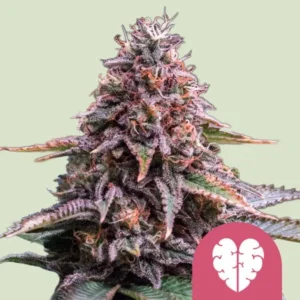
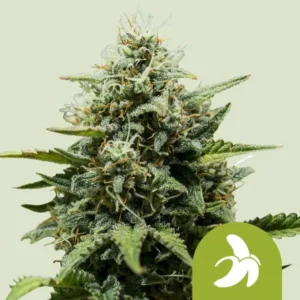
Pink Mist

|
THC | 19% - 20% (Medium) |

|
Lineage | Purple Thai x Black Haze |

|
Type | Feminized |

|
Height | 5.91 ft | 1.8 m |

|
Yield | High |

|
Yield Indoor | 1.47 - 1.64 oz/ft² | 450 - 500 g/m² |

|
Yield Outdoor | 12.35 - 14.11 oz/plant | 350 - 400 g/plant |

|
Flowering Time | 9 - 10 weeks |

|
Phenotype | 30% Indica / 70% Sativa |

|
Effects | Creative, Euphoric, Uplifted |

|
Flavors | Blueberry, Candy, Earthy |
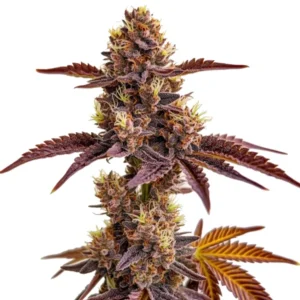
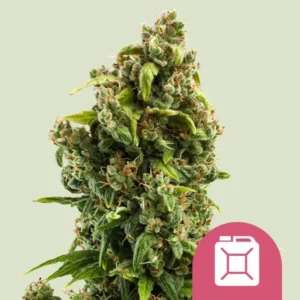
Gorilla Sherbet
|
|
THC | 26% - 30% (High) |
|
|
Lineage | GG4 x Sunset Sherbert |
|
|
Type | Feminized |
|
|
Height | 4.92 ft | 1.5 m |
|
|
Yield | High |
|
|
Yield Indoor | 1.97 oz/ft² | 600 g/m² |
|
|
Yield Outdoor | 21.16 - 28.22 oz/plant | 600 - 800 g/plant |
|
|
Flowering Time | 8 - 10 weeks |
|
|
Phenotype | 70% Indica / 30% Sativa |

|
Medical | Arthritis, Insomnia, Pain |
|
|
Effects | Energetic, Giggly, Relaxed |
|
|
Flavors | Chocolate, Citrus, Earthy |
The current article says properly stored kief can retain strong potency for 6–12 months. I would remove that as a fixed rule.
Research on cannabis and cannabis resin shows that cannabinoid degradation occurs progressively and depends heavily on storage conditions rather than one expiration date.
A four-year study of marijuana and hashish found substantial THC degradation under room-temperature conditions, particularly when material was exposed to light. Samples kept refrigerated or frozen in darkness were considerably more stable.
An older cannabis stability study likewise found light to be a major factor in cannabinoid loss and concluded that carefully prepared herbal or resin cannabis could remain reasonably stable for one to two years under dark room-temperature storage.
Those studies involve cannabis flower and resin rather than loose grinder kief specifically, so they should not be converted into a precise kief expiration date.
The useful conclusion is:
Kief can remain usable for months or longer when stored well, but its chemistry changes progressively with time.
Does Kief Lose Potency Over Time?
Yes.
THC is not indefinitely stable.
During storage, THC can degrade and oxidize, with cannabinol — CBN — among its well-established degradation products. A four-year study monitoring cannabis products under different temperatures and light conditions documented declining THC and increasing CBN over time.
More recent research on stored cannabis resin has also documented major changes in cannabinoid profiles during prolonged storage.
That means older kief may still contain cannabinoids while producing a different chemical profile from when it was first collected.
However, you cannot determine the remaining THC percentage simply by looking at it.
Only laboratory analysis can quantify how much potency has actually changed.
Does Kief Turn Into CBN?
Partly, but the process should not be oversimplified.
THC can oxidize into CBN during aging, and CBN is commonly used as an indicator of aged cannabis material. Scientific reviews describe THC and THCA oxidation toward CBN- and CBNA-related products under oxygen, light and aging conditions.
But old kief does not simply convert all of its THC cleanly into an equivalent amount of CBN.
Storage chemistry involves multiple degradation pathways.
The four-year storage study found that both temperature and light influenced THC degradation, with light affecting not only the rate but also the relationship between THC loss and CBN formation.
So “old kief becomes CBN” is directionally useful but chemically incomplete.
What Makes Kief Degrade Faster?
The main variables are light, heat, oxygen and storage time.
Light
Light accelerates cannabinoid degradation.
Both historical and modern storage studies have found light-exposed cannabis to degrade faster than material kept in darkness.
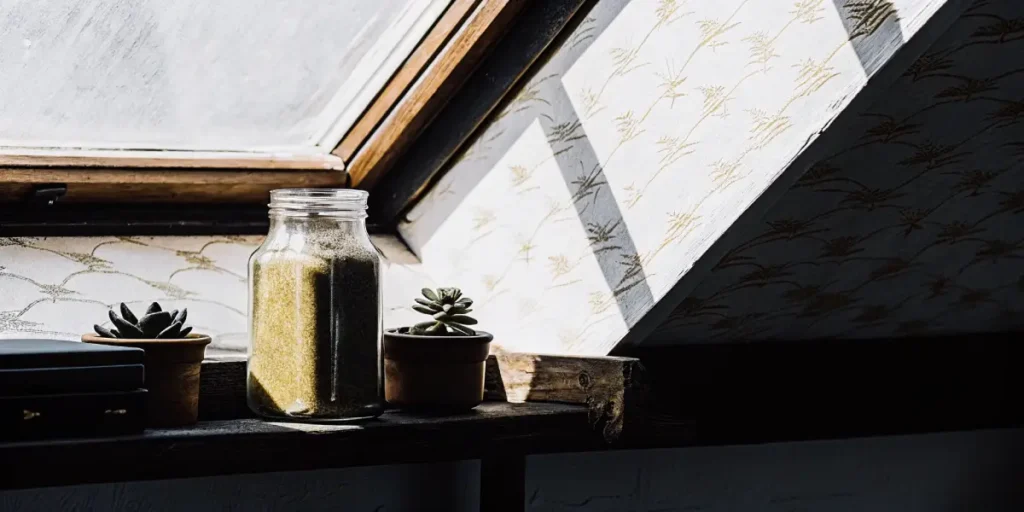
This is why an opaque container or a jar kept inside a dark cupboard is preferable to leaving kief exposed on a sunny shelf.
Heat
Higher storage temperature also accelerates chemical change.
A review of cannabis post-harvest research found that cannabinoid concentrations declined more rapidly as storage temperature increased, with dark refrigerated conditions preserving cannabinoids better than warm, illuminated storage.
That does not mean ordinary kief needs to be frozen.
For normal storage, a cool, stable location is a practical default.
Oxygen
Oxygen contributes to oxidation.
Classic cannabis stability research found that air oxidation caused cannabinoid losses even in darkness.
That supports storing kief in a container with a reasonably tight seal and avoiding unnecessarily large containers with lots of repeated air exchange.
Can Kief Grow Mold?
Yes, if sufficient moisture is present.
This is a different issue from cannabinoid degradation.
Old but dry kief can lose potency and aroma without becoming microbiologically unsafe. Kief exposed to excessive moisture, however, can potentially support mold or other microbial growth.
ASTM’s storage specification for dry cannabis flower uses water activity rather than simple room relative humidity to assess microbial risk. Its recommended range is 0.55–0.65 aw, with values below 0.65 intended to limit undesirable microbial growth.
That standard is specifically written for cannabis flower, not loose kief, so I would not automatically assign the same exact target to every resin product.
But it demonstrates the important principle:
Microbial safety depends on available moisture inside the product, not merely whether the room feels humid.
How Can You Tell If Kief Has Gone Bad?
Separate quality loss from spoilage.
Signs of likely quality degradation
Older kief may:
- smell much weaker than it originally did;
- taste flatter;
- look somewhat darker;
- feel drier;
- or produce weaker effects.
Those changes do not automatically mean it is unsafe.
They may simply reflect aging and loss of volatile compounds or cannabinoid degradation.
Signs to treat more seriously
Discard kief if you see visible fuzzy growth, obvious mold-like patches, unexpected dampness or a distinctly musty/moldy odor.
Do not rely on color alone.
The current article says darkening or an “unusual tint” can mean kief has expired. That is too aggressive.
Kief naturally varies from pale beige and gold to brownish or green depending on plant material, trichome maturity and contamination with leaf fragments.
Darkness alone is not a reliable mold test.
Is Clumpy Kief Bad?
Not necessarily.
Kief can clump because resin glands become sticky, because it has been compressed, or because temperature changes soften resinous material.
That is different from kief becoming wet.
The current article treats sticky or clumpy kief as a sign that moisture has compromised it. I would remove that as a diagnostic rule.
A dry but resin-rich kief can naturally form small lumps.
Concern is more justified when clumping appears alongside obvious moisture, mold growth or a musty odor.
Does Kief Expire After One Year?
Not automatically.
“One year” is a useful storage milestone, not an expiration date.
Research on cannabis resin and flower shows that degradation is continuous rather than binary. Material stored in darkness and cooler conditions can retain cannabinoids considerably longer than the same material exposed to room light and heat.
So two one-year-old kief samples can be in very different condition.
One may have been stored in a sealed container inside a dark cupboard.
The other may have spent a year repeatedly opened beside a sunny window.
Age alone cannot tell you their remaining potency or safety.
Can You Smoke Old Kief?
Age itself is not necessarily the deciding factor.
If the kief is old but dry, free of visible contamination and stored appropriately, the main change may simply be reduced aroma and altered cannabinoid chemistry.
If there is evidence of mold or moisture-related spoilage, discard it rather than trying to salvage it.
No visual check can confirm cannabinoid potency, pesticide contamination or microbial status with laboratory certainty.
So “old” and “unsafe” should not be used as synonyms.
What Is the Best Way to Store Kief?
For typical home storage, use:
a clean, airtight or tightly sealed glass container kept in a cool, dark, stable location.
The main goals are to minimize:
- light exposure;
- unnecessary oxygen exchange;
- excessive heat;
- moisture intrusion;
- and repeated temperature swings.
A small container that matches the quantity being stored is generally preferable to an oversized jar containing mostly air.
The current page correctly emphasizes airtight storage and darkness, but it goes too far in claiming that vacuum-sealed bags are inherently an excellent long-term solution.
Different packaging materials have different gas and water-vapor permeability, and long-term cannabis-storage research shows packaging characteristics can influence moisture retention and quality.
For small amounts of kief, glass is simple and practical.
Should You Use a Humidity Pack With Kief?
I would not recommend one automatically.
The current article repeatedly suggests adding humidity-control packs.
ASTM does recognize salt-based humidity-control sachets for maintaining appropriate water activity in dry cannabis flower.
But kief is not intact flower.
Loose trichome material has different physical characteristics and does not necessarily benefit from deliberately adding or maintaining the same moisture environment.
For ordinary kief storage, I would prioritize keeping it dry and stable rather than automatically introducing a humidity pack.
Should You Refrigerate Kief?
For ordinary short- or medium-term home storage, refrigeration is usually unnecessary if you already have a cool, dark cupboard.
Controlled studies do show better cannabinoid stability at lower temperatures. In a four-year cannabis-storage experiment, refrigerated and frozen samples preserved THC more effectively than samples kept at room temperature.
But home refrigeration introduces practical risks, particularly condensation when cold containers are repeatedly opened.
If kief is refrigerated or frozen for unusually long-term storage, keep the container tightly sealed and allow it to return to room temperature before opening, reducing the chance that ambient moisture condenses on the cold resin.
For everyday quantities, stable cool darkness is simpler.
Can You Freeze Kief?
Yes, but it is usually unnecessary for normal use.
Research consistently shows that very low temperatures slow cannabinoid degradation. A recent stability study across cannabis plant material, extracts and isolates found that freezing at approximately -20°C generally preserved cannabinoids better than room-temperature storage.
The major concern is again moisture.
Repeated freezing, thawing and opening can expose cold material to condensation.
If storing kief for a very long time, freezing in a properly sealed container may slow chemical degradation, but repeatedly opening a frozen container is not ideal.
Should You Vacuum Seal Kief?
It can reduce air exchange, but it is not required.
For most consumers, a tightly sealed small glass container stored in darkness is simpler and allows easier access without repeatedly resealing material.
Vacuum packaging can also compress loose kief.
There is no strong reason to tell every reader they need special vacuum-sealing equipment to preserve a small amount of resin.
Minimizing oxygen exposure is beneficial; vacuum sealing is only one way of doing that.
Does Kief Lose Its Smell Over Time?
Yes.
Cannabis aroma comes from volatile compounds, including terpenes and numerous other volatile molecules.
Those compounds can evaporate or change during storage, particularly with exposure to heat and air. Reviews of cannabis post-harvest storage describe losses and changes in volatile compounds alongside cannabinoid degradation.
A weaker aroma is therefore a reasonable indicator that the material has aged.
But weak smell does not prove that the kief is unsafe.
It is primarily a quality indicator, not a microbiological test.
Does Kief Expire? Bottom Line
Kief does not have one universal expiration date.
Instead, its quality gradually declines as cannabinoids and volatile compounds change during storage. Light, temperature and oxygen all accelerate this process, with controlled studies showing substantially greater THC degradation under warm, illuminated conditions.
Store kief in a clean, tightly sealed glass container in a cool, dark and stable place.
Do not assume that it automatically expires after six months or one year.
More importantly, distinguish degradation from spoilage.
Faded aroma, darker color or reduced potency can indicate aging without proving the product is unsafe. Visible mold, unexplained moisture or a distinctly moldy smell are much stronger reasons to discard it.
FAQs About Kief Shelf Life
Does kief go bad?
Yes, but there are two different processes. Kief gradually loses chemical and sensory quality as cannabinoids and volatile compounds degrade. Separately, moisture contamination can permit microbial spoilage. Old but dry kief may simply be weaker, while kief showing visible mold or clear moisture-related contamination should be discarded.
How long does kief last in a jar?
There is no fixed shelf life. A tightly sealed jar kept cool and dark can preserve kief substantially better than storage with heat, light and repeated air exposure. Studies of cannabis resin show progressive cannabinoid degradation over years rather than a sudden expiration point, so “one year” should not be treated as a universal cutoff.
Does kief lose THC over time?
Yes. THC progressively degrades during storage, particularly under unfavorable light and temperature conditions. A four-year study of cannabis flower and resin documented declining THC alongside increasing CBN, with substantially faster degradation at room temperature than under refrigerated or frozen dark storage.
How should you store kief long term?
Keep it in a clean, tightly sealed container protected from light, heat, moisture and frequent temperature changes. Glass is a practical choice for normal home storage. Refrigeration or freezing can slow cannabinoid degradation for very long storage, but the container should remain sealed to reduce condensation during temperature changes.
Is dark kief bad?
Not necessarily. Kief naturally varies in color, and aging can also darken cannabis resin. Color alone cannot determine safety or potency. Look instead for obvious mold growth, unusual dampness and musty odors. Laboratory testing is the only reliable way to quantify cannabinoid potency or microbiological contamination.
Should you put a humidity pack in kief?
Not routinely. Humidity-control packs have established applications for maintaining water activity in dried cannabis flower, but kief is loose resin rather than intact flower. For typical home kief storage, keeping the material dry in a sealed container and avoiding moisture intrusion is a simpler default.