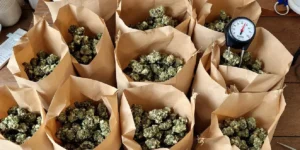

If your weed is too dry, the most controlled way to rehydrate it is to place it in an airtight container with a purpose-made two-way humidity pack and let the moisture equalize gradually. Avoid spraying buds with water or adding fruit peels, oils, or essential oils. Too much moisture can increase mold risk and cannot restore lost terpenes.
Can You Rehydrate Dry Weed?
Yes. Cannabis flower that has become excessively dry can absorb some moisture from the environment and become less brittle again.
Recommended Strains
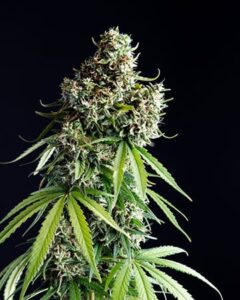
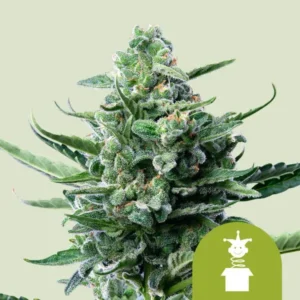
Mimosa Autoflower

|
THC | 28% - 29% (High) |

|
Lineage | (Clementine x Purple Punch) x Ruderalis |

|
Type | Autoflowering |

|
Height | 3.94 ft | 1.2 m |

|
Yield | Low |

|
Yield Indoor | 1.15 oz/ft² | 350 g/m² |

|
Yield Outdoor | 12.35 oz/plant | 350 g/plant |

|
Life Cycle | 9 - 10 weeks |

|
Phenotype | 70% Indica / 30% Sativa |

|
Effects | Energetic, Focused, Relaxed |

|
Flavors | Citrus, Sweet, Tropical |
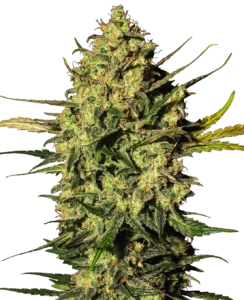
Master Kush
|
|
THC | 14% - 16% (Medium) |
|
|
Lineage | Hindu Kush |
|
|
Type | Feminized |
|
|
Height | 4.59 ft | 1.4 m |
|
|
Yield | High |
|
|
Yield Indoor | 1.64 - 1.8 oz/ft² | 500 - 550 g/m² |
|
|
Flowering Time | 8 - 9 weeks |
|
|
Phenotype | 90% Indica / 10% Sativa |
|
|
Effects | Relaxed, Calming, Hungry |
|
|
Flavors | Earthy, Citrus, Spicy |
But it is important to understand what rehydration can and cannot do.
Adding moisture can change the physical condition of the flower. Buds may become more flexible, less crumbly and easier to handle. It cannot reverse chemical degradation that has already occurred or recreate volatile aromatic compounds that evaporated during poor drying or storage.
Cannabinoid stability is affected by factors including time, light, temperature and oxygen exposure. Long-term storage research has documented THC degradation and CBN formation over time, particularly under unfavorable conditions.
So rehydration can improve moisture balance and texture. It should not be described as restoring cannabis to exactly the same condition it was in when fresh.
What Is the Best Way to Moisturize Weed?
For already dried cannabis flower, a purpose-made two-way humidity control pack inside a sealed container is the most controlled household approach.
These packs are designed to regulate moisture in the enclosed environment rather than depositing liquid water directly onto individual buds. Depending on the product, they can release or absorb moisture as the environment moves away from their target relative humidity.
Place the dry flower in an appropriately sized airtight container and use the humidity-control product according to its manufacturer’s instructions. Then allow the moisture within the closed container to equilibrate gradually.
The process does not need to happen as quickly as possible. Gradual moisture redistribution is preferable to creating wet areas on the surface of the flower.
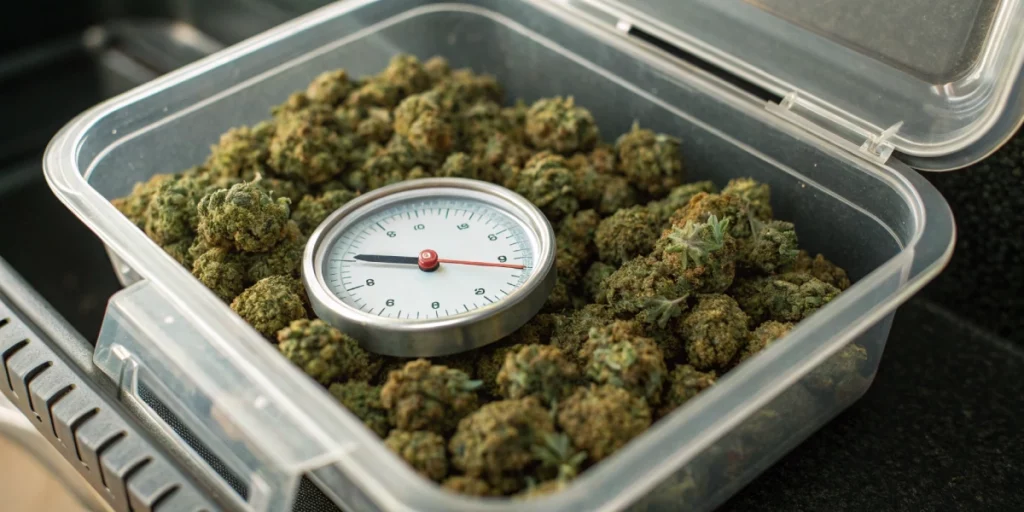
A small hygrometer can also help you observe the relative humidity inside the container, although inexpensive consumer hygrometers have varying accuracy.
What Humidity Should Weed Be Stored At?
There is a useful evidence-based reference point, but it needs to be interpreted correctly.
ASTM D8197 specifies a water activity (aw) range of 0.55 to 0.65 for dry cannabis flower intended for storage. ASTM D8196 identifies water activity as an important quality-control measurement because inappropriate moisture can contribute to microbial growth at the high end or excessive dryness and breakage at the low end.
Water activity is not exactly the same thing as simply reading the room’s relative humidity. Under equilibrium conditions, however, water activity is related to equilibrium relative humidity, with an aw of 0.60 corresponding conceptually to about 60% equilibrium RH.
That helps explain why commercial cannabis humidity products commonly target values around the upper-50s to low-60s rather than extremely humid environments.
It does not mean that exactly 62% RH is a scientifically proven perfect value for every cannabis flower.
How Long Does It Take to Rehydrate Dry Weed?
There is no reliable universal timeframe.
How quickly moisture redistributes depends on how dry the cannabis is, the amount of flower, bud size and density, container volume, temperature, the humidity-control system and how frequently the container is opened.
A slightly dry flower may change relatively quickly, while heavily overdried material can take considerably longer and may never regain its original physical characteristics completely.
For that reason, avoid promises such as “your weed will be rehydrated in four hours” or “leave it exactly overnight.”
The goal is equilibrium, not speed.
A hygrometer can provide more useful information than a fixed timer when the flower is being conditioned in a sealed container.
Can You Use Water to Rehydrate Weed?
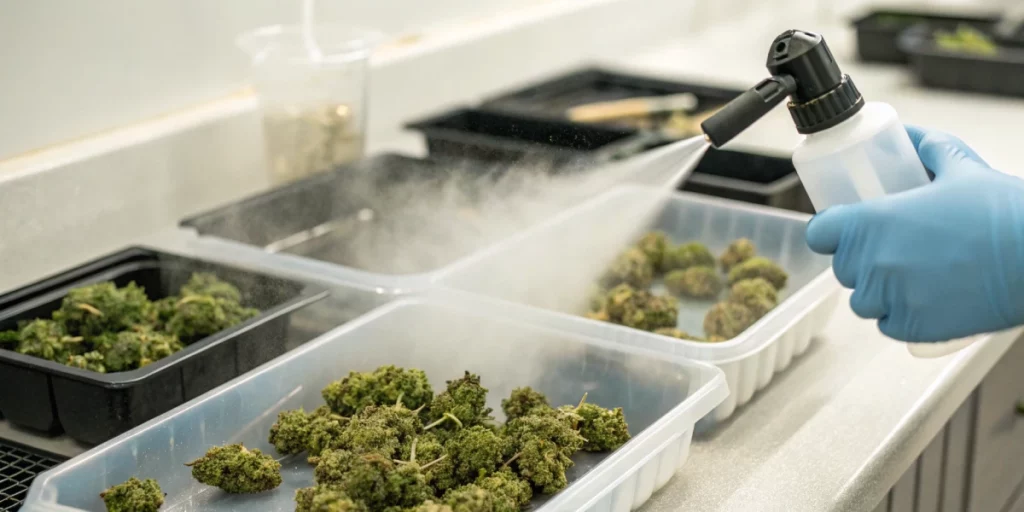
Adding liquid water directly to cannabis flower is difficult to control and is not my preferred method.
A spray bottle may make the outside of a bud wet while the inside remains comparatively dry. Dense flowers also contain irregular spaces in which moisture distribution is difficult to judge visually.
That matters because moisture is closely connected with microbial stability in dried cannabis.
ASTM specifically treats water activity as an important cannabis quality-control parameter for limiting mold and other microbiological growth. Research reviewing cannabis post-harvest handling likewise identifies moisture control as an important factor in limiting microbial contamination.
A controlled humidity source inside the container allows moisture to redistribute through the air rather than putting liquid directly onto the flower.
Should You Use Orange Peel, Bread or Lettuce to Rehydrate Weed?
These are common traditional tricks, but they are difficult to control.
A piece of orange peel, apple, lettuce, bread or another moist food will release water into a closed container. That means it can physically increase humidity.
The problem is that it introduces another biological material containing water, microorganisms and, in some cases, strong volatile compounds. It is also difficult to predict exactly how quickly the humidity inside the container will rise.
Orange peel can additionally change the smell of the stored cannabis. That is not equivalent to restoring terpenes that were originally present in the flower.
Purpose-made humidity control offers a much more predictable approach without putting moist food in direct proximity to stored cannabis.
Never Use Oils or Essential Oils to Moisturize Cannabis
Olive oil, coconut oil and essential oils are not appropriate substitutes for moisture in dried cannabis flower.
Oil and water are chemically different materials. Adding an oil to a dry bud does not restore the water activity that was lost during excessive drying.
Essential oils present another problem: they deliberately add volatile aromatic compounds that were not originally part of the cannabis flower. A stronger smell afterward would therefore represent contamination with another aromatic substance, not restoration of the flower’s original terpene profile.
Do not mist cannabis with oil, rub oil into it or add essential oils to the storage container as a rehydration method.
How Do You Know If Weed Is Too Dry?
Overly dry cannabis often becomes brittle and breaks apart unusually easily when handled.
That physical change is useful as a rough warning sign, but texture alone cannot precisely determine moisture or water activity. Two buds can feel similar while containing different amounts and distributions of available water.
A hygrometer inside a sealed container provides additional information once the flower and enclosed air have had enough time to approach equilibrium.
For more general information about controlling light, air, temperature and humidity after drying, proper weed storage matters more than repeatedly trying to rehydrate flower after it becomes dry.
Can Weed Be Too Moist?
Yes, and this is more important than simply making dry flower feel softer.
Excess available moisture can create conditions that support mold and other microbial growth. ASTM’s cannabis standards specifically use water activity as a control parameter because both excessive moisture and excessive dryness affect storage quality.
This is why rehydrating cannabis should not mean making it noticeably wet.
If condensation develops inside the container, the buds feel damp rather than merely flexible, or humidity rises unexpectedly high, adding still more moisture is the wrong response.
Can You Rehydrate Weed That Has Already Lost Its Smell?
You can increase its moisture, but you cannot necessarily recover its original aroma.
Many of the compounds responsible for cannabis aroma are volatile. Once some of those compounds have evaporated or degraded during drying or storage, adding water does not recreate them.
Storage conditions also influence cannabinoid stability. Light and oxygen have long been identified as contributors to cannabinoid degradation, and more recent long-term experiments confirm substantial compositional changes during extended storage.
A humidity pack can therefore make dry flower feel less brittle without magically restoring lost chemistry.
This distinction is important: rehydration is not rejuvenation.
What If the Weed Smells Musty or Has Mold?
Do not try to rescue obviously moldy cannabis by drying it again or adjusting its humidity.
Visible fungal growth, an unusual musty odor or other signs of microbial contamination are a different problem from simple overdrying.
Cannabis flowers can carry potentially pathogenic fungi, including Aspergillus species, and inhalation exposure can be particularly concerning for immunocompromised people.
Removing a visibly affected section also does not prove that the rest of the flower is uncontaminated.
Moisture control is useful for preventing conditions favorable to microbial growth. It is not a reliable method for making contaminated cannabis safe again.
How to Keep Weed From Drying Out Again
Prevention is easier than repeatedly rehydrating stored flower.
Use a container that seals properly, minimize unnecessary opening, protect the cannabis from light and excessive heat, and avoid storing a very small quantity inside a disproportionately large container for long periods.
Light, oxygen and temperature influence cannabis stability independently of moisture. Research has found light exposure and oxidation to contribute to cannabinoid degradation during storage, while temperature affects the rate of degradation over longer periods.
A suitable humidity-control system can then help manage the moisture component.
That combination is more useful than repeatedly allowing cannabis to become extremely dry and attempting to restore it afterward.
FAQs
What is the fastest way to moisturize dry weed?
Faster is not necessarily better. A purpose-made two-way humidity pack in a sealed container provides a more controlled way to let moisture redistribute gradually. Directly spraying water or adding very wet household materials can create uneven moisture. Judge the result by moisture balance rather than trying to hit an arbitrary number of hours.
Can you spray water on dry weed?
You physically can, but spraying water directly onto cannabis is difficult to control and can produce unevenly wet areas. Excess available moisture increases concern about microbial growth. A humidity-control product inside a sealed container lets moisture equilibrate indirectly and is therefore a more controlled method than wetting the flower itself.
What humidity is best for rehydrating weed?
There is no single RH proven ideal for every flower. ASTM specifies an acceptable water-activity range of 0.55–0.65 for dried cannabis. Under equilibrium conditions this broadly corresponds to 55–65% equilibrium relative humidity, which provides a more defensible reference than treating exactly 58%, 62% or another number as universally optimal.
Can I use an orange peel to moisturize weed?
Orange peel releases moisture inside a sealed container, so it can soften dry cannabis, but it is difficult to control and introduces moist biological material and additional aroma compounds. A purpose-made humidity pack provides a more predictable approach without placing fruit directly alongside the flower or artificially changing its smell.
Does rehydrating weed restore THC and terpenes?
No. Rehydrating cannabis can change its moisture content and physical texture, but it cannot reverse cannabinoid degradation or recreate volatile terpenes that have already been lost. Light, oxygen, temperature and time can cause chemical changes during storage independently of how moist the flower feels.
Can dry weed get moldy after rehydrating it?
Yes, if too much available moisture is introduced. Cannabis moisture must be controlled rather than simply maximized. ASTM’s dried-flower specification uses a water-activity range of 0.55–0.65 partly because controlling available water is important for limiting microbiological growth while also avoiding excessive dryness and breakage.