
Weed can taste earthy, herbal, piney, citrusy, sweet, fruity, peppery, floral, woody or distinctly skunky. There is no single cannabis flavor because genetics and dozens of aromatic compounds shape each flower differently. Much of what people describe as “taste” actually comes from aroma, with terpenes, sulfur compounds and other volatile molecules contributing to the overall flavor.
Flavour perception is not fixed; it shifts with your tolerance, your palate and how recently you last consumed. That is one reason cannabis can taste unexpectedly intense after time away, so if you are returning from a break, read our practical tips on easing back into cannabis gently first, and you will enjoy those flavours far more.
Recommended Strains
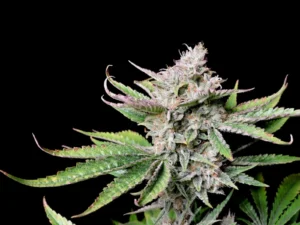
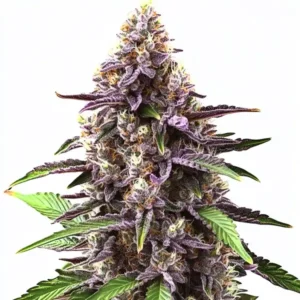
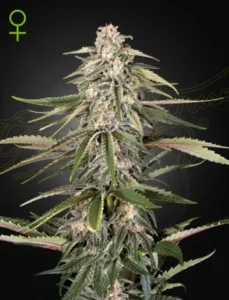
Cherry Cola Auto

|
THC | 27% - 28% (High) |

|
Lineage | Cherry Cookies x Zkittlez x Ruderalis |

|
Type | Autoflowering |

|
Height | 3.94 ft | 1.2 m |

|
Yield | High |

|
Yield Indoor | 1.64 - 1.97 oz/ft² | 500 - 600 g/m² |

|
Life Cycle | 9 - 10 weeks |

|
Phenotype | 55% Indica / 45% Sativa |

|
Effects | Relaxed, Happy, Creative |

|
Flavors | Cherry, Caramel, Fruity |
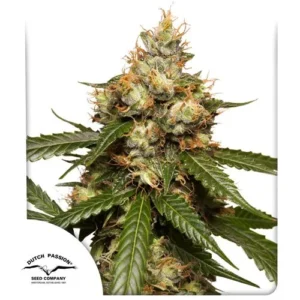
Green O Matic
|
|
THC | 15% - 17% (Medium) |
|
|
Lineage | Ruderalis x Moroccan x White Dwarf x Low Rider |
|
|
Type | Autoflowering |
|
|
Height | 3.28 ft | 1 m |

|
Yield Outdoor | 1.76 oz/plant | 50 g/plant |
|
|
Life Cycle | 7 - 8 weeks |
|
|
Phenotype | 80% Indica / 20% Sativa |
|
|
Effects | Calming, Hungry, Creative, Relaxed |
|
|
Flavors | Citrus, Sweet, Spicy, Fruity, Hashish |
What Does Weed Taste Like to Most People?
For someone trying cannabis for the first time, the most obvious flavors are often herbal, earthy, grassy or slightly bitter. Depending on the flower, those basic notes may be accompanied by something sweeter, fruitier, citrus-like, peppery, piney or pungent.
Some cannabis smells surprisingly similar to lemons or oranges, while other varieties evoke berries, tropical fruit, flowers, fuel, cheese, black pepper or fresh pine. Very pungent flower may have the characteristic “skunky” quality associated with cannabis.
This diversity is why there is no useful one-word answer to what weed tastes like. Cannabis has a complex chemical aroma profile, and different combinations of compounds can create substantially different sensory impressions.
Common Weed Flavors at a Glance
| Flavor | Common Description |
|---|---|
| Earthy | Soil, herbs, damp forest |
| Piney | Pine needles, resin, wood |
| Citrusy | Lemon, lime, orange peel |
| Fruity | Berries, tropical fruit, stone fruit |
| Sweet | Candy, sugar, ripe fruit |
| Peppery | Black pepper, spice |
| Floral | Lavender, flowers, perfume |
| Herbal | Fresh herbs, tea, vegetation |
| Diesel/Fuel | Gasoline, chemical, pungent |
| Skunky | Sharp, sulfurous, unmistakably cannabis-like |
A flower can contain several of these qualities simultaneously. A cultivar might begin with a sweet citrus aroma, develop an earthy or herbal taste and leave a peppery sensation afterward.
Taste vs Aroma: Why Weed Tastes Like It Smells
What people casually call the “taste” of weed is actually a combination of taste, aroma and other sensations in the mouth and nose.
Taste itself refers mainly to sensations such as sweet, bitter, sour, salty and umami. Aroma comes from volatile molecules detected through the nose, including compounds that travel from the mouth toward the nasal cavity while something is being consumed. Together with mouthfeel, temperature and irritation, those sensations create what we perceive as flavor.
This distinction matters because cannabis has an especially complex volatile profile. A flower that seems to “taste like lemon” does not necessarily contain something that activates the tongue exactly like lemon juice. Instead, citrus-like aromatic molecules strongly influence how the brain interprets the overall flavor.
Why Does Weed Have So Many Different Flavors?
Cannabis produces a large and chemically diverse mixture of secondary metabolites. Terpenes are important contributors, but they are only part of the story.
Scientific reviews now identify several groups involved in cannabis aroma and flavor, including terpenes, sulfur-containing compounds, esters, aldehydes, ketones, flavonoids and phenolic compounds. Genetics determines much of the plant’s potential chemical profile, while cultivation conditions and post-harvest processing can change what ultimately reaches the consumer.
This explains why reducing every cannabis flavor to one dominant terpene is usually too simplistic. Two flowers with similar terpene laboratory results can still smell surprisingly different if important minor volatile compounds differ between them.
How Do Terpenes Affect Weed Taste?
Terpenes are aromatic molecules found throughout the plant kingdom, not just in cannabis. They contribute strongly to many familiar cannabis aromas.
Limonene is commonly associated with citrus-like aromas, while pinene contributes pine-like notes. Caryophyllene is associated with peppery and spicy characteristics, and myrcene is often described as earthy, musky or herbal.
Cannabis can contain many terpenes simultaneously, so the final aroma is created by a mixture rather than one molecule working alone. Research has identified more than 100 terpenes across cannabis varieties, making terpene composition an important part of why individual flowers smell and taste different.
However, knowing the dominant terpene does not allow you to predict the entire flavor with certainty. Minor compounds can have extremely strong odors even when they occur at much lower concentrations.
Why Does Weed Taste or Smell Skunky?
The classic skunky character of cannabis is one area where older explanations focused too heavily on terpenes.
Researchers studying the pungent smell identified a family of prenylated volatile sulfur compounds, or VSCs, that strongly influence the recognizable cannabis odor. The compound most closely associated with the characteristic skunk-like aroma was 3-methyl-2-butene-1-thiol.
In experiments, researchers recreated much of a cannabis aroma using major volatile compounds but found that it lacked the distinctive skunky character until this sulfur compound was added. Remarkably small amounts were enough to dramatically change the perceived aroma.
So while myrcene, caryophyllene and other terpenes contribute to the broader aromatic background, describing them as the main explanation for “skunk weed” is no longer accurate.
Why Does Some Weed Taste Fruity?
Fruity cannabis aromas can come from a more complicated mixture than simply “a fruity terpene.”
Terpenes such as limonene can contribute citrus characteristics, but newer cannabis aroma research has highlighted the importance of esters and other non-terpene volatile compounds in sweet, tropical and fruit-like profiles.
Researchers have also identified sulfur-containing compounds associated with tropical fruit characteristics in certain cannabis products. This emerging work helps explain why two strains with similar major terpene profiles can still smell like completely different fruits.
Terms such as strawberry, mango, grape or banana should therefore be treated as sensory descriptions rather than evidence that one specific compound creates the entire flavor.
Why Does Weed Taste Like Pine?
Pine-like cannabis is strongly associated with α-pinene and β-pinene, aromatic compounds also found in pine trees and many other plants.
These terpenes can contribute a fresh, resinous, woody quality that may remind someone of pine needles or a forest.
The overall experience still depends on what appears alongside them. Pinene combined with citrus, herbal or earthy compounds can create a very different profile from pinene combined with sweeter or floral aromatics.
That is why terpene information works best as a clue to the flavor profile, not a guaranteed tasting note.
Why Does Weed Taste Peppery or Spicy?
A peppery sensation is often associated with β-caryophyllene, a sesquiterpene also abundant in black pepper and other spices.
Cannabis rich in caryophyllene may therefore be described as spicy, peppery, woody or warm.
But once again, caryophyllene is rarely the only compound being perceived. The same flower can combine pepper with earthy, fuel-like, sweet or herbal characteristics depending on the rest of its chemical profile.
Thinking in terms of overlapping flavors gives a much more realistic picture than trying to assign every cannabis strain one single taste.
Why Does Some Weed Taste Like Diesel or Gas?
Fuel, diesel and chemical aromas are among the most distinctive cannabis descriptions, yet their chemistry remains more complicated than many terpene charts suggest.
Certain terpene combinations can contribute to these profiles, but recent sensory research increasingly shows that minor volatile compounds outside the traditional terpene panel are important to many unusual cannabis aromas.
That means a laboratory test showing only limonene, myrcene and caryophyllene may not explain why a particular flower smells intensely like fuel.
Cannabis aroma research is moving away from the idea that a handful of dominant terpenes explain every recognizable cultivar smell.
Does Weed Taste Different When Smoked?
Yes. Burning cannabis changes its chemistry.
The aromatic profile of dried flower before consumption is not identical to the flavor of cannabis smoke. Combustion exposes terpenes and other volatile compounds to high temperatures, causing some molecules to evaporate, break down or transform into other compounds.
A recent scientific review specifically emphasizes that combustion significantly alters cannabis aroma and flavor compared with the original plant material.
This explains why smelling a jar gives useful information about flower quality and aroma but does not perfectly predict what the smoke will taste like.
The burning paper and combustion products can also contribute their own sensory characteristics.
Does Vaping Weed Taste Different From Smoking?
It often does because vaporization and combustion expose cannabis to different thermal conditions.
Smoking involves combustion, which creates a large mixture of new compounds and can overpower delicate volatile aromas. Vaporization heats cannabis without intentionally burning all of the plant material, so the sensory profile can differ considerably.
However, the exact taste depends heavily on temperature, device design and material being vaporized.
Rather than saying vaping universally “preserves terpenes” or always tastes better, it is more accurate to say that different heating methods create different chemical and sensory profiles.
Does Fresh Weed Taste Different From Dried Weed?
Yes. Cannabis changes significantly after harvest.
Fresh flower contains substantial water and a different balance of volatile compounds from dried and cured cannabis. Drying removes water but also causes chemical and physical changes in the plant, while curing and subsequent storage continue changing the volatile profile.
The process should not be described simply as “letting terpenes fully develop.” Some desirable characteristics may emerge or become more noticeable, while other volatile compounds decline or transform.
For example, research into cannabis sulfur compounds found that their concentrations increased toward late flowering, peaked during curing and then declined substantially during subsequent storage.
Does Curing Change the Taste of Weed?
Yes, but not because curing magically creates flavor from nothing.
Proper post-harvest handling changes moisture content and allows a series of chemical transformations to continue. At the same time, volatile compounds can be lost, oxidized or transformed.
Poorly dried or inadequately processed flower may retain stronger grassy or plant-like characteristics, whereas well-managed flower can have a cleaner and more recognizable aromatic profile.
However, there is no universal curing method that guarantees a particular flavor. Genetics creates much of the starting chemical potential, while drying, curing and storage influence how much of that potential survives until consumption.
Does Weed Taste Change During Storage?
Yes. Cannabis aroma is not permanently stable after curing.
Terpenes and other volatile compounds can gradually disappear or change, while cannabinoids also undergo chemical degradation over time. Excessive heat, light and repeated exposure to air can accelerate quality changes.
That is why older cannabis may smell flatter, less distinctive or more muted than when it was fresh.
Proper weed storage cannot preserve the original flavor forever, but keeping flower sealed, cool and protected from light can reduce avoidable degradation.
The storage article on Growlantis covers those factors in more detail without needing to repeat the full preservation guide here.
Does THC Determine How Weed Tastes?
No.
THC concentration and flavor are different characteristics.
A strain containing 30% THC does not automatically taste stronger, sweeter or more complex than one containing 15%.
THC itself is not the main explanation for the familiar citrus, pine, fruit, pepper or skunk characteristics people associate with cannabis flower.
Those sensory differences depend much more heavily on the volatile and non-volatile compounds surrounding the cannabinoids.
This is also why visible potency and aromatic quality should not be treated as interchangeable measures.
Can You Predict Weed Taste From the Strain Name?
Only loosely.
Names such as Lemon, Strawberry, Cheese, Gelato or Diesel often communicate an expected aromatic style, but cannabis strain names are not standardized chemical classifications.
Different breeders can sell products under the same or similar names while producing different cannabinoid and volatile profiles.
Genetics certainly influences aroma, but the product actually grown, harvested and stored matters more than the name alone.
For someone choosing cannabis by flavor, laboratory terpene information and direct sensory evaluation are more informative than assuming a cultivar must taste exactly like its marketing name.
Why Can the Same Strain Taste Different?
Even genetically related cannabis can vary in aroma and flavor.
Differences can arise from phenotype, cultivation environment, plant health, harvest maturity, drying, curing and storage. Scientific reviews of cannabis sensory chemistry identify both genetics and post-harvest handling as major contributors to final aroma and flavor.
This explains why one version of a familiar cultivar may taste bright and citrusy while another feels earthier or less aromatic.
It is also one reason strain descriptions should be treated as approximate expectations rather than guaranteed sensory outcomes.
What Does Good Weed Taste Like?
There is no scientifically correct flavor that defines “good weed.”
Some consumers prefer extremely pungent, fuel-heavy cannabis, while others favor floral, citrus or sweet profiles. A mild aroma is not automatically poor quality, just as a powerful smell does not prove high THC concentration.
More useful quality indicators include whether the flower smells characteristic rather than musty, whether it has been stored properly and whether its cannabinoid and contaminant testing are reliable where regulated testing is available.
Flavor preference itself remains subjective.
What Does Weed Taste Like? Key Takeaway
Weed does not have one universal taste. Cannabis can be earthy, herbal, piney, citrusy, fruity, sweet, floral, peppery, fuel-like or skunky, often combining several of these qualities in the same flower.
Terpenes such as limonene, pinene, myrcene and caryophyllene contribute significantly to cannabis aroma, but they are not the entire explanation. Sulfur compounds, esters, aldehydes and other volatile molecules can dramatically affect what a flower smells and tastes like.
The final flavor also depends on genetics, cultivation, drying, curing, storage and how cannabis is heated during consumption.
So if two strains taste completely different, or two batches with the same name do the chemistry of cannabis provides plenty of reasons why.
FAQs About What Weed Tastes Like
What does weed taste like to beginners?
Beginners often describe weed as herbal, earthy, grassy or slightly bitter before noticing more specific notes such as citrus, fruit, pine, pepper or sweetness. Much of what is perceived as taste actually comes from aroma, so the experience varies significantly depending on the flower’s volatile compounds, preparation and method of consumption.
Why does weed taste skunky?
The characteristic skunky quality is strongly associated with a family of volatile sulfur compounds rather than simply high concentrations of common terpenes. Research identified 3-methyl-2-butene-1-thiol as a particularly important contributor to the pungent cannabis aroma. Other terpenes and volatile molecules combine with these sulfur compounds to create the complete scent.
What makes weed taste fruity?
Fruity cannabis aromas can result from combinations of terpenes, esters, sulfur-containing compounds and other volatile molecules. Limonene can contribute citrus characteristics, but modern research shows that minor non-terpene compounds can strongly influence tropical and sweet fruit profiles. A fruity strain’s taste therefore cannot usually be explained by one terpene alone.
Do terpenes determine how weed tastes?
Terpenes are major contributors to cannabis aroma and influence many familiar citrus, pine, earthy, floral and peppery notes. However, they do not determine the entire flavor. Sulfur compounds, esters, aldehydes, ketones and non-volatile plant compounds also contribute, which explains why basic terpene panels cannot perfectly predict how cannabis will taste.
Why does the same weed strain taste different sometimes?
Products carrying the same strain name can differ because of genetics, phenotype, cultivation conditions, harvest timing, drying, curing and storage. The volatile compounds responsible for aroma are especially sensitive to post-harvest processing. Strain names therefore provide only an approximate flavor expectation and cannot guarantee that every batch will taste or smell identical.
Does weed taste different when smoked?
Yes. Combustion changes the chemical profile of cannabis by evaporating, degrading and transforming many volatile compounds. Smoke therefore does not taste exactly like the unburned flower smells in a jar. Different heating methods can produce different sensory experiences because the compounds reaching the consumer depend partly on temperature and whether combustion occurs.