

If you are wondering what you can use to roll weed, the best options are purpose-made rolling papers made from hemp, rice, flax, bamboo, or paper pulp, plus pre-rolled cones and commercial tobacco-free wraps. Avoid household papers, receipts, gum wrappers, parchment paper, and random plant material because they are not designed or tested for inhalation.
What Can You Use to Roll Weed?
The most straightforward choice is a rolling paper specifically manufactured for smoking. These products are designed to be thin, flexible and combustible, and they commonly use plant-derived fibers such as hemp, rice, flax, bamboo or wood cellulose.
Recommended Strains
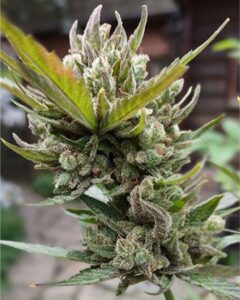
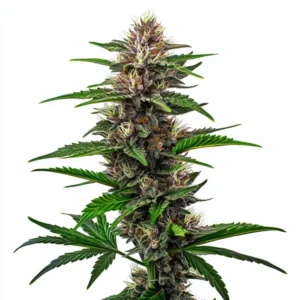
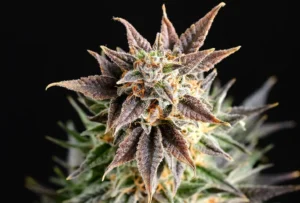
Mimosa Fem

|
THC | 30% - 31% (High) |

|
Lineage | Clementine x Purple Punch |

|
Type | Feminized |

|
Height | 5.74 ft | 1.75 m |

|
Yield | Medium |

|
Yield Indoor | 1.47 oz/ft² | 450 g/m² |

|
Yield Outdoor | 15.87 oz/plant | 450 g/plant |

|
Flowering Time | 8 - 10 weeks |

|
Phenotype | 30% Indica / 70% Sativa |

|
Effects | Energetic, Focused, Relaxed |

|
Flavors | Citrus, Sweet, Tropical |
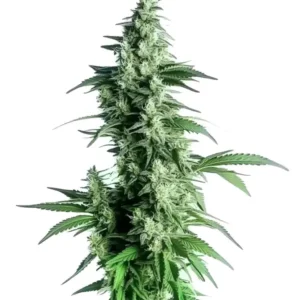
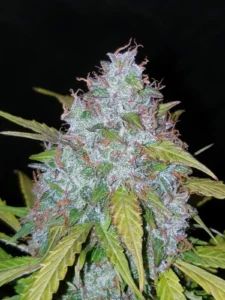
Goji Og
|
|
THC | 14% - 20% (Medium) |
|
|
Lineage | Snow Lotus x Nepali OG |
|
|
Type | Feminized |
|
|
Height | 4.92 ft | 1.5 m |
|
|
Yield | High |
|
|
Yield Indoor | 1.97 oz/ft² | 600 g/m² |
|
|
Yield Outdoor | 21.16 - 28.22 oz/plant | 600 - 800 g/plant |
|
|
Flowering Time | 8 - 10 weeks |
|
|
Phenotype | 50% Indica / 50% Sativa |

|
Medical | Fatigue, Muscle Spasms, Stress |
|
|
Effects | Creative, Giggly, Relaxed |
|
|
Flavors | Berry, Cherry, Strawberry |
Pre-rolled cones are another option. They use similar materials but come already formed, so they eliminate the need to create the shape of a joint yourself.
Commercial tobacco-free wraps occupy a slightly different category. Some are made from hemp, palm, banana leaves, flower petals or other plant materials and are sold specifically as smoking wraps. These should not be confused with taking an ordinary leaf, petal or piece of food from your kitchen and assuming it is equally suitable.
| Material | What it is | Main consideration |
|---|---|---|
| Hemp rolling paper | Thin paper made primarily from hemp fibers | Widely available and specifically manufactured for rolling |
| Rice rolling paper | Very thin paper made with rice-based fibers or blends | Usually thinner than many conventional papers |
| Flax, bamboo or wood-pulp paper | Other common commercial rolling-paper materials | Properties vary considerably between brands |
| Pre-rolled cone | Rolling paper already shaped into a cone | Useful when you do not want to hand-roll |
| Tobacco-free wrap | Thicker commercial wrap made from hemp or other plant materials | “Natural” or “tobacco-free” does not mean risk-free |
| Tobacco or cigar wrap | Tobacco-derived wrapper traditionally used for blunts | Can expose the user to nicotine as well as cannabis smoke |
Material alone does not determine how much a rolling paper contributes to smoke exposure. Manufacturing, pigments, additives and contamination can also matter. A 2024 analysis of commercially available cannabis rolling papers found substantial differences in elemental composition between products, including elevated levels of some potentially toxic metals in certain samples.
What Is the Best Substitute for Rolling Papers?
If conventional rolling papers are unavailable, the most sensible substitutes are other products manufactured specifically for smoking, such as a pre-rolled cone or a commercial tobacco-free wrap.
That distinction matters. A material being thin, natural, edible or capable of burning does not establish that it is appropriate to inhale after combustion.
For example, commercial rose-petal, palm-leaf and banana-leaf wraps exist. However, that does not mean untreated rose petals from a florist or random leaves collected outdoors are equivalent. Pesticides, dyes, surface treatments, mold and other contaminants may be unknown.
Health Canada specifically advises obtaining rolling papers or pre-rolls from authorized retailers and notes that even unregulated commercial rolling papers can contain contaminants such as pesticides or heavy metals.
Can You Use Rice Paper to Roll Weed?
Yes, rice rolling papers designed for smoking are a standard option.
The important distinction is between rice-based rolling paper and edible rice paper or spring-roll wrappers from a kitchen. They are different products with different thicknesses, ingredients and intended uses.
If a package is sold specifically as rolling paper, rice is simply one of several common fiber choices alongside hemp, flax, bamboo and cellulose. Do not assume that something is suitable for smoking merely because “rice paper” appears somewhere in its description.
Can You Use Hemp Wraps?
Commercial hemp papers and hemp wraps are common tobacco-free choices. Papers tend to be relatively thin, while wraps are generally thicker and are intended to create a format closer to a blunt.
A hemp wrap avoids the tobacco contained in a conventional cigar wrapper, but it still burns. Tobacco-free should therefore be understood literally: it means the wrap does not contain tobacco, not that inhaling its smoke has been demonstrated to be harmless.
Smoking cannabis itself produces harmful combustion products regardless of the wrapper used. The CDC states that cannabis smoke contains many of the same toxins, irritants and carcinogens found in tobacco smoke.
Can You Use a Cigar or Blunt Wrap?
A cigar wrapper can physically be used to make a blunt, but it introduces an important difference: traditional cigar wrappers are tobacco products.
Removing the tobacco filler does not necessarily remove the nicotine. Laboratory testing of cigar products commonly used for blunts found measurable nicotine in all five wrappers tested, ranging from 1.2 to 6.0 mg of total nicotine per wrapper in that study.
If avoiding tobacco or nicotine is the goal, a purpose-made tobacco-free wrap is the more appropriate category.
What Should You Not Use to Roll Weed?
Running out of rolling papers does not make ordinary household paper a good substitute.
Avoid using materials such as:
- printer or notebook paper
- newspaper or magazine pages
- receipts
- gum-wrapper paper or foil
- parchment or wax paper
- tissues, napkins or paper towels
- heavily dyed or printed paper
- unknown plant leaves, bark or flower petals
- fruit peels
- materials treated with oils, fragrances or coatings
The problem is not simply whether these materials will ignite. Paper and packaging products can contain inks, coatings, adhesives, pigments, fillers and other substances that were never selected with inhalation after combustion in mind.
The same principle applies to natural materials. “Natural,” “organic” and “edible” describe where a material comes from or how it is marketed; they do not establish what compounds are produced when it burns.
Are Corn Husks, Rose Petals or Leaves Good Rolling-Paper Alternatives?
You may see corn husks, palm leaves, banana leaves and rose petals mentioned online as homemade substitutes. Some manufacturers also sell commercial smoking wraps made from similar materials.
These two situations should not be treated as interchangeable.
A product manufactured specifically as a smoking wrap can at least be evaluated according to its intended use and labeling. A random leaf, petal or husk has unknown growing conditions, pesticide exposure, surface treatments, moisture and microbiological contamination.
There is also limited evidence comparing the health effects of the many tobacco-free botanical wraps now sold for cannabis. Their lack of tobacco or nicotine should not be interpreted as proof that their smoke is harmless. Research literature confirms that hemp, palm, banana and flower-based tobacco-free blunt wraps are commercially available, while also noting substantial gaps in evidence and regulation.
What If You Have Weed but No Rolling Papers?
You do not necessarily need to replace rolling paper with another combustible sheet.
A purpose-built pipe, bong or bubbler removes the need to burn an improvised wrapper, although it does not remove the risks associated with inhaling cannabis smoke. If you are deciding between water-pipe formats, the practical differences between a bong and a bubbler mainly involve size, portability and water capacity.
If the only materials available are printer paper, receipts, food packaging or other improvised household products, waiting until you have a purpose-made smoking accessory is preferable to burning a material of unknown composition.
Does the Rolling Material Make Smoking Cannabis Safe?
No rolling material makes cannabis smoke harmless.
The wrapper can change the amount and type of material being burned, and choosing a purpose-made paper can avoid some of the obvious problems associated with inks, coatings and household packaging. But the cannabis itself is still combusted.
According to the CDC, smoked cannabis can harm lung tissue, and its smoke contains many of the same toxins, irritants and carcinogens found in tobacco smoke.
The useful distinction is therefore not “safe versus unsafe rolling paper,” but materials designed for smoking versus materials that were never intended to be burned and inhaled.

FAQs
What can I use if I have no rolling papers?
A pre-rolled cone or commercial tobacco-free smoking wrap is the most direct replacement because both are manufactured for that purpose. Avoid substituting notebook paper, receipts, gum wrappers, parchment paper or other household materials simply because they burn. Their inks, coatings, adhesives or other components may be unsuitable for inhalation.
Can you use notebook paper to roll weed?
Notebook paper can burn, but that does not make it an appropriate rolling-paper substitute. It may contain inks, bleaching agents, fillers and other materials that were not designed to be inhaled after combustion. Purpose-made hemp, rice, flax or other commercial rolling papers are more appropriate when rolling cannabis.
Is rice paper safe to smoke?
Rice-based rolling paper is commonly manufactured specifically for smoking, but it should not be described as completely safe because combustion still creates smoke exposure. Also distinguish rolling paper from edible rice sheets or spring-roll wrappers. A food product being edible does not mean it was designed to be burned and inhaled.
Can you use rose petals or corn husks to roll weed?
Commercial smoking wraps made from botanical materials such as petals or leaves exist, but homemade versions are harder to evaluate. Ordinary petals, husks or leaves may carry pesticides, treatments, mold or other contaminants. A purpose-made commercial wrap is a more predictable choice than burning untreated plant material of unknown composition.