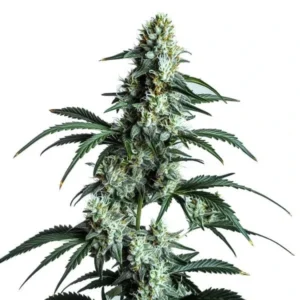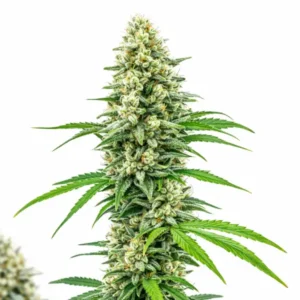


Cannabis cultivation is an intricate process that demands a keen recognition of plant health and nutritional needs. One crucial factor that often goes overlooked is managing brix levels. Brix is a measure of the sugar content in plant sap, which can indicate overall plant health and potential yield. Implementing effective brix management strategies for professional cannabis growers can enhance both the quality and quantity of the harvest.
Measuring Brix consistently is what separates guesswork from data-driven growing. To go further, see our companion articles on Brix Levels and Pest Resistance in Cannabis and how to Use a Refractometer in Outdoor Cannabis Cultivation, which explain how to read the numbers correctly, sidestep common mistakes and use sap measurements to fine-tune nutrition, pest resistance and ripeness across the whole grow.
Recommended Strains

Northern Lights Seeds

|
THC | 17% - 21% (Medium) |

|
Lineage | Thai x Afghani |

|
Type | Feminized |

|
Height | 6.56 ft | 2 m |

|
Yield | High |

|
Yield Indoor | 1.64 - 1.97 oz/ft² | 500 - 600 g/m² |

|
Flowering Time | 6 - 8 weeks |

|
Phenotype | 90% Indica / 10% Sativa |

|
Effects | Uplifted, Happy, Relaxed |

|
Flavors | Sweet, Pungent, Citrus, Pine |

Sour Diesel Auto
|
|
THC | 21% - 22% (Medium) |
|
|
Lineage | Sour Diesel x Ruderalis |
|
|
Type | Autoflowering |
|
|
Height | 3.28 ft | 1 m |
|
|
Yield | High |
|
|
Yield Indoor | 1.47 - 1.8 oz/ft² | 450 - 550 g/m² |
|
|
Life Cycle | 9 - 10 weeks |
|
|
Phenotype | 35% Indica / 65% Sativa |
|
|
Effects | Focused, Creative, Talkative |
|
|
Flavors | Woody, Pepper, Earthy, Citrus |
Professional cannabis growers, particularly those dealing with strains like Northern Lights, Sour Diesel Auto, and Sour Diesel from Growlantis, understand the importance of maintaining optimal brix levels. These strains each have unique characteristics that can benefit from precise brix management. By focusing on brix optimization in cannabis cultivation, growers can improve plant vitality and increase yields.
For instance, Northern Lights is known for its resilience and short flowering time. Sour Diesel Auto, with its automatic flowering capability, and Sour Diesel, prized for its high THC content, benefit significantly from managing brix levels for cannabis yield. Each strain requires specific care, making strategies for brix monitoring in cannabis essential for maximizing their potential.
By improving cannabis quality through brix management, growers can ensure their plants are receiving the right nutrients at the right time. Advanced brix management techniques for cannabis can lead to a healthier plant, higher cannabinoid content, and, ultimately, a more successful harvest.
Recognizing Brix and Its Importance in Cannabis Cultivation
Brix levels are a critical indicator of plant health and vitality. In the realm of cannabis cultivation, maintaining the right brix levels can result in bigger, more potent buds. Brix measures the concentration of sugars in the plant’s sap, which directly correlates with the plant’s ability to photosynthesize and produce energy.
The significance of brix management strategies for professional cannabis growers lies in its ability to reveal plant health issues before they become visible. High brix levels generally indicate robust plant health, while low levels can signal nutrient deficiencies or pest infestations. By consistently monitoring brix levels, growers can take proactive measures to address potential problems.
Growlantis’ Northern Lights strain, for example, is valued for its resilience and short flowering period. By applying brix optimization in cannabis cultivation, growers can ensure Northern Lights plants are receiving the necessary nutrients for optimal growth and yield.
Moreover, recognizing the nuances of brix levels allows growers to better anticipate the needs of their plants throughout different growth stages. For Sour Diesel, known for its high THC content, maintaining a steady increase in brix levels during the flowering phase can enhance cannabinoid production, providing a more potent end product. Implementing these strategies for brix monitoring in cannabis ensures that every growth stage is optimized for maximum quality and yield.
Tools and Techniques for Measuring Brix Levels
Measuring brix levels in cannabis plants requires the right tools and techniques. A refractometer is the most common tool used by growers to measure brix. It’s a simple device that measures the light refraction in the plant sap, providing an accurate brix reading.
To use a refractometer, growers should take a sample of the plant sap by gently squeezing the stem or leaves. The sap is then placed on the refractometer’s glass surface. After closing the cover, the grower looks through the eyepiece to read the brix level, which appears as a line on a numerical scale.
Regular monitoring using a refractometer allows growers to track changes in brix levels, enabling timely interventions. This practice is particularly beneficial for strains like Sour Diesel, which require precise nutrient management to achieve their high THC potential.
Interpreting Brix Readings for Optimal Cannabis Growth
Once you have accurate brix readings, the next step is interpreting them to make informed decisions about plant care. Generally, a higher brix level is desirable, as it indicates a healthy plant with efficient photosynthesis and nutrient uptake.
For strains like Sour Diesel Auto, which are known for their automatic flowering capability, maintaining high brix levels can lead to faster growth and increased yields. If brix levels are low, it might suggest a need for increased light exposure, better watering practices, or adjusted nutrient applications.
By recognizing these nuances, growers can tailor their strategies for brix monitoring in cannabis to suit the specific needs of each strain, ultimately improving plant health and productivity.
Optimizing Nutrient Management for Enhanced Brix Levels
Nutrient management is a cornerstone of brix optimization in cannabis cultivation. Ensuring that plants receive a balanced diet of macro and micronutrients is crucial for maintaining high brix levels. Cannabis plants require a variety of nutrients, including nitrogen, phosphorus, potassium, and trace elements like calcium and magnesium.
For Northern Lights, a strain that thrives on resilience, nutrient management plays a pivotal role in sustaining its robust growth and short flowering time. By providing the right nutrients, growers can enhance the plant’s ability to produce energy, resulting in higher brix levels and better yields.
To improve cannabis quality through brix management, growers should consider the timing and method of nutrient application. Foliar feeding, where nutrients are applied directly to the leaves, can be an effective way to boost brix levels quickly. This method ensures that the nutrients are absorbed directly into the plant tissues, bypassing the root system.
Nutrient management also involves recognizing the specific nutrient needs at different growth stages. For example, during the vegetative stage, Sour Diesel Auto may require more nitrogen to support leaf growth, while during flowering, a phosphorus-rich diet can promote bud development. By aligning nutrient delivery with the plant’s lifecycle, growers can employ advanced brix management techniques for cannabis to maximize plant health and yield.
The function of Soil and Water Quality
Soil and water quality are fundamental factors in managing brix levels for cannabis yield. Poor soil quality can limit nutrient availability, while contaminated water can introduce harmful substances to the plant. Both can negatively impact brix levels.
For strains like Sour Diesel, which require precise nutrient management to optimize their potent cannabinoid profiles, ensuring high soil and water quality is essential. Growers should regularly test their soil for nutrient content and pH levels, making adjustments as needed to maintain optimal growing conditions.
Water quality is equally important. Using filtered or distilled water can prevent the introduction of contaminants that could impact brix levels. Additionally, incorporating beneficial microorganisms into the soil can enhance nutrient uptake and improve overall plant health.
Adjusting Light and Temperature for Brix Optimization
Light and temperature play a significant role in brix management strategies for professional cannabis growers. Adequate light exposure is essential for photosynthesis, which is directly linked to sugar production and brix levels.
For Sour Diesel Auto, which requires specific light cycles due to its automatic flowering nature, optimizing light exposure is vital for maintaining high brix levels. Growers should ensure that plants receive sufficient light intensity and duration, adjusting as necessary to promote healthy growth.
Temperature also affects brix levels. Extreme temperatures can stress the plant, reducing photosynthetic efficiency and lowering brix. Maintaining an optimal temperature range, typically between 70-85°F (21-29°C), can support healthy plant development and sugar production.

Monitoring and Adjusting Brix Levels for Maximum Yield
Consistent monitoring and adjustment of brix levels are key to maximizing cannabis yield. By regularly measuring brix, growers can identify trends and make informed decisions about plant care. This proactive approach ensures that plants remain healthy and productive throughout their lifecycle.
For Northern Lights, a strain noted for its resilience and yield potential, regular brix monitoring can help maintain its robust growth. By addressing any nutrient deficiencies or environmental stresses promptly, growers can sustain high brix levels and achieve superior yields.
Adjusting brix levels may involve varying strategies, from altering nutrient regimens to modifying environmental conditions. For instance, if brix levels are consistently low, growers might increase nutrient concentrations or adjust the light cycle to enhance photosynthesis.
Integrating technology into these practices can further enhance brix management strategies for professional cannabis growers. Advanced sensors and data analytics can provide real-time insights into environmental conditions and plant health, allowing for precise adjustments that maintain optimal brix levels. Sour Diesel, with its demand for consistent quality, can particularly benefit from such technological advancements, ensuring every batch meets high standards.
Integrating Brix Management into Daily Cultivation Practices
Successful brix management requires integrating these strategies into daily cultivation practices. Regularly scheduled brix testing should become a part of routine plant care, alongside other essential tasks like watering and pruning.
For Sour Diesel, known for its high THC content, maintaining consistent brix levels can enhance cannabinoid production. Growers should incorporate brix monitoring into their standard operating procedures, using the data to guide decisions on nutrient application and environmental adjustments.
By adopting a holistic approach to brix management, growers can improve cannabis quality through brix management, ensuring that each plant reaches its full potential. This not only enhances the overall yield but also elevates the quality of the final product.
Utilizing Technology for Enhanced Brix Monitoring
Technology offers innovative solutions for enhancing brix monitoring and management. Automated systems can provide continuous data on brix levels, allowing growers to make real-time adjustments to their cultivation practices.
For example, integrating sensors that measure soil moisture, light intensity, and temperature can complement brix readings, providing a holistic view of plant health. This information can be used to adjust environmental conditions and optimize nutrient delivery.
Using technology to support brix management strategies for professional cannabis growers can lead to more efficient and effective cultivation. By leveraging these tools, growers can ensure that their plants are always performing at their best, leading to higher yields and better quality cannabis.

FAQ Section
What is the significance of brix levels in cannabis cultivation?
Brix levels are a measure of sugar content in plant sap, which indicates a plant’s health and energy production capability. High brix levels typically signify healthy, robust plants with efficient photosynthesis. For cannabis growers, maintaining optimal brix levels can enhance plant vitality, increase yields, and improve cannabinoid content.
How can I measure brix levels in my cannabis plants?
To measure brix levels in cannabis, use a refractometer. This device measures the refraction of light through the plant sap, providing a brix reading. Collect a small sample of sap by gently squeezing the stem or leaves, apply it to the refractometer’s glass, and read the brix level through the eyepiece. Regular readings help track plant health and guide cultivation decisions.
How do nutrient management practices affect brix levels?
Nutrient management is crucial for maintaining high brix levels. Providing a balanced diet of essential nutrients ensures that plants have the resources needed for optimal growth and energy production. Techniques like foliar feeding can quickly boost brix levels by delivering nutrients directly to the leaves, enhancing plant health and yield potential.
What environmental factors influence brix levels in cannabis plants?
Light, temperature, soil, and water quality significantly impact brix levels. Adequate light exposure supports photosynthesis, while optimal temperatures promote efficient plant processes. High-quality soil and water ensure nutrient availability and prevent contamination, all contributing to maintaining healthy brix levels.
Can technology improve brix management strategies for cannabis growers?
Yes, technology can significantly enhance brix management strategies. Automated systems and sensors provide real-time data on plant conditions, allowing growers to make timely adjustments to environmental factors and nutrient delivery. This technological integration helps maintain optimal brix levels, ensuring healthier plants and higher yields.