

Using a refractometer in outdoor cannabis cultivation can significantly enhance your growing results. It involves measuring specific plant metrics to optimize growth conditions. A refractometer is a tool that helps you determine the sugar levels in the sap of your cannabis plants. For both novice and veteran growers, recognizing how to use this device can make a big difference in plant health and yield.
Measuring Brix consistently is what separates guesswork from data-driven growing. To go further, see our companion articles on common Mistakes When Using a Refractometer in Cannabis and how to Choose the Right Refractometer for Cannabis, which explain how to read the numbers correctly, sidestep common mistakes and use sap measurements to fine-tune nutrition, pest resistance and ripeness across the whole grow.
Recommended Strains
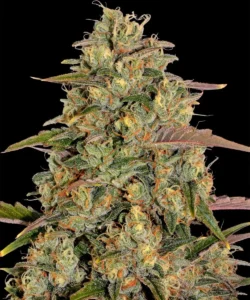
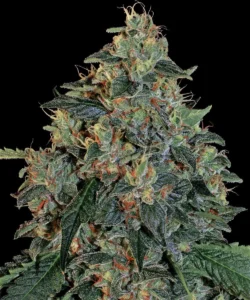
Amnesia Lemon

|
THC | 22% - 23% (Medium) |

|
Lineage | Amnesia Haze x Lemon Skunk |

|
Type | Feminized |

|
Height | 4.43 ft | 1.35 m |

|
Yield Outdoor | 28.22 oz/plant | 800 g/plant |

|
Flowering Time | 8 - 10 weeks |

|
Phenotype | 40% Indica / 60% Sativa |

|
Effects | Uplifted, Focused, Happy |

|
Flavors | Lemon, Spicy, Sweet |
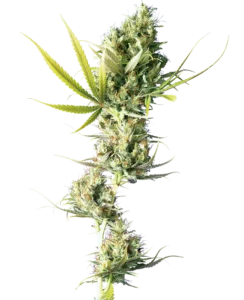
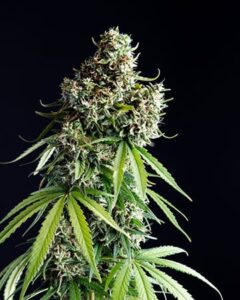
Durban Feminized
|
|
THC | 19% - 21% (Medium) |
|
|
Lineage | Sudafrican Landrace |
|
|
Type | Feminized |
|
|
Height | 6.56 ft | 2 m |

|
Yield | High |

|
Yield Indoor | 1.31 - 1.8 oz/ft² | 400 - 550 g/m² |
|
|
Flowering Time | 8 - 10 weeks |
|
|
Phenotype | 10% Indica / 90% Sativa |
|
|
Effects | Energetic, Creative, Uplifted |
|
|
Flavors | Apricot, Woody, Pepper |
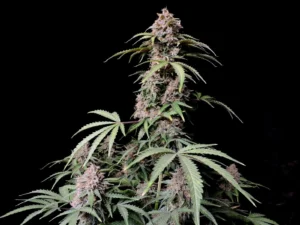
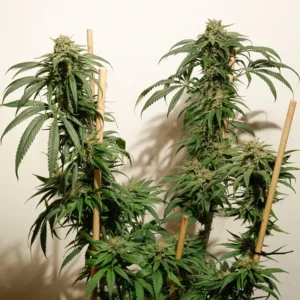
For instance, cultivators growing strains like Amnesia Zkittlez Auto, known for its short flowering time and potent effects, can benefit from regular sap sugar level checks. By doing so, you ensure the plants are receiving the right nutrient balance for optimal growth. This technique applies equally to other strains like Amnesia Lemon and Durban, which thrive when their nutrient uptake is carefully managed.
In this guide, you will learn how to utilize a refractometer effectively in your outdoor cannabis endeavors. We’ll examine calibration methods, sugar level measurement, and the interpretation of readings to boost your cultivation efficiency.
Recognizing Refractometers in Cannabis Cultivation
Refractometers are optical devices that measure the concentration of solutes in a liquid, in this case, plant sap. They are essential in assessing the health and nutrient uptake of cannabis plants by providing data on sugar levels. These readings are crucial for ensuring strains like Durban, known for its robust growth and resilience, are getting what they need for optimal development.
Recognizing how to use a refractometer in outdoor cannabis cultivation involves recognizing the specific needs of each strain and leveraging this tool to meet those needs. For instance, Amnesia Zkittlez Auto requires regular monitoring to ensure its rapid growth cycle is supported with adequate nutrients. Similarly, Amnesia Lemon benefits from precise adjustments in its nutrient regimen to maintain its unique flavor profile. By consistently applying refractometer readings for outdoor cannabis health assessment, cultivators can tailor their practices to the specific demands of their chosen strains, ensuring optimal health and productivity.
Why Use a Refractometer?
Using a refractometer helps you make informed decisions about nutrient adjustments. This is particularly beneficial when growing strains with specific needs. Amnesia Lemon, for example, requires careful nutrient management to achieve its characteristic citrusy aroma and potent effects. By measuring cannabis sap sugar levels with a refractometer, you can tailor the nutrient mix to suit the plant’s current demands.
Types of Refractometers
There are several types of refractometers available, including analog and digital models. Analog refractometers are straightforward, requiring manual reading, while digital versions offer more precise readings through electronic displays. Choosing the right one depends on your budget and the level of precision you desire for your cannabis cultivation.
Using a Refractometer for Outdoor Cannabis
To effectively use a refractometer in outdoor cannabis farming, it’s crucial to select a model designed for plant sap analysis. When selecting a refractometer, consider the specific needs of your cannabis strains. For example, Amnesia Zkittlez Auto, with its fast growth cycle, benefits from regular monitoring to maintain optimal conditions throughout its development.
Steps for Using a Refractometer in Cannabis Farming
Using a refractometer effectively involves several steps, from calibration to interpretation. This section will guide you through the process, ensuring you get the most accurate readings possible for your outdoor cannabis cultivation.
An essential part of using a refractometer in outdoor cannabis cultivation is recognizing how to calibrate a refractometer for cannabis plants. This process is critical for obtaining accurate Brix readings, which directly impact your nutrient management strategies. Having a well-calibrated refractometer allows for precise monitoring of strains like Amnesia Lemon, ensuring that they receive the necessary nutrients to develop their full flavor potential. Additionally, regular calibration and consistent use can help detect early signs of nutrient deficiencies, allowing for timely interventions that can prevent potential yield losses.
Calibrating the Refractometer
Recognizing how to calibrate a refractometer for cannabis plants is the first step. Calibration ensures that your readings are accurate. Start by using distilled water to set the refractometer to a baseline reading of zero. This step is vital for achieving reliable results, especially for strains like Durban, which require precise nutrient balance to thrive.
Collecting Plant Sap
To measure the sugar levels, you’ll need a fresh sap sample. Using a clean sharp tool, make a small incision in a healthy leaf or stem to extract a few drops of sap. This sample provides insights into the plant’s internal sugar concentration, which is crucial for maintaining the health of strains like Amnesia Lemon.
Taking and Interpreting Readings
Place the sap on the refractometer’s prism and look through the eyepiece to obtain a reading. This reading, known as Brix, indicates the sugar content. Higher Brix levels generally mean healthier plants. Use these refractometer readings for outdoor cannabis health assessment to adjust your cultivation practices accordingly.

Optimizing Nutrient Uptake with a Refractometer
Using a refractometer to optimize cannabis nutrient uptake involves adjusting your feeding schedule based on the sugar levels in the plant sap. This proactive approach ensures that your plants receive the right nutrients at the right time, promoting robust growth and maximizing yield.
One of the most effective strategies in using a refractometer to optimize cannabis nutrient uptake is to align your feeding schedules with the specific growth stages of your strains. For example, Amnesia Zkittlez Auto benefits from increased phosphorus during its flowering stage to enhance its yield and potency. Similarly, Durban’s resilience can be boosted by closely monitoring and adjusting nutrient levels based on refractometer readings. By relying on these precise measurements, growers can fine-tune their nutrient plans to support each strain’s unique needs, leading to healthier plants and improved harvests.
Interpreting Brix Levels
High Brix levels often signify that your cannabis plants are absorbing nutrients efficiently. For strains like Amnesia Zkittlez Auto, maintaining optimal Brix levels is key to achieving its high THC content and impressive yield. If readings are low, consider adjusting your nutrient regimen to support better uptake.
Adjusting Nutrients
When Brix levels indicate insufficient nutrient absorption, it’s time to tweak your feeding strategy. For instance, increasing phosphorus during the flowering phase can boost flower production in Amnesia Lemon. Regular monitoring ensures that your plants are always at their best, regardless of environmental conditions.
Monitoring and Tweaking
Consistent monitoring with a refractometer allows you to make timely adjustments to your cultivation strategy. This ongoing process is especially beneficial for outdoor growers dealing with variable weather conditions, as it helps maintain the health and vigor of strains like Durban under diverse environmental stresses.
Best Practices for Refractometer Use in Cannabis Cultivation
Employing best practices when using a refractometer can significantly impact the success of your cannabis cultivation efforts. From regular maintenance to strategic sampling, these practices ensure that you get the most accurate and useful data for your growing needs.
Adopting best practices for refractometer use in cannabis farming includes creating a routine that incorporates both regular maintenance and strategic sampling. Regular maintenance, such as cleaning and calibrating the refractometer, ensures accuracy in measuring cannabis sap sugar levels with a refractometer. Strategic sampling, particularly during critical growth stages, allows for timely adjustments in nutrient management for strains like Amnesia Lemon. Additionally, keeping detailed records of refractometer readings can provide valuable insights into the long-term health and productivity of your plants, aiding in the development of more effective cultivation strategies.
Regular Maintenance
Maintaining your refractometer is essential for accurate readings. Clean the prism area with a soft, damp cloth after each use to prevent residue buildup. Regularly calibrate your device, especially before taking critical measurements for strains like Amnesia Zkittlez Auto, where precision is crucial for achieving desired results.
Timely Sampling
Strategically time your sap sampling to coincide with specific growth stages. For instance, measuring during the vegetative stage can help you optimize nutrient uptake for strains like Amnesia Lemon, ensuring vigorous growth and high yields come harvest time.
Data-Based Decisions
Use the data from your refractometer readings to drive decision-making in your cultivation process. By aligning your actions with the insights gained from sugar level measurements, you can enhance the growth conditions for all your cannabis strains, including the resilient Durban, which thrives on well-informed care strategies.

FAQ
What is a refractometer and how is it used in cannabis cultivation?
A refractometer is a tool used to measure the concentration of solutes, such as sugars, in a liquid. In cannabis cultivation, it helps growers assess the health and nutrient uptake of their plants by providing data on the sugar levels in plant sap. This information is crucial for optimizing nutrient management and ensuring healthy growth.
How do I calibrate a refractometer for cannabis plants?
Calibrating a refractometer involves using distilled water to set a baseline reading of zero. This step ensures that the readings you obtain are accurate and reliable. It’s important to regularly calibrate your refractometer, especially before taking critical measurements, to maintain the health and productivity of your cannabis plants.
Why are Brix levels important in cannabis cultivation?
Brix levels indicate the sugar concentration in plant sap, reflecting the plant’s overall health and nutrient uptake efficiency. High Brix levels generally suggest healthy plants, while low levels may indicate nutrient deficiencies. Monitoring Brix levels helps growers make informed adjustments to their nutrient regimens, optimizing plant growth and yield.
Can a refractometer help improve the yield of cannabis strains like Amnesia Zkittlez Auto?
Yes, using a refractometer can improve yield by providing insights into the plant’s nutrient uptake and overall health. By regularly measuring sugar levels, growers can adjust their nutrient plans to support optimal growth conditions, enhancing the yield and quality of strains like Amnesia Zkittlez Auto.
What are the best practices for refractometer use in outdoor cannabis cultivation?
Best practices include regular calibration, timely sap sampling, and maintaining the device. Additionally, using data from refractometer readings to inform cultivation decisions ensures that your cannabis plants receive the right nutrients at the right time, promoting robust growth and maximizing yield.