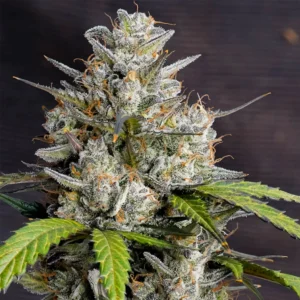


Choosing the right refractometer for cannabis cultivation is crucial for both novice and experienced growers. This tool helps measure the sugar content in plant sap, providing insight into plant health and potential yield. With the right refractometer, you can optimize your cultivation process, ensuring plants like Guava X Gelato 41 Auto and Blue Haze X Gelato 41 Auto reach their full potential. But how do you choose the best refractometer for cannabis growers?
A refractometer is only as useful as the routine you build around it. To get more from your readings, our related guides on Brix Management Strategies for Professional Cannabis Growers and Brix Levels and Pest Resistance in Cannabis cover the practical details — from choosing tools and avoiding errors to turning Brix numbers into real decisions about feeding, plant health and harvest timing.
Recommended Strains

Guava X Gelato 41 Auto

|
THC | 20% - 21% (Medium) |

|
Lineage | Guava x Gelato 41 Auto |

|
Type | Autoflowering |

|
Height | 3.61 ft | 1.1 m |

|
Yield Outdoor | 2.82 oz/plant | 80 g/plant |

|
Life Cycle | 9 - 10 weeks |

|
Phenotype | 70% Indica / 30% Sativa |

|
Effects | Relaxed, Creative |

|
Flavors | Sweet, Fruity, Cream |

Blue Haze X Gelato 41 Auto
|
|
THC | 21% - 22% (Medium) |
|
|
Lineage | Blue Haze x Gelato 41 Auto |
|
|
Type | Autoflowering |
|
|
Height | 3.94 ft | 1.2 m |
|
|
Yield Outdoor | 3.53 oz/plant | 100 g/plant |
|
|
Life Cycle | 10 - 11 weeks |
|
|
Phenotype | 60% Indica / 40% Sativa |
|
|
Effects | Giggly, Creative, Relaxed |
|
|
Flavors | Lime, Cheese |
When you dive into selecting a refractometer for marijuana cultivation, consider factors such as accuracy, ease of use, and durability. The cannabis refractometer buying guide below will walk you through these considerations. Whether you’re growing the highly-resilient Auto Jack Herer or experimenting with new strains, the right refractometer can make a significant difference in your yield.
It’s not just about buying a tool; it’s about investing in a piece of equipment that will enhance your recognition of plant needs. As you examine features to consider in a cannabis refractometer, remember that each plant variety, including those from Growlantis, may have specific requirements.
Recognizing Refractometers and Their Importance
Refractometers are devices used to measure the concentration of soluble solids in liquids. In cannabis cultivation, they help determine the sugar content in plant sap, an indicator of plant health and nutrient uptake. This measurement is known as Brix, and a higher Brix level often signifies healthier plants with better resistance to pests and diseases.
For cannabis growers, especially those cultivating strains like Guava X Gelato 41 Auto, Recognizing these measurements can lead to more informed decisions about feeding and watering schedules. A refractometer provides a quick and reliable way to gauge plant health, aiding in the optimization of growing conditions.
Choosing the right refractometer for cannabis cultivation, therefore, involves recognizing how it can benefit your specific growing setup. The best refractometer for cannabis growers will be one that is easy to use, reliable, and accurate, ensuring you get consistent readings every time.
Alongside recognizing Brix levels, it’s crucial to know how refractometers can be integrated with other monitoring tools to provide a holistic view of plant health. For instance, combining Brix readings with soil moisture and pH levels can offer a more holistic approach to optimizing growth conditions for strains like Blue Haze X Gelato 41 Auto. This integrated method can lead to more precise adjustments in nutrient delivery, ultimately enhancing plant vitality and yield.
Types of Refractometers
There are several types of refractometers available, including analog and digital models. Analog refractometers are often more affordable and don’t require batteries, making them a straightforward choice for beginners. However, they may require more skill to read accurately. Digital refractometers, on the other hand, offer ease of use with digital displays and automatic temperature compensation, providing quick and precise readings.
When considering the best refractometer for cannabis growers, think about your comfort level with technology and your budget. A digital refractometer might be a worthwhile investment if you prioritize ease of use and accuracy, especially when growing high-value strains like Blue Haze X Gelato 41 Auto.
Moreover, recognizing the specific benefits of each type can help you make a more informed decision. For instance, digital refractometers with advanced features like data logging can be especially beneficial for tracking changes over time, making them a top choice for professional growers. Conversely, those who prefer a hands-on approach and appreciate the tactile feedback might opt for an analog model, particularly if they are focusing on a small-scale operation with strains such as Auto Jack Herer.
Key Features to Consider
As you delve into the features to consider in a cannabis refractometer, focus on the aspects that will most impact your cultivation process. These features include measurement range, ease of calibration, and build quality.
The measurement range is crucial as it determines the range of Brix levels your refractometer can accurately measure. For cannabis, a range of 0-32% Brix is generally sufficient. Calibration is another important factor; a refractometer that is easy to calibrate will save you time and ensure accuracy. Some models come with automatic calibration features, which can be a boon for busy growers.
Durability is also a key consideration. A well-built refractometer will withstand the rigors of regular use in various environmental conditions. Look for models constructed with high-quality materials that resist wear and tear over time.
Another critical feature is the refractometer’s ability to compensate for temperature variations, which can significantly affect readings. Look for models with automatic temperature compensation to ensure accuracy in different growing environments. Additionally, the ease of cleaning and maintenance should be considered, as residue from repeated use can skew results. For growers cultivating strains like Guava X Gelato 41 Auto, these features ensure that the refractometer remains a reliable tool for monitoring plant health.
Comparing Brands and Models
When comparing refractometer brands, consider established names known for quality and reliability. Top refractometer brands for cannabis farming often offer a range of models catering to different needs and budgets.
Pay attention to customer reviews and seek recommendations from other growers. A trusted brand can often provide better customer support, which is invaluable if you encounter issues with your device. While brand reputation is important, ensure the specific model you choose meets your specific needs, whether you’re cultivating Auto Jack Herer or another strain from Growlantis.
It’s also beneficial to compare the warranties and guarantees offered by different brands, as these can provide peace of mind and indicate the manufacturer’s confidence in their product. Some brands may offer extended warranties or customer support services that are particularly useful for troubleshooting or technical advice. This can be especially important when investing in more sophisticated digital models, ensuring that your refractometer remains a valuable resource throughout your cannabis growing journey.

Integrating Refractometers into Your Growing Routine
Once you’ve selected the right refractometer, it’s time to integrate it into your daily growing routine. Start by establishing a baseline Brix level for your plants, then monitor changes over time. This practice will help you understand how different factors, such as nutrient adjustments or environmental changes, impact plant health.
For strains like Guava X Gelato 41 Auto, which have specific nutrient requirements, regular Brix measurements can guide your feeding schedule. By comparing these readings with growth stages, you can fine-tune your approach to maximize yield and potency.
Additionally, integrating refractometer use with a detailed log of environmental conditions and nutrient applications can help identify patterns and correlations over time. This systematic approach allows for more precise interventions, particularly for strains with unique needs like Blue Haze X Gelato 41 Auto. By analyzing this data, growers can make informed adjustments to lighting, irrigation, and nutrient delivery, ultimately optimizing plant health and productivity.
Practical Tips for Using a Refractometer
Using a refractometer effectively requires some practice. Begin by taking samples at the same time of day to ensure consistency. This consistency is crucial when comparing results over time. Be sure to clean the refractometer thoroughly after each use to prevent residue buildup, which can affect accuracy.
When sampling sap from strains like Blue Haze X Gelato 41 Auto, take care to extract from multiple leaves to get a representative reading. This approach helps account for any variability within the plant, providing a more accurate picture of overall health.
Real-Life Examples from Cannabis Cultivation
Consider the case of a grower cultivating Auto Jack Herer, a strain known for its resilience and high yield. By regularly measuring Brix levels, this grower was able to detect nutrient deficiencies early and adjust the feeding schedule accordingly. This proactive approach resulted in a robust crop with enhanced THC levels.
Another grower working with Blue Haze X Gelato 41 Auto noticed a drop in Brix levels during flowering. By addressing this issue with targeted nutrient applications, the grower improved the overall health of the plants, resulting in a higher yield of potent buds.
These examples highlight the practical benefits of incorporating a refractometer into your growing practices. With consistent monitoring, you can make informed decisions that enhance the quality and quantity of your harvest.
Furthermore, growers of Guava X Gelato 41 Auto have reported that by closely monitoring Brix levels, they could better understand the plant’s response to different environmental stresses. This insight allowed them to adjust their growing strategies, such as modifying light intensity or humidity levels, to better suit the plant’s needs. As a result, they achieved a more resilient crop with improved flavor profiles and higher cannabinoid content.

FAQ
What is the primary use of a refractometer in cannabis cultivation?
A refractometer is primarily used to measure the sugar content in the plant sap, known as Brix. This measurement serves as an indicator of overall plant health and nutrient uptake. By monitoring Brix levels, growers can make informed decisions about watering and feeding schedules, optimizing conditions for strains like Guava X Gelato 41 Auto.
How often should I use a refractometer on my cannabis plants?
For best results, use a refractometer regularly, ideally once a week, to track changes in Brix levels. Consistent measurements allow you to establish a baseline and detect any significant changes that may require adjustments in your growing strategy. Regular monitoring is especially beneficial when cultivating sensitive strains like Blue Haze X Gelato 41 Auto.
Can a refractometer help improve my cannabis yield?
Yes, by providing insights into plant health, a refractometer can help you optimize growing conditions, potentially improving both yield and quality. For instance, recognizing the nutrient needs of Auto Jack Herer through Brix monitoring can lead to more targeted and effective nutrient applications.
What should I do if I get inconsistent Brix readings?
Inconsistent Brix readings can result from several factors, including improper calibration or sampling techniques. Ensure your refractometer is correctly calibrated and that you’re taking samples at the same time and in the same manner each time. Cleaning the device thoroughly after each use can also help maintain accuracy.
Are digital refractometers better than analog models for cannabis growing?
Digital refractometers offer advantages such as ease of use, quicker readings, and often include automatic temperature compensation, making them a popular choice for many growers. However, analog models can be equally effective if you are comfortable with manual readings and prefer a more budget-friendly option.