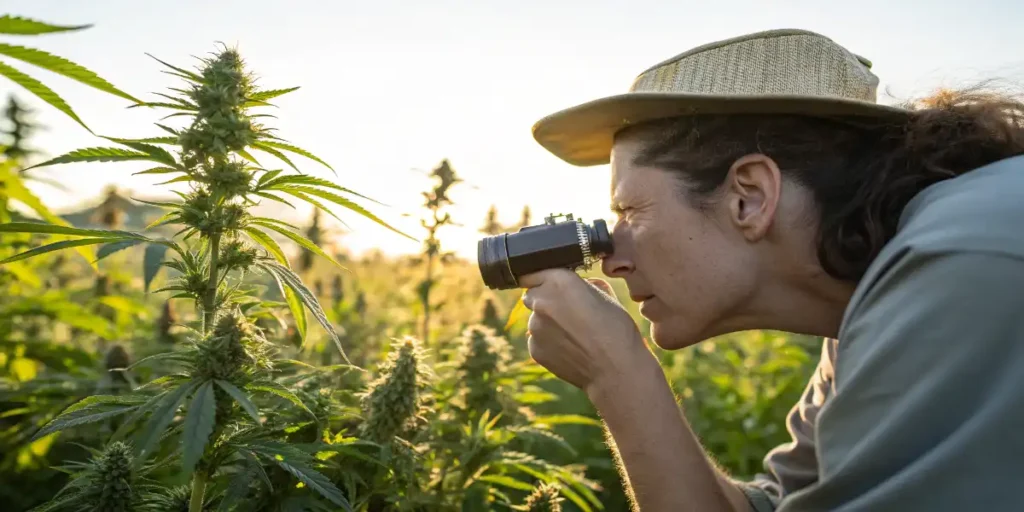

Using a refractometer can provide valuable insights into the health and quality of your cannabis plants. However, it’s easy to make mistakes if you’re not aware of the nuances. Whether you’re a first-time grower or have been cultivating cannabis for years, avoiding these pitfalls can significantly enhance your results. Let’s dive into some common mistakes when using a refractometer in cannabis cultivation.
A refractometer is only as useful as the routine you build around it. To get more from your readings, our related guides on how to Choose the Right Refractometer for Cannabis and Brix Management Strategies for Professional Cannabis Growers cover the practical details — from choosing tools and avoiding errors to turning Brix numbers into real decisions about feeding, plant health and harvest timing.
Recommended Strains
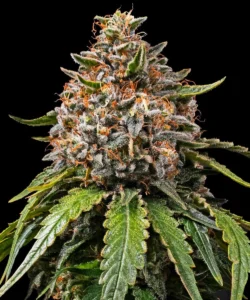
White Widow XXL Seeds

|
THC | 26% - 27% (High) |

|
Lineage | Brazilian x South Indian |

|
Type | Feminized |

|
Height | 5.74 ft | 1.75 m |

|
Yield Outdoor | 70.55 oz/plant | 2000 g/plant |

|
Flowering Time | 8 - 9 weeks |

|
Phenotype | 75% Indica / 25% Sativa |

|
Effects | Creative, Uplifted, Energetic, Talkative, Euphoric |

|
Flavors | Sweet, Pungent, Fruity, Spicy, Pine |
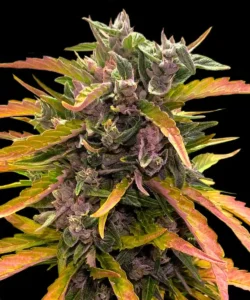
GG Auto
|
|
THC | 26% - 27% (High) |
|
|
Lineage | GG4 x BF Super Auto #1 |
|
|
Type | Autoflowering |
|
|
Height | 3.77 ft | 1.15 m |
|
|
Yield Outdoor | 8.11 - 10.58 oz/plant | 230 - 300 g/plant |
|
|
Life Cycle | 9 - 11 weeks |
|
|
Phenotype | 55% Indica / 45% Sativa |
|
|
Effects | Calming, Relaxed |
|
|
Flavors | Coffee, Spicy, Earthy |
One frequent error is neglecting to calibrate the refractometer properly. Calibration is crucial to ensure accurate readings, especially when testing different strains like White Widow XXL, known for its high yield and potency. Without proper calibration, you might misjudge the plant’s sugar levels, leading to incorrect assumptions about its health and readiness for harvest.
Another mistake often made is not considering the temperature’s influence on the refractometer readings. Cannabis strains like Gorilla Glue Auto, which are grown both indoors and outdoors, can be affected by temperature variations. The refractometer’s readings can be skewed by temperature differences, leading to false readings. This is crucial to remember for accurate cannabis analysis.
Misusing the refractometer during the flowering stage of strains like Wedding Cake can also result in errors. This strain, known for its rich THC content and complex flavor profile, requires precise monitoring. Incorrect assumptions about the plant’s sugar content due to improper refractometer use can lead to less than optimal harvests.
Incorrect Calibration and Its Impact
Calibration is the cornerstone of accurate refractometer readings. Without it, even the most advanced refractometer can give misleading data. Many growers overlook this step, which can lead to significant errors in cannabis testing.
Calibrating refractometer errors in cannabis testing can also arise from a lack of recognition of how different environmental factors affect each strain. For example, White Widow XXL may require different calibration techniques compared to Gorilla Glue Auto due to variations in their growing conditions. Growers should take detailed notes on each calibration session, noting any changes in environmental parameters such as humidity or light exposure, which can influence the refractometer’s baseline readings. This practice not only helps in achieving accurate results but also builds a historical data set that can be invaluable for future cultivation cycles.
Calibrating Refractometer Errors in Cannabis Testing
Errors in calibration can arise from various factors, such as temperature or outdated calibration solutions. A refractometer needs to be calibrated with a solution that matches the temperature of your growing environment. For instance, when working with strains like White Widow XXL, which thrive in specific conditions, incorrect calibration can lead to poor decision-making regarding nutrient and water intake.
To avoid these issues, ensure your calibration solutions are fresh and stored at the correct temperatures. Make it a routine to calibrate your refractometer before each use, especially when testing multiple strains in varying environments.
Steps for Proper Calibration
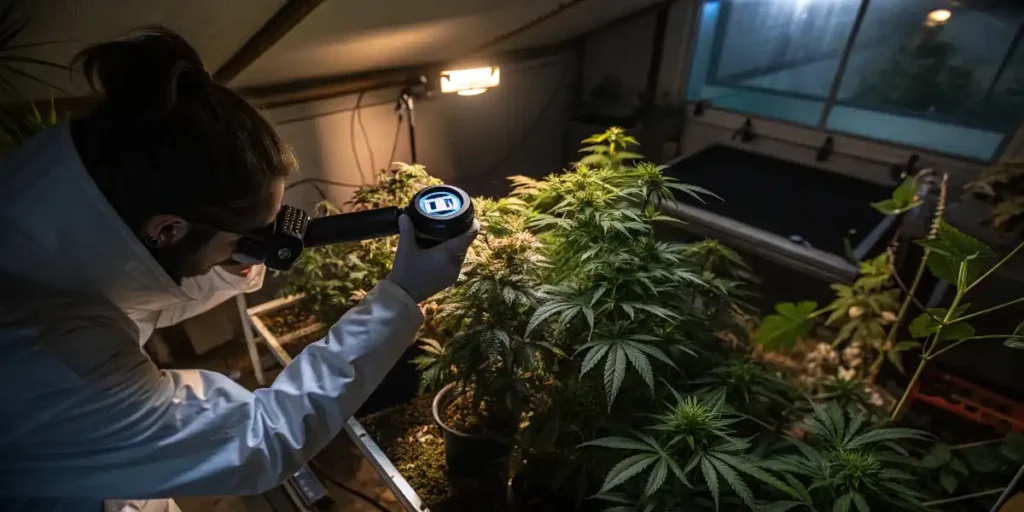
To calibrate your refractometer correctly, start by cleaning the lens with distilled water and a soft cloth. Apply a few drops of the calibration solution and adjust the refractometer until the reading matches the solution’s known value. Regularly recalibrate to account for any environmental changes.
By following these steps, you can ensure that your refractometer readings are as accurate as possible, allowing for precise monitoring of your cannabis plants’ maturation stages.
Temperature Influences on Refractometer Readings
The refractometer’s accuracy can be significantly affected by temperature, a fact often overlooked by growers. This mistake can lead to incorrect refractometer readings in cannabis analysis, impacting the evaluation of strains like Gorilla Glue Auto.
Refractometer temperature influence on cannabis results is especially crucial when dealing with strains that are sensitive to environmental changes, such as Gorilla Glue Auto. To mitigate potential errors, growers should consider using a refractometer with built-in temperature compensation or manually adjusting their readings based on known temperature deviations. This is particularly important during transitional seasons when outdoor and indoor temperatures can fluctuate dramatically, affecting the refractive index and, consequently, the interpretation of the plant’s sugar content and overall health. Taking proactive measures against temperature-related inaccuracies ensures a more reliable analysis and better crop management.
Refractometer Temperature Influence on Cannabis Results
Temperature fluctuations can alter the refractive index, causing readings to be higher or lower than the actual value. This is particularly important when working with Gorilla Glue Auto, as it is a versatile strain that can be cultivated in various settings. Recognizing how temperature affects readings can prevent misinterpretations of the plant’s sugar levels and maturity.
Always check the temperature compensation feature on your refractometer. Many modern devices come with automatic temperature compensation (ATC), which adjusts the reading based on the ambient temperature. This feature is invaluable for ensuring accurate readings across different growing environments.
Practical Tips for Managing Temperature Effects
For optimal accuracy, store your refractometer in a temperature-stable environment. Before taking measurements, allow the device to acclimate to the room’s temperature, especially if there have been extreme shifts in weather or if you’ve moved it between locations.
By managing temperature influences effectively, you can trust the data you gather from your refractometer, leading to better-informed decisions about your cannabis crops.
Improper Usage and Its Consequences
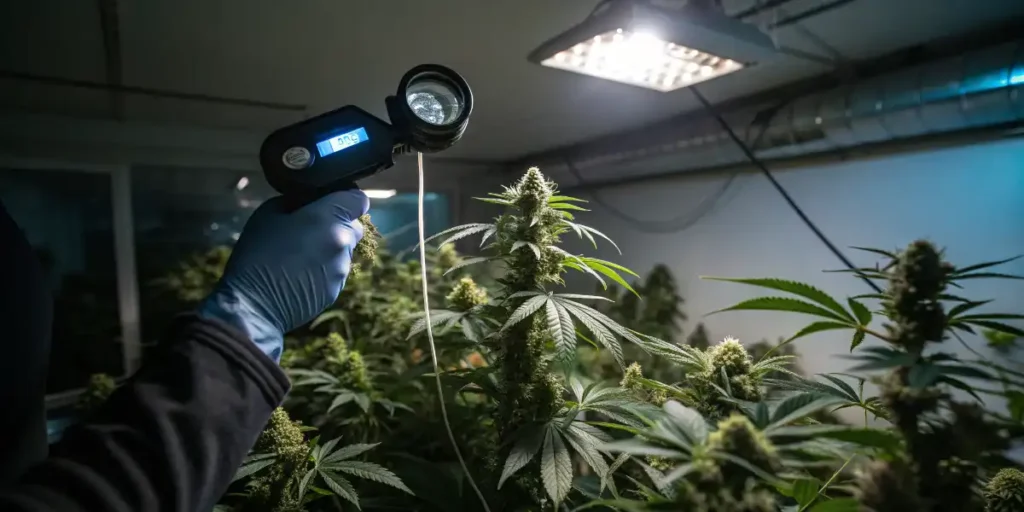
Improper refractometer usage in cannabis cultivation can lead to a cascade of problems. Misreading the device or not following the correct procedures can result in inaccurate data, which is crucial for strains like Wedding Cake that require precise monitoring for optimal growth.
One of the common mistakes when using a refractometer in cannabis involves not accounting for the unique properties of each strain during testing. For instance, Wedding Cake, with its high THC content, demands precise refractometer usage to ensure that the sugar levels reflect true plant health. Employing a standardized approach without considering the specific needs of each strain can lead to inconsistencies in data, which might affect the overall quality and yield of the harvest. Developing a tailored approach for each strain can enhance accuracy and lead to better cultivation outcomes.
Common Mistakes in Using a Refractometer
One of the most common mistakes is not applying enough sample on the refractometer’s lens, which can lead to unreliable readings. This is particularly crucial when working with high THC content strains like Wedding Cake, where precision matters for maximizing potency.
Another error is not cleaning the refractometer lens between tests. Residues from previous samples can contaminate new readings, leading to skewed data. Always clean the lens thoroughly with distilled water and a lint-free cloth before and after each use to maintain accuracy.
Avoiding Improper Techniques
To avoid these pitfalls, ensure that you are using the correct amount of sample fluid. A small, consistent drop is sufficient for most refractometers. Follow the manufacturer’s guidelines for sample size to prevent overflow or insufficient coverage.
Regular maintenance and proper handling of the refractometer are key to obtaining reliable data. By using the device correctly, you can ensure that the readings you get are reflective of your cannabis plants’ true conditions.
Cleaning and Maintenance of the Refractometer
Cleaning refractometer lens mistakes in cannabis research can lead to inaccurate results and compromised plant health. Proper maintenance is essential for ensuring the longevity and accuracy of your device.
Routine cleaning is not just about ensuring immediate accuracy; it also contributes to the longevity and reliability of the refractometer, especially when dealing with premium strains like White Widow XXL. Accumulated residues can lead to chronic inaccuracies and, over time, degrade the quality of the lens, leading to costly repairs or replacements. By following a consistent cleaning regimen, you can prevent these issues and maintain the integrity of your readings, allowing for better decision-making and successful cultivation with strains from Growlantis.
Importance of Regular Cleaning
A dirty lens can distort readings, leading to errors that affect your ability to gauge plant health accurately. This is especially relevant when working with high-yield strains like White Widow XXL, where recognizing the plant’s sugar levels is crucial for timing the harvest.
Regular cleaning with distilled water and a soft cloth prevents build-up of residues that can affect the refractometer’s performance. Avoid using harsh chemicals that might damage the lens or other parts of the device.
Maintenance Tips for Longevity
To maintain your refractometer, perform regular checks to ensure all parts are functioning correctly. Store it in a protective case when not in use to prevent damage from dust or accidental drops.
With proper care, your refractometer will continue to provide accurate readings, helping you make informed decisions about your cannabis cultivation practices.
FAQ
How do I calibrate my refractometer correctly?
Calibration involves using a standard solution to adjust the refractometer’s readings. Clean the lens, apply the solution, and adjust the refractometer until the reading matches the solution’s known value. Regular calibration ensures accurate readings, especially when dealing with different cannabis strains.
Why are my refractometer readings inconsistent?
Inconsistent readings can result from improper calibration, temperature fluctuations, or a dirty lens. Ensure that your refractometer is calibrated correctly, consider the temperature’s effect on readings, and clean the lens thoroughly between uses to maintain consistency.
Can temperature really affect my refractometer readings?
Yes, temperature can significantly impact refractometer readings. The refractive index changes with temperature, potentially leading to inaccurate results. Using a refractometer with automatic temperature compensation can mitigate these effects and provide more reliable data.
What is the best way to clean my refractometer?
To clean your refractometer, use distilled water and a soft, lint-free cloth. Avoid harsh chemicals that could damage the device. Regular cleaning will prevent residue build-up, ensuring that your readings remain accurate and reliable over time.
Why is proper sample application important?
Applying the right amount of sample is crucial for obtaining accurate readings. Too little or too much sample can result in skewed data. Follow the manufacturer’s guidelines for sample size to ensure that your refractometer provides reliable information about your cannabis plants.