

How Refractometers Aid in Cannabis Cultivation
Refractometers are invaluable tools for cannabis growers looking to optimize plant health. By measuring the refractive index of plant sap, these devices provide insights into nutrient levels and potential deficiencies. When growing cannabis, recognizing nutrient balance is crucial for achieving optimal growth and yield.
For both novice and experienced growers, refractometers offer a simple yet effective way to monitor nutrient uptake. This is particularly essential when cultivating strains from Growlantis like OG Kush Auto, Northern Lights Auto, and Pink Runtz Auto. Each strain has specific nutrient needs, and a refractometer can help ensure these needs are met.
Recommended Strains
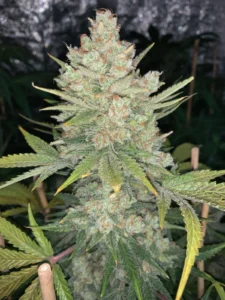
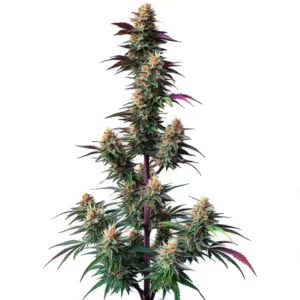
OG Kush Auto

|
THC | 23% - 24% (High) |

|
Lineage | OG Kush x Ruderalis |

|
Type | Autoflowering |

|
Height | 3.28 ft | 1 m |

|
Yield | High |

|
Yield Indoor | 1.47 - 1.8 oz/ft² | 450 - 550 g/m² |

|
Life Cycle | 9 weeks |

|
Phenotype | 80% Indica / 20% Sativa |

|
Effects | Powerful, Sedative |

|
Flavors | Pine, Herbal, Pepper |
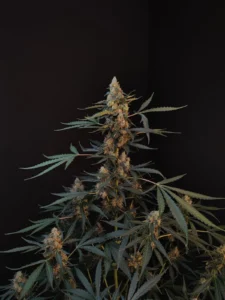
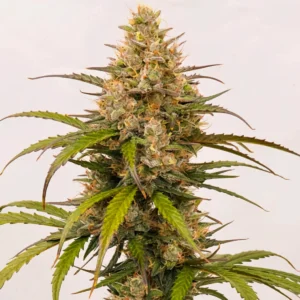
Northern Lights Auto
|
|
THC | 21% - 22% (Medium) |
|
|
Lineage | Northern Lights x Ruderalis |
|
|
Type | Autoflowering |
|
|
Height | 3.28 ft | 1 m |
|
|
Yield | High |
|
|
Yield Indoor | 1.64 - 1.97 oz/ft² | 500 - 600 g/m² |
|
|
Life Cycle | 9 weeks |
|
|
Phenotype | 70% Indica / 30% Sativa |
|
|
Effects | Sedative, Powerful, Relaxed |
|
|
Flavors | Fruity, Spicy, Pepper |
A refractometer works by gauging the sugar content in the plant sap, which correlates with nutrient levels. Higher sugar levels generally indicate healthy nutrient absorption, while lower levels can signal deficiencies. This makes diagnosing cannabis nutrient issues using a refractometer not only efficient but also straightforward.
When it comes to cannabis cultivation, especially for strains like OG Kush Auto, a refractometer can help identify the subtle differences in nutrient absorption rates. This strain, known for its high THC content and robust growth, benefits from precise nutrient management to maximize its yield potential.
Beyond just assessing sugar levels, refractometers can help growers fine-tune their watering and feeding routines to match the specific needs of each strain. For instance, OG Kush Auto may require more frequent nutrient checks during its flowering phase to ensure nutrient absorption is at its peak. By consistently using a refractometer for cannabis nutrient diagnosis, growers can take a proactive approach to managing plant health and ensuring that nutrient delivery aligns with each strain’s growth cycle.
Using a Refractometer for Cannabis Nutrient Diagnosis
Using a refractometer for cannabis nutrient diagnosis involves a few simple steps. First, obtain a sap sample from your cannabis plant. This is usually done by crushing a small section of the leaf to extract the sap. Next, place a drop of this sap onto the refractometer’s glass surface and close the cover plate.
Once the sample is in place, hold the refractometer up to a light source. Look through the eyepiece, and you will see a scale indicating the Brix level. The Brix level represents the sugar content in the plant sap, which is directly related to nutrient uptake. A higher Brix level generally indicates healthier plants.
Northern Lights Auto, another strain from Growlantis, is known for its resilience and ease of growth. However, using a refractometer can help fine-tune nutrient levels to enhance its already impressive yield. By regularly checking the Brix levels, growers can make informed decisions about nutrient adjustments.
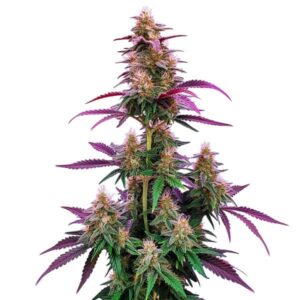
Regular monitoring with a refractometer allows growers to quickly diagnose cannabis nutrient issues, ensuring strains like Pink Runtz Auto receive the right balance of nutrients. This strain, with its vibrant color and potent effects, requires precise nutrient management to maintain its unique characteristics.
To get the most accurate readings, it’s important to consider environmental factors such as light and temperature when using a refractometer for cannabis nutrient diagnosis. These factors can influence sap composition and, consequently, the Brix level. For example, Northern Lights Auto may exhibit different Brix readings under varying light conditions, prompting growers to adjust light exposure or nutrient solutions accordingly. By integrating such insights into their cultivation practices, growers can optimize plant health and boost overall productivity.
Cannabis Plant Health Assessment with a Refractometer
Cannabis plant health assessment with a refractometer goes beyond just measuring nutrient levels. It offers a comprehensive view of the plant’s overall health. By regularly checking the Brix levels, growers can detect early signs of stress or nutrient deficiencies before they become serious problems.
For example, OG Kush Auto is a strain that thrives on balanced nutrient intake. A refractometer can help ensure this balance by providing real-time feedback on nutrient absorption. This proactive approach allows growers to adjust feeding schedules and nutrient formulations as needed.
Another benefit of using a refractometer is the ability to track how environmental changes impact plant health. Factors like temperature, light, and humidity can all affect nutrient uptake. By monitoring these changes alongside Brix levels, growers can optimize conditions for maximum growth.
Pink Runtz Auto, with its distinctive terpene profile, requires careful nutrient management to preserve its flavor and potency. A refractometer provides the data needed to fine-tune nutrient delivery, ensuring this strain reaches its full potential.
Using a refractometer for cannabis plant health assessment also reveals patterns over time, aiding in the development of a tailored nutrient strategy. By maintaining detailed records of Brix levels across growth stages, growers can identify trends and make predictive adjustments. Such data-driven decisions are especially beneficial for fine-tuning the nutrient needs of Pink Runtz Auto, allowing for timely interventions that support sustained plant vigor and quality harvests.

Refractometer Applications in Cannabis Nutrient Management
Refractometer applications in cannabis nutrient management are diverse and highly beneficial. These devices help in identifying nutrient deficiencies, optimizing feeding schedules, and improving overall plant vigor. By integrating refractometers into their cultivation practices, growers can achieve healthier plants and higher yields.
Northern Lights Auto, a strain celebrated for its ease of growth and resilience, can still benefit from precise nutrient management. A refractometer helps ensure this strain receives the right amount of nutrients at each growth stage, promoting uniform growth and development.
Growers can use refractometers to compare nutrient uptake across different strains or even different growth environments. This comparative approach is particularly useful for those cultivating multiple strains like OG Kush Auto and Pink Runtz Auto, allowing for tailored nutrient strategies.
By diagnosing marijuana nutrient problems with a refractometer, growers can address issues before they affect plant health. This proactive nutrient management approach leads to stronger plants and, ultimately, more successful harvests.
Refractometer applications in cannabis nutrient management extend to customizing nutrient blends that suit the specific needs of each strain. For instance, OG Kush Auto may require a different nutrient profile compared to Pink Runtz Auto, especially during flowering. By continuously monitoring Brix levels, growers can fine-tune nutrient formulations to address any emerging deficiencies promptly. This precision in nutrient management not only enhances plant health but also maximizes yield and quality.
Diagnosing and Correcting Nutrient Deficiencies
Diagnosing and correcting nutrient deficiencies is a critical aspect of cannabis cultivation. A refractometer helps growers identify which nutrients are lacking, allowing for targeted interventions. Once a deficiency is detected, growers can adjust their feeding regimen accordingly.
For strains like OG Kush Auto, which demands a specific nutrient profile for optimal growth, early detection of deficiencies is crucial. A refractometer helps ensure this strain receives the necessary nutrients to produce its characteristic dense, resinous buds.
Northern Lights Auto, with its straightforward growing requirements, can still experience nutrient issues, especially in suboptimal conditions. A refractometer provides the insights needed to maintain plant health and ensure consistent yields.
Adjusting nutrient levels based on refractometer readings can help maintain the vibrant color and distinctive flavor of Pink Runtz Auto. This strain’s unique characteristics are best preserved when nutrient levels are carefully managed throughout the growth cycle.
To effectively address nutrient deficiencies, it’s important to combine refractometer readings with other indicators of plant health, such as leaf color and growth patterns. For example, if Northern Lights Auto shows a dip in Brix levels alongside yellowing leaves, it could indicate a nitrogen deficiency, prompting a specific nutrient intervention. By using a refractometer to guide these adjustments, growers can ensure timely and accurate responses to nutrient needs, safeguarding the health and productivity of their cannabis plants.

FAQ
How does a refractometer help in diagnosing cannabis nutrient issues?
A refractometer measures the Brix level in plant sap, which indicates sugar and nutrient content. By identifying the sugar content, growers can infer the nutrient uptake of their cannabis plants. Higher Brix levels suggest better nutrient absorption, which is essential for healthy growth. Diagnosing cannabis nutrient issues using a refractometer allows growers to make timely adjustments to their feeding schedules, ensuring optimal plant health.
Can a refractometer be used with all cannabis strains?
Yes, a refractometer can be used with all cannabis strains, including those from Growlantis like OG Kush Auto, Northern Lights Auto, and Pink Runtz Auto. Each strain may show different Brix levels based on their unique nutrient requirements and environmental conditions. By regularly checking these levels, growers can tailor their nutrient management strategies to suit each specific strain, ensuring healthy and productive plants.
What are the benefits of using a refractometer over other diagnostic tools?
A refractometer offers several benefits over other diagnostic tools. It provides immediate, accurate readings of plant sap Brix levels, which correlate directly with nutrient uptake. This simplicity allows for quick assessments and adjustments, making it an efficient tool for both novice and experienced growers. Unlike more complex soil or tissue tests, a refractometer requires minimal preparation and offers real-time insights into plant health.
How often should I use a refractometer on my cannabis plants?
For best results, use a refractometer regularly throughout the cannabis growth cycle. This could mean weekly checks during critical growth stages or more frequent assessments if plants show signs of stress or nutrient deficiencies. Consistent monitoring helps maintain optimal nutrient levels, especially for strains like Pink Runtz Auto, which require precise nutrient management to achieve their full potential.
What should I do if I detect a nutrient deficiency with a refractometer?
If a refractometer indicates a nutrient deficiency, take immediate action to adjust your feeding regimen. Identify which nutrients are lacking and increase their presence in your nutrient solution. For instance, if growing Northern Lights Auto, ensure the plant receives balanced macro and micronutrients to prevent any growth setbacks. By addressing deficiencies promptly, you can maintain plant health and achieve successful harvests.