
For cannabis growers, recognizing how to measure brix levels in cannabis leaves and stems is crucial for optimizing plant health and yield. Brix levels indicate the sugar content in your plants, which can directly affect their growth and potency. Experienced cultivators know that monitoring these levels can be the difference between a mediocre harvest and an exceptional one. Whether you’re growing Blue Dream Auto, Gorilla Glue 4, or Runtz from Growlantis, knowing how to track brix levels can give you a significant advantage.
Measuring brix levels in cannabis plants involves assessing the sugar content in the sap of leaves and stems. This is an essential practice because high brix readings often indicate healthy plants with robust immune systems. By frequently testing brix levels, you can gauge the effectiveness of your growing techniques and make necessary adjustments. For instance, Blue Dream Auto, known for its balanced effects and high THC levels, can benefit significantly from precise brix monitoring to achieve its full potency.
Recommended Strains
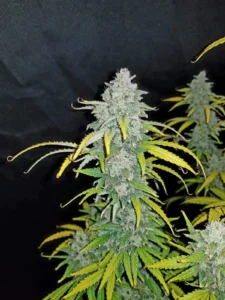
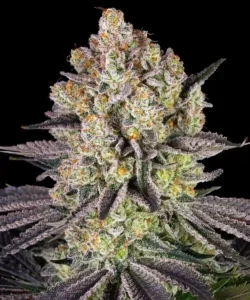
Blue Dream Autoflower

|
THC | 22% - 23% (Medium) |

|
Lineage | Blue Dream x Ruderalis |

|
Type | Autoflowering |

|
Height | 3.94 ft | 1.2 m |

|
Yield | High |

|
Yield Indoor | 1.47 - 1.97 oz/ft² | 450 - 600 g/m² |

|
Life Cycle | 9 - 11 weeks |

|
Phenotype | 25% Indica / 75% Sativa |

|
Effects | Happy, Creative, Relaxed |

|
Flavors | Cherry, Berry, Lemon, Pine |
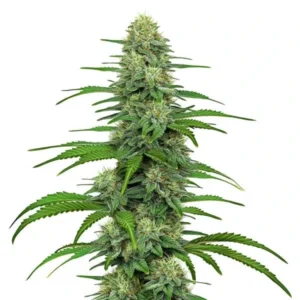
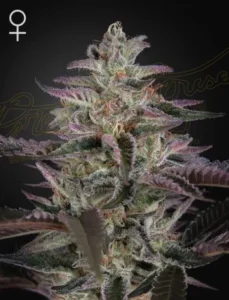
GG4
|
|
THC | 27% (High) |
|
|
Lineage | Chem Sis x Sour Dubb x Diesel Chocolate |
|
|
Type | Feminized |
|
|
Height | 6.56 ft | 2 m |
|
|
Yield | High |
|
|
Yield Indoor | 1.64 - 1.97 oz/ft² | 500 - 600 g/m² |

|
Yield Outdoor | 24.69 - 28.22 oz/plant | 700 - 800 g/plant |
|
|
Flowering Time | 8 - 10 weeks |
|
|
Phenotype | 40% Indica / 60% Sativa |

|
Medical | Anxiety, Depression, Pain |
|
|
Effects | Happy, Relaxed, Talkative |
|
|
Flavors | Fruity, Pine, Spicy |
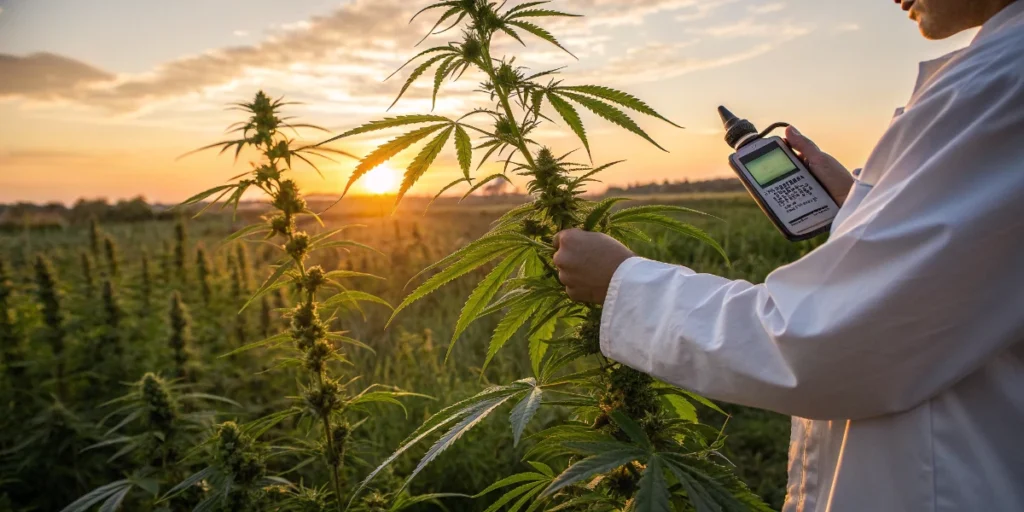
Tools like refractometers are commonly used for measuring brix levels in cannabis. These devices are relatively simple to use and provide immediate insight into the plant’s health. A high brix level in strains like Gorilla Glue 4, famous for its sticky resin and powerful effects, suggests that your plants are absorbing nutrients effectively. Regularly tracking these levels can help you make informed decisions about your cultivation practices, ensuring that each plant reaches its maximum potential.
Each cannabis strain has unique nutrient requirements and growth patterns. For instance, Runtz, a strain celebrated for its sweet flavor and balanced high, may require different brix level management than other strains. Recognizing the specific needs of your chosen strain can help you tailor your approach to brix measurement, maximizing both flavor and potency.
The Science Behind Brix Levels in Cannabis
Brix levels are a measure of the sugar content in plant sap, expressed as a percentage. This measurement is crucial in agriculture and horticulture because it provides insight into the plant’s health and vigor. For cannabis plants, high brix levels can correlate with greater pest resistance, better taste, and higher yields. This section will delve into the science that underpins brix measurement.
In simple terms, brix levels indicate the amount of dissolved sugars in a plant. These sugars are the result of photosynthesis, the process by which plants convert sunlight into energy. Higher brix levels generally mean that a plant is photosynthesizing efficiently and storing more energy. This is particularly relevant for strains like Blue Dream Auto, which thrive under optimal light conditions.
Recognizing brix levels in cannabis cultivation also involves recognizing how these levels impact different strains. For example, Gorilla Glue 4, with its dense buds and resinous trichomes, may require higher brix levels to maintain its characteristic stickiness and potency. By regularly measuring the sugar content, growers can ensure their plants are on track to produce the desired results.
Another critical aspect of recognizing brix levels in cannabis cultivation is recognizing the function of plant genetics in sugar production. Blue Dream Auto, for instance, has a genetic predisposition for high sugar levels, which can be enhanced through precise light and nutrient management. Similarly, Runtz’s unique genetic profile may respond differently to environmental conditions, requiring growers to adjust their techniques for brix measurement in cannabis plants to optimize results. By aligning cultivation strategies with genetic potential, growers can maximize the benefits of high brix readings.
Factors Affecting Brix Levels
Several factors can influence the brix levels in your cannabis plants. These include light exposure, nutrient availability, and environmental conditions. For instance, adequate light is crucial for photosynthesis, which in turn affects sugar production. Strains like Runtz may require specific light cycles to optimize brix levels and enhance their sweet, fruity flavor.
Nutrient management is another critical factor. A balanced nutrient regimen ensures that your plants have all the necessary components to produce sugars efficiently. It’s important to tailor your nutrient plan to the specific needs of your strain, whether it’s the high-yielding Gorilla Glue 4 or the versatile Blue Dream Auto.
Environmental stressors such as temperature fluctuations and humidity levels can also significantly impact brix levels. For example, maintaining a stable temperature is crucial for Blue Dream Auto to prevent stress-induced fluctuations in sugar production. Similarly, Gorilla Glue 4 may require lower humidity levels to optimize resin production and maintain high brix readings. Recognizing these factors and their interplay allows growers to implement techniques for brix measurement in cannabis plants effectively, ensuring each strain reaches its full potential.
Tools and Techniques for Measuring Brix Levels
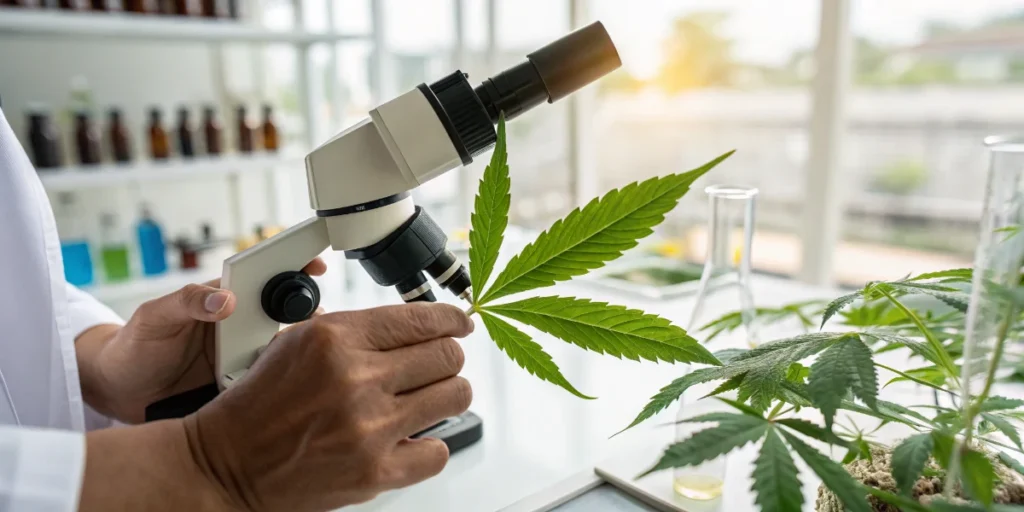
Measuring brix levels in cannabis leaves and stems requires the right tools and techniques. Most growers use a refractometer, a device that measures the refractive index of plant sap to determine sugar content. This section will guide you through the process of using these tools effectively.
Refractometers are available in both analog and digital forms. Analog refractometers are often more affordable and require manual calibration, while digital refractometers offer greater precision and ease of use. For first-time users, a digital refractometer might be more intuitive, especially when dealing with strains like Runtz, where precise measurements can enhance flavor profiles.
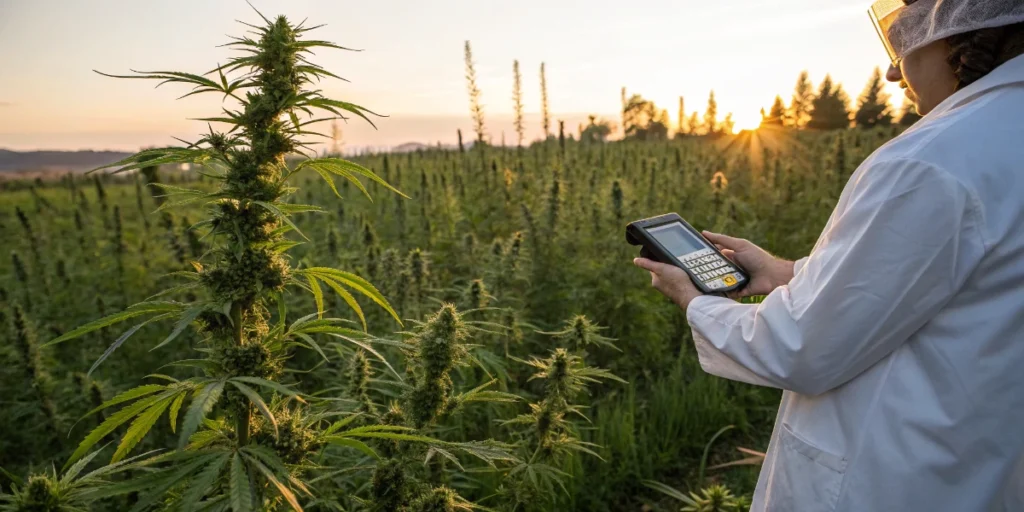
To use a refractometer, you need to extract a small amount of sap from the cannabis leaves or stems. This can be done using a garlic press or a similar tool to gently crush the plant material. Once you have enough sap, place a few drops onto the refractometer’s glass plate, close the cover, and look through the eyepiece to read the brix level. For digital refractometers, simply place the sap on the sensor and read the digital display.
To improve accuracy in how to measure brix levels in cannabis leaves and stems, it’s beneficial to familiarize yourself with the best tools for measuring brix in cannabis stems. Practicing with both analog and digital refractometers can help you understand their nuances. Experimenting with different tools on strains like Blue Dream Auto can highlight which device provides the most consistent readings for your specific cultivation environment. This hands-on approach not only enhances your skills but also ensures that your brix measurements reflect the true health of your plants, allowing for precise adjustments in cultivation practices.
Best Practices for Accurate Brix Measurement
To ensure accurate brix measurements, it’s essential to follow a few best practices. First, always calibrate your refractometer according to the manufacturer’s instructions. Calibration ensures that your readings are as precise as possible, which is crucial when working with high-value strains like Gorilla Glue 4.
Next, sample your plants at the same time each day, preferably in the morning when photosynthesis is just starting. This practice helps maintain consistency in your readings. Additionally, take multiple readings from different parts of the plant to get a holistic view of its health. For example, sampling both leaves and stems in a Blue Dream Auto plant can provide insights into its overall sugar production.
Interpreting Brix Levels for Optimal Cannabis Growth
Once you have your brix readings, the next step is to interpret these numbers to enhance your plant growth. High brix levels are typically a good sign, indicating healthy plants that can resist pests and diseases. However, it’s important to understand what constitutes a high brix level for your specific strain.
For example, Blue Dream Auto may exhibit optimal growth with brix levels ranging between 12-15%. This range suggests that the plant is photosynthesizing efficiently, which can lead to higher yields and more potent buds. Similarly, Gorilla Glue 4 might require slightly higher brix levels to maintain its dense, resinous buds and powerful effects.
Conversely, low brix levels could indicate issues such as nutrient deficiencies, inadequate light, or pest infestations. If you notice consistently low brix readings in your Runtz plants, it may be time to reassess your growing conditions and make necessary adjustments. By recognizing these nuances, growers can tailor their cultivation practices to suit each strain’s unique needs.
Recognizing brix levels in cannabis cultivation involves recognizing the thresholds that define plant health for each strain. For instance, Gorilla Glue 4 may show optimal growth with brix levels slightly above average, reflecting its need for robust nutrient uptake. Regularly comparing your readings against established benchmarks for strains like Blue Dream Auto and Runtz can provide valuable insights into whether your plants are on track. By identifying patterns in your brix data, you can refine your cultivation strategies, ensuring that your plants thrive and produce the highest possible yields and quality.
Adjusting Cultivation Techniques Based on Brix Levels
Adjusting your cultivation techniques based on brix levels can lead to significant improvements in plant health and yield. If your brix levels are lower than desired, consider enhancing your light setup to boost photosynthesis. This is particularly important for light-loving strains like Blue Dream Auto, which thrive under optimal lighting conditions.
Nutrient management is another area where adjustments can be made. Ensure that your plants are receiving a balanced diet of macronutrients and micronutrients. For strains like Gorilla Glue 4, which are known for their high resin production, adequate potassium levels are crucial for maintaining high brix levels. Regularly testing and adjusting your nutrient regimen can lead to healthier, more robust plants.
Practical Tips for Maximizing Brix Levels in Cannabis
Maximizing brix levels in cannabis involves a combination of proper cultivation techniques and regular monitoring. Here are some practical tips to help you achieve optimal brix readings in your plants.
Firstly, maintain a consistent watering schedule. Overwatering or underwatering can stress plants, leading to lower brix levels. Strains like Runtz, with their specific growth requirements, benefit from regular, measured watering to support healthy sugar production.
Secondly, consider using organic amendments to enhance soil health. Organic matter can improve nutrient uptake and support microbial activity, which in turn can boost brix levels. This approach can be particularly beneficial for strains like Blue Dream Auto, which respond well to organic growing methods.
Finally, monitor your plants closely for signs of stress or pest infestation. High brix levels can naturally deter pests, but it’s essential to catch any issues early. For Gorilla Glue 4, known for its dense foliage, regular inspection can prevent problems before they affect brix readings and overall plant health.
To further maximize brix levels, consider implementing a strategic pruning regimen tailored to each strain. For instance, selectively pruning lower branches on Gorilla Glue 4 can enhance light penetration, boosting photosynthesis and sugar production. Similarly, Runtz may benefit from a more conservative pruning approach to maintain its energy balance. By customizing pruning techniques based on how to accurately measure brix in cannabis leaves, growers can create an optimal environment for each plant, promoting higher brix levels and improved growth outcomes.
Maintaining Optimal Conditions for High Brix Levels
Maintaining optimal growing conditions is key to achieving high brix levels in cannabis plants. This involves controlling factors such as temperature, humidity, and lighting. For example, keeping your grow room environment stable can help strains like Blue Dream Auto maintain steady sugar production and high brix levels.
Regularly check and adjust your environmental controls to ensure they are set according to your strain’s needs. For Gorilla Glue 4, maintaining slightly lower humidity levels can prevent bud rot while supporting resin production. Similarly, Runtz may benefit from a slightly warmer environment to enhance its sweet, fruity flavor.
FAQs
What are the best tools for measuring brix levels in cannabis stems?
The best tools for measuring brix levels in cannabis stems are refractometers, available in both analog and digital forms. Analog refractometers are manual but cost-effective, while digital ones offer precision and ease of use. Both types require calibration and careful handling to ensure accurate readings. For first-time users, digital refractometers may provide a more straightforward experience, especially when managing strains like Runtz, where precision is key.
Using these tools involves extracting sap from the stems and placing it on the refractometer’s plate or sensor. This process allows growers to quickly determine the sugar content and make informed decisions about their cultivation practices. Regular monitoring with these tools can significantly impact the health and yield of strains like Gorilla Glue 4 and Blue Dream Auto.
How can I accurately measure brix in cannabis leaves?
To accurately measure brix in cannabis leaves, you’ll need to extract the sap by gently crushing the leaf material. A garlic press or similar tool can be used for this purpose. Once you have the sap, apply a few drops to the refractometer’s glass plate and read the brix level through the eyepiece or digital display.
It’s important to calibrate your refractometer regularly and take samples at consistent times each day, preferably in the morning. Additionally, sampling from various parts of the plant can provide a holistic view of its overall health. This method is particularly useful when cultivating strains like Blue Dream Auto, where consistent brix levels can enhance both yield and potency.
Why is recognizing brix levels important in cannabis cultivation?
Recognizing brix levels in cannabis cultivation is important because it provides insight into the plant’s health, vigor, and potential yield. High brix levels often indicate that a plant is photosynthesizing efficiently and storing energy effectively, leading to healthier plants and better resistance to pests.
For strains like Gorilla Glue 4, maintaining optimal brix levels is crucial for producing dense, resinous buds with high THC content. Similarly, Runtz benefits from high brix readings, which can enhance its sweet flavor and balanced effects. By regularly monitoring brix levels, growers can adjust their cultivation practices to achieve the best possible results.