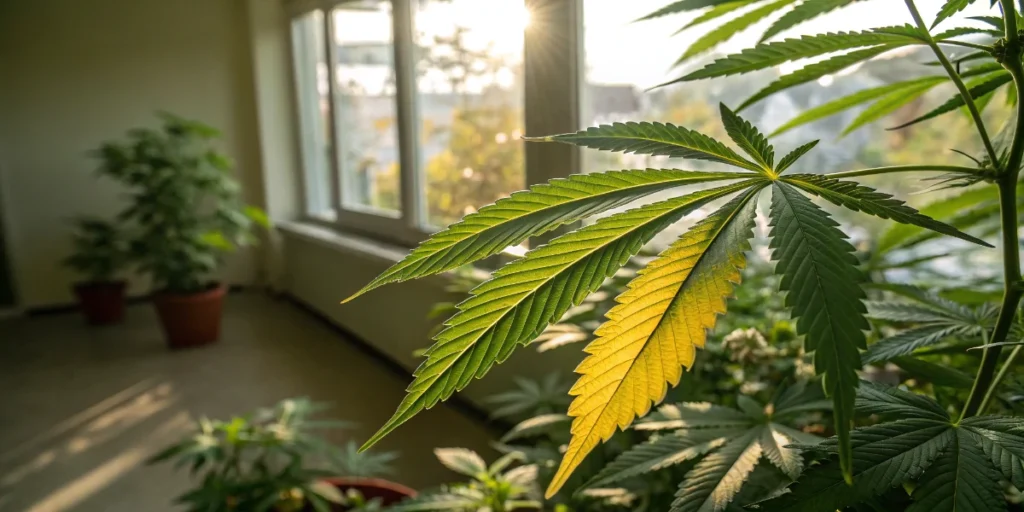

Cannabis leaf problems can be a real headache, especially when you’re unsure whether you’re dealing with yellowing or browning leaves. These issues can impact your plants’ health and yield if not addressed promptly. Recognizing the differences between yellowing and browning, as well as their causes, can significantly improve your growing experience.
Yellowing leaves, often referred to as chlorosis, can indicate a range of issues from nutrient deficiencies to environmental stress. On the other hand, browning leaves typically signal more severe problems, such as root rot or over-fertilization. Both conditions require different approaches for diagnosis and treatment.
Recommended Strains
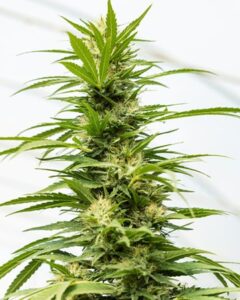
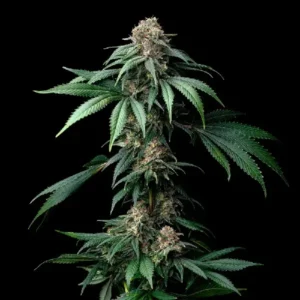
Blue Gelato 41

|
THC | 26% - 27% (High) |

|
Lineage | Blueberry x Thin Mint Girl Scout Cookies x Sunset Sherbert |

|
Type | Feminized |

|
Height | 13.12 ft | 4 m |

|
Yield Outdoor | 88.19 - 105.82 oz/plant | 2500 - 3000 g/plant |

|
Flowering Time | 9 - 10 weeks |

|
Phenotype | 60% Indica / 40% Sativa |

|
Effects | Focused, Energetic, Creative |

|
Flavors | Sweet, Earthy, Citrus |
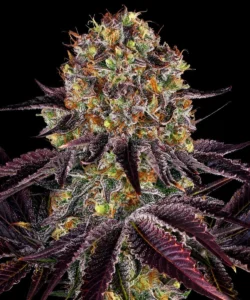
Pink Runtz Auto
|
|
THC | 20% - 24% (High) |
|
|
Lineage | Gelato x Zkittlez x Ruderalis |
|
|
Type | Autoflowering |
|
|
Height | 3.94 ft | 1.2 m |

|
Yield | High |

|
Yield Indoor | 1.31 - 1.64 oz/ft² | 400 - 500 g/m² |
|
|
Yield Outdoor | 4.23 - 5.29 oz/plant | 120 - 150 g/plant |
|
|
Life Cycle | 8 - 10 weeks |
|
|
Phenotype | 50% Indica / 50% Sativa |

|
Medical | Fatigue, Muscle Spasms, Stress |
|
|
Effects | Energetic, Euphoric, Uplifted |
|
|
Flavors | Cherry, Fruity, Sour, Sweet |
While growing strains like Blue Gelato 41 from Growlantis, you might encounter these leaf discolorations. This particular strain, known for its rich THC content and vibrant flavor profile, demands a precise balance of nutrients and care. Addressing leaf problems effectively is crucial for maintaining healthy plants and achieving optimal yields.
Both first-time growers and seasoned cultivators need to be vigilant about these issues. Whether you’re nurturing Pink Runtz Auto, with its fast flowering time and impressive yields, or the unique Runtz X Layer Cake, identifying leaf discoloration can make or break your harvest.
Causes of Yellowing Leaves in Cannabis Plants
Yellowing leaves in cannabis plants can be caused by a variety of factors. It’s essential to identify these causes early to prevent further damage to your plants. Nutrient deficiencies are among the most common culprits. For instance, a lack of nitrogen can lead to widespread yellowing, affecting the plant’s ability to photosynthesize effectively.
Environmental stressors, such as excessive heat or poor lighting, can also cause yellowing leaves. Strains like Blue Gelato 41 are particularly sensitive to light conditions. Adequate lighting and temperature control are vital to prevent stress-induced yellowing.
Improper pH levels in the soil or growing medium can cause nutrient lockout, resulting in yellowing leaves. Ensuring that your pH levels are within the optimal range for cannabis cultivation can help mitigate this issue. For growers cultivating Pink Runtz Auto, maintaining the right pH balance is crucial for its rapid growth cycle.
Another significant factor contributing to cannabis leaf yellowing causes is the presence of pests or diseases, which can interfere with nutrient uptake and overall plant health. Regularly inspecting your plants for signs of pest activity or disease can help you address these issues before they lead to severe yellowing. In the case of strains like Runtz X Layer Cake, implementing an integrated pest management strategy can be particularly beneficial in maintaining healthy foliage.
Nutrient Deficiencies
Cannabis plants require a balanced diet of nutrients. Deficiencies in essential nutrients like nitrogen, magnesium, or iron can lead to leaf yellowing. It’s critical to provide a well-rounded nutrient solution to avoid these problems. Regularly monitor your plants and adjust their diet as needed to prevent deficiencies.
For example, the Runtz X Layer Cake strain thrives with a nutrient-rich regimen. This strain’s high yield potential makes it imperative to address any nutrient issues promptly. Using quality fertilizers and supplements can ensure your plants receive the necessary nutrients.
Environmental Stressors
Environmental factors play a significant role in cannabis leaf yellowing. Excessive heat, insufficient light, or irregular watering schedules can stress your plants. Maintaining a stable growing environment is key to preventing stress-related yellowing.
Blue Gelato 41, with its preference for consistent light exposure, can suffer if these conditions are not met. Implementing proper ventilation and lighting systems can alleviate environmental stress and promote healthy growth.
Identifying Browning Cannabis Leaves
Browning leaves are often a sign of more severe issues than yellowing. This discoloration can result from root problems, over-fertilization, or pest infestations. Browning typically indicates that the plant’s health is deteriorating more rapidly, necessitating immediate intervention.
Root rot is a common cause of browning leaves. This condition arises from overwatering, leading to an oxygen-deprived root system. It’s crucial to ensure proper drainage and avoid waterlogged soil, especially when growing strains like Pink Runtz Auto, which is sensitive to overwatering.
Chemical burns from over-fertilization can also cause browning of leaves. When nutrients are applied excessively, they can overwhelm the plant, resulting in burnt tips and edges. It’s important to follow recommended feeding schedules and adjust as necessary for each strain.
To effectively address browning cannabis leaves solutions, it’s important to regularly assess the soil moisture and nutrient levels to prevent overwatering and nutrient burn. Employing a moisture meter can help you determine when your plants need watering, reducing the risk of root rot. Additionally, implementing a nutrient management plan specific to each strain, like Runtz X Layer Cake, ensures that the plants receive an appropriate amount of nutrients without excess, thus helping to avoid browning issues.
Root Problems
The health of a cannabis plant’s roots is vital for its overall well-being. Root problems, such as root rot, can quickly lead to browning leaves. To prevent this, ensure your plants have adequate drainage and are not sitting in excess water.
Regularly inspect the root system for signs of disease or decay. Healthy roots should be white and firm. If you notice any signs of rot, it’s critical to address the issue immediately by adjusting your watering practices and improving soil aeration.
Over-Fertilization
While nutrients are essential, excess can be detrimental. Over-fertilization can lead to nutrient burn, characterized by browning leaf edges. This condition arises when plants receive more nutrients than they can process, causing salt buildup in the soil.
To prevent over-fertilization, start with a lower concentration of nutrients and gradually increase as needed. It’s easier to add more nutrients than to fix a burn. Strains like Runtz X Layer Cake respond well to a balanced approach, allowing for their robust growth and high THC levels.
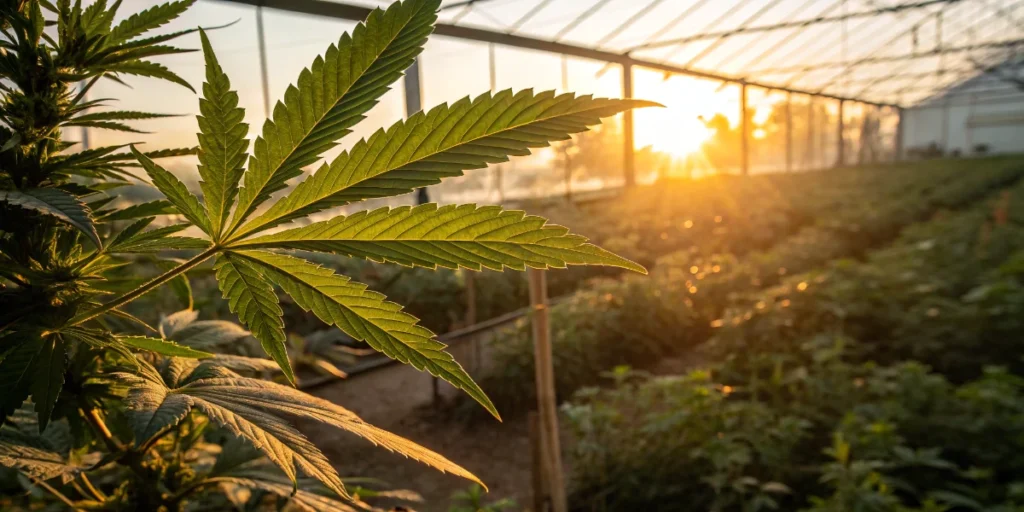
Diagnosing Leaf Discoloration: Yellow vs Brown
Accurately diagnosing whether your cannabis leaves are yellowing or browning is crucial for applying the right treatment. Each type of discoloration points to different underlying issues, requiring distinct approaches to resolve them.
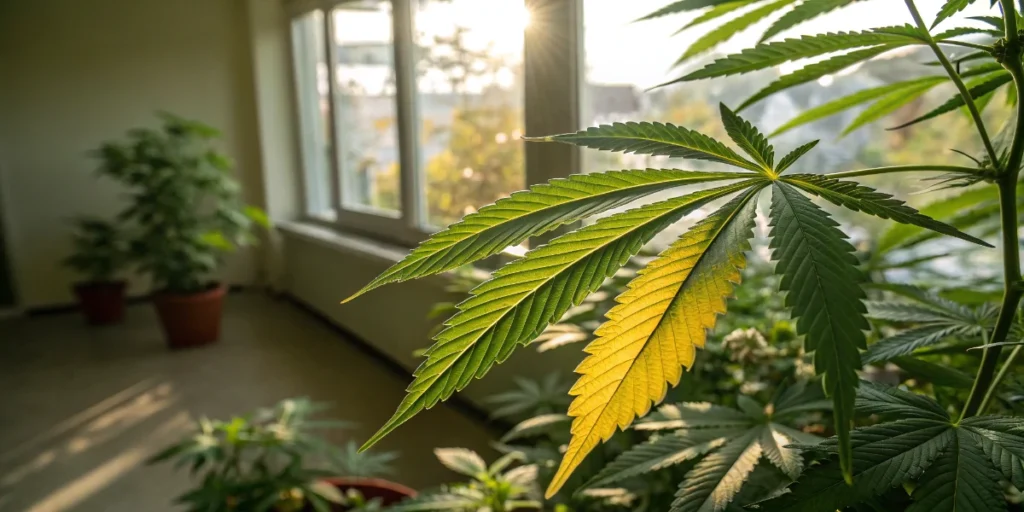
Yellowing leaves often start at the bottom of the plant and can spread upwards, indicating a systemic issue like nutrient deficiency. In contrast, browning typically affects the edges or tips and may signal localized problems such as nutrient burn or pest infestation.
When growing a strain like Blue Gelato 41, which is known for its vibrant foliage, monitoring leaf color changes can help ensure the plant remains healthy throughout its growth cycle. Timely identification and intervention can prevent minor issues from escalating.
Diagnosing yellowing vs browning in cannabis leaves involves closely examining patterns and the progression of discoloration. Yellowing may occur in uniform patterns or show interveinal chlorosis, indicating specific nutrient deficiencies. Browning, particularly at tips or edges, often suggests environmental or nutritional stressors. By closely monitoring these indicators, especially in sensitive strains like Pink Runtz Auto, growers can take corrective actions swiftly and maintain plant health.
Yellowing Indicators
Yellowing leaves can appear in various patterns, depending on the cause. A uniform yellowing suggests a nitrogen deficiency, while interveinal yellowing might indicate magnesium or iron shortages. It’s essential to observe the pattern and location of yellowing to determine the correct diagnosis.
For Pink Runtz Auto growers, this strain’s rapid growth can exacerbate nutrient deficiencies if not monitored closely. Ensuring a balanced nutrient intake can help maintain the lush green foliage that signifies a healthy plant.
Browning Indicators
Browning, especially at the leaf edges, often indicates nutrient burn. This can occur when plants receive too much fertilizer, leading to a toxic buildup. Browning can also occur due to root issues or pests, so it’s important to conduct a thorough inspection.
Runtz X Layer Cake growers should be vigilant about nutrient levels, as this strain’s high yield potential can be compromised by over-fertilization. Regularly check for signs of browning and adjust your feeding schedule accordingly to prevent damage.
Preventative Measures for Healthy Cannabis Leaves
Preventing cannabis leaf problems is always better than treating them. By implementing some key practices, you can maintain the health and vitality of your plants, ensuring a bountiful harvest.
Regular monitoring of your plants is essential. This includes checking for any signs of discoloration, adjusting nutrient levels, and maintaining optimal environmental conditions. Consistency is key in preventing both yellowing and browning of leaves.
Growlantis strains like Blue Gelato 41, Pink Runtz Auto, and Runtz X Layer Cake have specific growing requirements. Managing these needs and tailoring your care regimen can help prevent leaf problems and support robust plant growth.
To further prevent cannabis plant leaf discoloration yellow vs brown, consider implementing a comprehensive care plan that includes routine soil testing, timely pest control, and precise watering schedules. For instance, using drip irrigation systems can provide consistent moisture levels while avoiding waterlogging, particularly beneficial for strains like Pink Runtz Auto. Additionally, employing preventative pest management practices can reduce stress on the plants, helping to maintain vibrant and healthy foliage.
Regular Monitoring
Consistent observation of your cannabis plants is crucial for early detection of leaf problems. Regularly inspect leaves for any signs of yellowing or browning, and take proactive measures to address these issues promptly.
Implementing a routine check can help you catch potential problems before they escalate. For instance, keeping a close eye on Blue Gelato 41 can ensure its vibrant foliage remains healthy throughout the growing cycle.
Maintaining Optimal Conditions
Ensuring that your cannabis plants grow in optimal conditions is vital for preventing leaf problems. This includes maintaining proper light exposure, temperature, and humidity levels. Each strain may have specific requirements, so it’s important to tailor your growing environment accordingly.
For example, Pink Runtz Auto thrives in a well-lit, stable environment. Adjusting your setup to meet these needs can prevent stress and promote healthy growth, reducing the likelihood of leaf discoloration.
FAQ Section
What causes cannabis leaf yellowing?
Cannabis leaf yellowing can stem from several issues, including nutrient deficiencies, environmental stress, or improper pH levels. Identifying the specific cause is essential for effective treatment. Nutrient deficiencies, such as a lack of nitrogen, are common culprits and can be addressed with balanced fertilization.
Environmental factors like excessive heat or insufficient lighting can also lead to yellowing. Ensuring stable growing conditions and proper light exposure can mitigate these issues and maintain healthy foliage.
How can I fix browning leaves on my cannabis plants?
Browning leaves often indicate more severe problems like over-fertilization or root issues. To fix this, reduce nutrient concentrations and ensure your plants have adequate drainage. Over-fertilized plants may also benefit from a flush with clean water to remove excess salts.
If root problems are suspected, inspect the roots for signs of rot or disease. Correcting watering practices and improving soil aeration can help resolve root-related browning, promoting healthier growth.
Are yellowing and browning leaves the same problem?
No, yellowing and browning leaves are not the same problem. Yellowing typically indicates nutrient deficiencies or environmental stress, affecting the plant’s ability to photosynthesize. Browning, on the other hand, can signal more severe issues like nutrient burn or root rot.
Accurate diagnosis is crucial for applying the correct treatment.Distinguishing between different types of leaf discoloration helps address underlying causes more effectively.
Can yellowing or browning leaves recover?
In many cases, yellowing or browning leaves can recover if the underlying issues are addressed promptly. For yellowing leaves caused by nutrient deficiencies, adjusting the plant’s diet can lead to recovery. Environmental adjustments can also help stressed plants bounce back.
Browning leaves due to over-fertilization or root problems may recover with proper intervention, such as flushing excess nutrients or improving drainage. Early detection and corrective actions are key to recovery.
How do I prevent cannabis leaf problems in the future?
Preventing cannabis leaf problems involves maintaining a balanced nutrient regimen, monitoring environmental conditions, and conducting regular plant inspections. Consistency in care is crucial for preventing both yellowing and browning of leaves.
Tailoring your approach to the specific needs of the strains you’re growing, such as Blue Gelato 41 or Pink Runtz Auto, can help maintain healthy plants. By meeting their unique requirements, you can prevent leaf problems and ensure a successful harvest.