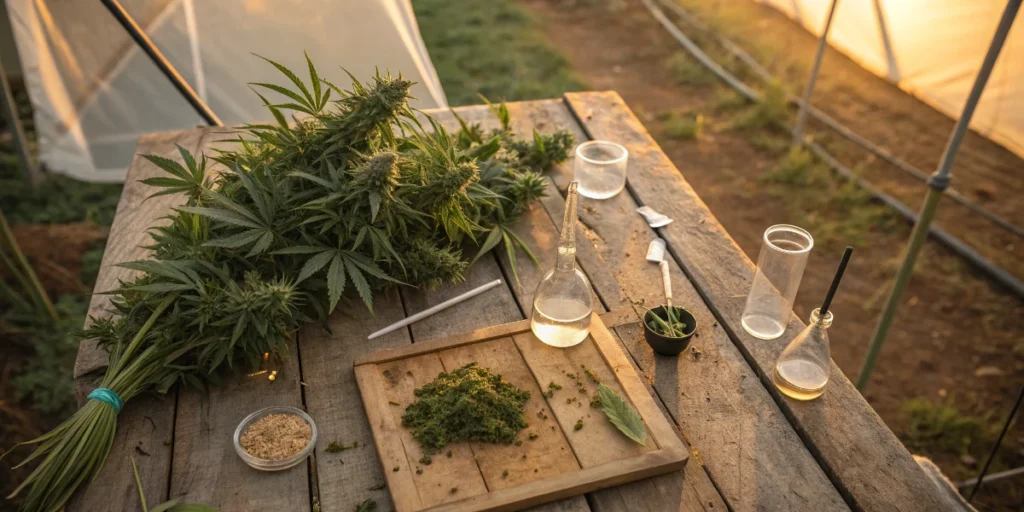

Measuring brix in cannabis is an essential task for growers looking to optimize the quality of their plants. Brix is a measure of the sugar content in plant sap and can be an indicator of plant health and potential yield. Two popular methods for measuring brix in cannabis are the sap method and the extract method. Each has its own advantages and drawbacks, and recognizing these can help you decide which is best for your specific growing situation.
Both beginners and seasoned growers can benefit from measuring brix levels. For first-time cannabis seed buyers, recognizing how to measure brix can be a game-changer in achieving a successful grow. Experienced cultivators, on the other hand, can use brix measurements to fine-tune their processes and increase yields. This guide will delve into the specifics of each method and provide practical tips for effectively measuring brix in your cannabis plants.
Recommended Strains
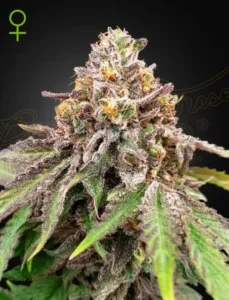
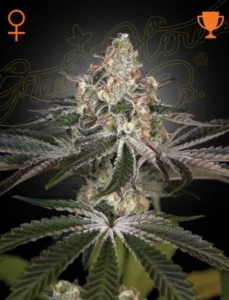
Blue Haze X Gelato 41 Auto

|
THC | 21% - 22% (Medium) |

|
Lineage | Blue Haze x Gelato 41 Auto |

|
Type | Autoflowering |

|
Height | 3.94 ft | 1.2 m |

|
Yield Outdoor | 3.53 oz/plant | 100 g/plant |

|
Life Cycle | 10 - 11 weeks |

|
Phenotype | 60% Indica / 40% Sativa |

|
Effects | Giggly, Creative, Relaxed |

|
Flavors | Lime, Cheese |
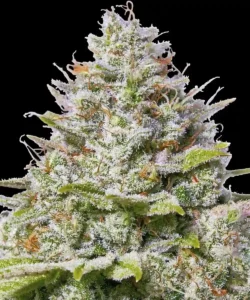
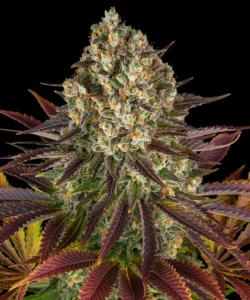
Blue Gelato 41
|
|
THC | 26% - 27% (High) |
|
|
Lineage | Blueberry x Thin Mint Girl Scout Cookies x Sunset Sherbert |
|
|
Type | Feminized |
|
|
Height | 13.12 ft | 4 m |
|
|
Yield Outdoor | 88.19 - 105.82 oz/plant | 2500 - 3000 g/plant |
|
|
Flowering Time | 9 - 10 weeks |
|
|
Phenotype | 60% Indica / 40% Sativa |
|
|
Effects | Focused, Energetic, Creative |
|
|
Flavors | Sweet, Earthy, Citrus |
Let’s take a closer look at the sap method and the extract method. We’ll examine how each method works, the tools required, and how they apply to specific cannabis strains like Blue Haze X Gelato 41 Auto, White Widow Weed, and Cookies Gelato from Growlantis. These strains have unique characteristics that can influence the choice of method for measuring brix.
The Sap Method for Measuring Brix in Cannabis
The sap method involves extracting sap directly from the cannabis plant and measuring its sugar content using a refractometer. This method is straightforward and provides immediate results. It’s particularly useful for monitoring the health and nutrient uptake of your plants.
One of the key benefits of using the sap method for brix measurement in cannabis is its ability to offer a dynamic look into the plant’s immediate physiological state. For example, when cultivating Blue Haze X Gelato 41 Auto, measuring brix in cannabis using the sap method allows growers to quickly identify how environmental factors such as light intensity and humidity are affecting sugar production in the plant. This real-time data can inform crucial adjustments in environmental controls, helping to maintain optimal conditions for growth and maximize yield potential.
How to Perform the Sap Method
To measure brix using the sap method, you’ll need a few tools: a refractometer, a garlic press or similar device to extract the sap, and a pipette. First, collect a fresh leaf from your cannabis plant, ideally from the middle section. The Blue Haze X Gelato 41 Auto, known for its robust growth, is a great candidate for this method due to its consistent sap production.
Place the leaf in the garlic press and squeeze to extract a few drops of sap. Use the pipette to place the sap onto the refractometer. Look through the lens and read the brix level. A higher brix level typically indicates a healthier plant with better nutrient absorption.
Benefits and Considerations
The sap method is quick and provides real-time data, which can be invaluable for making immediate adjustments to your growing conditions. This method is particularly useful for strains like White Widow Weed, which require precise nutrient management to reach their full potential. With a flowering time of around 8-9 weeks, timely brix measurements can ensure optimal results.
However, the sap method can be a bit invasive. Regular sap extraction might stress the plant if not done carefully. It’s essential to use this method sparingly and only when necessary to avoid any negative impact on plant health.
The Extract Method for Measuring Brix in Cannabis
The extract method involves creating a solution from the plant material and then measuring the brix level of this solution. This method can be more involved than the sap method but offers holistic insights into the overall plant health and quality.
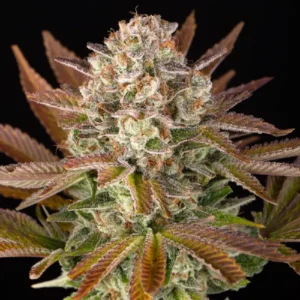
The extract method of measuring brix in cannabis offers a detailed view of nutrient distribution throughout the entire plant, not just in isolated leaves. This holistic approach is especially beneficial for strains like Cookies Gelato, where the dense bud structure can mean that nutrient uptake varies significantly across different parts of the plant. By using the extract method, you can ensure that nutrient management strategies are effectively supporting overall plant health and not just specific growth areas, thereby optimizing the quality and potency of your harvest.
How to Perform the Extract Method
To perform the extract method, gather a sample of plant material, such as leaves, stems, or buds, and grind it into a fine consistency. Cookies Gelato, with its high THC levels and dense buds, is an excellent choice for this method as it can provide a rich sample for accurate measurement.
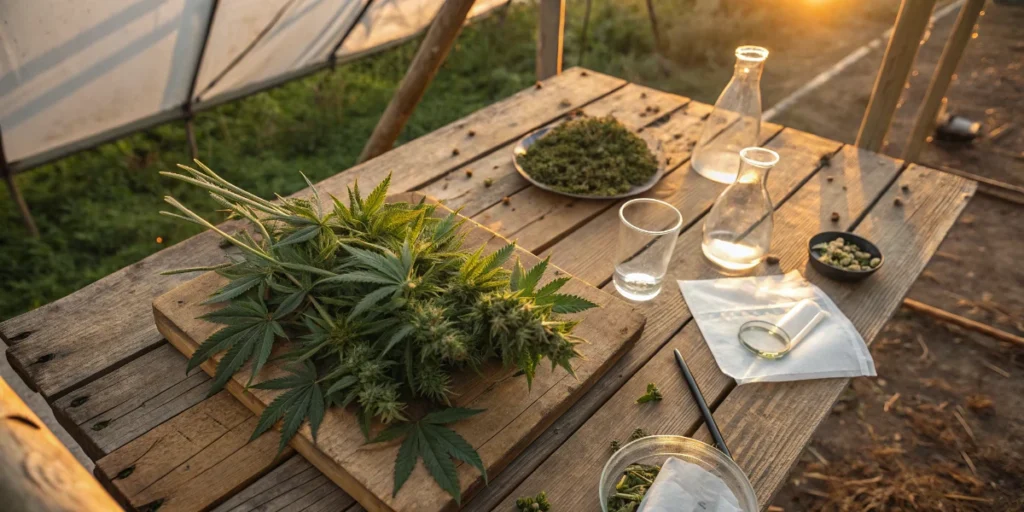
Mix the ground material with distilled water and let it sit to allow the compounds to dissolve into the water. Use a filter to separate the liquid from the plant material. This liquid is your extract. Place a few drops on the refractometer and measure the brix level. This method can provide a broader overview of plant health compared to the sap method.
Benefits and Considerations
The extract method is less invasive and provides a holistic view of the plant’s health. It can be particularly beneficial for assessing the overall quality of strains like Blue Haze X Gelato 41 Auto, allowing growers to make data-driven decisions to optimize yield and potency.
However, this method is more time-consuming compared to the sap method. It requires careful preparation and patience, but the detailed insights it provides can be worth the effort. It’s ideal for growers who want to take a holistic approach to brix measurement.
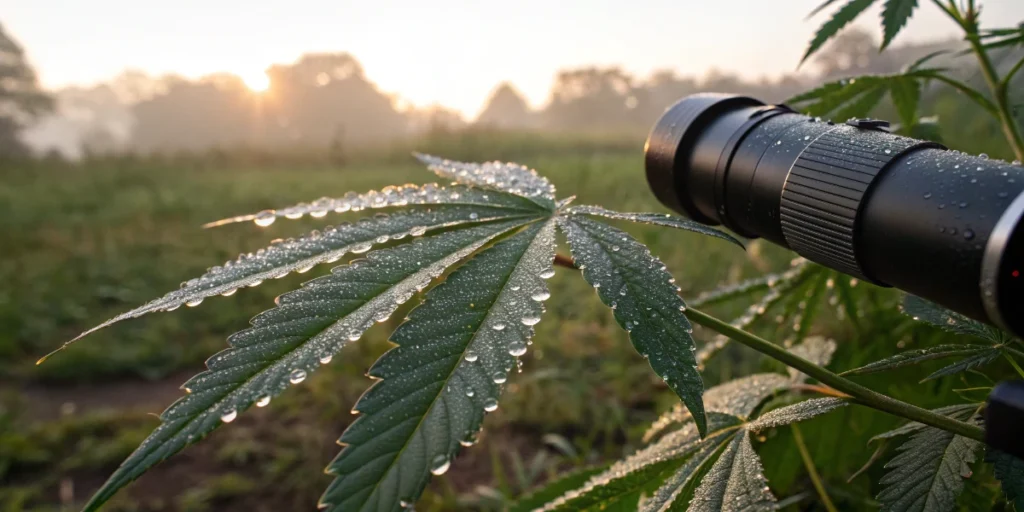
Comparing Brix Measurement Methods in Cannabis
When deciding between the sap and extract methods, consider your specific goals and resources. The sap method offers immediacy and convenience, making it ideal for quick checks and adjustments. It’s particularly suited for growers managing a large number of plants or those who need rapid data to guide nutrient adjustments.
In comparing brix measurement cannabis sap vs extract methods, it’s crucial to align your choice with the unique needs of your strains and cultivation setup. For example, while the sap method is excellent for quick, frequent assessments of White Widow Weed’s resilience and nutrient needs, the extract method can offer deeper insights into Cookies Gelato’s complex nutrient requirements due to its high THC and dense buds. By recognizing these nuances, you can tailor your brix measurement strategy to better support each strain’s growth and quality outcomes.
Choosing the Right Method for Your Strain
For growers of White Widow Weed, a strain known for its resilience and potency, the sap method might be more suitable. This strain requires precise nutrient management, and quick brix checks can help maintain the right balance throughout its 8-9 week flowering period.
In contrast, the extract method might be better suited for Cookies Gelato, a strain that benefits from detailed insight into nutrient uptake due to its dense bud structure and high THC content. The extract method can help ensure that these complex factors are optimized for the best possible outcome.
Practical Tips for Accurate Brix Measurement
Regardless of the method you choose, accuracy is crucial. Always calibrate your refractometer before use and ensure that your tools are clean. When measuring brix in cannabis, consistency is key. Try to measure at the same time each day and under similar conditions to reduce variability.
Incorporating brix measurements into your regular growing routine can help you catch potential issues early and adjust your strategies for better results. Whether you’re a novice or an expert grower, recognizing how to measure brix effectively can lead to healthier plants and higher yields.
FAQs
What is the ideal brix level for cannabis plants?
The ideal brix level for cannabis plants can vary depending on the strain and growing conditions, but generally, a brix level of 12 or higher is considered good. Levels above 15 are excellent and indicate that the plant is healthy and receiving adequate nutrients. Regularly measuring brix levels can help you ensure that your plants are thriving and can lead to increased yields and potency.
Can I use the same refractometer for both sap and extract methods?
Yes, you can use the same refractometer for both methods. However, it’s essential to clean it thoroughly between uses to avoid cross-contamination of samples. Calibration is also important to ensure accuracy, especially if you’re switching between different types of samples. By maintaining your refractometer properly, you’ll get reliable brix measurements regardless of the method you choose.
How often should I measure brix in my cannabis plants?
The frequency of brix measurements depends on your specific growing conditions and goals. For most growers, measuring brix once a week is sufficient to monitor plant health and make necessary adjustments. However, during critical growth phases or when troubleshooting specific issues, you might want to measure more frequently. Regular monitoring can help you maintain optimal plant health and maximize yield.
Does high brix always mean better cannabis quality?
While a high brix level generally indicates healthy plants with good nutrient uptake, it’s not the only factor that determines cannabis quality. Other aspects, such as terpene profile, cannabinoid content, and grower expertise, also play significant roles. High brix levels can contribute to better flavor and potency, but they should be considered alongside other quality indicators for a holistic assessment.
What challenges might I face when using the extract method?
The extract method can be more time-consuming and labor-intensive compared to the sap method. It requires careful preparation and handling of plant material. Additionally, achieving a consistent mixture for accurate brix measurement can be challenging. However, the extract method provides holistic insights into plant health, making it a valuable tool for growers who want to optimize their cultivation process.