
Growing autoflowers outdoors works best when you plant into stable warm weather, give the roots an airy, well-drained medium, provide as much direct sun as the site allows, and avoid major stress early in the life cycle. Autoflowers flower largely independently of day length, so they offer flexible outdoor timing but less recovery time than photoperiod plants.
What makes autoflowers different outdoors?
The defining characteristic of an autoflower is photoperiod-insensitive flowering.
Recommended Strains
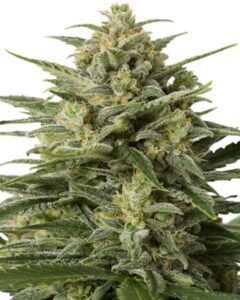
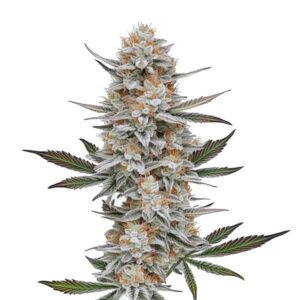
White Widow Fem

|
THC | 24% - 25% (High) |

|
Lineage | South American Sativa Landrace x South Indian Indica Landrace |

|
Type | Feminized |

|
Height | 5.25 ft | 1.6 m |

|
Yield | High |

|
Yield Indoor | 1.64 oz/ft² | 500 g/m² |

|
Yield Outdoor | 22.93 oz/plant | 650 g/plant |

|
Flowering Time | 9 - 10 weeks |

|
Phenotype | 60% Indica / 40% Sativa |

|
Effects | Euphoric, Happy, Uplifted |

|
Flavors | Earthy, Pungent, Spicy |
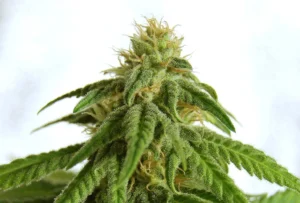
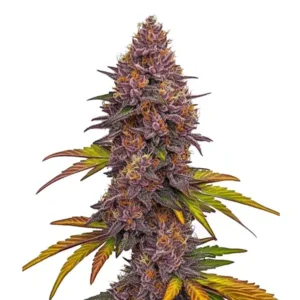
Afrodite Seeds
|
|
THC | 22% - 23% (Medium) |
|
|
Lineage | Jack Herer x Black Domina |
|
|
Type | Feminized |
|
|
Height | 6.56 ft | 2 m |
|
|
Yield | Medium |
|
|
Yield Indoor | 1.31 oz/ft² | 400 g/m² |
|
|
Yield Outdoor | 21.16 oz/plant | 600 g/plant |
|
|
Flowering Time | 8 - 9 weeks |
|
|
Phenotype | 35% Indica / 65% Sativa |
|
|
Effects | Energetic |
|
|
Flavors | Earthy, Spicy |
Most conventional Cannabis sativa cultivars are short-day plants: flowering responds strongly to day length. Autoflowering genetics can make the transition toward flowering without waiting for the seasonal short-day signal.
Modern genetic research has identified several regions associated with this trait. A 2024 study linked photoperiod-insensitive flowering to the Autoflower2 locus and the flowering regulator CsFT1, while separate research identified a mutation involving CsPRR37. In 2026, researchers reported another associated region, AutoFlower3, containing CsFTL3.
For an outdoor grower, the practical consequence is simple: an autoflower can complete its reproductive cycle without waiting for late-summer day length. That can be especially useful in places where the outdoor season is too short for late-finishing photoperiod plants.
When should you plant autoflowers outdoors?
Plant when the weather is favorable enough for uninterrupted early growth, not simply as soon as frost disappears.
Because autoflowers progress toward flowering according to their developmental program, an early period of cold, waterlogging or severe stress can consume a meaningful part of their limited vegetative phase.
In a temperate Northern Hemisphere climate, planting usually makes more sense during spring or early summer once nights are reasonably stable and the main frost risk has passed. In a long warm season, growers may have more than one viable planting window. In colder regions, waiting slightly longer for genuinely suitable conditions can produce a better result than starting very early just to extend the calendar.
Photoperiod insensitivity is one reason autoflowering cannabis can be useful at higher latitudes, where the growing season can otherwise create flowering-time problems for conventional short-day plants.
Can you grow autoflowers outdoors in any climate?
Autoflowers are flexible, but they aren’t immune to climate.
The current article describes them as broadly resilient plants that thrive in diverse conditions. I’d soften that considerably. A short life cycle doesn’t protect roots from saturated soil, seedlings from frost, flowers from prolonged rain or plants from extreme heat.
What autoflowers offer is flowering flexibility, not universal environmental resistance. In a cool climate, choose the warmest reliable portion of the season. In a hot climate, avoiding the harshest period of extreme heat may matter more. In wet climates, drainage and late-flower disease pressure deserve particular attention.
Local conditions matter more than generic labels such as “hot-climate strain” or “cold-climate strain.”
How much sun do outdoor autoflowers need?
Give outdoor autoflowers the strongest usable natural light your location can provide, without exposing newly established seedlings abruptly to extreme conditions.
Light supplies the energy used to build leaves, roots and eventually floral biomass. A heavily shaded site restricts the total amount of photosynthetic energy available regardless of whether the plant is autoflowering.
There’s no useful reason, though, to promise one universal number of direct-sun hours for every cultivar and latitude. Sun intensity varies enormously between locations — six hours of high-intensity summer sun in one climate isn’t equivalent to six hours under a different latitude, season or cloud cover.
Choose an open location with strong light and avoid unnecessary shading from buildings, trees or other plants.
Should you grow autoflowers in pots or in the ground?
Both approaches can work.
Containers provide flexibility. They let you move plants temporarily away from severe rain, wind or unusually cold conditions and give you complete control over the root medium. Their limitation is root volume and water buffering: small pots can dry quickly outdoors and give roots little room for expansion.
In-ground cultivation provides a much larger rooting zone and usually buffers moisture changes better, assuming the native soil drains adequately. Its disadvantage is that poor native soil is harder to correct after planting, and the plant can’t simply be moved when the weather changes.
For many outdoor autoflower growers, the most useful compromise is a generously sized container with a light, well-aerated medium. The exact container volume doesn’t need to become another universal SEO number.
What soil is best for outdoor autoflowers?
Focus on drainage, aeration and a functional root zone.
The existing page prescribes peat, compost, perlite and a pH of 6.0–7.0 as though this were the required autoflower formula. There’s no unique “autoflower soil.” The plant needs a medium that holds enough water for roots to access it while still maintaining sufficient air-filled pore space after irrigation.
Dense soil that stays saturated for long periods creates a poor root environment. At the other extreme, an extremely coarse medium that dries almost immediately can make outdoor irrigation unnecessarily difficult. A high-quality commercial growing medium can work, as can well-prepared garden soil or a custom organic mix.
The important question isn’t whether the recipe contains one particular amendment. It’s whether roots can get water, oxygen and nutrients without sitting in persistently saturated soil.
Do autoflowers need special nutrients?
No.
Autoflowering changes flowering behavior; it doesn’t create a completely different mineral nutrition system. Cannabis still requires essential elements including nitrogen, phosphorus, potassium, calcium, magnesium, sulfur and micronutrients.
The simplistic internet formula of “high nitrogen in veg, then high phosphorus and potassium in flower” isn’t a complete nutrition strategy. Plant nutrient demand changes with biomass accumulation and developmental stage, but that doesn’t mean dramatically switching fertilizers according to an autoflower calendar automatically improves production.
The current article also recommends fish emulsion, bone meal, worm castings and foliar sprays as though these were inherently superior for autos. They’re simply possible nutrient sources.
Choose a coherent nutrition program appropriate for your growing medium and adjust based on actual plant response, rather than stacking amendments just because the plant has begun flowering.
How often should you water autoflowers outdoors?
Water according to the root zone and the weather, not a fixed schedule.
Outdoor water use changes continuously with temperature, sunlight, wind, plant size, container volume and rainfall. A small plant in a large moist container may need surprisingly little additional water. The same plant later in flowering during hot, windy weather can dry the medium much faster.
Before irrigating, check moisture below the immediate surface rather than responding solely to a dry-looking top layer. Then water thoroughly enough to wet the active root zone and let the medium move back toward an aerated state rather than keeping it constantly saturated. Repeated small irrigations into an already wet root zone are a common route to poor root aeration.
“Keep the soil moist but not soggy,” as the existing article says, is directionally reasonable. The improvement is explaining why, instead of inventing one watering frequency.
Why early stress matters more with autoflowers
This is one of the most useful practical differences between an autoflower and a conventional photoperiod plant.
A photoperiod plant can often remain vegetative for longer when conditions permit, giving it additional time to rebuild after early stress. An autoflower doesn’t give the grower the same control over when flowering begins — its developmental timeline keeps moving.
That doesn’t mean one damaged leaf permanently destroys an autoflower. It means severe problems with roots, transplanting, overwatering, cold or nutrient stress early in development can be particularly costly, because the plant can’t simply be held in vegetation indefinitely.
A 2026 greenhouse comparison likewise found clear relationships between early growth traits and eventual production, with the tested autoflowers developing as smaller, shorter-cycle plants than the photoperiod material. The exact performance applies to the cultivars and conditions studied, but it reinforces the importance of early development rather than proving a universal yield rule.
Should you transplant autoflowers?
You can.
Claims that autoflowers must never be transplanted are too absolute. The real issue is avoiding major root disturbance and establishment delays.
Starting directly in the final container eliminates one transition and is therefore convenient. But a carefully transplanted healthy seedling doesn’t automatically fail just because it’s an autoflower. If transplanting, avoid letting a seedling become badly root-bound and minimize disruption to the root ball.
The useful principle is smooth establishment, not a prohibition against transplanting.
Should you top autoflowers outdoors?
I wouldn’t make topping a default recommendation.
The current page tells readers that topping and training can increase bud sites and yields. That’s much too universal for autoflowers. Topping deliberately removes the growing tip and requires the plant to reorganize growth afterward. A vigorous cultivar under strong conditions may tolerate this, but an autoflower already growing slowly doesn’t have unlimited time to recover before reproductive development advances.
If canopy management is necessary, gentle low-stress training is usually easier to justify, since branches can be repositioned without intentionally removing the main apex. Even LST should have a reason: improving canopy structure or keeping branches separated. Training isn’t mandatory for producing good outdoor flower.
Do autoflowers need 18 hours of light outdoors?
No. That number comes primarily from controlled indoor cultivation.
Outdoors, the plant receives whatever natural photoperiod exists at its latitude and season. Because an autoflower is photoperiod-insensitive, it doesn’t need an artificial 18/6 vegetative schedule to prevent flowering. That distinction is the entire point of autoflower genetics.
Research increasingly shows that photoperiod insensitivity in cannabis is genetically distinct from ordinary photoperiod-sensitive flowering, with multiple associated loci identified across different material. More usable sunlight can support more photosynthesis, but day length isn’t the switch controlling flowering in a true autoflower.
How do you protect outdoor autoflowers from bad weather?
Mobility is one of the strongest arguments for growing in containers. Short periods of severe rain, hail or unusually strong wind can sometimes be managed simply by moving containers to temporary protection. For plants in the ground, good drainage and site selection become more important.
Don’t create permanently stagnant air trying to shield flowering plants from every breeze — dense wet flowers combined with prolonged high humidity can increase disease risk. Likewise, avoid blanket preventative spraying just because the plant is outdoors.
The current article recommends neem oil or insecticidal soap generically. Pest management should instead begin with identification. A treatment appropriate for one pest or developmental stage may be inappropriate for another, particularly once harvestable flowers are present. Inspect plants regularly and intervene based on the actual problem.
Can you grow more than one autoflower crop outdoors?
Potentially, if your climate provides a sufficiently long period of suitable weather.
Because autoflowers can finish without waiting for autumn day length, growers in long-season climates may be able to stagger sowings or complete multiple cycles. That’s one of their genuine outdoor advantages.
But don’t calculate the calendar using the shortest breeder claim and assume every plant will finish on that exact day. Temperature, light, root environment, genetics and stress all influence development, and a cultivar advertised as an eight- or ten-week auto may take longer under real outdoor conditions. Always leave enough weather margin for the actual plant to mature.
How long do outdoor autoflowers take to grow?
There’s no universal autoflower lifecycle. Commercial descriptions often advertise very short seed-to-harvest periods, but genetics differ and environmental conditions can extend development.
Modern research also makes clear that autoflowering itself isn’t one single uniform genetic state. Multiple loci associated with photoperiod insensitivity have been identified, supporting meaningful diversity among autoflowering cannabis populations.
Treat breeder timing as a planning estimate, not a deadline. Don’t harvest because a calendar says “day 70” if the plant itself is still developing.
How big do outdoor autoflowers get?
Size varies enormously. Genotype matters, but so do root volume, light, temperature, water availability, planting time and early health.
Autoflowers are often smaller than photoperiod plants because their developmental cycle gives them less time to accumulate vegetative biomass before reproductive growth dominates. A 2026 greenhouse study comparing tested autoflower and photoperiod material found that autoflowers produced smaller plants and lower total biomass under those experimental conditions.
That shouldn’t be turned into a universal height range. A healthy outdoor autoflower in a large root zone can look very different from the same genetic category grown late in the season in a small container.
How much can an outdoor autoflower yield?
There’s no credible universal answer in grams per plant. Outdoor yield depends heavily on plant size, genetics, sunlight, root volume, growing conditions and disease or weather losses.
Breeder yield numbers are useful for comparing products within one breeder’s catalog, but they shouldn’t be treated as guaranteed outdoor production. Even controlled research finds strong relationships between plant growth characteristics and final yield, which underscores that final biomass comes from plant development, not just the word “autoflower” on the seed packet.
For SEO, resist turning this section into a table of unrealistic gram estimates.
How to know when an outdoor autoflower is ready to harvest
Don’t harvest from the breeder calendar alone. Watch the whole plant’s reproductive development.
Flower growth should have slowed substantially and the inflorescences should look mature rather than actively building new tissue. Trichomes can also be examined under magnification as one maturity indicator, but one simplistic color ratio shouldn’t be presented as a universal biochemical optimum.
The current page instructs readers to wait for “milky white with some amber hues for optimal potency.” That’s better reframed as a visual maturity cue rather than a formula guaranteeing peak potency.
Use breeder timing to know roughly when to start examining the plant closely, then let actual development determine harvest.
Common mistakes when growing autoflowers outdoors
The biggest mistake is starting too early into poor weather simply because autoflowers finish quickly.
Another is keeping the root zone constantly wet — fast development doesn’t mean the plant needs permanently saturated soil. Heavy feeding is another recurring mistake; an autoflower doesn’t automatically need concentrated nutrients just because its lifecycle is short. Aggressive topping or repeated high-stress training can also backfire when the plant is already small or struggling.
Finally, don’t force harvest to match a breeder’s advertised number of weeks. Outdoor conditions aren’t a catalog testing environment.
Growing autoflowers outdoors: the bottom line
Autoflowers work particularly well outdoors because they flower largely independently of seasonal day-length changes. Modern genetics research has confirmed that this trait involves distinct flowering-time loci rather than being simply an early version of normal photoperiod cannabis.
Their main limitation follows from the same biology: once development is moving toward flowering, the grower has relatively little opportunity to extend vegetation and compensate for severe early setbacks.
For the best outdoor start, choose a stable weather window, strong sunlight and a well-aerated root environment. Manage irrigation from actual moisture conditions, feed according to the growing medium and plant response, and use training conservatively.
Most importantly, don’t complicate autoflowers with unnecessary special rules. Good outdoor fundamentals matter more than autoflower-specific fertilizer recipes, precise pH mythology, strain pairings or promises of a fixed number of grams per plant.
FAQs about growing autoflowers outdoors
Are autoflowers good for growing outdoors?
Yes. Autoflowers can be particularly useful outdoors because flowering is largely independent of seasonal day length, allowing them to finish in locations where short growing seasons can complicate photoperiod cultivation. They still require appropriate temperature, sunlight, root conditions and water, so “autoflower” shouldn’t be confused with automatic resistance to poor weather.
What is the best month to plant autoflowers outdoors?
There’s no universal month. Plant when frost risk has passed and the upcoming weather gives seedlings a strong chance to establish without severe cold or prolonged waterlogging. In many temperate Northern Hemisphere climates that means spring through early summer, while warmer regions may support additional planting windows.
Do autoflowers need full sun outdoors?
Strong natural light generally supports more photosynthetic growth, so an open, sunny location is preferable to persistent shade. However, there’s no universal number of direct-sun hours that guarantees success across every latitude and climate. Newly established seedlings may also need gradual acclimation when moving from protected conditions into intense sunlight.
Should I grow autoflowers in pots or directly in the ground?
Both work. Pots give you control over the root medium and let you move plants temporarily during severe weather, while the ground can provide a much larger root zone and better moisture buffering. Whichever you choose, prioritize drainage, aeration and enough rooting space rather than one supposedly perfect container size.
Should you top outdoor autoflowers?
Topping shouldn’t be treated as mandatory. Because autoflowers transition toward flowering without giving the grower control over an extended vegetative period, a stressed plant may have limited recovery time after high-stress training. Vigorous plants may tolerate training, but gentle canopy positioning is a more conservative default than automatically removing the main growing tip.
How long do autoflowers take outdoors from seed to harvest?
It varies by genetics and conditions. Breeder descriptions may advertise short seed-to-harvest cycles, but outdoor temperature, sunlight, root conditions and stress can alter development. Use the advertised timeframe as a planning estimate, then assess actual flower maturity rather than harvesting automatically when a particular number of weeks has passed.