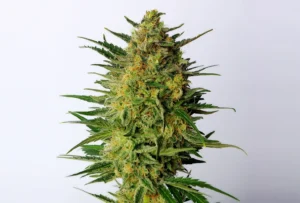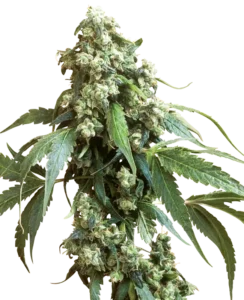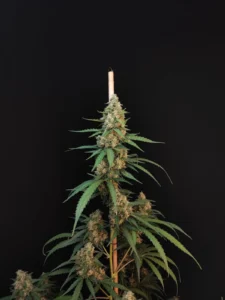


In the world of cannabis cultivation, precision and data-driven techniques are becoming increasingly important. One such technique that has gained popularity is using refractometer data to improve cannabis yields. By measuring the sugar content in plant sap, growers can make informed decisions about nutrient management and overall plant health. This helps in optimizing yields and enhancing the quality of the harvest.
Refractometers provide critical insights into the plant’s current condition. They operate on a simple principle: the more sugar content in the plant sap, the healthier and more productive the plant is. This article explores practical ways to harness refractometer data for better cannabis yields, focusing on strains like Super Bud Auto, Moby Dick Auto, and Super AK from Growlantis.
Recommended Strains

Super Bud Auto

|
THC | 18% - 20% (Medium) |

|
Lineage | Super Bud x Ruderalis |

|
Type | Autoflowering |

|
Height | 2.62 ft | 0.8 m |

|
Yield Outdoor | 3.53 oz/plant | 100 g/plant |

|
Life Cycle | 8 - 9 weeks |

|
Phenotype | 60% Indica / 40% Sativa |

|
Effects | Uplifted, Creative, Sedative |

|
Flavors | Citrus, Pungent |

Moby Dick Auto
|
|
THC | 23% - 24% (High) |
|
|
Lineage | Moby Dick x Ruderalis |
|
|
Type | Autoflowering |
|
|
Height | 3.28 ft | 1 m |

|
Yield | High |

|
Yield Indoor | 1.31 - 2.13 oz/ft² | 400 - 650 g/m² |
|
|
Life Cycle | 10 weeks |
|
|
Phenotype | 30% Indica / 70% Sativa |
|
|
Effects | Giggly, Creative, Energetic, Relaxed |
|
|
Flavors | Lemon, Pine, Woody |
For growers seeking to maximize cannabis production through refractometer data, recognizing the correlation between sugar levels and plant health is crucial. The refractometer applications in cannabis farming offer a straightforward approach to refining cultivation practices. From interpreting refractometer readings in cannabis cultivation to adjusting growth strategies, leveraging this tool can lead to impressive outcomes.
Recognizing Refractometer Basics
Refractometers are handheld devices that measure the refraction of light in a liquid, which in this case is the plant sap. This refraction translates into a Brix value, indicating the sugar content in the sap. High Brix values generally mean the plant is receiving adequate nutrients and is healthy, directly impacting the yield and quality of cannabis.
Recognizing the nuances of refractometer operation can further enhance their effectiveness in cannabis cultivation. For instance, the temperature of the sap can affect the refractive index, so it’s critical to ensure samples are measured at consistent temperatures. Additionally, regular calibration of the refractometer ensures accurate readings. By meticulously adhering to these practices, growers can effectively use refractometer data for cannabis yield optimization, ensuring that their cultivation efforts are both precise and productive.
How to Use a Refractometer
Using a refractometer is straightforward. Begin by taking a small sample of sap from the cannabis plant. Place the sap on the prism of the refractometer and close the cover plate. When you look through the eyepiece, you’ll see a scale indicating the Brix value. It’s a quick process that provides immediate feedback on the plant’s condition.
It’s important to consistently use the refractometer at the same time of day and under similar conditions to ensure accurate comparisons over time. Regular monitoring allows growers to spot trends and make necessary adjustments in their cultivation practices.
Interpreting Brix Values
Brix values can indicate several aspects of plant health. Higher readings suggest robust photosynthesis activity, efficient nutrient uptake, and good overall health. On the other hand, low Brix values might signal nutrient deficiencies, pest problems, or stress.
By interpreting refractometer readings in cannabis cultivation, growers can tailor their nutrient schedules and environmental conditions to push Brix values higher, thus optimizing cannabis yield. This approach becomes particularly useful for strains like Super Bud Auto, known for its rapid flowering time and potent yields.
Enhancing Cannabis Growth with Refractometer Analysis
The application of refractometer data extends beyond simple Brix value readings. It’s about integrating this data into a broader strategy for enhancing cannabis growth. For example, knowing the optimal Brix level for each growth stage can help in fine-tuning nutrient applications and watering schedules.
Enhancing cannabis growth with refractometer analysis involves more than just measuring and reacting to Brix values. Growers should also consider external factors such as plant genetics and environmental conditions that can influence these values. By combining refractometer data with observational insights, growers can create a holistic approach to cultivation that enhances both yield and quality. This multi-faceted strategy is particularly beneficial for strains like Moby Dick Auto, which thrive under a balanced and attentive cultivation regime.
Nutrient Management
Maximizing cannabis production through refractometer data involves precise nutrient management. When Brix levels are lower than expected, it may be time to reevaluate the nutrient mix. Strains like Moby Dick Auto, which require a balanced nutrient profile for their significant yields, benefit greatly from such targeted adjustments.
Growers can experiment with different nutrient combinations and immediately see the effects on Brix levels, allowing for rapid iteration and optimization. This iterative process helps in achieving the optimal conditions for each specific strain.
Environmental Control
Environmental factors such as light intensity, temperature, and humidity also impact Brix values. Using refractometer data for cannabis yield optimization involves adjusting these parameters to maintain high Brix readings. For example, ensuring that Super AK receives adequate light and temperature conditions can result in higher yields and potency.
Monitoring changes in Brix values allows growers to identify stressors and adjust environmental controls accordingly. This proactive approach keeps plants thriving, ultimately leading to improved yields.

Real-Life Examples and Strain-Specific Insights
Each cannabis strain has unique characteristics that can be optimized using refractometer data. Let’s delve into specific examples using strains from Growlantis to illustrate these principles in action.
Real-life applications of using refractometer data to improve cannabis yields can be seen in controlled experiments where growers adjust variables to see their effects on Brix levels. For instance, growers can use controlled lighting experiments with Super AK to determine the ideal light spectrum and intensity that maximizes Brix values. Similarly, nutrient trials with Moby Dick Auto can help identify the most effective nutrient combinations for yield optimization. These practical applications underscore the importance of refractometer applications in cannabis farming, offering growers a clear path to improving both the quality and quantity of their harvests.
Super Bud Auto
Super Bud Auto is renowned for its fast flowering time and robust yields. By regularly measuring Brix levels, growers can ensure this strain receives the nutrients needed to sustain its rapid growth pace. High Brix values confirm that the plant is absorbing nutrients effectively, which is crucial for maintaining its vigor throughout the flowering phase.
For growers, using refractometer data to improve cannabis yields with Super Bud Auto involves careful attention to nutrient application and environmental conditions. This ensures that the plant’s rapid growth is supported at every stage.
Moby Dick Auto
Moby Dick Auto is a strain that benefits significantly from precise nutrient management. Known for its large yields and potent effects, maintaining high Brix levels is essential for optimizing its growth potential. Monitoring refractometer readings allows growers to tailor nutrient applications, ensuring the plant receives everything it needs to thrive.
By closely observing Brix trends, growers can make informed decisions about when to adjust nutrient schedules or modify environmental settings, thus enhancing the overall growth and yield of Moby Dick Auto.
Super AK
Super AK is appreciated for its resilience and high THC levels. Using refractometer data to improve cannabis yields with this strain involves focusing on environmental control. High Brix values are indicative of a plant that is not just surviving but flourishing, absorbing nutrients efficiently, and converting light into energy effectively.
For Super AK, maintaining optimal light and temperature conditions, as indicated by consistent Brix readings, is crucial for achieving the desired potency and yield. This strain’s adaptability makes it an excellent candidate for growers looking to refine their skills in refractometer analysis.
Integrating Refractometer Data into Daily Cultivation Practices
Integrating refractometer data into daily cultivation practices involves more than just occasional readings. It’s about making it a regular part of the routine to ensure continuous monitoring and improvement of cannabis yields.
Successful integration of refractometer data into daily routines requires a systematic approach to data collection and analysis. Growers should establish a logbook or digital record to track Brix values alongside environmental factors and growth stages. This holistic dataset allows for retrospective analysis, identifying patterns and correlations that inform future cultivation decisions. By embedding refractometer analysis into everyday practices, growers of Growlantis strains like Super Bud Auto, Moby Dick Auto, and Super AK can achieve consistent and optimized results.
Routine Monitoring
Regularly recording Brix values helps in building a holistic dataset over time. This data can be used to track progress and make informed decisions about future cultivation practices. Consistency is key, with measurements ideally taken at the same time each day to reduce variables.
Growers who incorporate routine monitoring into their practices can quickly identify changes in plant health, allowing for timely interventions. This data-driven approach is particularly useful for optimizing the growth of strains like Super Bud Auto, Moby Dick Auto, and Super AK.
Data-Driven Adjustments
Data-driven adjustments are at the heart of using refractometer data for cannabis yield optimization. Whether it’s tweaking the nutrient mix, adjusting light cycles, or modifying watering schedules, the insights gained from refractometer readings guide these decisions.
For instance, if Brix readings show a downward trend, growers might need to investigate potential stressors and make necessary changes to bring levels back up. This proactive approach helps in maintaining high yields and quality across different strains.

FAQ Section
What is a refractometer and how does it work in cannabis cultivation?
A refractometer is a tool used to measure the sugar content in plant sap, known as the Brix value. In cannabis cultivation, it helps growers assess the health and nutrient status of their plants. By recognizing and interpreting these readings, growers can make data-driven decisions to optimize their cultivation practices, ultimately improving yields and plant quality.
How often should refractometer readings be taken during the cannabis growth cycle?
It is recommended to take refractometer readings regularly, such as once a week, to monitor changes in plant health and make timely adjustments. Consistency in the timing and conditions of these readings is crucial to eliminate variables and ensure accurate tracking of plant progress over time.
Can refractometer data help in choosing the right cannabis strain for cultivation?
While refractometer data is primarily used for monitoring plant health during cultivation, it can indirectly inform strain selection. By recognizing how different strains like Super Bud Auto, Moby Dick Auto, and Super AK respond to specific nutrient levels and environmental conditions, growers can choose strains that align with their cultivation capabilities and yield goals.