


Harnessing refractometer data for strain selection and breeding is a modern approach that empowers cannabis growers to enhance their cultivation efforts. By measuring the Brix level, or the sugar content in plant sap, growers can gain insights into plant health and potential yield. This data-driven method is ideal for both first-time cannabis seed buyers and seasoned cultivators aiming to optimize their crop output. With refractometer data, you can make informed decisions that lead to healthier and more potent strains.
For instance, Growlantis offers strains like Gelato, Mochi Gelato, and Gorilla Glue #4 Auto, each with unique attributes that can benefit from refractometer analysis. Gelato, known for its balanced THC/CBD levels, can be monitored for optimal sugar content to enhance its flavor profile. Mochi Gelato, with its longer flowering time, benefits from consistent refractometer readings to ensure a robust yield. Gorilla Glue #4 Auto, a fast-growing strain, can have its growth stages fine-tuned using refractometer data. Recognizing these dynamics helps in selecting and breeding the best strains for your needs.
Recommended Strains
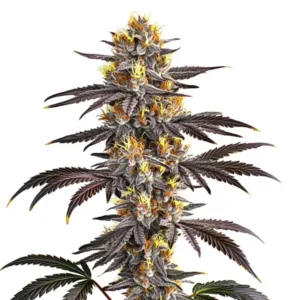
Gelato

|
THC | 27% (High) |

|
Lineage | Sunset Sherbet x Thin Mint Girl Scout Cookies |

|
Type | Feminized |

|
Height | 6.56 ft | 2 m |

|
Yield | High |

|
Yield Indoor | 1.64 oz/ft² | 500 g/m² |

|
Yield Outdoor | 21.16 - 28.22 oz/plant | 600 - 800 g/plant |

|
Flowering Time | 8 - 10 weeks |

|
Phenotype | 50% Indica / 50% Sativa |

|
Medical | Arthritis, Insomnia, Pain |

|
Effects | Happy, Relaxed, Talkative |

|
Flavors | Berry, Citrus, Sweet |

Mochi Gelato
|
|
THC | 20% - 25% (High) |
|
|
Lineage | Gelato 47 (Sunset Sherbert x Thin MInt Cookies) aka Mochi Gelato |
|
|
Type | Feminized |
|
|
Height | 4.92 ft | 1.5 m |
|
|
Yield | High |
|
|
Yield Indoor | 1.64 - 1.97 oz/ft² | 500 - 600 g/m² |
|
|
Yield Outdoor | 21.16 - 28.22 oz/plant | 600 - 800 g/plant |
|
|
Flowering Time | 8 - 10 weeks |
|
|
Phenotype | 40% Indica / 60% Sativa |
|
|
Medical | Anxiety, Migraines, Pain |
|
|
Effects | Energetic, Euphoric, Happy |
|
|
Flavors | Earthy, Herbal, Sweet |
Refractometer data is not just about sugar levels; it’s about unlocking the true potential of your cannabis plants. With careful monitoring and adjustment based on refractometer readings, you can create a thriving growing environment. This approach supports the goal of producing superior strains that meet the highest standards of quality and potency.
How Refractometer Data Enhances Plant Breeding
Utilizing refractometer data in plant breeding involves measuring the Brix level, which indicates the sugar concentration in plant sap. This metric serves as a proxy for overall plant health, giving growers insights into the vitality and growth potential of their crops. By focusing on these readings, growers can select strains that exhibit optimal growth characteristics, leading to more robust breeding programs.
For example, Gelato from Growlantis is a strain that benefits greatly from Brix monitoring. Known for its rich terpene profile and balanced THC/CBD levels, Gelato requires precise conditions to thrive. Refractometer readings can help identify the ideal nutrient balance, ensuring that this strain develops its full flavor and potency potential.
Incorporating refractometer data into breeding programs allows growers to identify which strains are most likely to produce high yields and resist environmental stressors. This data-driven approach fosters a better recognition of how different strains respond to various growing conditions, ultimately optimizing crop yield with refractometer data.
Using refractometer data for strain selection and breeding also involves recognizing the timing and frequency of data collection. Regularly scheduled readings help track developmental changes and identify stress periods that may require intervention. For example, during the flowering stage of Mochi Gelato, maintaining a close watch on Brix levels can reveal nutrient uptake efficiency, enabling timely adjustments to enhance flower density and resin production.
Identifying Optimal Strains with Refractometer Readings
Refractometer readings provide crucial insights that aid in the identification of optimal strains for breeding. By consistently monitoring the Brix levels, growers can determine which plants exhibit the healthiest growth patterns. This information is vital for selecting parent strains that will pass desirable traits onto future generations.
Mochi Gelato, another premium strain from Growlantis, is known for its unique flavor and extended flowering period. By integrating refractometer data for crop improvement, growers can ensure that Mochi Gelato achieves its full potential. Monitoring sugar levels allows for adjustments in nutrient delivery, leading to healthier plants and better yields.
Integrating Refractometer Data for Crop Improvement
Integrating refractometer data into your crop improvement strategy involves regular monitoring and data analysis. By tracking changes in Brix levels over time, growers can make informed decisions about nutrient management and environmental conditions. This proactive approach leads to healthier plants and more successful breeding outcomes.
For strains like Gorilla Glue #4 Auto, which are popular for their quick growth cycles, refractometer data is invaluable. These readings help growers fine-tune their cultivation practices, ensuring that the plants receive the right nutrients at the right time. The result is a more efficient growing process and higher quality yields.
Practical Tips for Using Refractometer Data
Using refractometer data effectively requires a combination of regular monitoring and strategic decision-making. Start by establishing a routine for taking Brix readings at various growth stages. This will provide a holistic view of your plant’s health and allow you to make timely adjustments.
For first-time growers, it’s important to understand that refractometer data in plant breeding is just one part of the equation. Combine this data with observations of plant appearance and growth patterns to get a complete picture of plant health. For instance, if you’re growing Gelato, look for signs of nutrient deficiencies or pest issues alongside your Brix readings.
Experienced growers can take their cultivation to the next level by using refractometer data for strain selection. By comparing the Brix levels of different strains under the same conditions, you can identify which varieties are more resilient and productive. This information is invaluable for breeding programs aiming to develop superior strains.
To maximize the benefits of using refractometer data for strain selection and breeding, it’s essential to establish clear objectives for each growth cycle. Whether focusing on improving yield, enhancing flavor profiles, or increasing pest resistance, clear goals allow for targeted data interpretation and strategy adjustments. For example, setting a benchmark Brix level for Gelato can guide nutrient amendments and environmental tweaks, driving more precise breeding outcomes.
Setting Up a Refractometer for Accurate Readings
To get the most out of your refractometer, it’s crucial to set it up correctly. Start by calibrating your device according to the manufacturer’s instructions. This typically involves using distilled water to ensure the refractometer provides accurate readings.
Once calibrated, take consistent samples from your plants. For accurate results, it’s best to measure Brix levels during the same time of day and under similar environmental conditions. This consistency ensures that your data reflects true changes in plant health, rather than fluctuations caused by external factors.
Analyzing Refractometer Data for Better Breeding
Analyzing refractometer data involves more than just recording numbers. Look for trends in your readings and correlate them with changes in plant growth and health. This analysis can reveal which strains perform best under certain conditions, informing your strain selection and breeding strategies.
For example, if your readings show that Gorilla Glue #4 Auto consistently exhibits high Brix levels, this strain might be a prime candidate for further breeding. High sugar content often correlates with robust growth and high yield potential, making it a desirable trait in breeding programs.

Common Challenges and Solutions in Using Refractometer Data
While refractometer data can provide valuable insights, there are common challenges that growers may encounter. One of the main issues is inconsistent readings, which can occur due to variations in sampling methods or environmental conditions. Ensuring consistency in your sampling process is key to obtaining reliable data.
Another challenge is interpreting the data correctly. For first-time users, recognizing what different Brix levels indicate can be confusing. It’s important to know that higher Brix levels generally signify healthier plants, but other factors such as water stress and nutrient availability can also influence these readings.
Growers who are new to using refractometer for strain selection may also struggle with integrating this data into their existing practices. It’s essential to view refractometer data as one part of a larger strategy for optimizing plant health and yield. By combining these readings with other observations and data, you can make more informed decisions about your breeding programs.
Addressing challenges in using refractometer data for strain selection and breeding often involves refining your data collection techniques. Invest time in training and recognizing the nuances of refractometer use. For instance, when working with Mochi Gelato, a detailed analysis of environmental factors alongside Brix levels can reveal insights into optimal growing conditions that might otherwise be missed.
Addressing Inconsistent Refractometer Readings
Inconsistent refractometer readings can be frustrating, but they often stem from simple errors in technique. Ensure that you’re taking samples from the same part of the plant and at the same time each day. This consistency will help eliminate variables that can skew your data.
If you notice fluctuations in your readings, consider environmental factors such as temperature and humidity. These can impact plant sap concentration and, consequently, your Brix readings. Adjusting your growing environment or sampling method can help stabilize your data.
Improving Data Interpretation Skills
Improving your skills in interpreting refractometer data involves practice and experience. Start by familiarizing yourself with typical Brix levels for healthy plants. Compare your readings against these benchmarks to gauge your plants’ health.
It’s also beneficial to keep a detailed log of your readings, alongside notes on plant appearance and growth stages. Over time, you’ll develop a clearer recognition of how refractometer data correlates with plant health and yield, allowing you to make more informed breeding decisions.

FAQ
What is refractometer data, and how is it used in cannabis breeding?
Refractometer data refers to the Brix level, which indicates the sugar content in plant sap. In cannabis breeding, this data helps growers assess plant health and potential yield. By measuring Brix levels, growers can identify strong candidates for breeding programs, leading to more robust and productive strains.
How can I use refractometer data to select the best cannabis strains?
To use refractometer data for strain selection, monitor the Brix levels of different strains over time. Look for plants with consistently high readings, as these often indicate better health and yield potential. This data, combined with observations of growth patterns, can guide your selection of optimal strains for breeding.
Why is Gelato a good strain for using refractometer data in breeding?
Gelato is a strain with a rich terpene profile and balanced THC/CBD levels, making it a prime candidate for refractometer analysis. Monitoring its Brix levels ensures optimal nutrient balance, enhancing its flavor and potency. This makes Gelato an excellent choice for data-driven breeding programs.
What are the benefits of using refractometer data for Mochi Gelato?
Mochi Gelato benefits from refractometer data due to its extended flowering period. By tracking Brix levels, growers can adjust nutrient delivery for healthier plants and better yields. This ensures that Mochi Gelato reaches its full potential in both taste and production.
How does Gorilla Glue #4 Auto benefit from refractometer data?
Gorilla Glue #4 Auto, known for its rapid growth cycle, can have its growth stages fine-tuned using refractometer data. By ensuring the right nutrient levels at the right times, growers can optimize the plant’s development, resulting in higher quality and more consistent yields.