

Taking brix readings in cannabis plants is a crucial step for growers looking to optimize the health, flavor, and yield of their crop. Whether you’re growing the exquisite Super OG Kush with its robust THC content, the delightful Runtz known for its sweet aroma, or the resilient White Widow Auto, recognizing brix levels can transform your cultivation process. In this guide, we’ll break down the process, offering clear and practical advice for both beginners and seasoned growers.
The brix level in plants is a measure of the sugar content in the plant’s sap and can be an indicator of health and potential yield. A higher brix level often suggests a plant is thriving, potentially leading to better flavors and higher yields. With strains like Super OG Kush, which is known for its high yield and potent impact, measuring brix can guide you to achieve the ideal growing conditions.
Recommended Strains
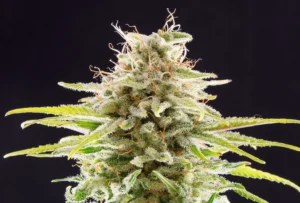
Super OG Kush

|
THC | 22% - 23% (Medium) |

|
Lineage | Lemon Thai x Hindu Kush x Black Domina |

|
Type | Feminized |

|
Height | 4.43 ft | 1.35 m |

|
Yield | High |

|
Yield Indoor | 1.97 oz/ft² | 600 g/m² |

|
Yield Outdoor | 28.22 oz/plant | 800 g/plant |

|
Flowering Time | 8 - 9 weeks |

|
Phenotype | 70% Indica / 30% Sativa |

|
Effects | Relaxed |

|
Flavors | Fruity, Spicy, Earthy |
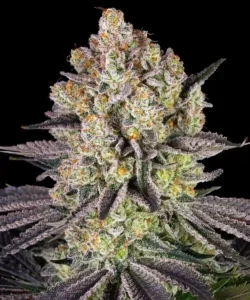
Runtz
|
|
THC | 28% - 29% (High) |
|
|
Lineage | Original Z x Gelato Strain |
|
|
Type | Feminized |
|
|
Height | 5.41 ft | 1.65 m |
|
|
Yield Outdoor | 52.91 oz/plant | 1500 g/plant |
|
|
Flowering Time | 8 - 9 weeks |
|
|
Phenotype | 50% Indica / 50% Sativa |
|
|
Effects | Relaxed, Euphoric, Uplifted, Creative |
|
|
Flavors | Sweet, Candy, Fruity, Skunk, Diesel |
For those cultivating Runtz, a strain celebrated for its unique flavor profile, monitoring brix levels can ensure the sweet, fruity notes are maximized. Similarly, for the versatile White Widow Auto, recognizing brix can assist in maintaining the plant’s resilience and optimizing its growth in various conditions. Let’s delve into the practical steps involved in taking brix readings effectively.
What is Brix and Why It Matters in Cannabis Cultivation
Brix is a scale that measures the sugar content in an aqueous solution, primarily used in agriculture to gauge the quality of fruits and vegetables. When applied to cannabis, brix readings can help growers determine the overall health of their plants. High brix levels typically indicate a robust plant with strong metabolic processes, leading to better growth and quality.
The significance of brix measurements in cannabis is multifaceted. For strains like Super OG Kush, which demands specific conditions for optimal THC levels, brix readings offer a window into the plant’s health and nutrient uptake. By maintaining high brix levels, growers can ensure that this strain reaches its maximum potency.
For Runtz, with its intricate flavor profile, brix levels can influence the development of terpenes, which are responsible for the strain’s distinctive fruity aroma. A detailed guide for brix readings in marijuana cultivation can therefore be pivotal in preserving the unique characteristics of such strains.
In the case of White Widow Auto, a strain known for its adaptability and ease of growth, monitoring brix can provide insights into how well the plant is adapting to its environment, ensuring optimal growth even in less-than-ideal conditions. Recognizing how to measure brix in cannabis plants step by step can be a game-changer for maximizing plant potential.
Moreover, recognizing the importance of brix readings in cannabis cultivation extends beyond individual plant health. It can significantly impact long-term growing strategies. For instance, growers who regularly monitor brix levels can better anticipate and mitigate potential issues before they affect the entire crop. This proactive approach can lead to a more efficient use of resources, such as water and nutrients, tailored to the specific needs of the strains like Super OG Kush, Runtz, and White Widow Auto. By incorporating brix measurements into your routine, you align your cultivation practices with a methodical step by step guide to taking brix readings in cannabis plants, ultimately leading to enhanced crop quality and yield.
Step-by-Step Instructions for Taking Brix Levels in Cannabis
To measure brix levels in cannabis, you will need a refractometer, which is a simple device used to measure the sugar content in plant sap. Here’s a stepwise guide to help you through the process:
Preparing Your Tools
Before you start, ensure you have a clean refractometer and a sharp knife or blade. The refractometer should be calibrated according to the manufacturer’s instructions, typically using distilled water. This step is crucial to ensure accurate readings.
For strains like Super OG Kush, known for its dense buds, a precise measurement is key to monitoring its development. Similarly, when working with the Runtz strain, maintaining clean tools helps in obtaining an unadulterated sample, crucial for accurate brix readings.
Collecting Sap Samples
Select a healthy leaf from your cannabis plant, preferably from the middle part of the plant to get a representative sample. Using the sharp knife, make a clean cut and gently squeeze the leaf to extract a few drops of sap.
It’s important to note that for White Widow Auto, which has a fast flowering time, regular checks might be necessary to adjust growing conditions swiftly. These frequent checks ensure the plant remains healthy throughout its growth cycle.
Reading the Refractometer
After placing the sap on the refractometer’s glass, close the cover and look through the eyepiece. The brix level will appear as a line between blue and white areas on the scale. This reading represents the percentage of sugar content in the sap.
For growers of Super OG Kush, monitoring these readings can help ensure the plant’s nutrient needs are met, leading to the strain’s characteristic high yield and potency. Maintaining optimal brix levels in Runtz can enhance its flavor profile, while for White Widow Auto, it ensures consistent growth.
Comprehending the cannabis plant brix measurement process explained here can be an invaluable tool for growers. By following the stepwise instructions for taking brix levels in cannabis, you ensure that each measurement is accurate and reflective of the plant’s true health. This meticulous approach, akin to a thorough tutorial on brix testing in cannabis growing, empowers you to make data-driven decisions, optimizing conditions for strains like Super OG Kush and Runtz. Regular and precise brix measurements help to fine-tune growing techniques, ensuring that each plant achieves its maximum potential.

Factors Influencing Brix Levels in Cannabis
Several factors can influence brix levels in cannabis plants, making it essential to understand these elements to maintain high brix readings effectively.
Nutrient Management
Proper nutrient management is critical. Plants like Super OG Kush thrive on a balanced diet rich in essential nutrients. Any nutrient deficiencies can lead to lower brix levels, affecting the plant’s growth and cannabinoid production.
For Runtz, nutrient management is particularly important to preserve its unique smell and taste. Ensuring that the soil is rich in organic matter can help enhance the natural sweetness of the plant, reflected in higher brix readings.
Environmental Conditions
Environmental factors such as light, temperature, and humidity play significant roles in determining brix levels. Strains like White Widow Auto adapt well to various conditions, but optimal lighting and temperature can further boost brix and overall plant health.
Monitoring environmental conditions regularly can help in making necessary adjustments to maintain optimal brix levels, ensuring that your plants, whether Super OG Kush or Runtz, grow healthily and productively.
Watering Practices
Consistent and proper watering practices are essential. Overwatering or underwatering can stress the plant, leading to fluctuations in brix levels. Strains like White Widow Auto, which are often cultivated for their ease of growth, can still suffer from improper watering habits.
Ensuring that the plants receive the right amount of water helps in maintaining the sap’s sugar content, which in turn is reflected in stable brix readings. This practice is especially important for maintaining the quality and potency of strains such as Super OG Kush and Runtz.
Recognizing the variety of factors that influence brix levels is crucial for any grower aiming to master the art of cannabis cultivation. By recognizing the intricate balance between nutrients, environmental conditions, and watering practices, you can implement a step by step guide to taking brix readings in cannabis plants, ensuring each strain’s full potential is realized. For Super OG Kush, this might involve balancing nutritional inputs meticulously, while Runtz may require more attention to environmental factors. With White Widow Auto, maintaining a consistent watering schedule can be vital. By closely monitoring these factors, you not only maintain high brix levels but also secure a robust and bountiful harvest.
Interpreting Brix Readings for Better Yield and Quality
Interpreting brix readings effectively can significantly influence your cannabis cultivation success. Higher brix levels generally indicate healthier plants, but recognizing these readings in context is key.
High vs. Low Brix Levels
High brix levels suggest that your plants are healthy, with efficient photosynthesis and nutrient uptake. For growers of Super OG Kush, this means the plant is likely to produce high THC content, characteristic of this strain.
Conversely, low brix levels might indicate stress, nutrient deficiencies, or disease, which can compromise the quality. For Runtz, low brix could mean a loss in its distinctive flavor profile, while White Widow Auto might not reach its full growth potential.
Adjusting Cultivation Practices
Based on brix readings, growers can adjust their cultivation practices accordingly. For instance, if Super OG Kush shows lower brix levels, it might require additional nutrients or a change in watering practices.
Similarly, if Runtz is showing signs of stress indicated by low brix, adjusting environmental conditions such as lighting or humidity can help. For White Widow Auto, which is generally forgiving, maintaining consistent brix levels ensures the plant thrives throughout its growth cycle.
Effectively interpreting brix readings involves more than just recognizing high and low values; it requires a strategic approach to cultivation adjustments. For example, growers of Super OG Kush can use these readings to fine-tune nutrient solutions, ensuring the plant’s high THC output is maintained. Likewise, Runtz growers might adjust humidity levels to preserve the strain’s signature aroma. By employing a thorough tutorial on brix testing in cannabis growing, you can systematically refine your cultivation methods, ensuring each plant reaches its peak condition. This proactive approach, guided by brix data, allows for informed decision-making that optimizes both yield and quality.

FAQ
What tools are essential for taking brix readings in cannabis plants?
To take brix readings, a refractometer is the primary tool you’ll need. This device measures the sugar content in the plant’s sap, offering insights into the plant’s health. Ensure the refractometer is calibrated correctly using distilled water before each use to guarantee accurate readings.
Additionally, having a sharp blade or knife to extract sap from the plant leaves is necessary. Clean tools ensure that the samples are not contaminated, providing reliable brix readings which are crucial for strains like Super OG Kush and Runtz.
How often should brix readings be taken for optimal results?
For optimal results, it’s advisable to take brix readings regularly throughout the plant’s growth cycle. Weekly readings can help you track changes and make necessary adjustments to your cultivation practices in a timely manner.
More frequent readings may be required during critical growth phases or if growing sensitive strains like Runtz, where flavor and aroma are priorities. This consistent monitoring helps in achieving the desired plant quality and yield.
Can environmental conditions affect brix readings in cannabis?
Yes, environmental conditions such as light, temperature, and humidity significantly impact brix readings. These factors influence photosynthesis and nutrient uptake, which in turn affect the sugar content in the sap.
For instance, White Widow Auto adapts well to various environments, but optimal conditions can enhance its growth and brix levels. Monitoring and adjusting environmental factors can help maintain high brix readings, ensuring healthy plant development.
What does a low brix level indicate, and how can it be improved?
A low brix level typically indicates stress, poor nutrient uptake, or environmental challenges. It suggests that the plant might not be photosynthesizing efficiently, which can impact growth and yield.
Improving low brix levels involves addressing any nutrient deficiencies, optimizing watering practices, and ensuring favorable environmental conditions. For strains like Super OG Kush, this might mean adjusting nutrient solutions or refining irrigation practices to boost plant health and brix levels.
Are there specific strains that benefit more from brix readings?
All cannabis strains can benefit from brix readings, but certain strains may show more pronounced improvements. Super OG Kush, with its high THC potential, Runtz, known for its flavor, and the adaptable White Widow Auto can all see significant benefits.
Brix readings help in fine-tuning growing conditions, ensuring each strain develops its unique characteristics to the fullest. By monitoring these readings, growers can optimize their cultivation practices to suit each strain’s specific needs and potential.