
Cannabis strains with limonene and pinene include Bruce Banner #3, some Gelato 41 phenotypes, Jack Herer, White Widow and certain Super Lemon Haze expressions. However, strain names do not guarantee a specific terpene profile. If you specifically want both citrusy limonene and pine-like pinene, a batch specific terpene certificate is more reliable than the cultivar name alone.
Terpenes shape aroma, flavour and much of how a strain makes you feel, so it pays to grow for them on purpose. If you are chasing specific profiles, see our roundups of high-linalool terpene strains and high-caryophyllene terpene strains, which gather the varieties richest in each compound for a more targeted, terpene-led garden.
Recommended Strains
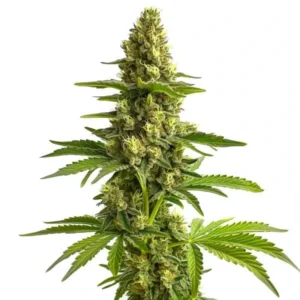
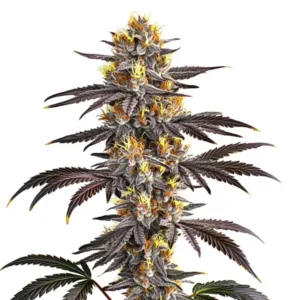
Bruce Banner 3

|
THC | 20% - 29% (High) |

|
Lineage | OG Kush x Strawberry Diesel |

|
Type | Feminized |

|
Height | 6.56 ft | 2 m |

|
Yield | High |

|
Yield Indoor | 1.31 - 1.64 oz/ft² | 400 - 500 g/m² |

|
Yield Outdoor | 17.64 - 26.46 oz/plant | 500 - 750 g/plant |

|
Flowering Time | 8 - 10 weeks |

|
Phenotype | 50% Indica / 50% Sativa |

|
Medical | Arthritis, Insomnia, Pain |

|
Effects | Happy, Relaxed, Talkative |

|
Flavors | Earthy, Fruity, Sweet |
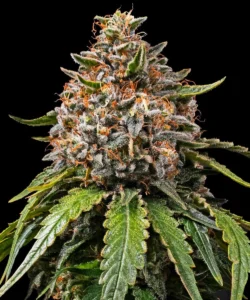
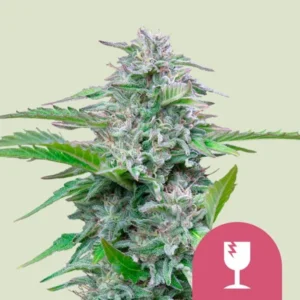
White Widow XXL Seeds
|
|
THC | 26% - 27% (High) |
|
|
Lineage | Brazilian x South Indian |
|
|
Type | Feminized |
|
|
Height | 5.74 ft | 1.75 m |
|
|
Yield Outdoor | 70.55 oz/plant | 2000 g/plant |
|
|
Flowering Time | 8 - 9 weeks |
|
|
Phenotype | 75% Indica / 25% Sativa |
|
|
Effects | Creative, Uplifted, Energetic, Talkative, Euphoric |
|
|
Flavors | Sweet, Pungent, Fruity, Spicy, Pine |
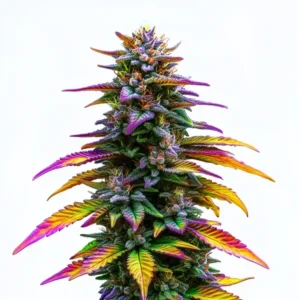
Citrus-forward, terpene-rich cultivars are a treat for the senses, and there is a zesty one worth trying. Nirvana’s 5 Alive is a bright, limonene-heavy sativa that bursts with sweet, tangy citrus flavour and a clear, uplifting high — perfect for anyone chasing fresh, fruity aromatics in the garden and the jar.
Best Limonene and Pinene Strains at a Glance
The most useful distinction is not whether a strain has ever contained both terpenes, but how good the evidence is that both occur meaningfully in a particular expression.
| Strain | Limonene | Pinene | How strong is the evidence? |
|---|---|---|---|
| Bruce Banner #3 | Prominent in tested profiles | α- and β-pinene detected | Strong for specific tested expressions |
| Gelato 41 | Often prominent | Can be prominent | Strong for some specific cuts |
| Jack Herer | Present in some profiles | Present in some profiles | Variable |
| White Widow | Frequently reported | Frequently reported | Variable across breeders and phenotypes |
| Super Lemon Haze | Often prominent | May occur but usually not dominant | Better for limonene than pinene |
This is why I would describe them as strains to investigate for limonene + pinene, rather than guaranteeing that every seed or harvested batch will be rich in both.
1. Bruce Banner #3 — Best-Documented Limonene + Pinene Candidate
Bruce Banner #3 is probably the strongest recommendation from the original article.
A genetic-profile record from Phylos Bioscience for a Bruce Banner #3 clone lists limonene as the most prominent monoterpene, followed by linalool, fenchol and myrcene, with both β-pinene and α-pinene also detected.
That makes it a legitimate example of a cultivar expression containing both terpene families.
The important word is expression.
Bruce Banner #3 genetics are sold by multiple breeders, and a seed-grown reproduction is not necessarily chemically identical to the original clone tested by Phylos.
Blimburn, for example, describes its Bruce Banner-derived material as having a profile dominated by myrcene, limonene and caryophyllene rather than pinene.
So Bruce Banner #3 is a good starting point, but you should still verify the finished flower if the terpene combination itself is the purchasing priority.
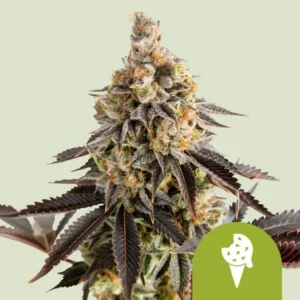
2. Gelato 41: Strong Potential for Both Terpenes
Gelato is too broad a name to treat as one consistent terpene profile.
A better recommendation is Gelato 41, a specific Gelato expression.
Phinest Cannabis lists Gelato 41’s dominant terpenes as: pinene, myrcene, limonene and caryophyllene and provides COA information for the cultivar.
That makes this particular expression a much better fit for limonene and pinene strains than simply recommending generic Gelato.
The distinction matters because another laboratory tested sample sold as Gelato showed only 0.04% limonene and effectively no detected pinene.
Both can legitimately be labeled Gelato while giving a consumer very different terpene results.
That illustrates one of the central problems with cannabis strain names: they are useful shorthand, but they are not chemical specifications.
3. Jack Herer: Worth Checking, but Highly Variable
Jack Herer is frequently associated with pine, citrus and Haze like aromas, making it an intuitive candidate.
Some cannabis databases describe its characteristic terpene profile as terpinolene, limonene and pinene.
However, Sensi Seeds’ own grow report for Jack Herer Feminized identified terpinolene, caryophyllene and myrcene as the dominant terpenes in the plants they analyzed.
This is exactly why Jack Herer should not be described as universally high in limonene and pinene.
It can express both, and its pine/citrus aromatic character makes it worth investigating, but phenotype and batch matter.
If buying finished flower specifically for these two terpenes, check the laboratory terpene report rather than relying on Jack Herer branding.
4. White Widow: Both Are Common, but Not Guaranteed
The White Widow family is another reasonable candidate, although the original article overstates the certainty.
Aggregated cultivar data show both limonene and pinene regularly reported in White Widow-family terpene profiles, alongside more common dominant compounds such as caryophyllene and myrcene.
Barney’s Farm’s current White Widow material also describes a combination of sweet citrus and pine aromas, which is compatible with the presence of limonene and pinene but is not itself quantitative terpene testing.
For that reason, White Widow XXL is worth checking when shopping for this profile, but I would not promise that either terpene will be dominant.
White Widow is also produced by many breeders.
Different breeding lines sold under the same famous name can differ genetically and chemically, so the breeder matters almost as much as the strain label.
5. Super Lemon Haze: Excellent for Limonene, Less Certain for Pinene
Super Lemon Haze belongs in this article, but with an important qualification.
Green House Seed Co., the original breeder, currently lists β-caryophyllene, d-limonene and terpinolene as the cultivar’s most expressed terpenes. Its description also mentions woody, fresh pine notes inherited from the Haze side.
So limonene has strong breeder support.
Pinene is less consistent.
Some reported Super Lemon Haze profiles include pinene alongside limonene, but it is not one of Green House’s three principal terpenes. Aggregated strain-family data likewise show limonene more consistently than pinene.
Super Lemon Haze is therefore a better recommendation for someone prioritizing limonene first, pinene second than for someone demanding very high concentrations of both.
What Do Limonene and Pinene Smell Like?
Limonene is a cyclic monoterpene strongly associated with citrus peel.
In cannabis, it can contribute lemon, orange, grapefruit and other bright citrus notes, although a citrus aroma does not automatically prove that limonene is the dominant terpene.
Pinene occurs primarily as α-pinene and β-pinene.
α-Pinene is strongly associated with pine resin, conifers and rosemary like aromas. β-Pinene can contribute woody, green and resinous notes.
A strain containing both can therefore combine: citrus + pine + resin + fresh herbal notes but aroma is produced by the complete volatile profile, not these two molecules alone.
A flower containing limonene and pinene may still smell predominantly sweet, fuel-like or earthy if other terpenes occur at higher concentrations.
Does Limonene Make Cannabis Uplifting?
Not reliably enough to predict the effects of a strain.
Limonene has interesting pharmacological research behind it.
Most notably, a 2024 controlled human study administered THC and isolated d-limonene in different combinations. When high doses of d-limonene were combined with THC, participants reported lower ratings of anxious/nervous and paranoid than with THC alone. D-limonene by itself did not produce significant pharmacodynamic effects compared with placebo.
That is meaningful evidence that limonene can interact with THC under specific experimental conditions.
But it does not demonstrate that ordinary limonene-rich cannabis reliably improves mood or reduces anxiety.
The highest experimental limonene dose was far more controlled than simply selecting a flower because its strain description says citrus.
Avoid turning contains limonene into will make you happy or anxiety free.
Does Pinene Improve Focus or Memory?
This claim is much less established than cannabis websites often imply.
Pinene has been investigated in laboratory and animal research for several biological activities, and mechanisms such as acetylcholinesterase inhibition have led to theories that it could influence cognition.
But there is not strong human evidence showing that a pinene rich cannabis strain improves memory or focus after THC consumption.
A recent review examining common cannabis terpene claims found very uneven evidence behind effects commonly associated with individual terpenes.
So the familiar claim that pinene counteracts THC memory impairment should be presented as a hypothesis rather than an established reason to buy a strain.
Why Strain Names Do Not Guarantee Terpenes
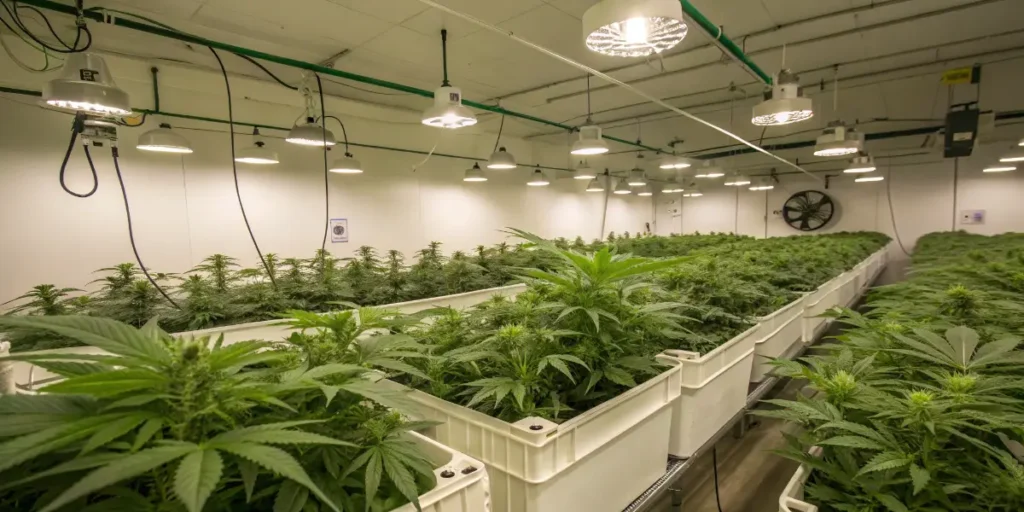
Cannabis chemistry varies for several reasons.
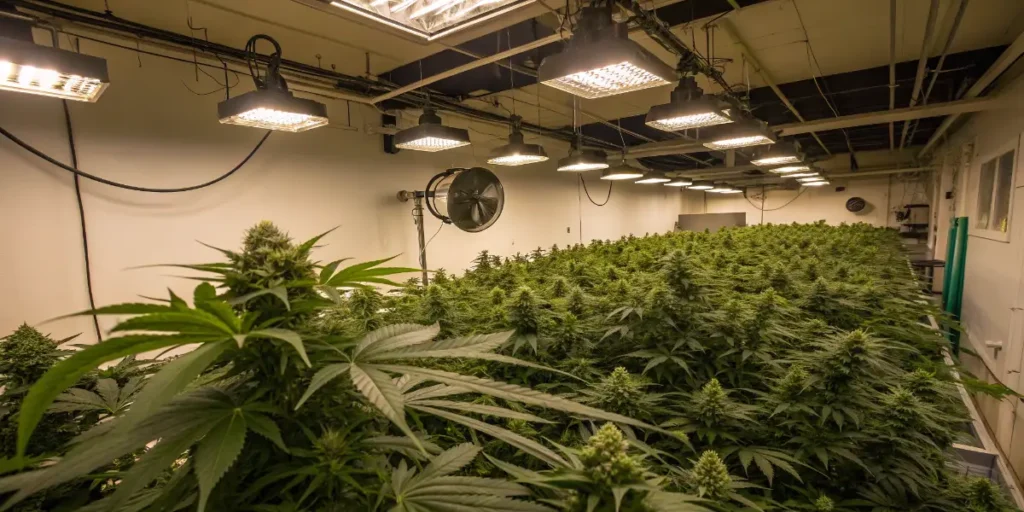
Genetics are important, but terpene expression can also change with phenotype, environment, maturity, harvest timing and post harvest handling.
In one controlled study analyzing ten plants from each of two cannabis strains, terpene concentrations varied by roughly 20% among plants of the same strain, even though they were grown under controlled conditions and harvested simultaneously.
Broader genetic studies have also found substantial variation among samples sold under identical cultivar names.
That means: Bruce Banner is not a terpene analysis. Neither is Gelato, White Widow or Jack Herer.
A strain name helps narrow the search. A laboratory result tells you what is actually in that particular batch.
How to Find Cannabis High in Both Limonene and Pinene
If both terpenes specifically matter to you, look for a batch-specific certificate of analysis (COA) that includes a terpene panel.
Check whether the laboratory reports both α-pinene and β-pinene separately, because pinene can refer to either or to their combined concentration.
Then compare their actual concentrations rather than relying only on phrases such as: citrusy, piney, terpene rich or high terpene strain.
Those descriptions can be useful sensory clues, but they are not measurements.
A COA also lets you distinguish between merely detectable concentrations and genuinely prominent terpenes.
Limonene + Pinene Does Not Guarantee a Specific High
Terpenes are only one part of cannabis chemistry.
THC dose, other cannabinoids, other terpenes, individual tolerance, previous cannabis exposure and context can all influence the subjective experience.
This is another reason the existing article’s repeated promises of mental clarity, focus, uplifting mood and stress relief should be removed.
Two flowers can contain both pinene and limonene and still feel different because the rest of their chemical composition differs.
Choose these strains primarily because you are interested in their aromatic chemistry, not because two terpene names guarantee a predetermined effect.
FAQs
What cannabis strains have both limonene and pinene?
Bruce Banner #3, some Gelato 41 expressions, Jack Herer, White Widow and some Super Lemon Haze phenotypes can contain both limonene and pinene. Bruce Banner #3 and specific Gelato 41 profiles have particularly useful documentation, but terpene concentrations can vary substantially between breeders, phenotypes and individual batches.
Which strain is highest in both limonene and pinene?
There is no strain that can reliably be declared highest from its name alone. Bruce Banner #3 is a strong candidate because a documented clone profile lists limonene as its leading monoterpene and detects both α- and β-pinene. For an actual purchase, however, compare current batch-specific laboratory terpene results.
What does limonene and pinene smell like together?
Limonene commonly contributes lemon, orange and other citrus notes, while α- and β-pinene contribute pine, resinous, woody and fresh herbal aromas. Cannabis containing both can therefore have a citrus-pine profile, although more abundant terpenes such as myrcene, caryophyllene or terpinolene may dominate the actual smell.
Do limonene and pinene strains help anxiety?
You cannot reliably predict anxiety relief from a strain’s terpene profile. A controlled human study found that relatively high doses of isolated d-limonene reduced some anxiety related effects when administered with THC, but ordinary cannabis flower has a different and less controlled composition. Evidence for pinene as an anti-anxiety component is even more limited.
Does pinene make cannabis more focusing?
There is insufficient human evidence to say that pinene-rich cannabis reliably improves focus or memory. Proposed cognitive effects are based largely on mechanistic, laboratory and animal research. THC dose and individual response remain much more important predictors of impairment than simply whether pinene appears in a terpene panel.
Can two batches of the same strain have different terpene profiles?
Yes. Genetics, phenotype, cultivation environment, plant maturity, harvest timing and post harvest handling can all affect terpene concentrations. Controlled research has observed approximately 20% variation among individual plants of the same strain, while commercial samples carrying identical strain names can vary even more.