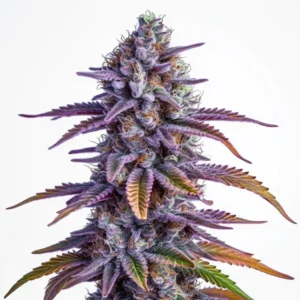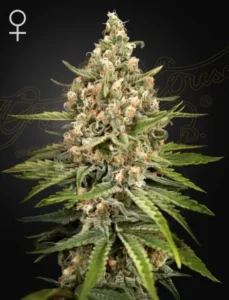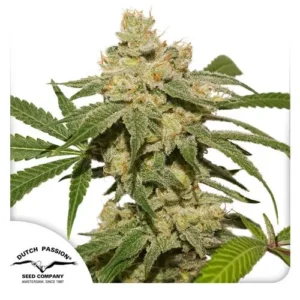
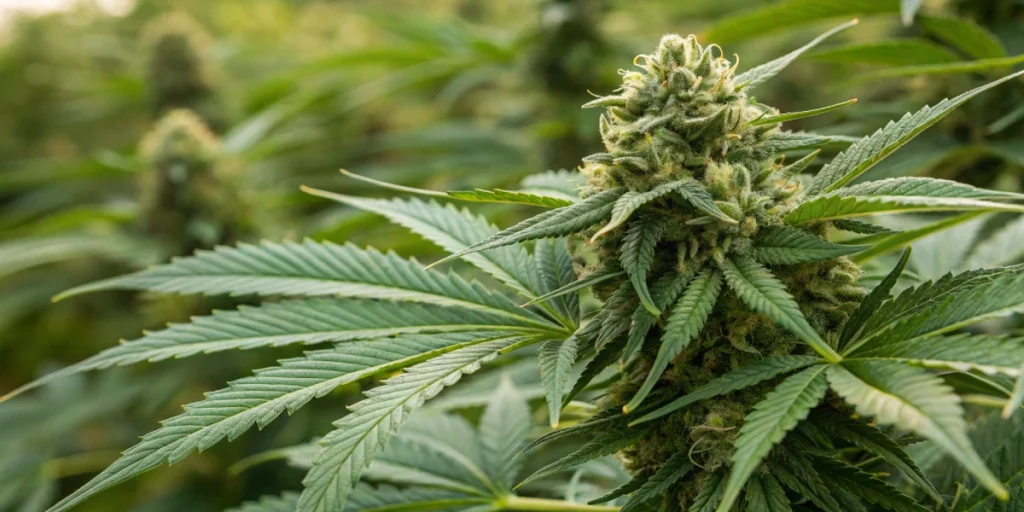

Corkscrew Auto is a compact, sativa-leaning autoflower with a candy-citrus flavor and a focused, uplifting effect. Part of the Tyson collection from Royal Queen Seeds, it crosses Cherry Pie Auto with Tangie and flowers by age, finishing its cycle in 8-10 weeks. At a solid 18-19% THC, a short 2.79 ft frame, and a big indoor yield for its size, the Corkscrew Auto strain suits growers who want a flavorful, discreet, low-effort plant.
This guide covers the full cycle for Corkscrew Auto (Tyson) from Royal Queen Seeds, sold through Growlantis, from germination to the cure. The figures below follow the Corkscrew Auto datasheet; always check the spec sheet of your specific pack, since cannabinoid content varies between plants.
Recommended Strains

Corkscrew Auto - Tyson S

|
THC | 18% - 19% (Medium) |

|
Lineage | Cherry Pie Auto x Tangie |

|
Type | Autoflowering |

|
Height | 2.79 ft | 0.85 m |

|
Yield | High |

|
Yield Indoor | 1.47 - 1.64 oz/ft² | 450 - 500 g/m² |

|
Yield Outdoor | 3.17 - 6.17 oz/plant | 90 - 175 g/plant |

|
Life Cycle | 8 - 10 weeks |

|
Phenotype | 40% Indica / 55% Sativa / 5% Ruderalis |

|
Effects | Focused, Uplifted |

|
Flavors | Candy, Citrus, Pineapple |
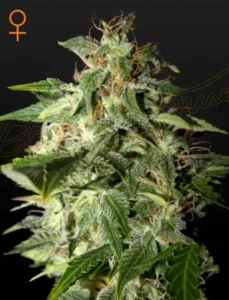
Dynamite Diesel - Tyson S
|
|
THC | 21% - 22% (Medium) |
|
|
Lineage | Sour Diesel x Skywalker OG |
|
|
Type | Feminized |
|
|
Height | 5.74 ft | 1.75 m |
|
|
Yield | High |
|
|
Yield Indoor | 1.64 - 1.8 oz/ft² | 500 - 550 g/m² |
|
|
Yield Outdoor | 22.05 - 23.81 oz/plant | 625 - 675 g/plant |
|
|
Flowering Time | 9 - 10 weeks |
|
|
Phenotype | 65% Indica / 35% Sativa |
|
|
Effects | Calming, Relaxed, Sleepy |
|
|
Flavors | Citrus, Earthy, Fruity, Pepper |
Corkscrew Auto at a Glance
| Trait | Corkscrew Auto |
| Lineage | Cherry Pie Auto x Tangie |
| Type | Autoflowering feminized, sativa-leaning |
| THC | 18-19% (medium) |
| Flowering time | 8-10 weeks |
| Full cycle | About 10-12 weeks seed to harvest |
| Height | 2.79 ft (85 cm) |
| Yield indoor | 1.48-1.64 oz/ft2 (450-500 g/m2) |
| Yield outdoor | 3.17-6.17 oz (90-175 g) per plant |
| Effects | Focused, uplifted |
| Flavors | Candy, citrus, pineapple |
The draw here is a flavorful, compact autoflower with a strong indoor yield for its size. At 18-19% THC, Corkscrew Auto is a solid medium, and the candy, citrus, and pineapple flavor from its Tangie side is the signature. The focused, uplifting effect and short stature make it an easy, discreet plant.
Is Corkscrew Auto Indica or Sativa?
Corkscrew Auto is sativa-leaning, from its Tangie and Cherry Pie parents. The effect is focused and uplifted, a clear, energizing feel that suits daytime use rather than a heavy couch-lock. The plant stays very short and compact, reaching about 2.79 ft, which makes it one of the more discreet autoflowers to run in a tent or a small outdoor spot.
THC and Effect
Corkscrew Auto carries 18-19% THC, a solid medium. The datasheet describes the effect as focused and uplifted, a clear-headed, energizing feel suited to daytime and creative use. The flavor is the draw: sweet candy with citrus and pineapple notes from its Tangie heritage. The moderate strength keeps it approachable.
Height, Yield, and Indoor vs Outdoor
Corkscrew Auto stays very short at about 2.79 ft (85 cm), one of the most discreet autoflowers around.
- Indoors, expect a high 1.48-1.64 oz/ft2 (450-500 g/m2) under a steady light schedule, strong for such a small plant.
- Outdoors, a single plant returns about 3.17-6.17 oz (90-175 g) in full sun. The compact size suits balconies and discreet spots, and the quick cycle allows more than one run per season.
Germinating and Growing Corkscrew Auto
Autoflowers run on a fixed internal clock and recover poorly from transplant shock, so handle the seedling as little as possible.
- Germination (days 1-3): Use the paper-towel method at 70-79 F, then plant the sprouted seed straight into its final 3-5 gallon container, taproot down and half an inch deep.
- Early growth (weeks 1-3): Run 18-20 hours of light a day from the start and keep that schedule for the whole cycle. Feed lightly and water around the small root zone.
- Light training (weeks 2-3): Light low-stress training opens the compact canopy and evens the plant out. Skip topping and heavy defoliation; the short auto cycle leaves no time to recover from hard stress.
Flowering and Harvest of Corkscrew Auto
- Pre-flower (around week 3-4): The plant begins to flower automatically, with no change to the light schedule.
- Bloom (8-10 weeks): Buds fill in and frost up on the compact frame. Hold humidity around 40-45% and keep airflow steady.
- Harvest: Check trichomes from around week 8. Harvest when most are cloudy for the focused, uplifting effect.
Flowering Time vs Full Grow Time
The flowering time is 8-10 weeks, the window from the first pistils to harvest. The full grow time is the complete seed-to-harvest cycle, roughly 10-12 weeks, because an autoflower spends its first few weeks as a seedling and in early growth before bloom begins. You do not add a separate veg stage; the total already includes it.
Does Corkscrew Auto Need a 12/12 Light Cycle?
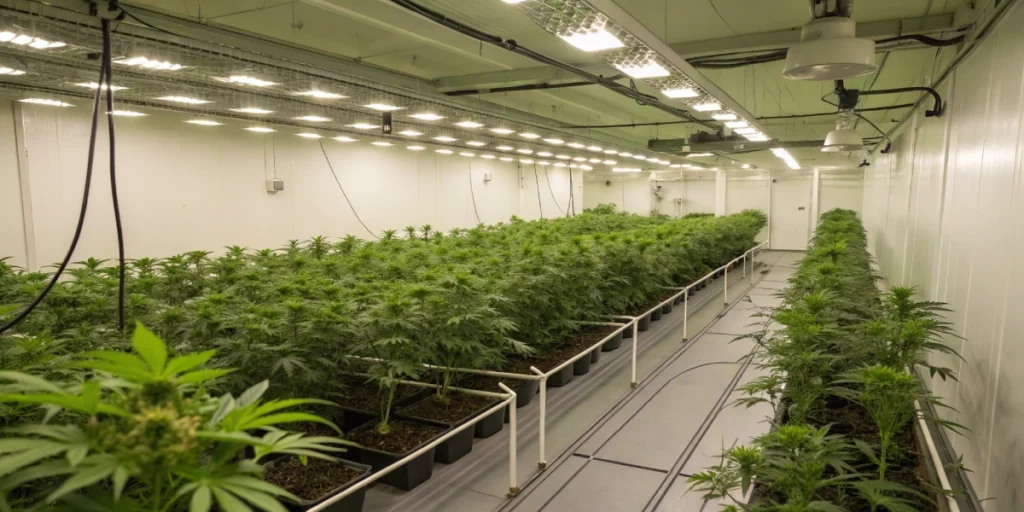
No. Corkscrew Auto is an autoflower, so it flowers by age rather than by a change in light hours. There is no need to switch to a 12/12 schedule the way you would with a photoperiod plant. Run 18/6 or 20/4 from seed to harvest; more daily light simply fuels more growth over the cycle.
Best US Climates for Corkscrew Auto
As a very compact, flavorful autoflower, Corkscrew Auto fits a wide range of US conditions.
- Short-season northern states (Pacific Northwest, Northeast, Upper Midwest): the auto cycle lets it finish before the autumn cold.
- Warm and dry regions (Southwest, inland California): strong sun suits the frosty buds; watch watering in the heat.
- Humid southern states: workable with good airflow and low canopy humidity around the compact flowers.
- Discreet spots anywhere: the very short stature makes it ideal for balconies, small tents, and low-profile grows.
Feeding and Watering
Corkscrew Auto is a light feeder, like most autoflowers. Build nutrient strength up slowly and keep it below photoperiod levels; overfeeding is the most common mistake on a fast auto, especially on such a small plant. Start with a quarter-strength feed in early growth, move to a light bloom feed as pistils show, and taper to plain water in the final week or two. Water when the top inch of the medium dries, and err on the drier side.
Common Problems When Growing Corkscrew Auto
Small plant, careful feeding
Corkscrew Auto stays very small, so its root zone and nutrient needs are modest. Overfeeding is easy to do and the most common mistake; keep feeds light and build up slowly.
Transplant shock
Autoflowers do not bounce back from root disturbance within their short life. Plant the seed directly into its final container rather than potting up.
Maximizing a compact canopy
With a short plant, light low-stress training to spread the canopy helps the indoor yield reach the top of its range.
Corkscrew Auto in the Catalog
Corkscrew Auto is part of the Tyson collection at Royal Queen Seeds, a compact, flavorful autoflower with Tangie citrus genetics. For more citrus character, the Tangie from Royal Queen Seeds is the sativa-dominant parent line. Browse more in the catalog’s autoflowering cannabis seeds and sativa seeds. Specs can vary between packs, so confirm the exact pack before planning your grow.
Frequently Asked Questions
How long does Corkscrew Auto take to flower?
Corkscrew Auto has a flowering time of 8-10 weeks, measured from the first pistils to harvest. Counting the seedling and early-growth weeks, the full seed-to-harvest cycle runs about 10-12 weeks, since the plant spends its first few weeks as a seedling before bloom begins.
Does Corkscrew Auto need a 12/12 light cycle?
No. As an autoflower, Corkscrew Auto flowers automatically by age, not by light hours, so there is no switch to 12/12. Run 18/6 or 20/4 from seed to harvest. The steady long-day schedule carries it through its entire cycle, indoors or under the sun outdoors.
How tall does Corkscrew Auto grow?
Corkscrew Auto stays very short at about 2.79 ft (85 cm), one of the most compact autoflowers around. That small stature makes it ideal for discreet grows, balconies, and small tents, while light training helps the short canopy reach its strong indoor yield.
Is Corkscrew Auto indica or sativa?
Corkscrew Auto is sativa-leaning, from its Tangie and Cherry Pie parents. The effect is focused and uplifted, a clear, energizing feel for daytime use, and the plant stays very short and compact, which keeps it easy and discreet to manage indoors or out.
What does Corkscrew Auto taste like?
Corkscrew Auto has a sweet candy flavor with citrus and pineapple notes, drawn from its Tangie heritage. It is a bright, fruity profile rather than an earthy one, and it comes through best when the plant is flushed well in the final weeks and cured patiently after harvest.