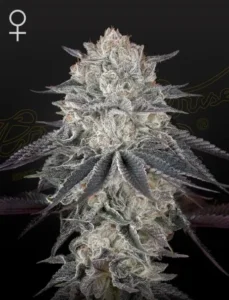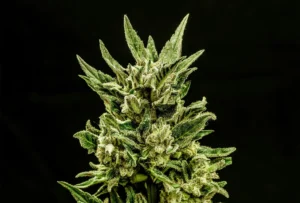


Jokerz is a feminized photoperiod hybrid from Blimburn Seeds based on the famous White Runtz × Jet Fuel Gelato cross originally created by Compound Genetics. Blimburn’s current US seed line is classified as 50% Indica and 50% Sativa, reaches 26–32% THC and flowers in approximately 8–10 weeks.
Current Jokerz seeds reach approximately 1.5 m tall. Indoor production is listed at 350–450 g/m², while outdoor plants can produce approximately 450–600 g each. The breeder describes a medium-to-tall plant with notable early-flowering stretch and a structure that responds particularly well to canopy training.
Recommended Strains
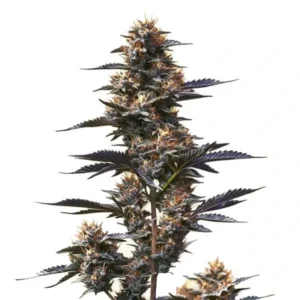
Jokerz

|
THC | 26% - 32% (High) |

|
Lineage | White Runtz x Jet Fuel Gelato |

|
Type | Feminized |

|
Height | 4.92 ft | 1.5 m |

|
Yield | Medium |

|
Yield Indoor | 1.15 - 1.47 oz/ft² | 350 - 450 g/m² |

|
Yield Outdoor | 15.87 - 21.16 oz/plant | 450 - 600 g/plant |

|
Flowering Time | 8 - 10 weeks |

|
Phenotype | 70% Indica / 30% Sativa |

|
Medical | Arthritis, Insomnia, Pain |

|
Effects | Happy, Relaxed, Uplifted |

|
Flavors | Diesel, Orange |

Gushers
|
|
THC | 23% - 24% (High) |
|
|
Lineage | Gelato 41 x Triangle Kush |
|
|
Type | Feminized |
|
|
Height | 4.43 ft | 1.35 m |
|
|
Yield | High |
|
|
Yield Indoor | 1.47 - 1.64 oz/ft² | 450 - 500 g/m² |
|
|
Yield Outdoor | 22.93 - 24.69 oz/plant | 650 - 700 g/plant |
|
|
Flowering Time | 8 - 10 weeks |
|
|
Phenotype | 60% Indica / 40% Sativa |
|
|
Effects | Giggly, Relaxed |
|
|
Flavors | Cookie, Earthy, Fruity |
| Jokerz Grow Info | Current specification |
|---|---|
| Breeder | Blimburn Seeds |
| Original cross | White Runtz × Jet Fuel Gelato |
| Seed type | Feminized photoperiod |
| Indica / Sativa | 50% Indica / 50% Sativa |
| THC | 26–32% |
| Flowering time | 8–10 weeks |
| Height | Approx. 1.5 m / 4.92 ft |
| Indoor yield | 350–450 g/m² |
| Outdoor yield | 450–600 g/plant |
| Yield class | Medium |
| Climate classification | Tropical |
| Flavor | Diesel, Orange |
| Reported effects | Happy, Relaxed, Uplifted |
| Published terpenes | Humulene, Caryophyllene, Linalool, Myrcene |
Jokerz Genetics and Origin
Jokerz combines White Runtz with Jet Fuel Gelato, bringing together modern Runtz, Gelato and fuel-oriented genetics.
The original Jokerz cross was created by Compound Genetics. A particularly notable phenotype, Jokerz #31, was later selected from a large pheno hunt and became one of the best-known expressions of the cultivar.
The seeds covered in this guide are the Blimburn Seeds feminized Jokerz line, so cultivation specifications such as THC, flowering time, height and yield should be matched to the current Blimburn product rather than transferred directly from the original #31 clone.
Growers interested in other genetics from the same seed bank can explore the wider Blimburn Seeds collection.
Is Jokerz Indica or Sativa?
Blimburn’s current US Jokerz seed line is classified as 50% Indica and 50% Sativa, making it a balanced hybrid.
This can cause confusion because the original Jokerz cultivar and some older descriptions are frequently called indica leaning. The exact commercial seed line therefore matters when comparing genetic percentages.
For the feminized Blimburn product covered here, the current breeder specification is 50/50.
The plant itself develops a medium-to-tall hybrid structure with substantial lateral branching and noticeable stretch after the flowering transition, combining characteristics that are useful for both vertical growth and wider canopy development.
How Much THC Does Jokerz Have?
Blimburn Seeds currently lists Jokerz at 26–32% THC.
This is a particularly high breeder-published range, but it should still be understood as genetic potential rather than a guaranteed laboratory result from every plant.
Phenotype, lighting, root development, overall plant health, harvest maturity and post-harvest handling can all affect measured cannabinoid concentration.
The 27–30+% figures commonly associated with Jokerz #31 describe a specific Compound Genetics selection and should not replace the 26–32% specification published for the Blimburn seed line.
Jokerz Flavor, Aroma and Terpenes
Blimburn currently lists diesel and orange as the main flavors of Jokerz.
Its wider aromatic description combines sweet-and-sour candy notes from the Runtz side with creamy, gassy and fuel-like characteristics associated with Jet Fuel Gelato.
The breeder also publishes humulene, caryophyllene, linalool and myrcene within the terpene profile of this seed line.
These terpenes can be used to describe the cultivar’s documented aromatic composition, but they should not be turned into guaranteed medical or psychological effects.
The overall profile is best described as sweet, citrus-forward and fuel-heavy, with the diesel character becoming particularly noticeable in mature flowers.

Jokerz Flowering Time
Jokerz has a breeder-listed flowering period of approximately 8–10 weeks.
This timing begins after an indoor grower changes the light schedule to initiate flowering. Jokerz is photoperiodic, so the grower controls the length of vegetative growth before making that transition.
Once the plant reaches an appropriate size, moving to approximately 12 hours of light and 12 hours of uninterrupted darkness begins the flowering stage.
Blimburn describes noticeable stretch during the first part of bloom, so indoor growers should account for additional vertical development before switching.
For more detail on this transition, see the cannabis flowering stage guide.
Jokerz Height and Plant Structure
Blimburn Seeds currently lists Jokerz at approximately 1.5 m, or 4.92 ft.
The breeder further describes the cultivar as medium to tall rather than compact, with a strong central stem, long lateral branches and significant stretch during the first weeks of flowering.
This structure gives growers considerable canopy-management flexibility but also means vertical space should be considered before extending vegetative growth.
Final height can still vary with phenotype, container volume, plant density, vegetative duration and training.
Indoor growers can manage the available space by spreading branches before flowering rather than allowing all growth to concentrate around one dominant central shoot.
Growing Jokerz Indoors
Current Blimburn data lists Jokerz at approximately 350–450 g/m² indoors.
The medium-to-tall structure benefits from enough vertical clearance to accommodate early-flowering stretch. Blimburn specifically recommends ScrOG as a useful indoor approach because the plant develops long side branches that can be distributed across a horizontal canopy.
There is no fixed vegetative duration required before flowering.
Growers should initiate the 12/12 transition when root development, plant height and canopy coverage fit the available flowering area.
Focus on healthy early growth and sensible branch distribution rather than extending vegetation simply to reach a predetermined week or plant size.
Growing Jokerz Outdoors
Blimburn currently publishes an outdoor yield of approximately 450–600 g per plant.
The breeder classifies Jokerz as suitable for warm conditions and describes it within a tropical climate category. Outdoor plants need enough space for the medium-to-tall structure and lateral branches to expand without excessive crowding.
Current Blimburn regional guidance generally places Northern Hemisphere outdoor finishing around autumn, although its US structured harvest-month field is inconsistent between versions of the product information.
For that reason, use flowering development and local seasonal conditions rather than relying on one universal calendar date.
Sunlight, root space, weather and overall plant health can all significantly influence final outdoor production.
Jokerz Yield
Current breeder specifications list Jokerz at 350–450 g/m² indoors and 450–600 g per plant outdoors.
These figures replace the higher 450–500 g/m² indoor estimate found in older Growlantis FAQ content.
Indoor yield is expressed by canopy area because plant count and vegetative duration vary between setups. Outdoor production is measured per plant because root and canopy space differ substantially.
Both specifications describe production potential rather than guaranteed harvest weights.
Lighting, roots, canopy management, environment and plant health determine how closely an individual grow approaches the published breeder range.

How to Germinate Jokerz Seeds
Blimburn recommends a paper-towel germination method for Jokerz seeds.
Seeds can be placed between damp paper towels in a warm, dark environment until the taproot emerges. The towels should remain consistently moist without becoming saturated.
Once germinated, transfer the seed carefully into a suitable growing medium with the emerging root oriented downward.
Avoid unnecessary handling of the taproot during this stage and match early watering to the limited size of the new root system.
For broader guidance on temperature and moisture during establishment, see the cannabis seed germination guide.
Vegetative Growth
Jokerz does not have one fixed vegetative duration.
As a photoperiod cultivar, it can remain in vegetative growth until the grower changes the indoor light schedule.
Use this phase to develop healthy roots and establish the branch structure needed for the available canopy. Because Jokerz can stretch significantly after the flowering transition, growers with limited height should avoid allowing vegetation to continue until the plant already fills all available vertical space.
The strong central stem and long side branches provide several options for shaping the plant before bloom.
The correct transition point depends on actual plant size, root development and available space rather than a predetermined number of vegetative weeks.
Training Jokerz
Jokerz is particularly well suited to canopy training.
Blimburn specifically recommends ScrOG indoors, where the long lateral branches can be distributed across a screen to create a more even canopy and manage vertical growth.
Gentle low-stress branch positioning can serve a similar purpose before flowering. Topping can also be considered during healthy vegetative growth when enough recovery time remains before the transition.
Training should be used to manage height, spacing and light distribution rather than presented as a guarantee of additional THC or a fixed percentage increase in yield.
The plant’s natural branching provides enough flexibility that growers can adapt the technique to the available room.
Flowering Development
After the indoor light schedule changes, Jokerz generally requires 8–10 weeks of flowering.
The plant can stretch noticeably during the early part of the transition before vertical growth begins to slow.
As bloom develops, flowers become dense and heavily coated in resin while purple or dark coloration may appear in some plants. The sweet citrus and fuel character also becomes more pronounced as the flowers mature.
Because flower density increases substantially later in bloom, branch spacing and airflow become increasingly important.
Use the breeder’s 8–10 week timing as the primary planning reference while still assessing the maturity of the individual phenotype as harvest approaches.
Feeding Jokerz
Jokerz does not require one universal strain-specific NPK schedule.
Nutrition should be adapted to the growing medium, fertilizer system, water quality, root volume, plant size and actual response.
There is no need to automatically use a high-nitrogen vegetative formula and then aggressively increase phosphorus and potassium during flowering simply because the cultivar is Jokerz.
Likewise, routine calcium and magnesium supplementation should only be used when the cultivation system or visible plant condition justifies it.
Gradual adjustments provide more useful feedback than a fixed weekly feeding calendar, particularly when plants differ in size or phenotype.
Watering Jokerz
Water demand changes substantially as Jokerz develops.
A young plant with a limited root system uses far less water than a mature 1.5 m plant carrying numerous flowering branches, so one universal irrigation interval is inappropriate.
In containers, substrate moisture and pot weight can provide useful information about actual demand. Ensure excess water can drain rather than leaving the root zone permanently saturated.
Outdoor irrigation should respond to plant size, soil conditions, temperature and recent rainfall.
Avoid assuming that a warm-climate classification means the plant should be watered heavily or on a fixed schedule regardless of actual root-zone moisture.
Airflow and Dense Jokerz Flowers
Jokerz can produce dense, resin-rich flowers, making airflow particularly important during the second half of bloom.
Blimburn’s cultivation guidance emphasizes reducing excessive moisture as flowering advances, and its localized grow information specifically warns that dense flowers can become vulnerable to mold when circulation is poor.
The objective is even air movement above, through and below the canopy rather than excessive fan pressure against individual branches.
Good spacing also makes it easier for air to move through the interior of a trained plant.
The guide to microbial risk in cannabis growing explains why conditions inside dense flowers can differ substantially from the general grow-room environment.
Common Jokerz Growing Problems
Canopy height can become an issue if the plant is kept in vegetative growth until it already fills the available space. Jokerz can stretch noticeably after the flowering transition.
Dense late-flowering buds also make persistent moisture worth monitoring. Good circulation and branch spacing are more useful than assuming the cultivar is naturally immune to mold.
Overwatering and excessive nutrient concentration are broader cultivation problems rather than documented Jokerz-specific weaknesses.
Another common source of confusion is outdated genetic classification. Blimburn’s current US product data lists the seed line as 50% Indica and 50% Sativa, not the older 70/30 ratio still found in some Growlantis content.
Jokerz vs Jokerz #31
Jokerz #31 is a particular phenotype selected from the original Compound Genetics Jokerz population.
It uses the same White Runtz × Jet Fuel Gelato genetic foundation, but an individual selected clone should not automatically share every specification published for a commercial feminized seed line.
Compound describes Jokerz #31 as an especially resinous and potent expression of the original cross.
This guide, however, covers the Blimburn Seeds Jokerz seeds sold as a feminized photoperiod product, so its 26–32% THC, 1.5 m height and current yield figures are the appropriate cultivation references.
Jokerz vs Jokerz Candy
Jokerz and Jokerz Candy are separate cultivars.
The Jokerz covered in this guide combines White Runtz × Jet Fuel Gelato.
Blimburn’s Jokerz Candy product uses different genetics, including Gummiez × Grape Gasolina, so its cannabinoid profile, structure, flavor and other specifications should not be transferred into a Jokerz grow guide simply because the names are similar.
Keeping these cultivars separate is particularly important when researching genetics or comparing product specifications.
When to Harvest Jokerz
Indoor Jokerz generally reaches its expected harvest window after approximately 8–10 weeks of flowering.
Use this range as a planning reference rather than an automatic cutting date.
As the expected window approaches, inspect actual flower and trichome development on the individual plant. There is no need to require one fixed percentage of amber trichomes or claim that a particular color ratio guarantees peak potency or one specific effect.
Outdoor timing varies more with climate and seasonal conditions.
Drying and curing begin after harvest and should remain separate from the plant’s flowering timeline.
Jokerz Effects
Blimburn currently describes Jokerz with happy, relaxed and uplifted reported effects.
The current US seed line is classified as a balanced 50% Indica and 50% Sativa hybrid, which fits the breeder’s combination of uplifting and physically relaxing characteristics.
These descriptions remain subjective rather than guaranteed outcomes.
Jokerz is also listed at 26–32% THC, indicating substantial potency potential, but THC percentage alone cannot determine exactly how every individual will respond.
Dose, tolerance and the complete chemical composition of a particular harvest can all influence the experience.

Jokerz FAQs
How long does Jokerz take to flower?
Blimburn Seeds currently lists Jokerz at approximately 8–10 weeks of flowering after the indoor light schedule is changed to 12/12. This is the flowering stage only, not the complete seed-to-harvest timeline. Because Jokerz is photoperiodic, the grower controls how long the vegetative stage lasts before flowering begins.
Is Jokerz Indica or Sativa?
Blimburn’s current US product data classifies its Jokerz seed line as 50% Indica and 50% Sativa. The original Compound Genetics Jokerz cultivar is often described as indica leaning, which explains conflicting descriptions online. For the exact feminized seed line covered here, the current breeder specification is a balanced 50/50 hybrid.
How much THC does Jokerz have?
Blimburn Seeds currently lists Jokerz at 26–32% THC. This is a breeder-published range rather than a guaranteed result for every plant. Phenotype, lighting, plant health, harvest maturity and post-harvest handling can all influence the cannabinoid concentration measured in an individual crop, even when plants come from the same seed line.
How much does Jokerz yield?
Current breeder data lists Jokerz at approximately 350–450 g/m² indoors and 450–600 g per plant outdoors. These figures describe production potential rather than guaranteed harvest weights. Light, root volume, vegetative duration, training, outdoor conditions and overall plant health can all influence how closely an individual grow approaches the published range.
How tall does Jokerz grow?
Blimburn Seeds currently lists Jokerz at approximately 1.5 m, or 4.92 ft. The breeder also describes the plant as medium to tall with noticeable stretch during early flowering. Indoor growers can influence final size through vegetative duration, container volume and canopy training before switching the plant into its flowering light schedule.
Is Jokerz the same as Jokerz Candy?
No. Jokerz and Jokerz Candy are separate cultivars. The Jokerz seed line covered in this guide uses White Runtz × Jet Fuel Gelato genetics. Blimburn’s Jokerz Candy product uses different genetics, so its potency, effects, flowering behavior and other specifications should not be transferred into a Jokerz grow guide simply because the names are similar.