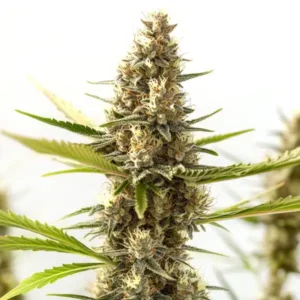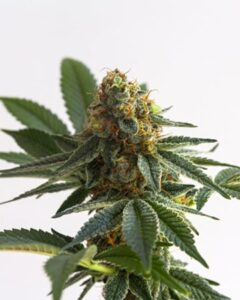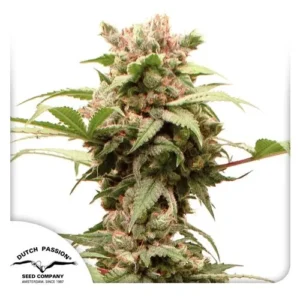
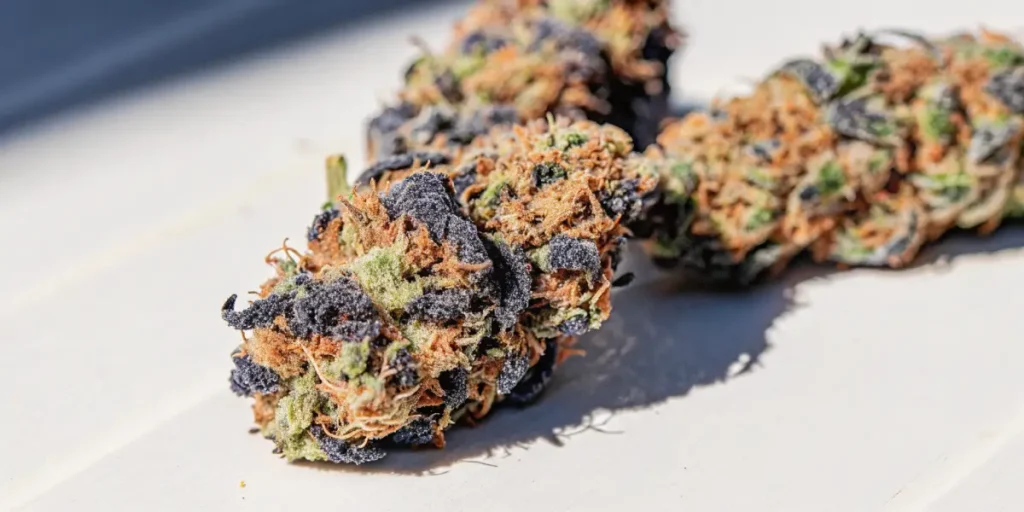

Meringue is a Dutch Passion dessert strain with a sweet, fruity flavor and genuinely high potency. Bred from Wedding Cake x Animal Cookies, it is a balanced 50/50 hybrid at 20-25% THC that pairs a euphoric head with full-body relaxation. A quick 8-week flowering time, a manageable size, and good yields make it an easy, rewarding grow for flavor chasers.
This is a photoperiod feminized strain, so it flowers when you shorten the light cycle. The figures below are Dutch Passion breeder values; check your own pack for the exact numbers.
Recommended Strains

Meringue

|
THC | 20% - 25% (High) |

|
Lineage | Wedding Cake X Animal Cookies |

|
Type | Feminized |

|
Height | 4.92 ft | 1.5 m |

|
Yield | Medium |

|
Yield Indoor | 1.31 - 1.47 oz/ft² | 400 - 450 g/m² |

|
Yield Outdoor | 21.16 oz/plant | 600 g/plant |

|
Flowering Time | 8 weeks |

|
Phenotype | 50% Indica / 50% Sativa |

|
Effects | Creative, Euphoric, Happy, Relaxed |

|
Flavors | Citrus, Fruity, Pine, Sweet, Tropical |
Dos Si Dos Auto
|
|
THC | 22% - 23% (Medium) |
|
|
Lineage | Dos Si Dos x BF Super Auto #1 |
|
|
Type | Autoflowering |
|
|
Height | 3.94 ft | 1.2 m |
|
|
Yield Outdoor | 9.88 - 12.35 oz/plant | 280 - 350 g/plant |
|
|
Life Cycle | 9 - 11 weeks |
|
|
Phenotype | 65% Indica / 35% Sativa |
|
|
Effects | Powerful, Energetic |
|
|
Flavors | Lemon, Fruity, Sweet |
Meringue Grow Info
| Trait | Meringue (Dutch Passion) |
| Genetics | Wedding Cake x Animal Cookies |
| Seed type | Feminized (photoperiod) |
| Genetic profile | 50% indica / 50% sativa (balanced) |
| THC | 20-25% (high) |
| Flowering time | 8 weeks |
| Height | About 1.5 m |
| Indoor yield | 400-450 g/m² |
| Outdoor yield | Up to 600 g per plant |
| Effects | Euphoric, happy, creative, relaxed |
| Flavor | Sweet, citrus, fruity, tropical, pine |
These are Dutch Passion’s published figures for the Meringue line at Growlantis. When you need an exact THC percentage, height, or yield, check the specification on your own Meringue seed pack.
What Makes Meringue Worth Growing
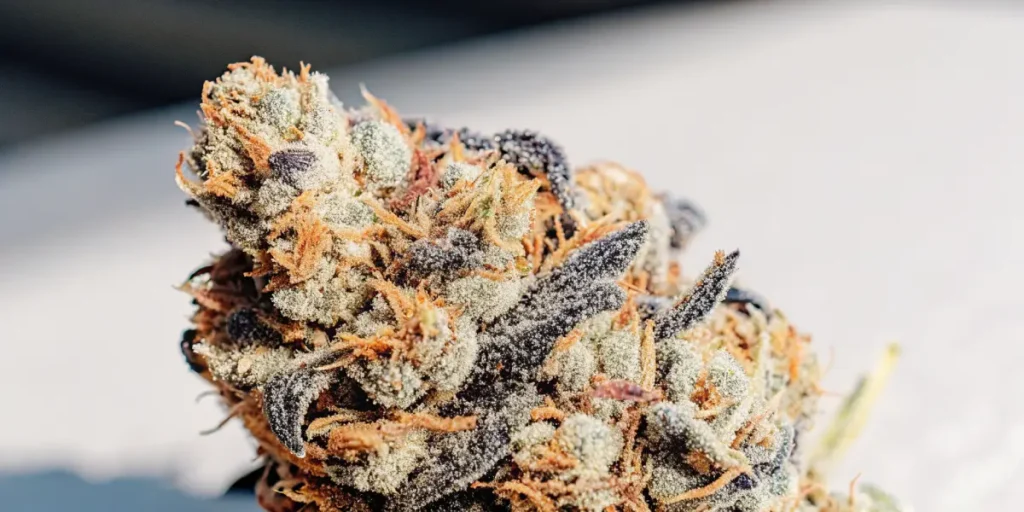
Meringue is a flavor-first strain that does not skimp on strength or speed. The Wedding Cake and Animal Cookies parents give it a sweet, citrusy, tropical taste with a dessert richness, and at 20-25% THC it delivers a full, lasting high rather than a mild one. The 8-week flower keeps the wait short.
The effect is balanced, as you would expect from a 50/50 hybrid: a euphoric, creative, mood-lifting start that settles into a comfortable full-body relaxation. That makes it flexible, good for daytime creativity or an evening wind-down, and its manageable size and solid yields make it as practical as it is tasty.
Is Meringue Indica or Sativa?
Meringue is a balanced hybrid, listed at 50% indica and 50% sativa, so it does not lean firmly either way.
That balance shows in the plant and the high. The plant is a medium, trainable bush that is easy to keep in a tent, while the effect pairs a clear, euphoric head from the sativa side with a relaxing body note from the indica side. It is a versatile all-rounder rather than a one-note strain.
Flowering Time and Total Grow Time
Because Meringue is a photoperiod strain, two timing numbers matter, and they are not the same.
- Flowering time: 8 weeks. This is a short bloom stage, and it starts only when you switch the lights to 12/12 indoors, or the outdoor days shorten in late summer.
- Total grow time (seed to harvest): flowering plus your veg period. Veg length is yours to set, so a typical indoor run from seed lands around 12-14 weeks depending on how long you veg.
The practical point is that the 8-week figure is the flowering window, not the whole grow. You decide the veg length, and that is the main lever for final plant size.
Does Meringue Need a 12/12 Light Cycle?
Yes. Meringue is a photoperiod strain, so indoors it needs a 12/12 light cycle to start flowering. You veg it under a longer schedule, usually 18/6, then switch to 12 hours on and 12 off to trigger bloom.
Outdoors the season does this for you, with flowering starting as the days shorten in late summer. This is the key difference from an autoflower, which blooms on age no matter the light schedule.
Meringue Grow Timeline, Week by Week
Veg length is up to you, so the flowering weeks are the fixed part. Adjust the start to suit your space.
- Weeks 1-2: germination and seedling. The taproot and first leaves establish. Keep water light and conditions stable.
- Weeks 3-5: vegetative growth. The plant builds a bushy frame. Top it and start LST or a SCROG net to spread the canopy.
- Flip to 12/12: switch the light cycle at about two thirds of your target height, to leave room for the stretch.
- Flower weeks 1-3: the stretch and first pistils.
- Flower weeks 4-6: buds fill in and the sweet citrus and tropical aroma builds.
- Flower weeks 7-8: ripening and harvest. Judge by the trichomes, not the day count.
Choosing Your Setup: Space, Light and Pots
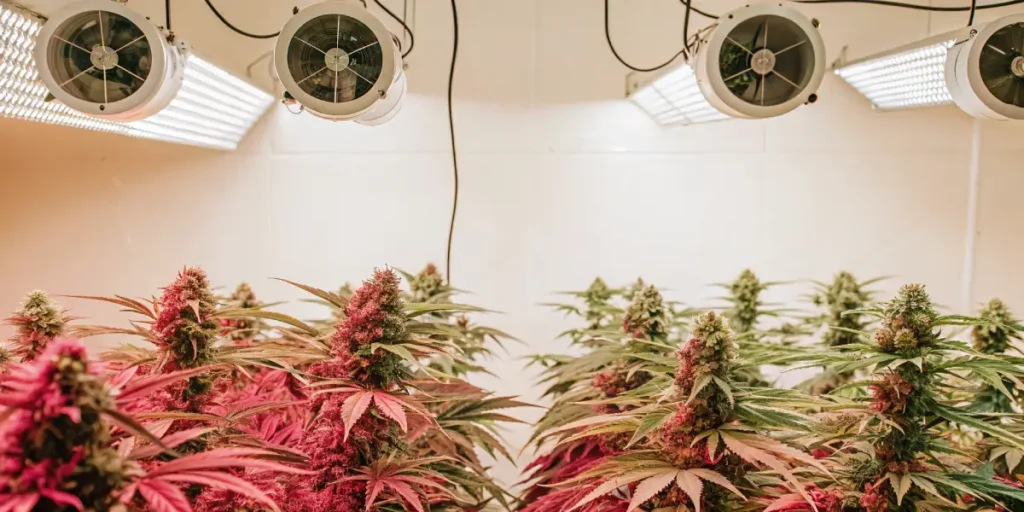
Meringue is easy to house. At around 1.5 m it suits a standard tent with a short veg, and its balanced structure takes well to SCROG and LST that flatten the canopy and lift the yield.
Light should be strong to support the potent, resinous flowers. A full-spectrum LED at 30-40 watts per square foot over a trained canopy gets the most from the plant. Pair it with good exhaust and airflow through the flowering weeks.
For containers, use 3-5 gallon pots indoors, or larger fabric pots and open ground outdoors where it can reach a bigger size and yield. As a photoperiod, it transplants fine, so you can pot up as it grows.
Germinating and Raising Seedlings
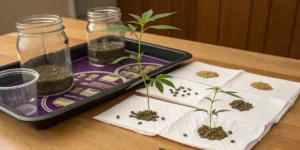
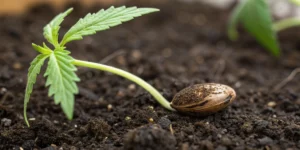
The paper towel method is the easy, reliable start. Soak the seeds for 12-24 hours, then set them between damp paper towels on a covered plate, kept dark and warm at 70-85°F (21-29°C). A taproot usually shows in two to three days.
When the root reaches about 1-2 cm, plant it root-down a knuckle deep in a light, airy mix and keep the surface moist until it breaks ground. New to germination? Our beginner growing guides walk through it step by step.
The Vegetative Stage and Training
Because Meringue is a photoperiod plant, you can veg as long as you like and use the full training toolkit, which autoflowers cannot handle.
Top it early to build multiple colas, then use LST or a SCROG net to spread the branches into a flat, even canopy. On a potent, resinous hybrid, an open canopy gets light to the lower buds and lifts the overall yield. Keep nitrogen available through veg, and plan for a moderate stretch in the first couple of weeks after you flip to 12/12.
Feeding and Watering Meringue
Feed to the plant’s vigor. Meringue is a healthy, productive hybrid, so it takes a solid bloom schedule, but build it up gradually and read the leaves rather than chasing the bottle. Use a nitrogen-forward base through veg, then shift to a bloom formula higher in phosphorus and potassium once you flip to 12/12.
Water by root-zone moisture. Demand climbs through late veg and the flowering stretch, so let the top layer dry between waterings to keep oxygen at the roots, and expect a trained plant to drink more as the buds fill out.
Flowering and Knowing When to Harvest
After the flip, the plant stretches for two to three weeks, then settles into bud production. The sweet, citrusy, tropical aroma builds through the middle weeks, so run a carbon filter indoors and keep air moving around the developing colas.
As the 8-week window closes, let the trichomes decide. Harvest when most are cloudy with a few amber for the fullest effect. After the cut, hang the branches in the dark at about 60°F (15-16°C) and 55-60% humidity for 7-14 days, then cure in jars, burping daily for the first weeks to protect that sweet dessert flavor.
Growing Indoors vs Outdoors
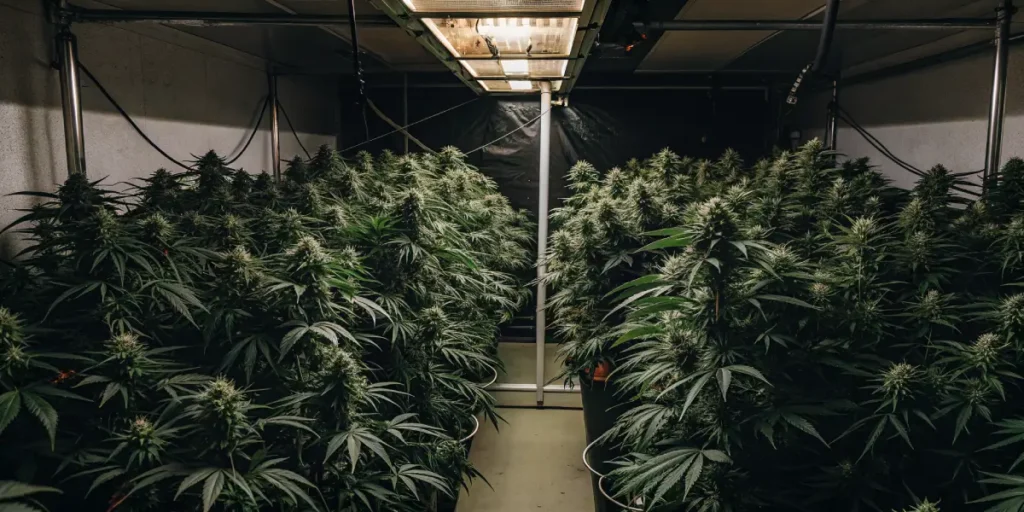
Indoors, the manageable height and training-friendly structure make Meringue straightforward. Keep a flat canopy under strong light and a short veg, and the 400-450 g/m² indoor yield is reachable.
Outdoors, Meringue thrives in mild, sunny climates and can return up to 600 g per plant, finishing by early to mid autumn with its short flowering time. Plant after the last frost, give it full sun and a good root run, and support the branches as the colas get heavy.
How Tall and How Much? Height and Yield
Height is easy to manage. At around 1.5 m, Meringue suits indoor tents with a short veg, and you can keep it tighter by topping and flipping to 12/12 earlier. Outdoors it has room to grow larger.
On yield, it is a solid producer: 400-450 g/m² indoors under good light and a trained canopy, and up to 600 g per plant outdoors. Strong light, canopy management, and healthy roots are what move you toward the top of its range.
Best US Climates for Meringue
Meringue does best in mild to warm, sunny climates. Growers in California and the West get easy outdoor finishes with its 8-week flowering and good sun.
The short flowering also suits temperate and northern states, where it can finish before the fall weather turns. In the humid Southeast, keep airflow up and watch the denser buds late in flower. For other varieties, browse our full how-to-grow library.
Common Problems When Growing Meringue
A few predictable issues are easy to avoid.
Flipping to 12/12 too late
Meringue stretches in early flower. If you flip when it is already near your light, the stretch pushes the colas into the lamp. Flip at about two thirds of your target height.
Humidity in resinous buds
The dense, resinous flowers can trap moisture. Keep late-flower humidity down and air moving around the canopy to protect the harvest.
Treating it like an autoflower
This is a photoperiod plant. It will not flower under 18/6 and needs the light switched to 12/12 indoors. If you want a strain that flowers on its own, choose an autoflower instead.
Harvesting too early
The sweet buds look tempting before they are done. The 8-week window and cloudy trichomes are the real signal, so wait for them to protect potency and flavor.
Making the Most of Your Harvest
Do not waste the trim. The resinous sugar leaves make good bubble hash, dry sift, or infused oil that keeps the sweet, fruity flavor. The stems, roots, and fan leaves compost well and feed your next grow.
Is Meringue Right for You?
If you want a sweet, high-THC hybrid that is fast, balanced, and easy to grow, yes. It is potent enough for experienced users, approachable enough for a confident beginner, and tasty enough to be worth the premium seeds. Fans of its flavor family will also like its parent: see our Wedding Cake grow guide.
Frequently Asked Questions
Is Meringue indica or sativa?
Meringue is a balanced hybrid, listed at 50% indica and 50% sativa, bred from Wedding Cake and Animal Cookies. The sativa side gives a clear, euphoric, creative head, while the indica side adds full-body relaxation. In the garden it grows as a medium, trainable, easy-to-manage plant.
Does Meringue need a 12/12 light cycle?
Yes. Meringue is a photoperiod strain, so indoors it needs the light switched to 12/12 to start flowering. You veg it under a longer schedule like 18/6, then flip to 12 hours on and 12 off. Outdoors it flowers naturally as late-summer days shorten.
How long does Meringue take to flower?
Meringue flowers in about 8 weeks, which is short for a strain this potent. That is the bloom stage only, starting once you switch to 12/12. Total time from seed also includes your veg period, usually a few weeks, so plan the overall grow around flowering plus veg.
How much does Meringue yield?
Meringue yields around 400 to 450 g/m2 indoors under strong light and a trained canopy, and up to 600 g per plant outdoors in good conditions. Light intensity, canopy management from training, and healthy roots are the main factors that move the final weight toward the top of its range.
How tall does Meringue grow?
Meringue reaches around 1.5 m, which is manageable for an indoor tent, especially with a short veg. You can keep it tighter by topping and flipping to 12/12 earlier, or give it more veg and open ground outdoors to grow a larger, higher-yielding plant.
How strong is Meringue?
Meringue is a high-potency strain at 20 to 25% THC, so it suits experienced users and should be approached carefully by beginners. The effect is balanced: a euphoric, creative head that settles into full-body relaxation, which makes it flexible for both daytime use and an evening wind-down.
Can you clone Meringue?
Yes. As a photoperiod strain, Meringue clones well, unlike autoflowers. Take cuttings from a healthy plant during veg, root them, and keep them under long light until you are ready to flower. Cloning lets you keep a favorite sweet, high-THC phenotype and skip germination on your next run.