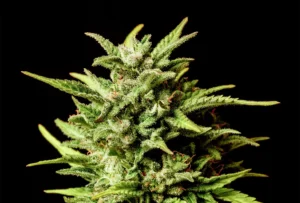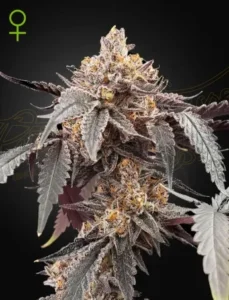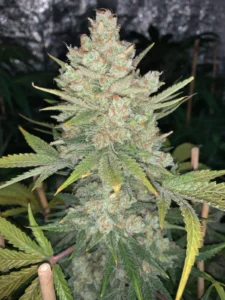

Mimosa Dream is a balanced, feminized photoperiod hybrid with a citrusy-sweet flavor and an even, refreshing effect. A Kannabia line crossing Clementine with Purple Punch, it carries a moderate 19-20% THC. At a 5.25 ft frame, a big yield, and an 8-10 week bloom, the Mimosa Dream strain suits growers who want a flavorful, resilient plant that resists pests and humidity while producing well indoors and out.
This guide covers the full cycle for Mimosa Dream from Kannabia, sold through Growlantis, from germination to the cure. The figures below follow the Mimosa Dream datasheet; always check the spec sheet of your specific pack, since cannabinoid content varies between plants.
Recommended Strains
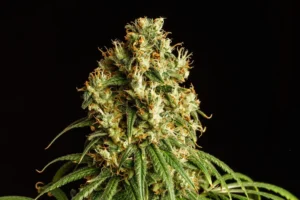
Mimosa Dream

|
Type | Feminized |

|
THC | 19% - 20% (Medium) |

|
Lineage | Clementine x Purple Punch |

|
Phenotype | 50% Indica / 50% Sativa |

|
Effects | Balanced |

|
Flavors | Citrus, Fruity |

|
Flowering Time | 8 - 10 weeks |

|
Yield | High |

|
Yield Indoor | 1.64 - 1.8 oz/ft² | 500 - 550 g/m² |

|
Yield Outdoor | 22.93 - 24.69 oz/plant | 650 - 700 g/plant |

|
Height | 5.25 ft | 1.6 m |

Mimosa Strain
|
|
Type | Feminized |
|
|
THC | 21% - 22% (Medium) |
|
|
Lineage | Clementine x Purple Punch |
|
|
Phenotype | 30% Indica / 70% Sativa |
|
|
Effects | Creative, Giggly |
|
|
Flavors | Earthy, Sour |
|
|
Flowering Time | 9 - 10 weeks |
|
|
Yield | Medium |
|
|
Yield Indoor | 1.15 - 1.31 oz/ft² | 350 - 400 g/m² |
|
|
Yield Outdoor | 17.64 - 19.4 oz/plant | 500 - 550 g/plant |
|
|
Height | 2.95 ft | 0.9 m |
Mimosa Dream at a Glance
| Trait | Mimosa Dream |
| Lineage | Clementine x Purple Punch |
| Type | Feminized photoperiod, balanced hybrid |
| THC | 19-20% (medium) |
| Flowering time | 8-10 weeks |
| Height | 5.25 ft (160 cm) |
| Yield indoor | 1.64-1.80 oz/ft2 (500-550 g/m2) |
| Yield outdoor | 22.93-24.69 oz (650-700 g) per plant |
| Effects | Balanced |
| Flavors | Citrus, fruity |
The draw here is a bright citrus flavor and a big, resilient harvest. At 19-20% THC, Mimosa Dream is a moderate, balanced strain, and the citrusy-sweet profile from its Clementine and Purple Punch parents is the signature. The plant resists pests and humidity well, and the strong yield makes it productive both indoors and out.
Is Mimosa Dream Indica or Sativa?
Mimosa Dream is a balanced hybrid, crossing the sativa-leaning Clementine with the indica Purple Punch. The effect is even and refreshing, neither racy nor sedating, which makes it versatile across the day. The plant grows to a moderate-tall, vigorous frame of about 5.25 ft, so some height control and training help keep the canopy level and the big yield even indoors.
THC and Effect
Mimosa Dream carries 19-20% THC, a moderate level that reads clear and balanced. The effect is even and refreshing, a well-rounded feel that suits most of the day rather than a one-note high. The flavor is the draw: bright citrus with a fruity sweetness, drawn from its Clementine and Purple Punch parents. The moderate strength keeps it approachable for most users.
Height, Yield, and Indoor vs Outdoor
Mimosa Dream grows to a moderate-tall 5.25 ft (160 cm), so plan some height control indoors.
- Indoors, expect a strong 1.64-1.80 oz/ft2 (500-550 g/m2); top early and run a screen or low-stress training to keep the frame level.
- Outdoors, a single plant returns a big 22.93-24.69 oz (650-700 g) with full sun, a long season, and room to stretch. The pest and humidity resistance helps in less-than-perfect weather.
Germinating and Growing Mimosa Dream
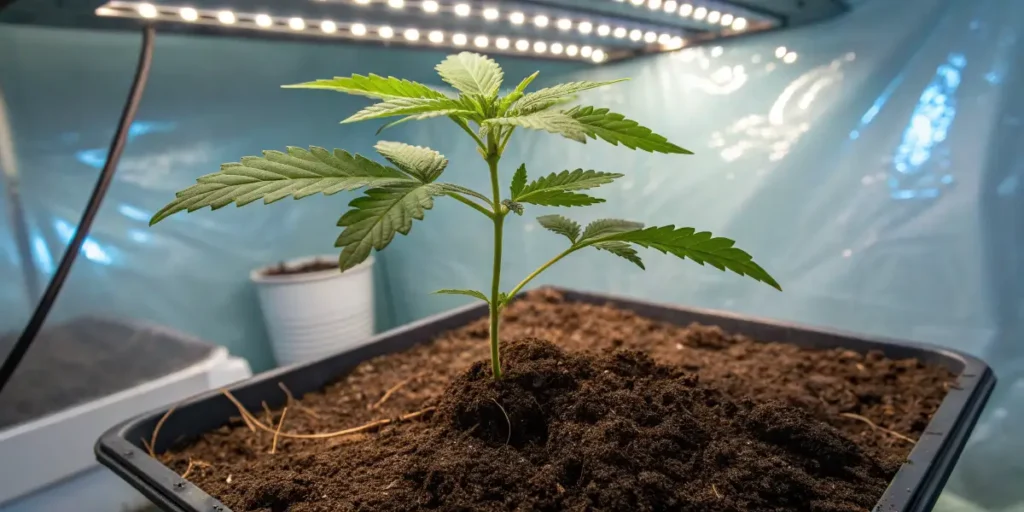
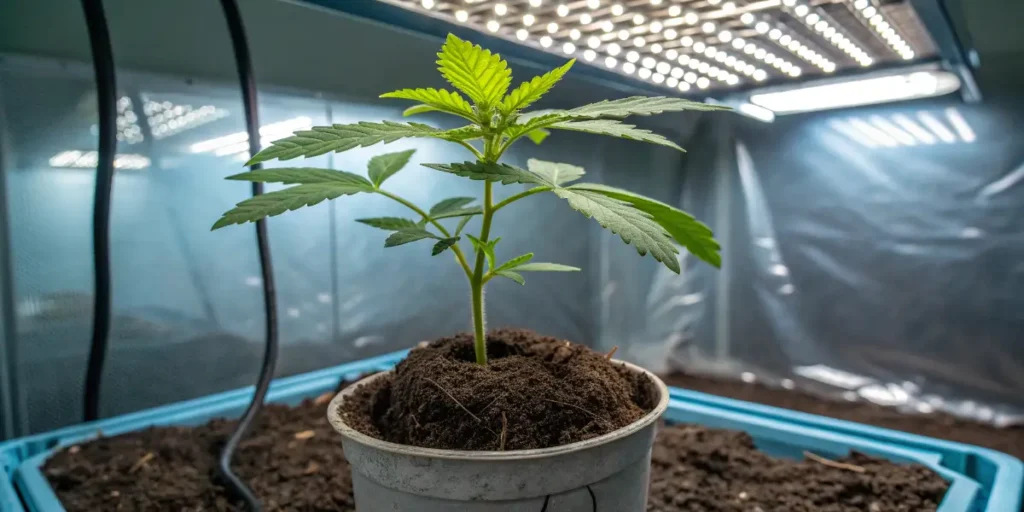
As a photoperiod plant, Mimosa Dream veg time is under your control, so you set the final size before flipping to bloom.
- Germination (days 1-3): Use the paper-towel method at 70-79 F, then plant half an inch deep in light, well-draining soil, taproot down, in a 3-5 gallon container.
- Vegetative (4-6 weeks): Run 18 hours of daily light. Top above the fourth node and apply low-stress training to spread the canopy before the flip.
- Pre-flip: Flip when plants reach about half their target height, since they stretch after the switch.
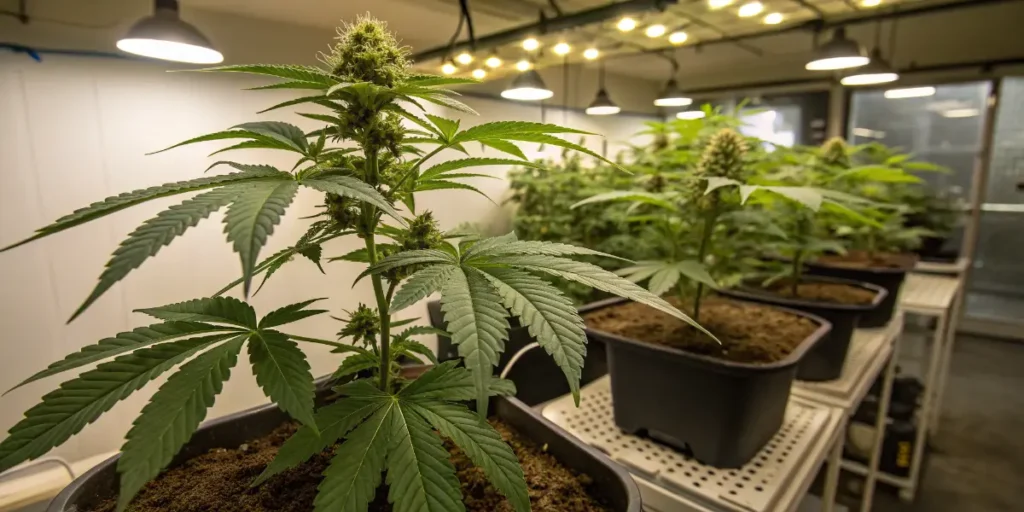
Flowering and Harvest of Mimosa Dream
- Weeks 1-2 of bloom: Switch to a 12/12 light cycle to trigger flowering. The plant stretches, then settles as pistils form.
- Weeks 3-8: Buds fill in and the citrus aroma builds, often with colourful tones from the Purple Punch side where nights run cool. Hold humidity around 40-45% and keep airflow steady.
- Harvest (8-10 weeks): Check trichomes from week 8. Harvest when most are cloudy for the balanced, refreshing effect.
Flowering Time vs Full Grow Time
These two numbers are easy to confuse. The flowering time is 8-10 weeks, measured from the 12/12 flip to harvest. The full grow time is longer because Mimosa Dream is a photoperiod plant: you add your vegetative stage on top, usually 4-6 weeks, for a total of roughly 12-16 weeks from seed to harvest. Unlike an autoflower, you decide how long to veg, which sets the plant’s final size.
Light Cycle: Does Mimosa Dream Need 12/12 to Flower?
Yes. Mimosa Dream is a photoperiod strain, not an autoflower, so it flowers only when the daily light drops to 12 hours. Keep it under 18 hours of light to stay in vegetative growth, then switch to a 12/12 schedule when you are ready to bloom. Outdoors, the shortening days of late summer trigger flowering naturally.
Best US Climates for Mimosa Dream
Mimosa Dream is a resilient, high-yielding hybrid that rewards a warm, sunny season outdoors.
- Warm, long-season regions (California, Southwest, Gulf Coast): ideal for the big outdoor yield and the citrus profile.
- Temperate states (Mid-Atlantic, Pacific Northwest, Midwest): workable outdoors with a timely late-summer flip, or grown indoors where you control the schedule.
- Humid areas: a real strength here, since the plant resists humidity and pests; good airflow still helps.
- Indoors anywhere: productive, provided you manage the height and spread the canopy.
Feeding and Watering
Mimosa Dream is a vigorous, high-yielding plant that feeds well, so build strength up steadily. Keep nitrogen steady through veg, then move to a phosphorus- and potassium-forward bloom feed after the flip to support the big buds. Water deeply once established and let the medium dry on top between rounds. Finish with 10-14 days of plain water to keep the citrus flavor clean.
Common Problems When Growing Mimosa Dream
Managing the height
At about 5.25 ft, Mimosa Dream stretches after the flip. Top early and run a screen or low-stress training to keep the canopy level, especially in a short tent.
Supporting the harvest
The big yield can weigh branches down late in bloom. Add light stakes or a net so the heavy colas stay supported.
Feeding for flavor
Mimosa Dream’s citrus flavor comes through best with a clean finish. Avoid overfeeding late in bloom and flush with plain water in the final two weeks.
Mimosa Dream in the Catalog
Mimosa Dream is a Kannabia hybrid built from Clementine and Purple Punch, prized for its citrus flavor and resilient, high-yielding growth. The same cross appears as the Mimosa from Royal Queen Seeds, a slightly more compact take on the line. Browse more in the catalog’s feminized cannabis seeds. Specs can vary between packs, so confirm the exact pack before planning your grow.
Frequently Asked Questions
How long does Mimosa Dream take to flower?
Mimosa Dream has a flowering time of 8-10 weeks from the 12/12 flip. Because it is a photoperiod plant, you add your veg stage on top, so the full seed-to-harvest cycle usually runs about 12-16 weeks depending on how long you choose to vegetate before flipping the lights to bloom.
Does Mimosa Dream need a 12/12 light cycle?
Yes. Mimosa Dream is a photoperiod strain, so it flowers only when daily light drops to 12 hours. Keep it under 18 hours to stay in veg, then switch to 12/12 to bloom. Outdoors, the shortening days of late summer trigger flowering. There is no autoflower version, so the light switch is required.
Is Mimosa Dream indica or sativa?
Mimosa Dream is a balanced hybrid, crossing the sativa-leaning Clementine with the indica Purple Punch. The effect is even and refreshing, neither racy nor sedating, and the plant grows to a moderate-tall, vigorous frame, so plan some height control and support for the big yield indoors.
How much does Mimosa Dream yield?
Indoors, Mimosa Dream returns a strong 1.64-1.80 oz/ft2 (500-550 g/m2) with good canopy management, and a single outdoor plant can produce a big 22.93-24.69 oz (650-700 g) with full sun, a long season, and support for the branches as they fill out.
What does the Mimosa Dream strain taste like?
Mimosa Dream has a bright citrus flavor with a fruity sweetness, drawn from its Clementine and Purple Punch parents. It is a zesty, orange-forward profile with a soft sweet edge, and it comes through best when the plant is flushed well in the final weeks and cured patiently after harvest.