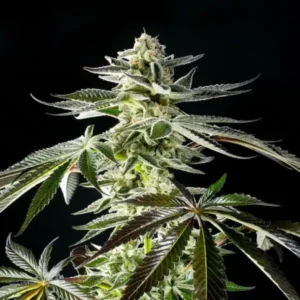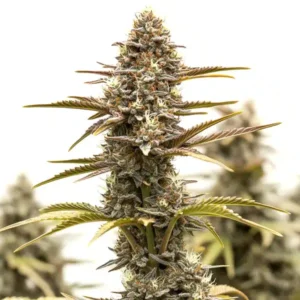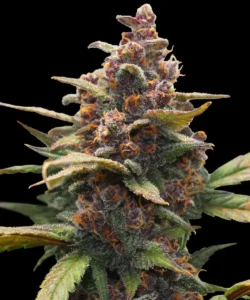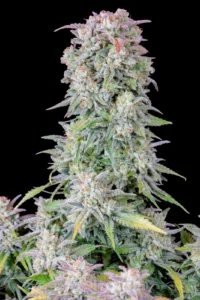
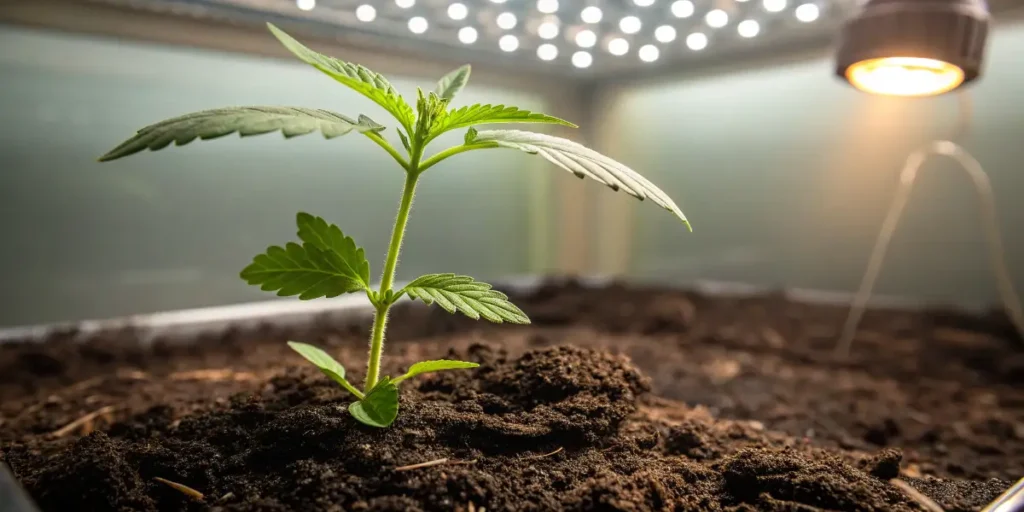

To start cultivating Purple Kush, select a growing medium that suits your indoor or outdoor environment. This variety thrives in a controlled setup, making it ideal for indoor cannabis growers. The plant prefers a stable climate with temperatures between 65-75°F and a humidity level of around 50%. Germinate seeds under optimal conditions to ensure strong initial growth and development.
During the vegetative stage, provide the plant with ample light 18 hours a day is ideal. Nutrients are crucial during this period, so use a balanced fertilizer to support vigorous growth. Pruning this cultivar encourages better airflow and light penetration, leading to healthier branches. By doing so, you boost the chance of a high-yielding harvest with dense buds rich in terpenes.
Recommended Strains
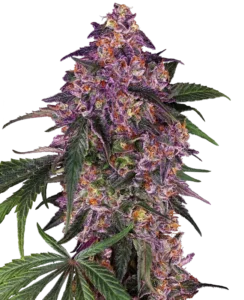
Sensi Purple Kush

|
THC | 18% - 24% (High) |

|
Lineage | Hindu Kush x Purple Afghani |

|
Type | Feminized |

|
Height | 4.92 ft | 1.5 m |

|
Yield | High |

|
Yield Indoor | 1.31 - 1.8 oz/ft² | 400 - 550 g/m² |

|
Flowering Time | 8 - 9 weeks |

|
Phenotype | 75% Indica / 25% Sativa |

|
Effects | Sleepy, Hungry, Relaxed |

|
Flavors | Grape, Hashish, Earthy, Spicy |
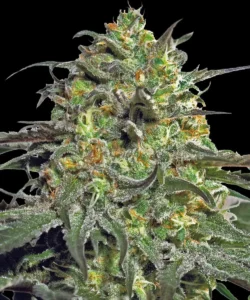
Peyote Cookies
|
|
THC | 26% - 27% (High) |
|
|
Lineage | Peyote Purple Strain x Cookies Kush Strain |
|
|
Type | Feminized |
|
|
Height | 5.25 ft | 1.6 m |
|
|
Yield | High |
|
|
Yield Indoor | 1.47 - 1.64 oz/ft² | 450 - 500 g/m² |

|
Yield Outdoor | 24.69 - 28.22 oz/plant | 700 - 800 g/plant |
|
|
Flowering Time | 8 - 9 weeks |
|
|
Phenotype | 95% Indica / 5% Sativa |
|
|
Effects | Relaxed, Powerful, Hungry, Euphoric, Happy |
|
|
Flavors | Tropical, Sweet, Earthy, Nutty, Vanilla, Coffee |
As this variety enters the flowering phase, reduce light exposure to 12 hours daily. Monitor humidity closely to prevent mold and disease, keeping it around 40%. Over a flowering period of about 7-9 weeks, Purple Kush develops its characteristic purple-tinged buds. Harvest the plant when trichomes are milky for peak potency. Proper curing will enhance flavors and overall yield, culminating in a satisfying cultivation experience.
Purple Kush Strain Overview: Traits, Effects & Genetics
The Purple Kush strain is a classic in cannabis cultivation, renowned for its vibrant purple buds and potent effects. Originating from pure indica genetics, this variety is a favorite among growers seeking a robust plant with high yields. Its compact structure makes it ideal for indoor cultivation, where growers can maximize its yield by employing specific growing techniques.
This strain stands out with its unique terpene profile, offering a sweet and earthy aroma that captivates the senses. The plant’s dense buds are coated in resin, indicative of its strong lineage. Cultivators appreciate the predictable growth patterns of this cultivar, providing a consistent quality that is ideal for both personal use and commercial harvests.
When consumed, the effects of this variety are profoundly relaxing, providing a sedative impact that is perfect for evening use or stress relief. It is often chosen by users seeking relief from anxiety or insomnia, benefiting from the calming effects that this cultivar delivers. The lasting effects ensure a restful experience without the need for frequent re-dosing.
Genetically, the plant is a cross between Hindu Kush and Purple Afghani, resulting in a resilient strain that is resistant to pests and mold. These genetics equip it to thrive in various environments, making it a versatile choice for both novice and experienced cultivators. With proper care, growers can expect a rewarding yield of resinous buds.
Optimal Environment to Grow Purple Kush Successfully
When cultivating Purple Kush, achieving the right conditions is crucial for thriving plants. This strain flourishes in a controlled indoor environment where temperature and humidity can be kept consistent. Ideal temperatures range from 65 to 75°F, while maintaining humidity levels around 40% to 50% to prevent mold on the buds. Proper ventilation also plays an important role in ensuring the plant’s health.
Lighting is a pivotal factor in the successful cultivation of this variety. A schedule of 18 hours of light and 6 hours of darkness during the vegetative stage helps maximize growth. Transitioning to a 12/12 light cycle encourages flowering. Full-spectrum LED lights or high-pressure sodium lights are recommended to provide sufficient energy for robust development and terpene production.
Soil quality greatly influences the yield and health of this cultivar. Rich, well-draining soil with a pH level of 6.0 to 6.5 supports optimal nutrient uptake. Mixing in organic matter, such as compost or worm castings, can boost soil fertility. Regular feeding with a balanced nutrient solution during the growth stages ensures the plant receives necessary elements for robust buds.
Watering practices are equally vital in achieving a successful harvest with the plant. Avoid overwatering by allowing the topsoil to dry out slightly between watering sessions. Consistent watering promotes strong root development and minimizes stress. The addition of a proper irrigation system can help manage moisture levels and maintain ideal conditions for Purple Kush, resulting in a bountiful and aromatic yield.
Grow Room Setup for Purple Kush Plants
Creating an optimal grow room environment is essential for cultivating this strain successfully. Begin by ensuring adequate space, as this variety benefits from ample room to fully develop. Consider using reflective materials on walls to maximize light exposure, as proper lighting is crucial to enhance the quality of the buds and overall yield. Efficient air circulation is vital to maintain consistent temperature and humidity levels for this cultivar.
When setting up lighting, choose high-quality LED or HID systems to support the plant’s growth stages. It thrives under a 12-12 light schedule during flowering, which promotes the development of its renowned dense, potent buds. Balancing the light intensity and distance is crucial to prevent stressing this variety, which can affect the health and terpene profile of the plant.
Temperature and humidity are critical factors for the successful cultivation of this genetics. Aim to maintain a temperature range of 70-80°F during the day and slightly cooler at night. Humidity should be kept around 40-50% during the flowering phase to minimize mold risk. Using a hygrometer and thermostat can help monitor and adjust these conditions effectively for the plant.
Consider soil composition and container size in your grow room setup. Purple Kush thrives in well-draining soil with a pH range of 6.0 to 7.0. The use of larger containers allows for more root expansion, aiding the growth process. Regularly check nutrient levels to ensure the plant receives the necessary feeds to produce healthy and potent cannabis at harvest.
Indoor Growing Tips for Purple Kush
When cultivating this strain indoors, controlling the environment is crucial for optimal growth. This variety thrives with a consistent temperature range of 65-80°F and humidity levels between 40-50%. Adequate ventilation and air circulation should be maintained to prevent mold on the buds, ensuring the plant reaches a successful harvest with enhanced terpene profiles and flavor.
Providing ample light is essential for the development of this cultivar. Using LED or HID lights can simulate the outdoor sun, promoting vigorous growth and full-bodied buds. Ensure that the plant receives about 18 hours of light during its vegetative phase, gradually reducing to 12 hours to initiate flowering, leading to increased yield and potency.
Regularly monitoring and adjusting the growing medium’s pH is vital for successful cannabis cultivation. Aim for a pH of 5.8-6.5 to allow the roots to absorb nutrients efficiently. This attention to detail, paired with a balanced feeding schedule, will ensure the plant thrives, producing resin-rich buds that reflect its genetic potential, pleasing both novice and experienced growers.
Outdoor Growing Tips for Purple Kush
To optimize the cultivation of this strain outdoors, choose a location with full sun exposure. This strain thrives in a warm climate, where it can receive ample sunlight throughout the day. Utilize nutrient-rich soil to ensure the plant develops strong roots and healthy foliage. Regularly check the soil’s pH level, aiming for a slightly acidic environment for optimal growth.
It’s essential to maintain consistent watering for this variety, keeping the soil moist but not waterlogged. Implementing a drip irrigation system can help achieve this balance efficiently. Additionally, ensure adequate air circulation around the plant to prevent mold and pest infestations, which could otherwise hinder its yield and affect the quality of the buds.
When cultivating this cultivar, timing the harvest is crucial for maximizing its terpene profile and potency. Monitor the trichomes closely as the growing season progresses, and plan to harvest when they transition from clear to milky. This timing will enhance the plant’s aromatic qualities and ensure a robust cannabinoid content, offering a bountiful and rewarding yield.
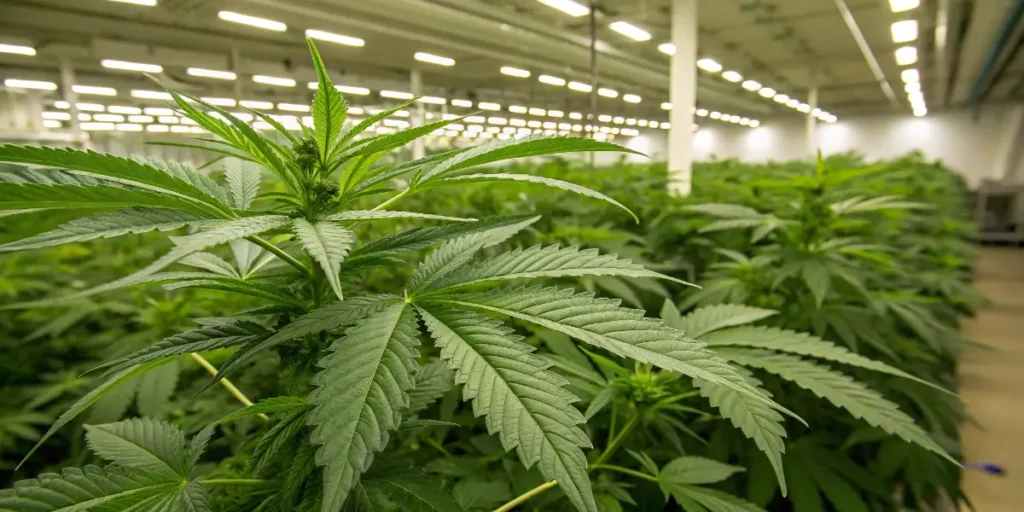
How to Germinate & Propagate
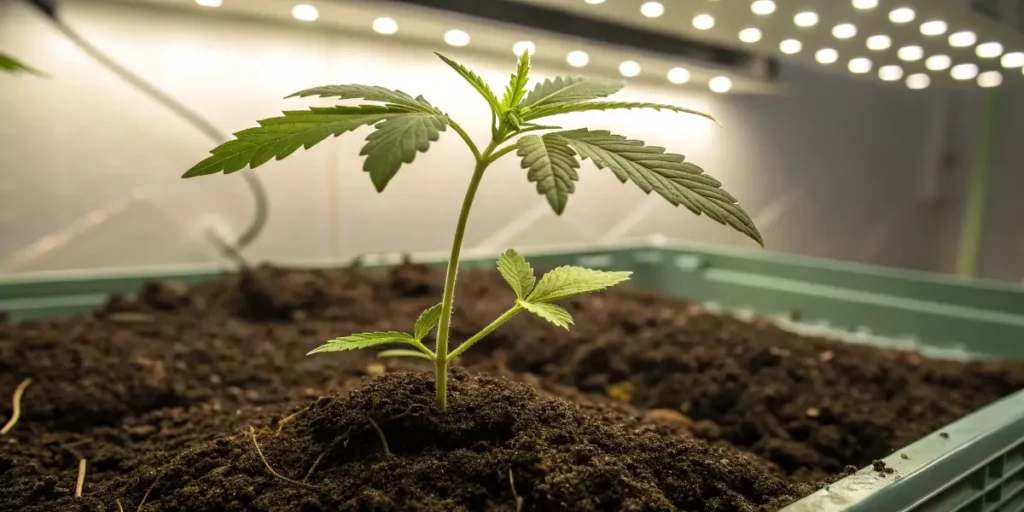
To successfully germinate this cultivar, begin by selecting quality seeds from a trusted source. Soak the seeds in room temperature water for 24 hours to encourage healthy sprouting. After soaking, place them between moist paper towels. Ensure a consistent, warm environment of 70-85°F. Using this approach promotes a robust start as the plant emerges from its seed casing.
Once the seeds of this strain have sprouted, you can transfer them to small pots filled with a light, airy seedling mix. Keep the soil moist but not waterlogged to prevent root rot. Use a humidity dome or a plastic cover to maintain a humid environment, which aids in developing strong roots and supports early cannabis growth.
For propagation, growers can take healthy cuttings from established Purple Kush plants. Choose branches with at least three nodes and remove the lower leaves, dipping the cut end in rooting hormone. Plant these cuttings into growing medium under a humidity dome. Maintain consistent lighting and moisture for successful propagation of this variety.
Monitoring temperature and humidity is crucial for both germinating seeds and propagating cuttings. The ideal conditions ensure the plant’s genetic potential can be fully realized, resulting in a productive growth cycle. By following these guidelines, cultivators can look forward to a bountiful harvest of resinous buds rich in distinctive terpenes and an aromatic yield.
Vegetative Stage: Nurturing Your Purple Kush Plants
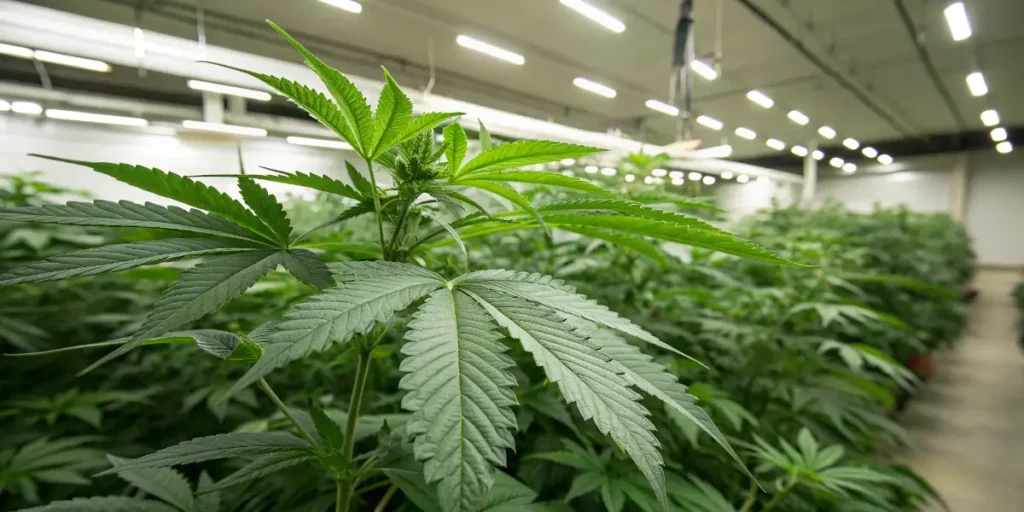
During the vegetative stage, it is crucial for cannabis growers to focus on setting a solid foundation for healthy Purple Kush plants. Providing ample light is necessary for photosynthesis, which supports vigorous growth. Typically, a lighting schedule of 18 hours on and 6 hours off is recommended. This will ensure the plant develops a robust structure capable of supporting future bud production.
This strain thrives when given adequate nutrients during this phase. Growers should focus on nitrogen-rich fertilizers to enhance leaf development. Regularly check and adjust the pH level of the soil or nutrient solution to ensure it remains in the optimal range. Keeping a balanced environment is key to unlocking the full potential of this variety, maximizing yield in the long run.
Ensuring ample air circulation is another essential factor when cultivating this cultivar. Utilize fans to help strengthen stems and prevent mold and mildew. This is especially crucial in indoor setups where air movement may be limited. Regular pruning and trimming can also encourage the growth of multiple budding sites, resulting in a more plentiful harvest.
The vegetative stage is a time to establish a strong foundation, as it determines the plant’s future success. Monitoring plant health closely for signs of stress or deficiency helps in taking corrective actions promptly. By nurturing it properly, growers can look forward to a bountiful harvest with rich terpenes and impressive yields. These practices pave the way for the flowering stage of Purple Kush.
Flowering Purple Kush: What to Expect
When flowering this strain, growers can expect a blooming period of around 7 to 9 weeks. This variety reaches a medium height, making it manageable for indoor cultivation. As it matures, the plant produces dense buds covered in a thick layer of trichomes, hinting at a rich terpene profile. For those cultivating indoors, proper ventilation is key to maintaining optimal conditions.
During the flowering stage, Purple Kush typically develops vibrant purple hues, a trait that is highly prized among enthusiasts. This cultivar thrives in a stable environment, with consistent temperatures and humidity levels, ensuring its robust growth. Monitoring the pH levels of the soil can further aid in maximizing the plant’s yield, making it a favored choice for diligent growers.
As harvest time approaches, this variety’s buds emit a distinct earthy and grape-like aroma, indicative of its unique terpene composition. Careful attention during this phase can result in a harvest abundant in resinous flowers. It’s crucial to assess trichome color to determine the optimal harvest window, seeking cloudy or amber hues for peak potency and flavor.
Post-harvest, curing plays a vital role in enhancing the quality of the buds from the plant. By allowing the flowers to dry slowly in a controlled setting, growers can preserve terpenes and cannabinoids, ensuring a smooth and flavorful smoking experience. With patience and proper techniques, Purple Kush can offer a rewarding yield for any cultivator.
Fertilizers & Nutrient Schedule
Feeding this strain requires careful attention to its nutrient needs to maximize its growth potential. Known for producing dense, resin-rich buds, the plant thrives with a balanced nutrient schedule. Growers should start with a nitrogen-rich fertilizer during the vegetative stage, as this helps build strong, healthy foliage integral to cannabis cultivation.
As the plant transitions into flowering, the nutrient demands shift. This variety benefits from reduced nitrogen but an increase in phosphorus and potassium to support bud development. Implementing a specialized flowering fertilizer can enhance terpene profiles and increase yield significantly. Regular monitoring and adjusting of nutrient levels are crucial during this stage to ensure optimal growth conditions.
To avoid nutrient burn or deficiencies, maintain a pH level between 6.0 and 6.5 in the soil. This ensures nutrient availability for the cultivar and supports efficient uptake. Regular flushing with clean water can also help prevent salt buildup, which could hinder Purple Kush’s overall performance. Tailoring the feeding schedule to the growth phase is key to successful cultivation.
Supplementing with micronutrients like calcium and magnesium can fortify the plant’s structural integrity. Purple Kush thrives under a regimen that includes these essential elements, which can improve resilience and optimize the harvest. With these guidelines, growers can produce a potent and aromatic crop, showcasing the best this genetics has to offer.
Pest and Disease Prevention for Healthy Cannabis Plants
Ensuring your cannabis plants remain healthy and free from pests and diseases is vital for a successful harvest. This strain thrives when given the right care, so regular monitoring is key. Employing natural predators such as ladybugs can help manage unwanted insects. Additionally, maintaining proper humidity levels in your grow space minimizes the risk of mold and mildew on the buds.
Purple Kush, known for its rich terpene profile, requires a proactive approach to keep it flourishing. Rotate your crops to break pest cycles and use organic, cannabis-friendly pest control methods when necessary. Neem oil and insecticidal soaps are effective against a variety of pests without harming the plant’s delicate ecosystem.
When cultivating this variety, it’s equally important to maintain cleanliness in your grow area. Diseased plant material should be removed promptly to prevent contagion. Additionally, ensuring adequate air circulation around each plant can drastically reduce the occurrence of disease. Consistent vigilance helps growers optimize plant health, leading to a bountiful yield.
Harvesting & Drying Purple Kush the Right Way
For cannabis growers eager to achieve optimal results, recognizing the correct time to harvest is crucial. When cultivating this strain, look for milky-white trichomes and a majority of pistils that have darkened and curled in. This timing ensures the plant’s terpenes and cannabinoids are at their peak, offering maximum potency and the characteristic aroma that this cultivar is renowned for.
Once the optimal time is determined, use clean, sharp scissors to trim the buds carefully, preserving the delicate resin. Avoid damaging the buds to maintain the quality and yield. This variety benefits from being harvested during the cooler part of the day, helping to preserve its terpene profile. Handling the buds gently reduces the loss of valuable trichomes, crucial for potent effects.
Drying is a vital stage in cannabis cultivation. Hang the buds upside down in a dark, well-ventilated space with stable temperatures around 60-70°F and humidity levels of 45-55%. This environment prevents mold growth and preserves the plant’s integrity. The drying process typically takes about 7-14 days, ensuring that the buds are ready for the final curing process.
Once drying is complete, the next key step is curing to enhance the flavor and aroma of Purple Kush. Place the dried buds in airtight glass jars, opening them daily for the first few weeks to allow fresh air exchange. This slow cure process, lasting several weeks, breaks down any remaining chlorophyll, resulting in smoother smoke and richer terpene presence typical of this cultivar.
Purple Kush Strain Type: Indica, Sativa or Hybrid?
Purple Kush is renowned for being a pure indica strain, deeply appreciated by cannabis enthusiasts for its potent effects. This strain originated from a cross between the Hindu Kush and Purple Afghani, providing it with robust indica genetics. Growers favor this variety for its resilience during cultivation and its capacity to produce dense, resin-rich buds that are characteristic of pure indica plants.
Given its pure indica lineage, this cultivar is celebrated for its calming and sedative effects, making it ideal for evening use or relaxation after a long day. The terpene profile of the plant enhances this soothing quality, offering growers a rich, aromatic harvest. Recognizing its indica nature helps cultivators tailor their care approaches to maximize the yield and potency of the buds.
For optimal growth, cultivators prefer environments that replicate its natural, high-altitude habitats, emphasizing the importance of managing temperature and humidity. This strain’s robust genetics result in a reliable yield, especially when provided with adequate nutrients. As a pure indica, it flourishes in controlled environments, making it a prized choice for both indoor and outdoor cannabis growers seeking consistency and quality in their harvests.
Why Grow Purple Kush? Key Benefits for Cultivators
Purple Kush is renowned for its stunning purple buds and rich terpene profile, offering a unique opportunity for cannabis cultivation. This strain is favored for its resilience, making it an ideal choice for both novice and experienced growers. Its ability to thrive in various environments ensures a robust harvest, rewarding cultivators with a plentiful yield of high-quality cannabis.
Growers appreciate this variety for its manageable growth height and relatively fast flowering time. The plant typically finishes flowering within eight weeks, allowing for multiple harvests per season. Additionally, this cultivar is known for producing dense, resinous buds that are rich in cannabinoids, ensuring a potent product that is highly sought after in the marketplace.
Another advantage of cultivating this strain is its euphoric and relaxing effects, making it a favorite among consumers. The unique combination of terpenes contributes not only to its aroma but also enhances the overall experience of its users. By growing Purple Kush, cultivators can provide a top-tier cannabis product that stands out for its distinct qualities and consumer appeal.
Potential Challenges When Growing Purple Kush
Growing this cultivar can be rewarding, yet it presents some difficulties for cultivators. Known for its rich terpene profile and dense buds, this strain requires meticulous care. Ensuring optimal lighting and ventilation is critical, as the plant thrives in stable environments. Beginning growers might struggle with maintaining the precise conditions to achieve maximum yield and potency.
One common challenge with this variety is its susceptibility to mold and mildew, making humidity control essential. During late flower, the plant’s dense buds can trap moisture, so maintaining airflow is crucial. Regularly monitoring the environment and employing dehumidifiers if necessary can mitigate these risks, thus protecting the quality of the harvest.
Feeding regimes for Purple Kush can also pose difficulties, as it demands specific nutrient schedules. Overfeeding can lead to nutrient burn, compromising both the health of the cannabis and its yield. For those cultivating this genetics, it’s recommended to research and adhere to proven feeding schedules, adjusting as needed based on plant response to maintain optimal growth conditions.
Is This Strain Worth Buying? Here’s What You Need to Know
For cannabis enthusiasts considering their next purchase, this strain is a renowned option, celebrated for its distinctive flavor and potent effects. Its dense buds are infused with a rich array of terpenes, contributing to an unforgettable aromatic profile. Purple Kush provides a sedative experience, making it ideal for those seeking relaxation and relief from stress, which enhances its appeal among many consumers.
This variety is relatively easy to cultivate, attracting both novice and experienced growers. When tended to properly, the plant offers a generous yield, rewarding cultivators with bountiful harvests. Its naturally short stature and resistance to common pests make it a viable option for those cultivating cannabis at home. These characteristics ensure that this cultivar remains a staple in many personal gardens.
Purple Kush is a worthy purchase for individuals seeking a strain that combines robust growth with impressive effects. Its popularity in the cannabis market is well-deserved, as it offers a consistent and powerful experience. Whether for cultivation or consumption, this particular genetics is a valuable addition to any enthusiast’s collection, providing both satisfaction in growing and enjoyment in usage.
FAQs
How difficult is it to cultivate Purple Kush for beginners?
Purple Kush is moderately challenging to cultivate, making it ideal for growers who have some experience. This strain thrives with consistent attention to factors such as humidity and temperature. Although the plant responds positively to training techniques like LST and topping, these require the grower to have some skill. With dedication and proper care, even intermediate growers can achieve substantial yields and exceptional results from this cultivar.
What yield can I expect from Purple Kush when grown indoors?
When cultivated indoors, Purple Kush generally yields about 14 ounces per square meter under optimal conditions. This variety thrives in controlled environments where growers can manage factors such as lighting, humidity, and temperature. By implementing techniques such as the Sea of Green (SOG), you can maximize the yield. Consistent care, including routine pruning, will help ensure a bountiful harvest of this strain.
What is the flowering time for Purple Kush?
This strain typically has a flowering period of 7 to 9 weeks. To ensure optimal bud development, maintain stable temperatures and monitor humidity levels closely. Given its relatively short flowering stage, it allows for quicker turnaround times, enabling multiple harvests within a year. Achieving maximum potency requires paying careful attention to the nutrient regimen and environmental conditions during this critical phase for the plant.
What climate is best suited for growing this variety outdoors?
For outdoor cultivation, Purple Kush thrives best in a warm, Mediterranean-like climate. This genetics requires consistent sunshine and relatively low humidity to prevent mold and pest issues. Optimal temperatures should range between 65-80°F (18-27°C). This variety’s natural resilience makes it suitable for slightly cooler climates as well, provided that sudden temperature shifts are avoided during critical growth stages.
What common problems might growers encounter with Purple Kush?
Growers may face challenges such as mold and mildew, especially if this cultivar is grown in overly humid conditions. To combat these issues, ensure proper ventilation and avoid overwatering. The plant can also be susceptible to nutrient burn, so it’s essential to follow a balanced feeding schedule carefully. Regular monitoring will help in promptly identifying and addressing these issues, ensuring healthy plant development.