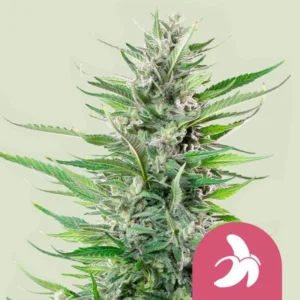


For successful cultivation of Shogun, begin by selecting high-quality seeds and ensuring your growing space is adequately prepared. This variety thrives in both indoor and outdoor environments, but careful monitoring of temperature and humidity is essential. Consistent care and attention will help maximize the plant’s potential, allowing growers to witness the robust growth characteristic of this cultivar.
Providing sufficient lighting is crucial for the healthy development of the plant. When grown indoors, utilize LED or HID lights to mimic natural sunlight, ensuring the buds develop to their full potential. Regular pruning and trimming will encourage airflow and prevent issues such as mold, ultimately contributing to a higher yield when harvest time approaches.
Recommended Strains

Shogun

|
THC | 24% - 25% (High) |

|
Lineage | Amnesia Haze x GG4 |

|
Type | Feminized |

|
Height | 5.58 ft | 1.7 m |

|
Yield | High |

|
Yield Indoor | 1.8 - 1.97 oz/ft² | 550 - 600 g/m² |

|
Yield Outdoor | 22.93 - 24.69 oz/plant | 650 - 700 g/plant |

|
Flowering Time | 9 - 11 weeks |

|
Phenotype | 30% Indica / 70% Sativa |

|
Effects | Calming, Focused, Giggly |

|
Flavors | Citrus, Earthy, Pine |

Critical Kush Strain
|
|
THC | 20% - 21% (Medium) |
|
|
Lineage | Critical x OG Kush |
|
|
Type | Feminized |
|
|
Height | 4.59 ft | 1.4 m |
|
|
Yield | High |
|
|
Yield Indoor | 1.64 - 1.8 oz/ft² | 500 - 550 g/m² |
|
|
Yield Outdoor | 17.64 - 19.4 oz/plant | 500 - 550 g/plant |
|
|
Flowering Time | 8 - 10 weeks |
|
|
Phenotype | 80% Indica / 20% Sativa |
|
|
Effects | Relaxed, Powerful |
|
|
Flavors | Earthy, Fruity, Pine, Pungent |
As you nurture this genetics, pay close attention to nutrient levels and pH balance to promote vibrant growth. Shogun is known for its rich terpene profile, and optimal growing conditions will enhance these aromatic compounds. By the time harvest arrives, your careful cultivation efforts will result in a bountiful yield of high-quality cannabis, ready to be enjoyed.
Shogun Strain Overview: Traits, Effects & Genetics
Shogun is a renowned cannabis strain celebrated for its potent effects and robust genetics. Known for its high THC levels, this variety offers users a powerful cerebral experience, making it popular among both recreational and medical consumers. The buds produced by this plant are dense and coated with a rich layer of trichomes, indicative of its high cannabinoid content and abundant terpenes.
This strain’s genetic lineage is a careful blend of Amnesia Haze and Gorilla Glue #4, resulting in a balanced hybrid known for its resilience in various cultivation environments. Growers appreciate this cultivar not only for its high yield but also for its adaptability to both indoor and outdoor settings. The plant tends to reach a medium height, making it manageable for most setups.
Cannabis enthusiasts often report that this variety induces an uplifting and euphoric sensation, followed by a calming physical relaxation. These effects make it particularly suitable for creative pursuits or unwinding after a long day. Additionally, it may aid in alleviating stress, depression, and pain, adding to its appeal among therapeutic users seeking relief.
To maximize the harvest potential of this genetics, attention should be paid to proper nutrient levels and light exposure during the flowering period. The plant typically flowers within 9-11 weeks, providing a generous yield. With its distinctive traits and robust effects, this cultivar continues to captivate both growers and users alike.
Optimal Environment to Grow Shogun Successfully
When cultivating Shogun, achieving the right environmental conditions is crucial for maximizing yield and potency. This strain thrives in a controlled setting where temperature and humidity can be meticulously managed. Ideal temperatures range between 68-78°F, providing a warm yet stable climate for robust growth. Relative humidity should be kept between 40-50% during the vegetative stage to ensure healthy development.
Lighting plays a significant role in this cultivar’s productivity. It prefers full-spectrum LED or HID lights to mimic the sun’s natural rays, promoting vigorous growth and terpene production. A light cycle of 18-24 hours during the vegetative phase optimizes photosynthesis, enhancing the plant’s overall vigor and setting the stage for a successful harvest.
Proper ventilation is essential for the optimal growth of this strain. Good airflow reduces the risk of mold and pests, which can affect the buds’ health and quality. Growers should use oscillating fans to maintain air movement and consider carbon filtration systems to manage the scent during flowering, ensuring discretion without compromising on plant health.
Finally, nutrient management is key to cultivating this variety. A balanced supply of nitrogen, phosphorus, and potassium supports the plant’s growth cycles. As Shogun progresses towards flowering, increasing phosphorus and potassium levels will boost bud formation and enhance the terpene profile, ultimately leading to a bountiful and aromatic harvest.
Grow Room Setup for Shogun Plants
Creating an optimal environment for Shogun plants is crucial to maximizing their potential. When cultivating this strain, growers should prioritize proper lighting. LED grow lights are highly recommended as they provide the full spectrum needed for robust growth and energy efficiency. Adjust the light height appropriately to avoid light burn and ensure the plants receive adequate exposure.
This variety thrives in a climate-controlled room where temperature and humidity play pivotal roles. Maintain temperatures between 70-85°F (21-29°C) during the day and slightly cooler at night. Humidity levels should start at around 60% during the vegetative phase, gradually decreasing to 40% as the plant approaches harvest. This adjustment helps enhance bud development and terpene profile.
To ensure that this cultivar achieves its full potential, proper ventilation is essential. Installing fans and air exchange systems can help regulate airflow and prevent mold or pests. Good air circulation supports strong stems, which is essential for holding up the densely developed buds of this genetics. Monitoring CO2 levels can also benefit overall plant health and yield.
Furthermore, the choice of growing medium can impact the success of the cultivation process. Soil mixed with perlite or coco coir offers excellent drainage while retaining sufficient moisture for this plant. Regularly check the pH levels to optimize nutrient absorption. When done right, these setups allow growers to harvest high-quality, resin-rich yields from Shogun.
Indoor Growing Tips for Shogun
When cultivating this strain indoors, it is vital to maintain optimal temperature and humidity levels for robust growth. This variety thrives in temperatures between 70-80°F and prefers a relative humidity of 40-50% during its flowering phase. Ensuring that the plant receives adequate light is crucial; full-spectrum LED lights can help mimic natural sunlight, promoting healthy bud development and maximizing yield.
This cultivar benefits from a well-structured feeding schedule. During its vegetative phase, growers should focus on a nitrogen-rich diet, gradually shifting to increased phosphorus and potassium levels during flowering. Pruning and training techniques like topping or low-stress training can enhance air circulation and light penetration, further boosting the plant’s ability to produce dense, aromatic buds rich in terpenes.
For a successful harvest, timing is key. Monitoring the trichomes on this genetics provides a reliable indication of maturity. Harvest when they are milky white with some turning amber to achieve the desired potency and terpene profile. After harvest, proper drying and curing conditions are essential to preserve the aromatic compounds and flavors, ensuring that the final product maintains its quality and potency.
Outdoor Growing Tips for Shogun
For optimal cultivation of this strain outdoors, select a location with abundant sunlight. The plant thrives in regions where it can receive at least six hours of direct sunlight daily. Ensure well-draining soil to prevent root rot, and consider enhancing soil quality with organic compost. This variety is known for its resilience, making it suitable for different climates.
Watering this cultivar appropriately is crucial. Deep watering is recommended to encourage robust root development, but avoid waterlogging. Monitor the weather and adjust your watering schedule accordingly. If the climate is particularly arid, mulching around the base can help retain moisture. Growers should always be mindful of the plant’s water needs to ensure healthy buds and an abundant yield.
Attentive pest control is essential for cultivating the plant outdoors. Organic methods like neem oil or introducing beneficial insects can effectively manage potential infestations. Regular inspections of the leaves and buds help detect any early signs of problems. Protecting this variety from pests will enhance terpene profiles and maximize a successful harvest.

How to Germinate & Propagate
To successfully germinate the seeds of this strain, begin by selecting high-quality seeds, as this ensures viability and robust growth. Utilize a moist paper towel method, placing the seeds between damp towels in a warm, dark place. Check daily for roots, and be patient, as germination can take up to a week. This approach kickstarts the growing process efficiently.
Once the seeds of this cultivar germinate, carefully transfer them to a growing medium such as soil or a hydroponic setup. Ensure the environment offers stable temperatures and optimal humidity to avoid shocking the delicate seedlings. Gradually introduce light to the plants, taking care not to overpower young sprouts. Early care in this phase sets the stage for healthy vegetative growth.
For propagation, taking cuttings from Shogun during its vegetative phase allows growers to clone plants with desirable traits. Use sanitized tools to cut sections just below a node. Place these cuttings in a rooting medium and maintain high humidity levels to encourage root development. Cloning ensures genetic consistency, leading to a more predictable cannabis harvest.
During both germination and propagation of this variety, environmental factors such as light, temperature, and nutrients play crucial roles. Optimize these elements to develop healthy, resilient plants capable of producing high yields. Properly managed, this genetic marvel will reward cultivators with robust plants enriched with potent buds and a delightful profile of terpenes.
Vegetative Stage: Nurturing Your Shogun Plants
During the vegetative stage, maintaining optimal conditions for your Shogun plants is crucial. This period is characterized by rapid growth, necessitating careful attention to factors like light, nutrients, and water. Ensuring a consistent 18-hour light cycle promotes healthy development, while balanced fertilizers support its vigorous expansion. Attention to detail during this phase lays the groundwork for a bountiful harvest.
This cultivar requires ample space to allow its roots to spread and absorb nutrients efficiently. Implementing a well-draining soil mix and larger pots can facilitate this process. Regularly pruning the plant ensures it receives adequate airflow, reducing the likelihood of mold and other growth issues. Proper care of this strain during this stage encourages the robust development of future buds.
Temperature and humidity are pivotal in the growth of this variety. Maintaining temperatures between 70-85°F and humidity levels around 40-60% keeps the plant thriving. Monitoring environmental conditions helps prevent stress that could inhibit its growth. These efforts ultimately lead to the enhancement of terpenes, ensuring the plant reaches its full aromatic potential.
Incorporating regular feeding schedules with high-nitrogen fertilizers supports leafy growth vital for photosynthesis. Paying attention to pH levels, generally between 6.0 and 7.0, ensures nutrient absorption. Adapting to the plant’s needs with these practices helps maximize yield and prepares it for a rewarding flowering stage. Consistent care during this time sets the stage for a successful cultivation journey.
Flowering Shogun: What to Expect
The flowering stage of Shogun is a critical phase for cannabis growers aiming for optimal yield and potency. Typically commencing around the eighth to tenth week, this period requires meticulous attention to light cycles and nutrient management. Growers should ensure the plant receives adequate phosphorus and potassium, vital for bud development. Proper care during this time guarantees a bountiful and aromatic harvest.
This strain is renowned for producing dense and resinous buds, which are highly sought after in the cannabis community. As the plant matures, its trichomes become more prominent, signaling peak terpene production. Cultivators often note the rich, earthy aroma that develops, a signature trait of this cultivar. Ensuring optimal environmental conditions will enhance the quality and flavor of the end product.
During the flowering stage, growers should be mindful of humidity levels to prevent mold and mildew on the buds. Maintaining a humidity range of 40-50% is recommended. Adequate airflow and spacing between plants can also help mitigate these issues. Additionally, careful monitoring of pH levels in the growing medium will support healthy nutrient uptake in this variety.
As harvest approaches, cultivators may implement techniques such as flushing, where only water is provided to the plant to remove any residual nutrients from the buds. This process can improve the taste and smoothness of the final product. By paying close attention to the maturation signs, such as pistil color and trichome cloudiness, growers can achieve the perfect harvest time for Shogun.
Fertilizers & Nutrient Schedule
Shogun is a robust cannabis strain that requires a balanced nutrient schedule for optimal growth. To ensure this variety reaches its full potential, growers must provide the right combination of macronutrients and micronutrients at each growth stage. This cultivar benefits from high-quality fertilizers designed specifically for cannabis, which helps in maximizing buds’ size and enhancing terpene profiles for a richer harvest.
The vegetative stage is critical for Shogun, where nitrogen-rich fertilizers should be used to promote healthy foliage and structural development. During this period, the plant requires frequent feeding to support its rapid growth. Nutrient solutions should include a balanced mix of potassium and phosphorus to ensure the plant is well-prepared for the flowering stage, crucial for future yield.
As Shogun transitions to the flowering stage, its dietary needs shift towards higher phosphorus and potassium levels, while nitrogen is reduced. This change encourages the development of dense buds and potent resin production. Cannabis cultivators should gradually introduce flowering fertilizers and monitor the plant for signs of nutrient deficiencies or excesses, adjusting the schedule as necessary to optimize results.
Consistent care and observation are key when feeding Shogun. Maintaining a precise nutrient schedule and monitoring pH levels of the soil or growing medium ensures the plant absorbs nutrients efficiently. The use of advanced nutrient blends will enhance the yield and quality of Shogun harvest, providing growers with robust and aromatic cannabis buds. Proper feeding practices directly influence the overall success of this genetics.

Pest and Disease Prevention for Healthy Cannabis Plants
For cannabis growers, maintaining the health of Shogun involves vigilance against pests and diseases. Start by choosing disease-resistant genetics and ensuring optimal conditions for the plant’s growth. This cultivar prefers balanced humidity and temperature, reducing the risk of mold and mildew. Regularly check the leaves and buds for any signs of trouble, intervening early if necessary to protect your yield.
Utilizing organic pest control methods is crucial in cannabis cultivation. Implementing beneficial insects, such as ladybugs, can help control common pests like aphids and spider mites. Additionally, maintain good air circulation around the plants to deter fungal infections. Use neem oil or insecticidal soap as preventive measures, thus safeguarding this cultivar’s precious terpenes and buds.
Growers should inspect the soil for a healthy balance of nutrients, preventing diseases that can affect this variety during its lifecycle. Rotate crops and sanitize tools to minimize pathogen buildup in the growing environment. By being proactive and attentive, you can secure a bountiful harvest while maintaining the vigor and quality of the plant.
Harvesting & Drying Shogun the Right Way
Proper harvesting is crucial to maintaining the quality of your cannabis buds. For this strain, timing plays a significant role in determining both potency and flavor. Look for milky white trichomes with a hint of amber to know the plant is ready. By attentively monitoring it, growers can maximize the terpene profile and yield from this potent cultivar.
Once the optimal time arrives, carefully cut the branches of the plant, taking care not to damage the delicate buds. To preserve the integrity of this variety, handle with care and use clean, sharp tools. Trimming the fan leaves can help the buds dry evenly, ensuring a balanced overall moisture level that enhances the quality of the final product.
The drying process is equally vital in determining the potency and taste of your cannabis. Hang the branches of this cultivar upside down in a dark, well-ventilated area with temperatures between 60-70°F and humidity levels around 50%. This prevents mold and slows down the evaporation of terpenes, retaining the unique flavor profile that Shogun is known for.
Around 7-10 days later, when stems snap and buds feel dry on the outside, it’s time to cure. Transfer the buds into airtight jars, burping them daily to release excess moisture. This gradual curing process elevates the complexity of this variety’s terpene profile, ultimately leading to an exceptional, flavorful smoking experience. Following these steps ensures a superior Shogun harvest.
Shogun Strain Type: Indica, Sativa or Hybrid?
Shogun is predominantly a Sativa-dominant hybrid, which endears it to cultivators interested in harnessing the energizing and uplifting effects characteristic of this strain. This cultivar is notable for its vigorous growth, enabling growers to maximize yields efficiently. For those cultivating cannabis, Shogun’s Sativa lineage offers advantages like a longer flowering period and the potential for a bountiful harvest.
In terms of physical characteristics, the plant typically exhibits the tall and slender structure typical of Sativa varieties. Its buds are dense with a vibrant aroma, reflecting the rich terpene profile common in this genetics, which is often sought after in cannabis cultivation. This variety can present some challenges in indoor cultivation due to its size, but its abundant yields make it worthwhile.
Growers should focus on providing ample vertical space and adequate nutrients to support this vigorous hybrid during its growth cycle. Its resilience to common pests and diseases further simplifies the cultivation process. When harvest time approaches, the buds from this variety demonstrate high potency, appealing to those seeking strong effects paired with the typical characteristics of a Sativa-dominant hybrid.
Why Grow Shogun? Key Benefits for Cultivators
This strain offers a robust cultivation experience, making it a favorite among growers. With its resilient nature, the plant thrives in various environments, from indoor setups to outdoor gardens. Known for producing high-yield crops, this variety delivers abundant, resin-rich buds that enhance its appeal among cultivators seeking a rewarding harvest.
The terpene profile of this cultivar is another draw for cannabis enthusiasts. It exudes a unique aroma that combines spicy and earthy undertones, offering a rich sensory experience. Additionally, the plant’s potency makes it a highly sought-after choice, providing a balanced effect that satisfies both recreational and medicinal users. Its versatility ensures cultivators achieve diverse end products.
One of the main advantages of growing Shogun lies in its impressive yield potential. This genetics thrives under optimal conditions and consistently produces dense and potent buds, maximizing harvest returns. For growers wanting to enhance their portfolio with a reliable and consistent variety, this strain proves to be an invaluable addition, merging quality and quantity seamlessly in each cultivation cycle.
Potential Challenges When Growing Shogun
When cultivating Shogun, growers may encounter several challenges that test their skills and patience. This strain is known for its potent and aromatic buds, but ensuring optimal terpene development requires careful attention. Maintaining ideal environmental conditions, such as temperature and humidity, is crucial for preserving the quality of the plant during its growth cycle.
Another challenge with this cultivar is its susceptibility to mold and pests. Indoor growers must prioritize proper ventilation and cleanliness to prevent infestations that can compromise the harvest. Utilizing organic pest control methods can also be beneficial in keeping the plant healthy without affecting the yield or potency of the buds.
Lastly, achieving the desired yield can be difficult if not given proper nutrients and lighting. This variety flourishes under specific light schedules and nutrient regimens, so research and planning are essential to maximize its potential. Recognizing the unique needs of this genetics can lead to a fruitful and rewarding cultivation experience.
Is This Strain Worth Buying? Here’s What You Need to Know
Shogun is an appealing choice for cannabis enthusiasts due to its robust growth characteristics and commendable yields. The plant is well-suited for both indoor and outdoor cultivation, providing flexibility for growers. Known for its dense buds, this variety stands out with its rich terpene profile, which contributes to its potent aroma and flavor, enticing both novice and experienced cultivators alike.
This cultivar is renowned for its resilience against common pests and diseases, making it a reliable option. During harvest, growers can expect a generous yield, especially when optimal growing conditions are maintained. The plant thrives with appropriate care, delivering quality results. These characteristics underscore why this strain is a popular choice among cultivators looking for a dependable and rewarding harvest.
With Shogun, the investment often proves worthwhile due to its high-quality buds and impressive yields. This strain’s potency and distinctive aroma make it a favorite in many gardens. Whether for personal use or commercial purposes, it consistently delivers. Considering its cultivation benefits and the quality of the end product, many find that investing in this genetics pays off abundantly.

FAQs
What is the difficulty level for growing Shogun?
Shogun is considered a moderately challenging strain to cultivate, making it ideal for growers with some experience. The plant demands careful attention to detail, especially regarding its light, humidity, and temperature requirements. While this strain responds positively to training methods like low-stress training (LST) and topping, these techniques are best executed by those with the necessary skill level. Intermediate growers can achieve impressive yields with this variety by providing the appropriate care.
What is the expected yield for the Shogun strain?
When grown under optimal conditions, Shogun can produce quite generous yields. Indoor growers can expect around 600-700 grams per square meter, while outdoor grows may see up to 1000 grams per plant. This strain thrives when provided with adequate nutrients, strong light sources, and consistent monitoring. Proper training methods can further enhance its yield, making this plant a rewarding choice for those who invest time and attention into its cultivation.
What is the flowering time for this cultivar?
This variety has a flowering time of approximately 9 to 10 weeks when grown indoors. The plant’s relatively short flowering period allows for quicker harvests and makes it an appealing choice for growers looking to produce multiple cycles within a year. Outdoor cultivators can expect Shogun to be ready for harvest in late September or early October, depending on climatic conditions. Managing the plant’s environment carefully is key to achieving its full potential within this timeframe.
What climate is ideal for cultivating Shogun?
Shogun thrives in a controlled indoor environment where temperature, humidity, and light can be closely monitored and adjusted. Ideally, this strain prefers a Mediterranean climate with warm, sunny conditions when grown outdoors. Proper ventilation and air circulation are crucial for this plant to prevent mold and mildew, especially in humid areas. Indoor growers should maintain stable temperatures and humidity levels to ensure Shogun flourishes and reaches its maximum production capacity.
Are there any common problems associated with growing Shogun?
One common problem growers may face with Shogun is its sensitivity to overfeeding, particularly nitrogen. This genetics can exhibit nutrient burn if not carefully managed, so it’s crucial to use balanced fertilizers and monitor soil nutrient levels. Additionally, this cultivar can be susceptible to mold and mildew in high humidity environments, making consistent airflow and humidity control essential for healthy plant growth. Recognizing these challenges can help growers take preventive measures.