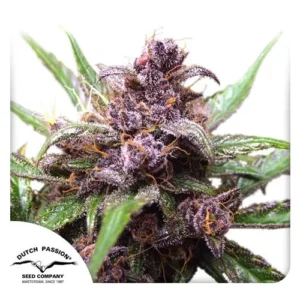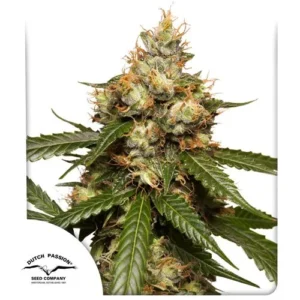


To start cultivating Skunk Auto successfully, begin by selecting a well-ventilated indoor environment with controlled lighting. Skunk Auto thrives with consistent light exposure, ideally 18-20 hours daily, promoting robust growth during the vegetative stage. Utilize high-quality soil mixed with perlite for optimal drainage, helping the roots to develop well and support the plant’s growth efficiently.
Monitoring the nutrient levels is crucial for this cultivar. Implement a balanced nutrient regimen, particularly rich in nitrogen during its early stages. As the plant progresses to flowering, adjust the nutrient mix to include higher levels of phosphorus and potassium for enhanced bud development. Regular watering is essential, but be cautious of overwatering, which can harm the plant’s health.
Recommended Strains
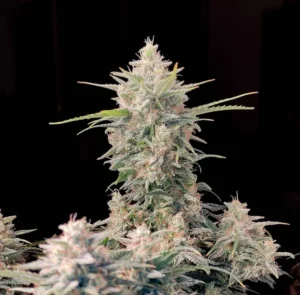
Skunk Auto

|
THC | 20% - 21% (Medium) |

|
Lineage | Skunk x Ruderalis |

|
Type | Autoflowering |

|
Height | 3.28 ft | 1 m |

|
Yield | High |

|
Yield Indoor | 1.31 - 1.64 oz/ft² | 400 - 500 g/m² |

|
Life Cycle | 8 weeks |

|
Phenotype | 65% Indica / 35% Sativa |

|
Effects | Giggly, Powerful, Relaxed, Talkative |

|
Flavors | Earthy, Floral, Sweet |

Skunk+
|
|
THC | 16% - 17% (Medium) |
|
|
Lineage | Skunk x Black Domina |
|
|
Type | Feminized |
|
|
Height | 5.91 ft | 1.8 m |
|
|
Yield | Medium |
|
|
Yield Indoor | 1.31 - 1.47 oz/ft² | 400 - 450 g/m² |

|
Yield Outdoor | 17.64 - 21.16 oz/plant | 500 - 600 g/plant |
|
|
Flowering Time | 7 - 9 weeks |
|
|
Phenotype | 60% Indica / 40% Sativa |
|
|
Effects | Balanced |
|
|
Flavors | Earthy, Spicy |
Finally, pay close attention to the environmental conditions in which this variety grows. Maintain a consistent temperature range of 21-26°C and humidity levels between 40-50% to ensure healthy growth. As Skunk Auto approaches harvest time, watch for the development of thick, resinous buds rich in terpenes, making it ready for a rewarding yield. Happy growing!
Skunk Auto Strain Overview: Traits, Effects & Genetics
Skunk Auto is a popular choice among cannabis enthusiasts, particularly for those seeking a balanced experience. This strain is a remarkable auto-flowering variety, known for its robust growth and resilience. With compact buds and a signature skunky aroma, this cultivar thrives in various environments, making it ideal for both novice and experienced growers aiming for a reliable harvest.
Characterized by its potent effects, this strain delivers a cerebral high accompanied by a pleasant body relaxation. The unique terpene profile enhances its allure, providing a complex flavor and aromatic experience. It’s ideal for users looking for stress relief and a mood boost. For growers, monitoring the plant’s flowering period is key to maximizing the yield of these dense, aromatic buds.
The genetic lineage of this variety boasts a rich history intertwined with iconic cannabis strains. As a result, the plant showcases a desirable blend of traits, including its rapid growth cycle and impressive resistance to common pests and molds. Growers appreciate it not only for the ease of cultivation but also for the consistent quality of the harvest it provides.
In terms of cultivation, it thrives in controlled environments both indoors and outdoors, adapting well to various conditions. This cultivar requires minimal maintenance, making it a hassle-free option for cultivators looking for substantial yields. By optimizing the growing conditions, enthusiasts can unlock the full potential of Skunk Auto, resulting in superior quality and productivity. Consistent monitoring and care ensure the best results from this efficient genetics.
Optimal Environment to Grow Skunk Auto Successfully
To cultivate Skunk Auto effectively, growers need to establish a stable environment with controlled temperatures and humidity levels. Ideal temperatures for this strain range from 68°F to 77°F (20°C to 25°C) during the day and slightly cooler at night. Proper airflow is critical to maintaining these conditions and preventing mold and mildew on the plant.
This variety thrives in environments where humidity levels are monitored closely. During the vegetative stage, maintain humidity around 40-60% to encourage healthy leaf and stem development. As the flowering period begins, gradually reduce humidity to about 30-40% to optimize terpene production and boost the resinous buds’ quality.
Lighting is another crucial element of successful cannabis cultivation. Skunk Auto requires a lighting schedule that mimics natural cycles. Opt for LED grow lights with adjustable spectrums to provide the necessary wavelengths for each growth phase. A general guideline is 18-24 hours of light during vegetative growth, reducing slightly as flowering initiates.
Soil composition and nutrient management are also key factors in maximizing yield and enhancing the flavors of this cultivar. Choose a rich, well-drained soil mix with adequate aeration to support root growth. Implement a balanced feeding regimen tailored to the plant’s growth stage, using nutrients rich in nitrogen during early growth and phosphorus and potassium as it matures towards harvest.
Grow Room Setup for Skunk Auto Plants
Setting up the optimal grow room is crucial for cultivating Skunk Auto successfully. This variety’s robust growth necessitates a well-organized environment, where temperature and humidity can be controlled efficiently. Ensure your space has adequate ventilation to prevent mold and pests, essential for maintaining the health of the plant and maximizing yields.
Lighting is a key consideration when growing this strain indoors. Growers should install full-spectrum LED lights or high-intensity discharge lamps to simulate natural sunlight. This will provide the energy needed for photosynthesis, promoting vigorous growth and resinous buds. A timer can automate the light cycle, essential for the plant’s flowering stage.
Temperature regulation is important in the cultivation of this genetics. Aim to maintain a stable temperature between 70-85°F (21-29°C) for optimal growth. During the flowering phase, slightly lower night temperatures help to enhance terpene production, enriching the buds’ aroma and potency. Ensure consistent airflow to help stabilize these conditions.
Finally, consider the grow medium and nutrient setup for this cultivar. Whether using soil, coco coir, or a hydroponic system, aim for a balanced nutrient regimen tailored to the stages of the plant’s life cycle. Proper feeding supports healthy foliage and robust flowers, ultimately leading to a bountiful harvest of Skunk Auto.
Indoor Growing Tips for Skunk Auto
Growing this variety indoors can optimize its potential by allowing growers to control the environment meticulously. For ideal cultivation, maintain temperatures between 68-77°F and ensure humidity levels are dialed in to around 50-60% during the vegetative stage. Adequate ventilation is crucial to prevent mold and pests from affecting the plant’s health, while quality lighting can help maximize bud development.
When nurturing this strain, focus on nutrient management tailored for cannabis, particularly its demand for phosphorus and potassium as it matures. Utilizing high-quality soil enriched with organic matter can encourage robust growth and yield. Regular monitoring and adjusting of pH levels between 6.0 and 7.0 will ensure the plant’s root system remains healthy and efficient in absorbing nutrients.
As flowering commences, the plant will benefit from a decrease in humidity to around 40-50%, promoting resinous buds with desirable terpenes. This cultivar typically has a rapid life cycle, so monitoring and timely adjustments are key to optimizing the harvest period. Careful observation of trichome development will help determine the best time to reap a bountiful yield.
Outdoor Growing Tips for Skunk Auto
When cultivating this strain outdoors, choosing the right location is crucial. The plant thrives in environments with ample sunlight, so ensure it receives a minimum of six hours of direct sunlight daily. Additionally, well-draining soil is essential for optimal growth. Consider using organic compost to enhance soil fertility, providing the necessary nutrients for robust development and impressive buds.
To protect this variety from pests and diseases, implement preventive measures like companion planting. Marigolds and basil are excellent companions, as they deter common pests. Keep an eye on humidity levels to prevent mold, especially during flowering. This cultivar generally requires a slightly drier climate, so maintaining adequate airflow around the plant can significantly aid in healthy growth.
Timing your grow season is critical for it to achieve a substantial yield. Begin planting after the last frost has passed to avoid temperature extremes that could hinder growth. Regular watering is vital, but avoid waterlogging the roots. As harvest time approaches, monitor trichome development to determine the perfect time for harvesting, ensuring a potent terpene profile and a rewarding cultivation experience.

How to Germinate & Propagate
For successful germination of Skunk Auto seeds, begin by soaking them in lukewarm water for 12-24 hours. This initial step helps the outer shell soften, setting a solid foundation for the growth process. Growers often find that maintaining a constant temperature of around 70-75°F encourages swift development, ensuring that this strain can flourish from the very beginning of its lifecycle.
After the seeds have soaked, transfer them to a moist paper towel placed on a plate, covering them with another damp towel to maintain moisture levels. This method promotes a steady environment for sprouting. Remember, this cultivar benefits from a dark, warm location to incubate, which mimics its natural conditions, ultimately aiding in successful propagation of this variety.
Once the seeds have sprouted, typically taking 1-5 days, transplant the seedling directly into the growing medium. Choose a nutrient-rich soil or hydroponic setup, keeping in mind that the plant requires adequate drainage. At this crucial stage, stabilizing humidity and light exposure ensures that this genetics develops robust roots, setting the stage for abundant buds and high yield during harvest.
As Skunk Auto matures, monitoring the growth conditions like humidity, water pH, and light cycles is essential. Regular checks on the plant will promote healthy foliage and enhance the production of aromatic terpenes. With careful attention, growers will cultivate a bountiful harvest, enjoying the fruits of their labor with this exceptional cannabis variety.
Vegetative Stage: Nurturing Your Skunk Auto Plants
The vegetative stage is crucial for the development of robust Skunk Auto plants. During this phase, the plant focuses on growing stems and leaves, which are essential for future bud production. Maintaining a temperature range of 70-85°F and consistent lighting for 18-24 hours a day will promote healthy growth. This strain benefits from a balanced nutrient schedule rich in nitrogen to support its vigorous development.
Properly managing the environment for this variety ensures optimal results. Skunk Auto thrives in well-draining soil or hydroponic systems. Regularly monitor the pH levels, aiming for a range of 6.0 to 6.5 to enhance nutrient uptake. Growers should ensure consistent airflow to prevent mold and pests, facilitating the robust development of the plant.
Training techniques like low-stress training (LST) can be beneficial for enhancing light exposure and air circulation. This practice encourages the plant to expand laterally, resulting in increased bud sites and potential yield. Regular pruning of any lower leaves that block airflow will help maintain ideal conditions for this cultivar’s growth and future harvest potential.
Ultimately, achieving a successful vegetative stage with this genetics sets a solid foundation for the flowering phase. Investing time and attention in this stage ensures robust Skunk Auto plants that are primed for a bountiful harvest. Encourage the production of rich terpenes and dense buds by maintaining a healthy, vibrant environment throughout this critical growth period.
Flowering Skunk Auto: What to Expect
Flowering in Skunk Auto, a notable cannabis strain, typically transitions swiftly, taking about 7 to 9 weeks. Growers can anticipate a rewarding yield if environmental conditions are well-maintained. Ensuring factors such as optimal lighting and humidity levels can substantially influence the flowering stage, thereby affecting the quality and quantity of the buds produced by this variety.
This strain is renowned for producing dense, aromatic buds rich in terpenes that contribute to its characteristic pungent aroma. Knowing the specific nutrient needs during flowering, like reduced nitrogen and increased phosphorus, is crucial. By adjusting the nutrient regimen, cultivators can enhance both the terpene profile and resin production, leading to a more aromatic and potent harvest.
During its flowering period, it may display a notable change in appearance, with buds becoming more pronounced and resinous. Growers should keep a close watch for any signs of nutrient deficiencies or pest issues, as these can significantly impact the plant’s health. Regular monitoring helps ensure that the plant remains on track for a successful harvest.
As the flowering phase concludes, Skunk Auto will be ready for harvest, offering a satisfying yield for those who have diligently cared for it. By analyzing its growth patterns and specific requirements, cultivators can optimize their approach. This ensures that the end result is a bounty of high-quality, aromatic buds that this cultivar is known for, making the growing process worthwhile.
Fertilizers & Nutrient Schedule
When cultivating cannabis successfully, proper nutrient management for Skunk Auto is critical. During its growth stages, this strain benefits from a balanced mix of macronutrients, primarily nitrogen, phosphorus, and potassium. Early in its lifecycle, increase nitrogen to support robust leaf development, which is essential for photosynthesis and overall plant health.
As this variety transitions to the flowering phase, adjusting the nutrient profile becomes key. Reduce nitrogen slightly and increase phosphorus and potassium to encourage bud development and boost terpenes for enhanced aroma and flavor. This cultivar is known for its resilience, but maintaining the right balance of nutrients helps maximize yield and improve the overall quality of the harvest.
Implement a feeding schedule that begins with diluted nutrient solutions, gradually increasing concentration as the plant matures. Monitor the plant for any signs of nutrient burn or deficiency, as these can be indicators of imbalance. Most growers find success by feeding every other watering, allowing the roots to absorb nutrients effectively without overwhelming the system.
Consistency and careful observation are paramount in achieving optimal results with this strain. Skunk Auto tends to respond favorably to organic fertilizers, which release nutrients slowly and reduce the risk of overfeeding. Employing a regular nutrient schedule tailored to its specific needs will help ensure a bountiful harvest characterized by potent buds and robust flavor profiles.

Pest and Disease Prevention for Healthy Cannabis Plants
Ensuring the health of your cannabis plants involves proactive pest and disease management. For Skunk Auto, maintaining a clean growing environment is essential. Regularly inspect the plant for any signs of pests, such as spider mites or aphids. Utilizing neem oil or insecticidal soap can effectively manage these common intruders and support a healthy plant development process.
In cultivating this strain, prevention against fungal diseases like powdery mildew is crucial. Adequate air circulation and humidity control play pivotal roles in mitigating fungal risks. Growers should ensure that the Skunk Auto leaves remain dry, as moisture can encourage mold growth. Regularly trim excess foliage to promote airflow, enhancing the overall resilience of the plant.
For optimal yield and robust terpene profiles, integrating natural pest deterrents such as companion plants can be beneficial. Herbs like basil or marigolds can repel pests while simultaneously enhancing the biodiversity around this cultivar. Consistent monitoring and maintenance routines allow growers to spot potential issues early, ultimately leading to a bountiful harvest of vibrant cannabis buds.
Harvesting & Drying Skunk Auto the Right Way
As the cultivation of Skunk Auto nears completion, knowing the right time to harvest is crucial for maximizing yield and terpene preservation. This strain is typically ready for harvest when the majority of trichomes turn milky with a hint of amber. Overly delayed harvests may diminish the plant’s unique flavor profile, so vigilant observation is key to reaping its benefits.
Once the ideal harvest time is determined, carefully cut the branches of this variety, leaving enough room to hang them upside-down. A controlled environment with a temperature of 60-70 degrees Fahrenheit and 50% humidity is optimal. This helps in gradually drying the cannabis buds while preserving the integrity of terpenes and cannabinoids, keeping the quality of Skunk Auto intact.
The drying process should take approximately 7 to 10 days. Throughout this period, ensure adequate, gentle air circulation around the plant to prevent mold development. Avoid hurried drying, as the quality and potency of the buds can be adversely affected. Once the outer buds feel crunchy and stems slightly snap, this cultivar is ready for the curing phase.
Curing is the final step and should not be overlooked. Place the dried buds in airtight jars, opening them daily to release excess moisture. Gradually reduce the frequency of opening as the moisture inside balances out. A well-executed curing process results in smoother smoke and enhanced flavors, showcasing the full potential of Skunk Auto. This careful attention ensures growers enjoy a rewarding harvest.
Skunk Auto Strain Type: Indica, Sativa or Hybrid?
Skunk Auto is an intriguing cannabis strain that has captured the attention of cultivators due to its balanced genetic makeup. This strain is primarily an indica-dominant hybrid, combining the best traits of both indica and sativa. The plant is known for its robust growth and high yield, making it popular among growers seeking a resilient variety.
With the plant’s hybrid nature, this cultivar offers a range of effects suitable for various user preferences. The indica dominance provides a relaxing body high, while the influence of sativa offers uplifting cerebral effects. Such a combination makes it versatile for both recreational and medicinal uses. Growers appreciate this genetics for its ability to produce large, resinous buds packed with potent terpenes.
The hybrid characteristics of this variety make it an excellent choice for those seeking a harmonious balance in their cannabis experience. It is appreciated not only for its effects but also for its relatively straightforward cultivation process. The plant’s adaptability to indoor and outdoor environments ensures a rewarding harvest, delighting growers with a plentiful yield of aromatic buds.
Why Grow Skunk Auto? Key Benefits for Cultivators
Skunk Auto is a highly popular choice among cannabis enthusiasts due to its robust growth and resilience. This strain is perfect for both novice and experienced growers, offering an easy cultivation process with minimal maintenance. The plant’s autoflowering characteristics lead to consistent and reliable outcomes, allowing for faster harvest cycles compared to traditional varieties.
Furthermore, this cultivar boasts impressive yields and rich terpene profiles. Generous buds packed with a pungent aroma make this variety particularly attractive for commercial efforts. Its resilience to common pests and diseases enhances the plant’s appeal, providing a less challenging growing experience for cultivators seeking quality and efficiency in their operations.
The significant advantage of growing this genetics lies in its versatility and adaptability to various growing conditions. Whether indoors or outdoors, it performs well, accommodating different climates and environments. As a result, growers can achieve satisfactory harvests even without advanced cultivation techniques, making it a go-to option for diverse agricultural setups.
Potential Challenges When Growing Skunk Auto
When cultivating this strain, one challenge is managing the susceptibility to mold due to its dense buds. Growers should ensure adequate ventilation and maintain optimal humidity levels to prevent mildew. The plant can also be prone to pest infestations, so regular inspection and preventative measures are crucial. By keeping a vigilant eye, it’s possible to maintain healthy growth throughout the cannabis lifecycle.
Another common issue with this variety is nutrient sensitivity. Skunk Auto may not react well to high concentrations of fertilizers, with potential nutrient burn affecting the yield. It’s advisable to start with a milder feeding schedule, gradually increasing as the plant matures. By closely monitoring the plant’s response, growers can optimize the nutrient regimen for maximum health and harvest.
The genetic makeup of this cultivar can lead to unexpected height, which may be a concern in restricted spaces. Implementing techniques like low-stress training can help manage vertical growth. Additionally, evaluating the terpene profile of Skunk Auto will be beneficial in tailoring environmental factors, ensuring the distinctive flavors and aromas are preserved until harvest. Adapting to these challenges can lead to a successful cultivation experience.
Is This Strain Worth Buying? Here’s What You Need to Know
Skunk Auto is a popular choice among cannabis enthusiasts due to its reliable growth and potent effects. This strain is particularly appealing to growers because of its robust genetics, providing resilience against common pests and diseases. For beginners and seasoned cultivators alike, the plant’s auto-flowering trait simplifies the cultivation process, allowing ease of growth from seed to harvest.
Often celebrated for its high yield and aromatic buds, this variety offers a rewarding cultivation experience. The terpene profile is rich and intricate, enhancing the overall sensory experience. Growers can expect a plentiful harvest with dense, resinous flowers that are both visually stunning and pungent. These qualities make it an appealing option for anyone looking to cultivate cannabis with optimal results.
For those considering investing in this cultivar, assessing the balance between effort and output is key. Its manageable growth cycle and substantial yield make it a worthwhile venture, especially for home growers seeking an efficient and fulfilling cultivation process. With its commendable attributes, the decision to purchase this particular genetics can lead to a gratifying cannabis-growing journey.

FAQs
What are the ideal climate conditions for Skunk Auto?
Skunk Auto thrives in a warm, sunny climate with temperatures ranging from 70 to 85°F (21-29°C). It requires 12-16 hours of light daily for optimal growth. Although this strain is fairly resilient, maintaining stable humidity levels between 40-50% during the flowering phase is crucial. Controlling environmental conditions helps maximize yield and plant health, especially during critical growth stages.
How long does it take for Skunk Auto to flower?
This variety generally begins its flowering phase around 3-4 weeks after germination and typically blooms within 8-9 weeks. The plant’s autoflowering nature means it doesn’t rely on light cycles to start budding, making it a popular choice for growers seeking quicker harvests. With proper care, cultivators can expect a robust flowering process that offers dense and resinous buds.
What yield can I expect from Skunk Auto?
Under optimal conditions, Skunk Auto typically yields between 300-450 grams per square meter indoors and around 50-100 grams per plant outdoors. Its compact size makes it ideal for small spaces, yet it still delivers decent output. Factors such as lighting, nutrient levels, and training techniques directly influence quantity and quality, so meticulous attention to these aspects will lead to satisfactory results.
What nutrient requirements does Skunk Auto have?
Providing balanced nutrients is essential for Skunk Auto to thrive. Start with a light feeding schedule, gradually increasing nutrient doses as the plant matures. A mix of nitrogen, phosphorus, and potassium is crucial, especially during the flowering stage for bud development. Incorporate micronutrients like calcium and magnesium to prevent deficiencies and support vigorous growth. Monitor pH levels to ensure nutrient uptake is not hindered.
What are common problems encountered with this cultivar?
Despite its hardy nature, Skunk Auto can face issues like mold, pest infestations, and nutrient deficiencies, especially under suboptimal conditions. Ensuring proper airflow and maintaining appropriate humidity levels can help prevent mold. Regular inspection for pests like spider mites is crucial, and prompt action with natural remedies or insecticides is recommended. Observing for yellowing leaves may indicate nutrient issues which require correction.