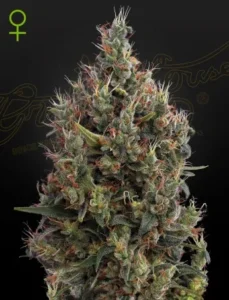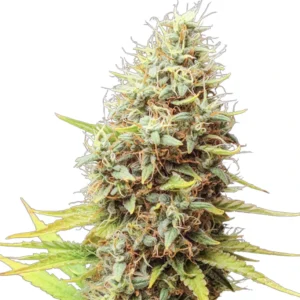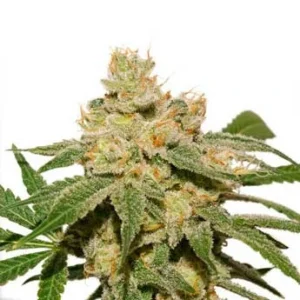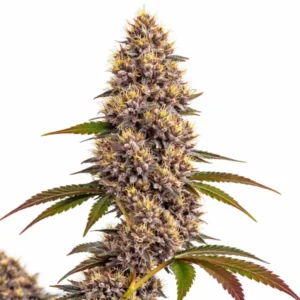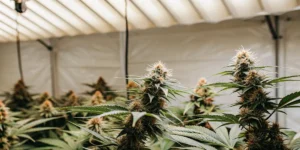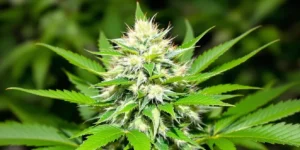

Tangie is a sativa-dominant feminized strain from Royal Queen Seeds created from California Orange × Skunk genetics. Known for its intense tangerine and citrus profile, the Tangie strain combines vigorous growth, a relatively manageable indoor flowering time, strong outdoor development, and uplifting breeder-reported effects.
Royal Queen Seeds classifies Tangie as 70% Sativa and 30% Indica with THC levels of up to 20%. Indoors, plants normally reach around 80–120 cm and flower in 60–65 days, while outdoor specimens can grow to 150–190 cm and are typically ready for harvest during October.
Recommended Strains
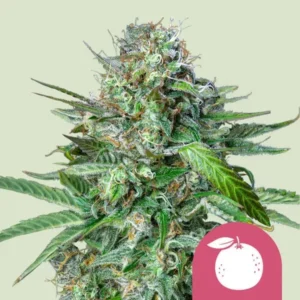
Tangie

|
THC | 19% - 20% (Medium) |

|
Lineage | California Orange x Skunk |

|
Type | Feminized |

|
Height | 5.58 ft | 1.7 m |

|
Yield | High |

|
Yield Indoor | 1.47 - 1.8 oz/ft² | 450 - 550 g/m² |

|
Yield Outdoor | 22.93 - 24.69 oz/plant | 650 - 700 g/plant |

|
Flowering Time | 9 - 10 weeks |

|
Phenotype | 30% Indica / 70% Sativa |

|
Effects | Focused, Uplifted |

|
Flavors | Candy, Citrus, Fruity, Pine |
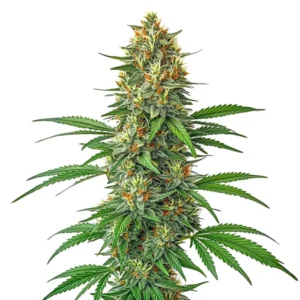
Tangie Auto
|
|
THC | 20% - 23% (Medium) |
|
|
Lineage | Rudelaris x Tangie |
|
|
Type | Autoflowering |
|
|
Height | 4.92 ft | 1.5 m |
|
|
Yield | Medium |
|
|
Yield Indoor | 1.15 - 1.31 oz/ft² | 350 - 400 g/m² |
|
|
Yield Outdoor | 19.4 - 24.69 oz/plant | 550 - 700 g/plant |
|
|
Life Cycle | 8 - 10 weeks |
|
|
Phenotype | 40% Indica / 60% Sativa |

|
Medical | Arthritis, Insomnia, Pain |
|
|
Effects | Happy, Relaxed, Talkative |
|
|
Flavors | Fruity, Lemon, Orange |
You can find the feminized Tangie seeds available at Growlantis.
Tangie Quick Grow Profile
| Trait | Tangie |
|---|---|
| Breeder | Royal Queen Seeds |
| Genetics | California Orange × Skunk |
| Seed type | Feminized photoperiod |
| Sativa / Indica | 70% Sativa / 30% Indica |
| THC | Up to 20% |
| CBD | Low |
| Indoor flowering | 60–65 days |
| Indoor height | 80–120 cm |
| Indoor yield | 450–550 g/m² |
| Outdoor height | 150–190 cm |
| Outdoor yield | 650–700 g/plant |
| Outdoor harvest | October |
| Preferred climate | Long summers |
| Flavors | Candy, citrus, fruity, pineapple |
| Reported effects | Focused, uplifting |
These specifications refer specifically to the Tangie currently offered by Royal Queen Seeds.
What Is the Tangie Strain?
Tangie is a photoperiod cannabis strain based on California Orange and Skunk genetics. The combination produces a strongly sativa-leaning plant with the citrus-heavy character that defines the cultivar, alongside the vigor and production associated with its Skunk background.
Royal Queen Seeds lists Tangie at 70% Sativa and 30% Indica. Its current seed specification places THC at up to 20%, with low CBD, while its effects are described as focused and uplifting.
Tangie should not be confused with every cultivar that includes “Tangie” in its name. Sour Tangie, Tropical Tangie, Tangie Auto, and other related crosses have different genetics, growth patterns, flowering times, and yield specifications.
Tangie Genetics and Plant Structure
Tangie combines California Orange with Skunk, creating a vigorous plant that expresses its sativa influence through upward growth and relatively long branches. Royal Queen Seeds describes it as a strong-growing cultivar that responds well to warm conditions, abundant light, and enough room for its canopy to develop.
Indoors, Tangie usually stays within approximately 80–120 cm when vegetative growth is controlled. Outdoors, where plants receive more root space and a longer natural vegetative period, they can reach approximately 150–190 cm.
The difference between these height ranges matters when planning a grow. Tangie can stretch after flowering begins, so indoor growers should avoid allowing plants to fill all available vertical space before switching the light cycle.
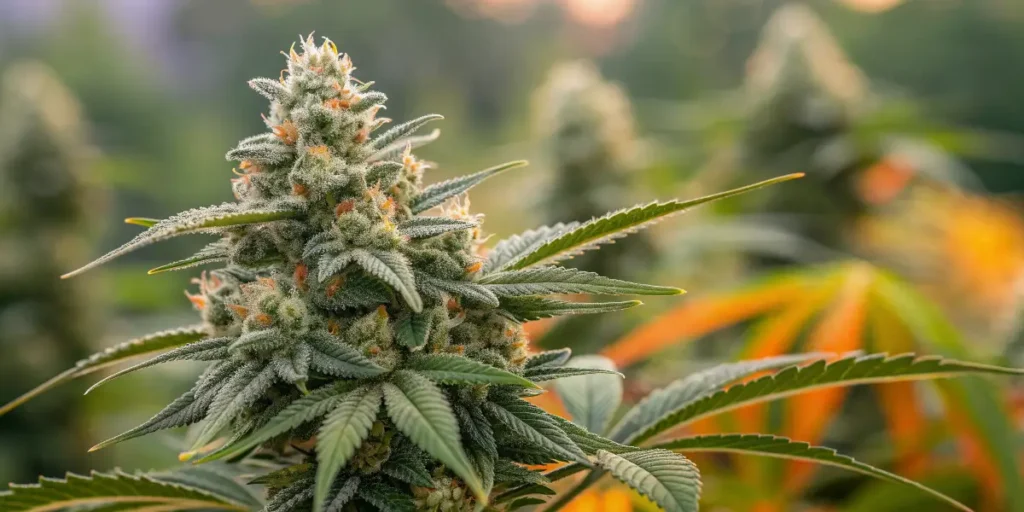
Its flowers develop along elongated colas and become increasingly resinous as maturity approaches. The cultivar’s characteristic orange and citrus aroma also becomes much stronger during flowering, making odor management relevant in enclosed indoor environments.
Growing Tangie Indoors
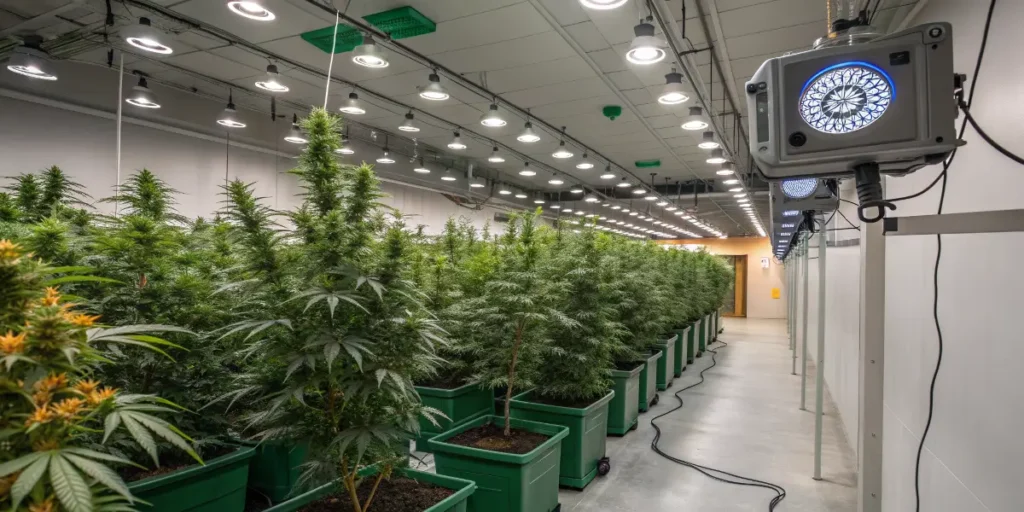
Tangie can be grown successfully indoors despite its strong sativa dominance. Royal Queen Seeds lists indoor plants at approximately 80–120 cm, which makes the cultivar manageable in many grow rooms when vegetation and training are planned correctly.
An 18/6 light schedule is a common choice during vegetative growth. Once plants have reached an appropriate size for the available area, switching to 12 hours of light and 12 hours of uninterrupted darkness initiates flowering.
Tangie does not have a fixed vegetative duration. Growers working with limited vertical space can initiate flowering earlier, while larger rooms allow more time for branch and root development before the switch.
Managing Tangie Stretch
Tangie’s upward growth becomes particularly important during the first part of flowering. A canopy that is already close to the lights before the switch can become difficult to manage once the branches begin extending.
Low-stress training can help move taller branches outward and distribute them more evenly across the available space. Topping can also be used during healthy vegetative growth when several main branches are preferred over one dominant central stem.
A ScrOG setup is another practical option for growers who want to control vertical growth while spreading productive branches horizontally. Training works best when it creates an open, evenly exposed canopy rather than a dense screen with poor circulation.
Lighting Tangie Indoors
Tangie responds well to strong light, but there is no universal lamp wattage or fixture distance that applies to every grow. Modern LEDs vary substantially in output, efficiency, and recommended hanging height.
Follow the fixture manufacturer’s guidance and observe the canopy for signs of excessive or insufficient intensity. Tangie’s stretch means the distance between the canopy and light can change quickly during early flowering, so growers should continue monitoring plant height after the switch to 12/12.
The objective is consistent canopy exposure without pushing the tallest branches so close to the fixture that heat or light stress develops.
Growing Tangie Outdoors
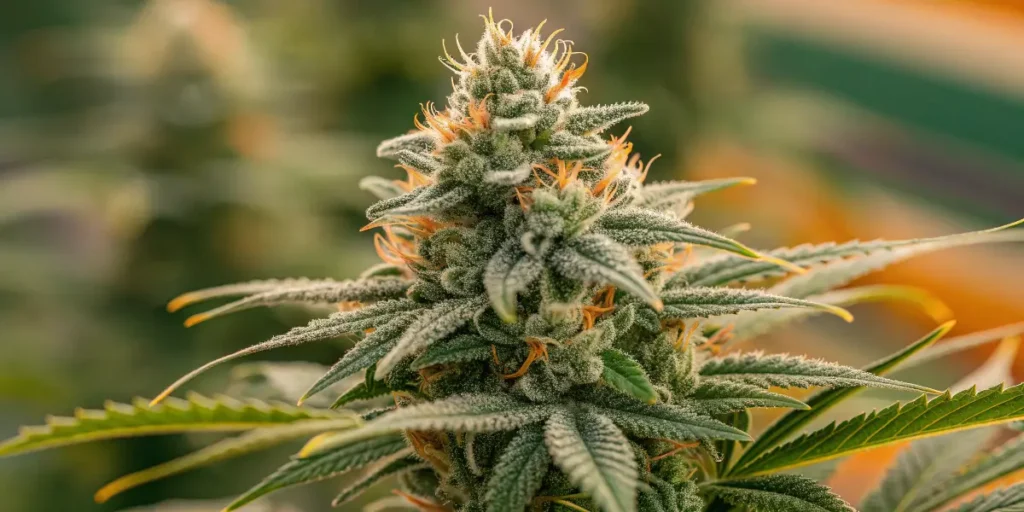
Tangie is particularly well suited to outdoor environments with long summers. Royal Queen Seeds lists plants at approximately 150–190 cm outdoors and places harvest during October.
Choose a position with strong direct sunlight, enough lateral room for branch development, and well-draining soil. A Tangie plant allowed a long outdoor vegetative period can become significantly larger than one grown indoors under a controlled light schedule.
Royal Queen Seeds lists outdoor production at approximately 650–700 g per plant under favorable conditions. These figures represent breeder potential rather than guaranteed harvests, as sunlight, root volume, soil quality, irrigation, climate, plant health, and phenotype all influence final production.
Growers in regions where autumn becomes cold or persistently wet early should consider whether Tangie’s October finish fits the local season. A long summer is advantageous because it gives the plant enough time to complete its sativa-dominant flowering cycle before conditions deteriorate.
Tangie Flowering Time
Royal Queen Seeds currently lists Tangie at 60–65 days of indoor flowering, equivalent to roughly nine weeks after the switch to 12/12. Some cultivation descriptions round this to approximately 9–10 weeks, so growers should treat the breeder’s 60–65 day specification as the primary planning range rather than expecting every plant to finish on an identical date.
The flowering period does not include germination or vegetative growth. Because Tangie is photoperiod-dependent, the grower determines how long the plant remains in vegetation before flowering begins.
During early bloom, expect continued vertical growth while flowering sites establish themselves along the branches. By mid-flower, the colas become more defined and resin production increases. During the final stages, Tangie’s citrus and tangerine aromas become considerably stronger as flowers mature.
For a broader explanation of plant development throughout bloom, see the Growlantis guide to the cannabis flowering stage week by week.
Tangie Yield Indoors and Outdoors
Royal Queen Seeds lists indoor Tangie yields of approximately 450–550 g/m². Outdoors, plants can produce approximately 650–700 g each under favorable conditions.
These numbers are useful references for the cultivar’s production potential, but they should not be treated as guaranteed outcomes. Indoor yield depends on canopy area, lighting, root volume, vegetative duration, plant health, environmental stability, and the number of plants sharing the space.
Outdoor production varies even more because sunlight and root space can differ dramatically between locations. Plants grown in unrestricted ground under strong sunlight have much more potential to develop large canopies than plants kept in smaller outdoor containers.
Training can help distribute flowering sites across the available light, but no specific technique automatically guarantees a higher Tangie yield. Healthy roots, stable conditions, and a well-exposed canopy remain more important than applying multiple techniques without a clear reason.
Tangie Grow Timeline
A Tangie grow timeline should distinguish between the grower’s chosen vegetative stage and the breeder-defined flowering period. The cultivar does not have a fixed seed-to-harvest duration because indoor growers decide when to initiate flowering.
Germination and Seedling Growth
Tangie does not require a unique germination method. Keep seeds in a stable, warm, moist environment without leaving them permanently waterlogged, and handle the emerging root carefully when transferring germinated seeds into the chosen medium.
Young seedlings should focus on establishing roots and developing their first true leaves before receiving strong feeding or intense environmental changes. A stable start is more valuable than trying to accelerate early growth through excessive water or nutrients.
For a more detailed explanation of germination timing and techniques, see how long cannabis seeds take to germinate.
Vegetative Growth
During vegetation, Tangie develops the roots and branches that will later support its flowering sites. An 18/6 light schedule is a practical indoor option, but the length of this stage should be based on available space rather than a fixed number of weeks.
This is the most suitable period for topping, low-stress training, or setting up a ScrOG if those techniques are needed. Because Tangie can stretch strongly during early bloom, shaping the canopy before flowering gives growers much more control over final height.
Early Flowering
After switching to 12/12, Tangie continues growing vertically while flowering sites begin forming. This early stretch is one of the most important periods for indoor height management.
Keep repositioning flexible branches when necessary, but avoid continuing aggressive structural training once flower development becomes established. The canopy should remain open enough for light and air to reach the interior growth.
Mid to Late Flowering
As flowering progresses, Tangie’s buds become increasingly resinous and its characteristic citrus aroma intensifies. Monitor the canopy for excessive density and make sure mature flowers are not sitting in stagnant humid air.
The final part of the 60–65 day range is when growers should begin paying closer attention to actual flower maturity rather than simply counting calendar days.
Feeding Tangie
Royal Queen Seeds does not publish a Tangie-specific nutrient formula requiring exact NPK ratios during vegetation and flowering. Fixed ratios such as 3-1-2 or 1-3-3 should therefore not be presented as mandatory requirements of the cultivar.
Feed according to the growing medium, nutrient system, water quality, plant size, and actual plant response. During vegetative growth, sufficient nitrogen supports leaf and branch development, while flowering plants require an appropriate bloom program that matches the medium and fertilizer being used.
Avoid assuming that increasing phosphorus and potassium automatically improves flower size, potency, or terpene production. Plants can only use nutrients within their physiological limits, and excessive concentrations can create nutrient stress instead of increasing yield.
The same principle applies to supplements and bloom boosters. They should complement an appropriate base feeding program rather than replace careful observation of the plant.
Watering Tangie
Tangie should be watered according to root-zone conditions rather than a rigid daily schedule. Container size, substrate, temperature, humidity, plant size, and root development all influence how quickly water is used.
Allow the growing medium to regain sufficient air between irrigations rather than keeping the root zone permanently saturated. Chronic overwatering can restrict oxygen around the roots and slow healthy development even when the plant appears to be receiving plenty of water.
Outdoor Tangie plants may require substantially more irrigation during hot weather because larger plants and stronger sunlight increase water demand. Even outdoors, however, adequate drainage remains essential.
Airflow and Humidity During Tangie Flowering
Tangie can form substantial flowering clusters, making airflow increasingly important during the later stages of bloom. Instead of relying on a single humidity reading from one area of the room, growers should consider conditions within the canopy itself.
Branches and leaves that overlap heavily can create pockets where air remains relatively still and moisture dissipates more slowly. Good plant spacing and gentle circulation through the canopy reduce these stagnant areas.
Avoid assuming that Tangie is inherently resistant or susceptible to every mold problem. The risk depends on flower structure, environmental conditions, ventilation, humidity, and how long moisture remains around developing buds.
When to Harvest Tangie
Indoors, begin evaluating maturity as Tangie approaches the breeder’s 60–65 day flowering range. Use this timeline as a reference rather than harvesting automatically on a specific day.
Individual plants can mature at slightly different rates because phenotype and growing conditions influence development. Inspect the actual flowers and trichomes before making the final decision.
Outdoors, Royal Queen Seeds places harvest during October. The exact date depends on latitude, seasonal conditions, planting time, and phenotype, so outdoor growers should combine the breeder’s calendar with direct observation of the plants.
Avoid using pistil color alone as a harvest signal. Darkening pistils can indicate advancing maturity, but they should be considered alongside overall flower and trichome development.
Is Tangie Strain Indica or Sativa?
Tangie is a sativa-dominant hybrid. Royal Queen Seeds officially classifies the cultivar as 70% Sativa and 30% Indica.
Its California Orange × Skunk background produces a plant that shows many typical sativa growth traits, including strong upward development, longer branches, and a relatively extended flowering period compared with many indica-dominant cultivars.
The breeder describes Tangie’s effects as focused and uplifting, which also aligns with its sativa-leaning profile. However, indica and sativa percentages are best understood as breeder classifications of lineage rather than precise predictors of how every individual plant or finished flower will behave.
Tangie Strain Effects and THC
Royal Queen Seeds currently lists Tangie at up to 20% THC, with low CBD.
The breeder describes the Tangie strain effects as focused and uplifting, with a clear, energetic character associated with the cultivar’s strong sativa influence.
Individual responses can still vary according to dose, tolerance, phenotype, cannabinoid profile, and the quality of the finished flowers. Breeder descriptions should therefore be treated as general characteristics rather than guaranteed effects.
The cultivar should also not be described as treating stress, anxiety, depression, fatigue, pain, or other medical conditions simply because individual consumers report those experiences.
Tangie Flavor and Aroma
Tangie’s citrus profile is one of the characteristics that most clearly distinguishes the cultivar. Royal Queen Seeds lists candy, citrus, fruity, and pineapple flavors, while its broader description emphasizes orange, tangerine, lemon, and other fresh citrus notes.
The aroma becomes especially strong as the flowers mature, making Tangie easy to recognize in a flowering room. Indoor growers who require odor control should therefore have adequate extraction and filtration in place before late bloom.
Although citrus strains are often associated with limonene, it is better to describe the verified sensory profile than to assume every Tangie plant will contain exactly the same dominant terpene concentrations.
Common Problems When Growing Tangie
Running Out of Vertical Space
Tangie’s sativa-dominant growth can create height problems when indoor plants are allowed to become too large before flowering begins. Leave sufficient headroom for the early flowering stretch and use low-stress training or a screen during vegetation when the canopy is becoming too tall or uneven.
Following a Fixed Seed-to-Harvest Calendar
The 60–65 day specification refers only to flowering. Tangie is a photoperiod cultivar, so growers control the duration of vegetation. Two plants can therefore have the same flowering period while taking very different amounts of total time from germination to harvest.
Overfeeding the Plant
Tangie does not require an aggressive nutrient program simply because it grows vigorously. Feed according to the medium and actual plant response. Increasing nutrient strength beyond what the roots can use can lead to burnt leaf tips, slowed development, and other signs of nutrient stress.
Letting the Canopy Become Too Dense
Training can help control Tangie’s stretch, but branches should not be packed together so tightly that airflow and light penetration suffer. Maintain enough separation for circulation through the canopy, particularly as flower density increases during the final weeks.
Confusing Tangie With Related Strains
Tangie is specifically the California Orange × Skunk cultivar covered in this guide. Sour Tangie, Tropical Tangie, Tangie Auto, and other Tangie-derived strains have different genetics and should not automatically be assigned the same height, flowering time, effects, or yield figures.
FAQs About Tangie Strain
Is Tangie strain indica or sativa?
Tangie from Royal Queen Seeds is a sativa-dominant hybrid containing 70% Sativa and 30% Indica genetics. Its California Orange × Skunk background contributes to vigorous upward growth, citrus-heavy aromas, and focused, uplifting breeder-reported effects. The percentage describes the breeder’s lineage classification rather than an exact laboratory measurement of the plant’s genome.
How long does Tangie strain take to flower indoors?
Royal Queen Seeds currently lists Tangie at 60–65 days of indoor flowering, equivalent to roughly nine weeks after switching photoperiod plants to 12/12. Some breeder descriptions round this to 9–10 weeks. Total seed-to-harvest time varies because the grower determines how long Tangie remains in vegetative growth.
How tall does Tangie grow indoors and outdoors?
Royal Queen Seeds lists Tangie at approximately 80–120 cm indoors and 150–190 cm outdoors. Final height still depends on vegetative duration, training, root volume, light, climate, and phenotype. Indoor growers can control much of the plant’s final size by managing the canopy and deciding when flowering begins.
What yield can Tangie produce indoors and outdoors?
Royal Queen Seeds lists indoor Tangie yields of approximately 450–550 g/m² and outdoor production of around 650–700 g per plant. These are breeder potential figures rather than guaranteed harvests. Actual yield depends on plant size, lighting, root space, climate, nutrition, training, environment, and the individual phenotype being cultivated.
What are the effects and THC level of Tangie strain?
Royal Queen Seeds lists Tangie at up to 20% THC with low CBD and describes its effects as focused and uplifting. Its sativa-dominant profile is associated with a clear, energetic experience. Individual effects can still vary according to dose, tolerance, phenotype, cannabinoid composition, and the quality of the finished flowers.
What genetics are used to create the Tangie strain?
Tangie is bred from California Orange × Skunk genetics. Royal Queen Seeds classifies the resulting cultivar as 70% Sativa and 30% Indica. This lineage contributes to Tangie’s vigorous growth, pronounced citrus and tangerine character, upward plant structure, relatively long flowering period, and focused, uplifting breeder-reported effects.