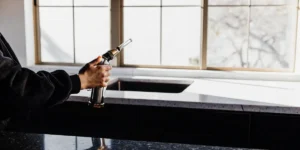
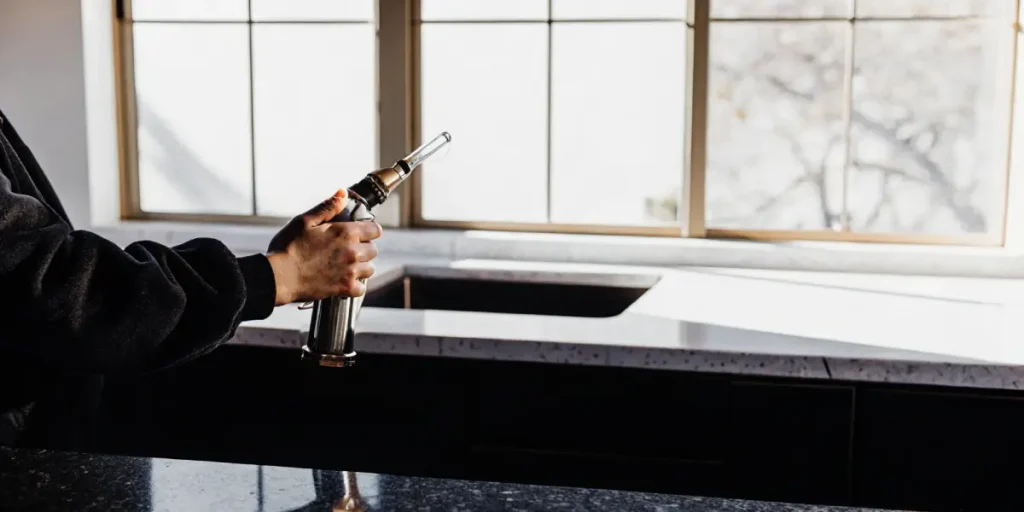

To cold start dabs, place concentrate in a clean, room-temperature quartz banger, add the carb cap, then apply heat gradually from underneath. Stop heating once the concentrate has melted and begins producing visible vapor, then inhale gently. Unlike a traditional dab, a cold start heats the concentrate and banger together instead of preheating the banger first.
What Is a Cold Start Dab?
A cold start dab, also called a reverse dab, reverses the normal order used with a traditional dab rig.
Recommended Strains
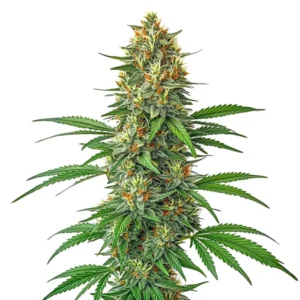
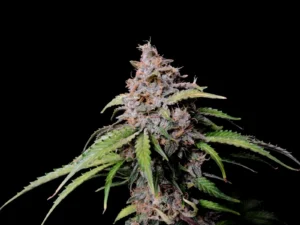
Tangie Auto

|
THC | 20% - 23% (Medium) |

|
Lineage | Rudelaris x Tangie |

|
Type | Autoflowering |

|
Height | 4.92 ft | 1.5 m |

|
Yield | Medium |

|
Yield Indoor | 1.15 - 1.31 oz/ft² | 350 - 400 g/m² |

|
Yield Outdoor | 19.4 - 24.69 oz/plant | 550 - 700 g/plant |

|
Life Cycle | 8 - 10 weeks |

|
Phenotype | 40% Indica / 60% Sativa |

|
Medical | Arthritis, Insomnia, Pain |

|
Effects | Happy, Relaxed, Talkative |

|
Flavors | Fruity, Lemon, Orange |
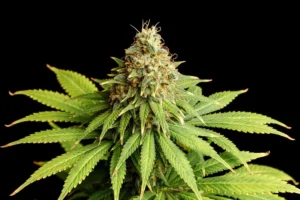
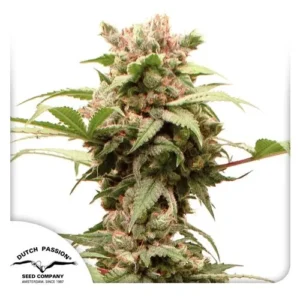
Steve´s Hellfire OG Strain
|
|
THC | 20% - 21% (Medium) |
|
|
Lineage | Hellfire OG x White Widow |
|
|
Type | Feminized |
|
|
Height | 4.92 ft | 1.5 m |
|
|
Yield | High |
|
|
Yield Indoor | 1.64 - 1.8 oz/ft² | 500 - 550 g/m² |
|
|
Yield Outdoor | 22.93 - 24.69 oz/plant | 650 - 700 g/plant |
|
|
Flowering Time | 7 - 9 weeks |
|
|
Phenotype | 70% Indica / 30% Sativa |
|
|
Effects | Relaxed |
|
|
Flavors | Citrus, Earthy |
With a conventional hot start, the banger is heated first, allowed to cool, and then loaded with concentrate.
With a cold start:
- The concentrate goes into a room-temperature banger.
- The carb cap is placed on top.
- Heat is applied gradually.
- Heating stops when the concentrate begins to vaporize.
- The vapor is inhaled.
That basic sequence is consistently described by current concentrate guides from Leafly.
The attraction is control. Instead of guessing how much a previously heated banger has cooled, you can watch the concentrate change as heat is introduced.
What You Need for a Cold Start Dab
A simple torch-based cold start normally uses:
- a dab rig;
- a clean quartz banger;
- a carb cap;
- a dab tool;
- an appropriate torch;
- and cleaning materials for the banger afterward.
Quartz bangers are commonly used because their bucket shape provides a surface where concentrate can be loaded before heating. Leafly specifically recommends a banger-style nail for cold starts.
You do not need a separate temperature reader to understand the basic technique, although temperature-controlled devices may provide another way to avoid relying solely on visual cues.
How to Cold Start Dabs Step by Step
1. Start With a Clean, Cool Banger
Make sure the banger is at room temperature and does not contain burnt residue from a previous dab.
Cold-start guides emphasize beginning with a clean surface because reheating old residue can affect how the new concentrate behaves and leave additional buildup.
If the banger was recently used, let it cool completely before beginning another cold start.
2. Place the Concentrate in the Banger
Use a dab tool to place the concentrate onto the bottom surface of the cold banger.
There is no need to prescribe a universal amount. Cannabis concentrates can contain very high THC concentrations, and individual tolerance varies significantly. CDC notes that dabbing concentrates can expose users to high levels of THC and increase the risk of overconsumption.
For an instructional article, the useful principle is simply to avoid overloading the banger.
3. Add the Carb Cap
Place the carb cap on the banger before heating.
This is part of the standard cold-start sequence described by Leafly and allows airflow through the banger once the concentrate begins producing vapor.
Make sure the cap fits the banger properly rather than assuming every carb cap is interchangeable with every nail.
4. Apply Heat Gradually
Apply heat to the underside of the banger rather than holding an intense flame on one tiny area for an extended period.
Watch the concentrate itself.
It will first soften or melt and then begin bubbling as sufficient heat reaches the material. Visible vapor should begin appearing shortly afterward.
The cold-start technique is based on stopping the heat when vaporization begins, rather than continuing to heat the banger until it reaches an arbitrary maximum temperature.
The exact heating time varies with banger thickness, torch output, concentrate amount and starting temperature, so I would not publish one universal number of seconds.
5. Stop Heating When Vapor Appears
Once the concentrate is actively melting, bubbling and beginning to produce vapor, remove the heat source.
This visual transition is the main cue used in a manual cold start.
Continuing to heat far beyond that point defeats the purpose of gradually approaching vaporization and increases the chance of exposing the material to unnecessarily high temperatures.
Laboratory studies of cannabis-concentrate components have found that thermal degradation products increase under hotter dabbing conditions. Researchers have detected compounds including methacrolein, benzene and other volatile degradation products under simulated dabbing conditions.
That research does not establish a safe cold-start temperature, but it is a good reason not to frame extreme heat as beneficial.
6. Inhale Gently
After removing the heat, inhale through the rig while the concentrate is vaporizing.
There is no advantage to turning this into a competition for the largest possible vapor cloud.
The amount and density of vapor will vary according to the concentrate, banger, airflow and temperature.
Cold starts are commonly associated with lower-temperature dabbing, which may produce a different vapor profile than a very hot traditional dab.
7. Let the Banger Cool and Clean It
Once the session is complete, deal with any remaining oil or residue before allowing repeated buildup to accumulate.
Low-temperature dabs may leave some unvaporized concentrate behind, and Leafly specifically notes that cold starts can leave oil or residue that should be cleaned before the next dab.
Follow the cleaning recommendations appropriate for your specific quartz banger rather than repeatedly reheating dark residue until it burns away.

How Do You Know When a Cold Start Dab Is Ready?
Watch the concentrate rather than the clock.
The main sequence is:
solid or viscous concentrate → melting → bubbling → visible vapor.
Once vapor begins appearing, stop adding heat.
This is more useful than saying every cold start should be heated for exactly 8, 10 or 15 seconds because torch output and quartz thickness differ substantially.
The current article is directionally correct when it tells readers to stop once the concentrate begins bubbling and vaporizing.
I would keep that visual cue and remove the surrounding language about finding a universal “perfect hit.”
Cold Start Dabs vs Hot Start Dabs
| Cold Start | Traditional Hot Start |
|---|---|
| Concentrate goes in first | Banger is heated first |
| Banger starts at room temperature | Banger starts hot |
| Heat and concentrate rise together | Banger cools before concentrate is added |
| Vaporization is judged visually | Often relies on cooling time or temperature measurement |
| Easier to stop as vapor begins | Easier to overshoot if temperature is misjudged |
| May leave some residue | Can also leave residue depending on temperature |
Neither method should be described as medically safer.
CDC states that there is insufficient evidence to say that one method of cannabis consumption is categorically safer than another, and concentrates used for dabbing often contain high concentrations of THC.
Are Cold Start Dabs Better for Flavor?
Many concentrate users prefer cold starts specifically because they avoid beginning with an extremely hot surface.
Leafly describes cold-start dabbing as a low-temperature method commonly chosen for flavor.
There is also a plausible chemical reason to avoid excessive heat.
Experimental research has shown that heating cannabis terpenoids and concentrate components can produce thermal degradation products, with hotter experimental conditions generally producing greater quantities of some compounds.
However, that does not prove that a cold start always preserves a specific percentage of terpenes or guarantees better flavor.
Flavor depends on concentrate composition, product quality, temperature profile, equipment and individual perception.
So I would say cold starts are commonly preferred for a lower-temperature, flavor-focused approach, not “cold starts preserve all terpenes.”
Do Cold Starts Waste Less Concentrate?
Not necessarily.
One reason people like cold starts is that they can reduce accidental overheating caused by placing concentrate onto an excessively hot banger.
But low-temperature dabbing can also leave unvaporized oil behind.
Leafly explicitly identifies residual concentrate as one of the potential downsides of cold starts.
So the current article’s claim that cold starts inherently reduce waste should be softened.
The more accurate statement is:
Cold starts can make overheating easier to avoid, but they do not guarantee complete vaporization or zero waste.
Do You Need a Quartz Banger?
Quartz is the most common recommendation for a manual torch-based cold start.
The bucket design makes it convenient to load the concentrate into the bottom before applying heat, and Leafly recommends banger-style nails for this technique.
That does not mean every piece of quartz behaves identically.
Thickness, geometry and thermal mass affect how quickly a banger heats and cools.
Ceramic and electronically controlled systems also exist, but the user should follow the instructions designed for the particular device rather than applying torch-based quartz guidance universally.
Can You Cold Start With an E-Rig?
Some electronic rigs have low-temperature or controlled-heating modes that achieve a similar goal: the concentrate can begin in a relatively cool chamber and heat progressively.
The exact procedure is device-specific.
Do not apply torch instructions to an electronic chamber unless its manufacturer explicitly says the device is designed for that process.
For SEO purposes, this page should focus on the classic quartz banger + torch cold start, then briefly acknowledge electronic systems rather than becoming an e-rig manual.
Common Cold Start Dab Mistakes
Heating Too Long
The main mistake is continuing to apply heat after active vaporization has already started.
Higher temperature is not automatically better.
Studies simulating cannabis concentrate heating have detected increasing amounts of potentially harmful thermal degradation products under hotter conditions.
Starting With a Dirty Banger
Old residue changes the surface and gets reheated alongside the new concentrate.
Start clean rather than repeatedly torching accumulated residue.
Focusing on a Fixed Number of Seconds
A thin banger with a powerful torch will not heat like thick quartz with a smaller flame.
Use concentrate behavior as the main cue.
Overloading the Banger
More concentrate can make heating and cleanup harder, and concentrates may contain very high levels of THC. CDC warns that high-THC concentrates can increase intoxicating effects and the risk of overconsumption.
Treating Cold Starts as Risk-Free
Cold start refers to heating sequence, not a medically safe form of cannabis consumption.
Dabbing still involves inhaling heated cannabis concentrate, and the full health effects of high-concentration THC products remain incompletely understood.
Are Cold Start Dabs Safer?
There is not enough evidence to say that.
Cold-starting may make it easier to avoid unnecessarily high banger temperatures, and laboratory research suggests temperature influences the formation of thermal degradation products.
But no clinical evidence establishes cold-start dabbing as a safe or categorically safer consumption method.
CDC states that oils and concentrates used for dabbing often contain highly concentrated THC and may contain additives or contaminants. It also notes that scientists do not have enough evidence to rank one form of cannabis consumption as universally safer than another.
Keep that distinction clear.
How to Cold Start Dabs: Bottom Line
A cold start dab simply reverses the traditional order.
Load concentrate into a clean, room-temperature quartz banger, place the carb cap on, apply heat gradually from underneath, and stop heating once the concentrate melts, bubbles and begins producing vapor.
The technique is popular because it gives the user a visible cue for when vaporization begins instead of requiring them to heat a banger aggressively and estimate its cooling time.
It should not, however, be marketed as guaranteeing perfect flavor, zero waste or safer cannabis use.
Use the minimum heat necessary to begin vaporization, keep the equipment clean and remember that cannabis concentrates can deliver very high THC exposure.
FAQs About Cold Start Dabs
What is a cold start dab?
A cold start dab, also called a reverse dab, begins with concentrate already inside a room-temperature banger. The banger and concentrate are then heated together until the material begins melting and producing vapor. Traditional dabbing reverses that order by heating the banger before adding concentrate.
How do you know when to stop heating a cold start dab?
Stop applying heat when the concentrate has melted, begins bubbling and starts producing visible vapor. Those changes are more useful than following one fixed heating time because quartz thickness, flame output and concentrate quantity all affect how quickly the banger reaches vaporization conditions.
How long should you heat a cold start dab?
There is no universal number of seconds. Commercial cold-start guides sometimes provide approximate times, but actual heating varies with banger thickness, torch output, concentrate amount and room temperature. Watch for melting, bubbling and vapor formation rather than assuming every setup should be heated for an identical period.
Are cold start dabs better than hot dabs?
Neither is universally better. Cold starts are commonly preferred by people seeking a lower-temperature, flavor-focused method and can make the beginning of vaporization easier to observe. Traditional hot starts may be preferred with other equipment or techniques. Neither method has been established as medically safer.
Do cold start dabs preserve terpenes?
Cold starts are commonly used as a lower-temperature technique and may reduce unnecessary thermal exposure compared with an excessively hot dab. Research shows that cannabis terpenoids can form degradation products when strongly heated, particularly at higher temperatures. That does not prove that cold starting preserves all terpenes or a specific percentage of them.
Do you need a carb cap for a cold start dab?
A carb cap is part of the conventional quartz-banger cold-start technique. It is placed on the banger after loading the concentrate and before heating, then used to manage airflow while vapor is produced. The cap needs to be compatible with the specific banger being used.