
Honey has one defensible use in growing, as a mild rooting aid on cuttings, and the rest of what is claimed for it does not hold up. Its antimicrobial properties can reduce rot on a cutting, which is why the clone trick has persisted. What honey is not is a fertiliser, because plants do not take up sugar through their roots, and it is not a pest control either: sugar on or near a plant attracts ants and wasps rather than deterring anything. Below is what each claim actually rests on.
Small decisions early in a grow add up to a much better result later. For more, see our articles on curing cannabis in a paper bag and growing autoflowers from seed to harvest, which share practical, tested tips for keeping your plants vigorous and getting a cleaner, heavier harvest.
Recommended Strains
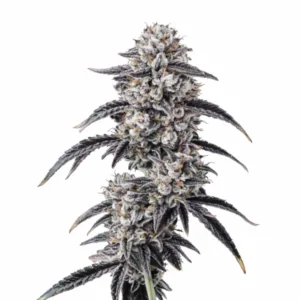
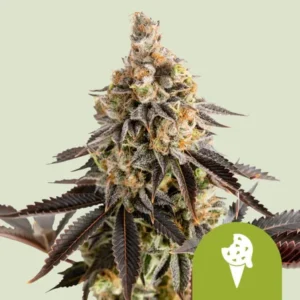
Georgia Pie

|
Type | Feminized |

|
THC | 20% - 25% (High) |

|
Lineage | Gelatti ( Gelato x Biscotti) x Kush Mints |

|
Phenotype | 60% Indica / 40% Sativa |

|
Effects | Euphoric, Powerful, Relaxed |

|
Flavors | Peach, Sweet, Caramel, Apple |

|
Flowering Time | 8 - 10 weeks |

|
Yield | Medium |

|
Yield Indoor | 1.15 - 1.47 oz/ft² | 350 - 450 g/m² |

|
Height | 4.92 ft | 1.5 m |
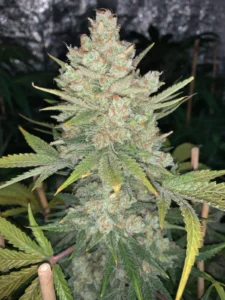
OG Kush Auto
|
|
Type | Autoflowering |
|
|
THC | 23% - 24% (High) |
|
|
Lineage | OG Kush x Ruderalis |
|
|
Phenotype | 80% Indica / 20% Sativa |
|
|
Effects | Powerful, Sedative |
|
|
Flavors | Pine, Herbal, Pepper |
|
|
Life Cycle | 9 weeks |
|
|
Yield | High |
|
|
Yield Indoor | 1.47 - 1.8 oz/ft² | 450 - 550 g/m² |
|
|
Height | 3.28 ft | 1 m |
Consider adding honey to your organic cannabis farming techniques. It’s a simple and effective way to support your plants naturally. Whether you’re a novice or have years of experience, honey can enhance your growing process. Let’s delve into how you can integrate honey into your cannabis cultivation practices.
Start with quality seeds from reputable sources like Growlantis. They offer strains like Blue Dream, known for its resilience and productivity. Once you have your seeds, consider how honey can be incorporated at various stages of growth.
| Claim | Verdict | Why |
|---|---|---|
| Honey as a rooting aid on cuttings | Plausible | Antimicrobial action reduces rot on the cut end |
| Honey as a fertiliser | No | Plants absorb mineral ions, not sugar, through their roots |
| Honey as natural pest control | No, the opposite | Sugar attracts ants and wasps |
| Honey to feed soil microbes | Marginal | Molasses is cheaper and does the same job better |
| Honey to boost bud size or flavour | No | No mechanism and no evidence |
| Honey as a foliar spray | Avoid | Sticky residue on leaves invites mould and blocks stomata |
What Honey Actually Does in Soil
The benefits of honey in cannabis cultivation are numerous. Honey is rich in nutrients that can promote healthy plant growth. It contains enzymes and sugars that can enhance the soil microbiome, creating an environment where cannabis plants thrive. By improving soil health, honey indirectly boosts plant vitality and yield.
Another advantage is honey’s natural antifungal and antibacterial properties. These characteristics make honey an excellent option for organic cannabis farming techniques. When used correctly, honey can help prevent diseases that might otherwise compromise your cannabis crop. This means fewer chemicals and a healthier, more sustainable growing process.
Additionally, using honey in cannabis cultivation can improve water retention in the soil, ensuring that your plants have consistent access to moisture. This is particularly beneficial in drier climates where water conservation is crucial for successful farming. The benefits of honey in cannabis cultivation extend to enhancing soil structure, reducing erosion, and promoting overall plant resilience.
Honey’s role as a natural growth enhancer cannot be overstated. The carbohydrates present in honey can serve as an energy source for beneficial microbes, fostering a thriving ecosystem around your cannabis plants. This symbiotic relationship boosts plant health and can lead to a more robust and bountiful harvest.
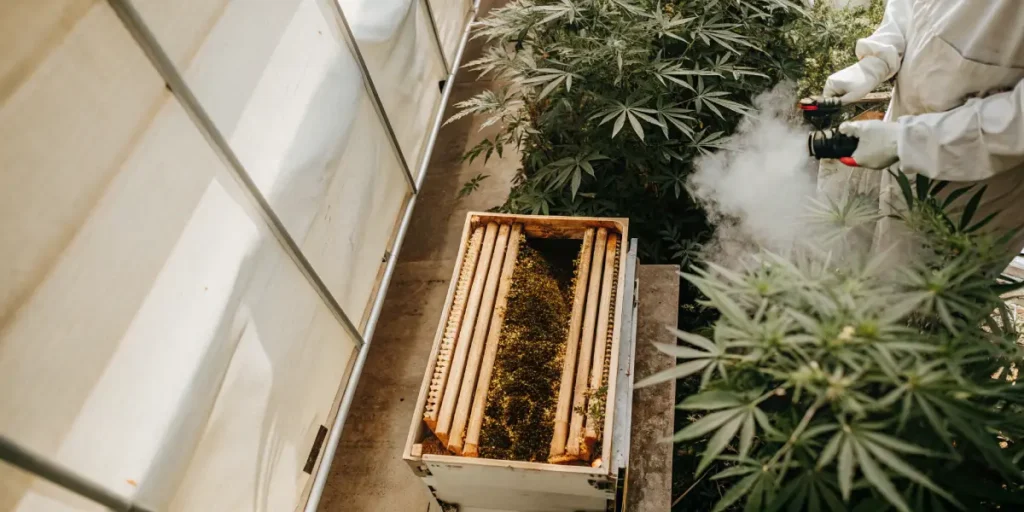
Honey as a Rooting Aid for Cuttings
Honey as a rooting agent for cannabis plants is a technique many growers swear by. The natural enzymes in honey can stimulate root growth, making it a perfect alternative to synthetic rooting hormones. This method is both cost-effective and easy to implement.
To use honey as a rooting agent, simply dip the cut end of a cannabis cutting into honey before planting it in soil. This process can help the cutting develop strong roots more quickly. It’s a tried-and-true method that many organic growers, including those cultivating strains like White Widow, rely on.
Using honey in cannabis cultivation as a rooting agent not only encourages robust root development but also enhances the plant’s ability to absorb nutrients and water. This leads to healthier plants that can withstand environmental stresses more effectively. Honey as a rooting agent for cannabis plants is thus a strategic choice for growers seeking to optimize plant health from the ground up.
Moreover, honey’s antimicrobial properties provide an added layer of protection to young cuttings against pathogens that could hinder root development. This ensures that your cannabis plants have a strong foundation to support vigorous growth throughout their life cycle, leading to higher yields and more resilient crops.
Why Honey Does Not Feed a Cannabis Plant
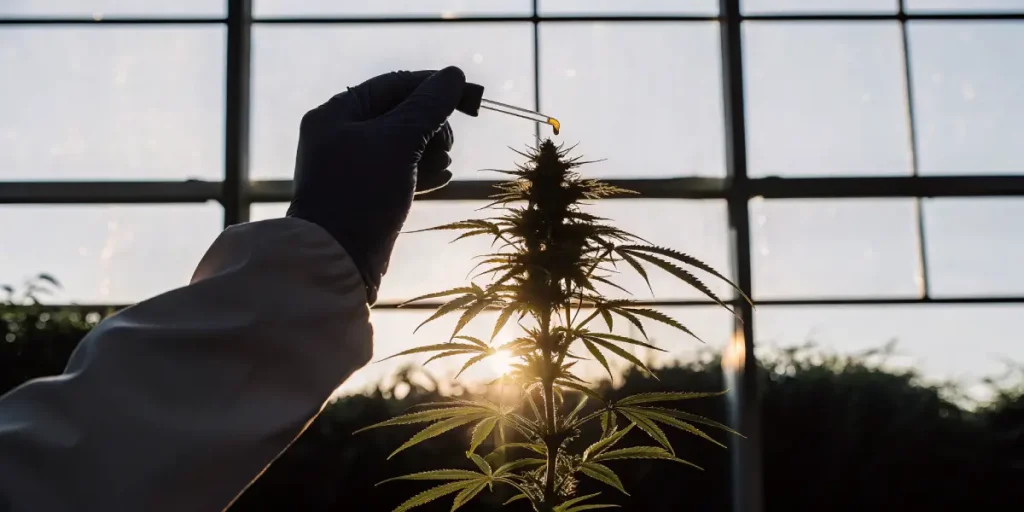
Using honey to boost cannabis plant growth is another practical application. The sugars in honey can act as a mild fertilizer, providing plants with an energy source that supports their growth. This is especially beneficial during the flowering stage, when plants require more energy.
Consider using honey as a foliar spray. Mix a small amount of honey with water and spray it onto the leaves of your cannabis plants. This method allows the plant to absorb nutrients directly through its leaves, enhancing overall growth and vigor. Strains like OG Kush, available at Growlantis, can greatly benefit from this practice.
The application of honey as a growth enhancer in cannabis cultivation can also improve photosynthetic efficiency. By supplying sugars directly to the plant, honey ensures that energy production is optimized, supporting robust flowering and fruiting. Using honey to boost cannabis plant growth is a natural and effective strategy to maximize your garden’s potential.
Furthermore, honey’s role in promoting plant health extends to strengthening the plant’s immune system. The nutrients in honey can fortify plants against environmental stresses, making them more resilient to fluctuations in temperature and humidity. This holistic approach to using honey in cannabis cultivation can lead to a more fruitful and rewarding harvest.
Frequently asked questions
Can honey attract pests to my cannabis plants?
Yes, which is the main argument against most of its suggested uses. Sugar near a plant attracts ants and wasps, and ants farm aphids, so honey applied as a pest measure tends to create the problem it was supposed to solve.
How often should I apply honey?
For cuttings, once, on the cut end before planting. For an established plant, not at all: there is no schedule to follow because there is no benefit to repeat. Molasses is the product to reach for if what you want is to feed soil microbes.
Does honey work in every growing method?
The rooting use works the same way regardless of how you grow. Everything else depends on living soil, and in coco or hydroponics honey does nothing at all except risk a bacterial bloom in the reservoir.
Does the type of honey matter?
Raw, unpasteurised honey is the one used for cuttings, since processing reduces the antimicrobial compounds. For every other suggested use the type does not matter, because the use itself does not work.
What are the risks of using honey?
Attracting ants and wasps, sticky residue on leaves that invites mould, and feeding the wrong organisms in a hydroponic reservoir. None of these is severe, but they are real costs against a benefit that mostly is not there.