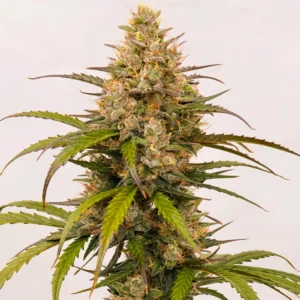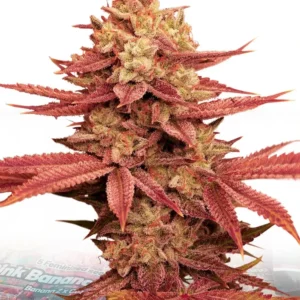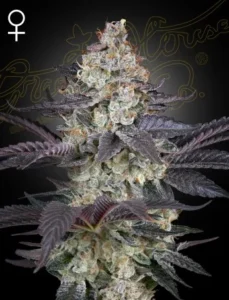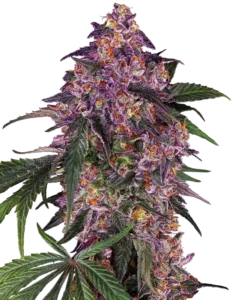


Pink Runtz is a balanced feminized hybrid known for sweet, fruity aromas, colorful flowers, and resin production. This grow guide specifically covers Pink Runtz by Blimburn Seeds, a Pink Panties × Rainbow Sherbet cross with 50% Indica and 50% Sativa genetics.
Blimburn lists this Pink Runtz strain at 20–24% THC, approximately 1.2 m in height, and an indoor flowering range of 8–10 weeks. It can be grown indoors or outdoors, with breeder-listed yields of 350–400 g/m² indoors and 450–550 g per plant outdoors.
Recommended Strains
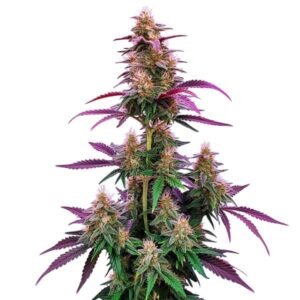
Pink Runtz

|
THC | 20% - 24% (High) |

|
Lineage | Pink Panties x Rainbow Sherbet |

|
Type | Feminized |

|
Height | 3.94 ft | 1.2 m |

|
Yield | Medium |

|
Yield Indoor | 1.15 - 1.31 oz/ft² | 350 - 400 g/m² |

|
Yield Outdoor | 15.87 - 19.4 oz/plant | 450 - 550 g/plant |

|
Flowering Time | 8 - 10 weeks |

|
Phenotype | 50% Indica / 50% Sativa |

|
Medical | Anxiety, Depression, Pain |

|
Effects | Creative, Euphoric, Happy |

|
Flavors | Berry, Spicy |
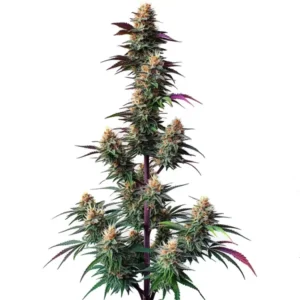
Pink Runtz Auto
|
|
THC | 20% - 24% (High) |
|
|
Lineage | Gelato x Zkittlez x Ruderalis |
|
|
Type | Autoflowering |
|
|
Height | 3.94 ft | 1.2 m |
|
|
Yield | High |
|
|
Yield Indoor | 1.31 - 1.64 oz/ft² | 400 - 500 g/m² |
|
|
Yield Outdoor | 4.23 - 5.29 oz/plant | 120 - 150 g/plant |
|
|
Life Cycle | 8 - 10 weeks |
|
|
Phenotype | 50% Indica / 50% Sativa |
|
|
Medical | Fatigue, Muscle Spasms, Stress |
|
|
Effects | Energetic, Euphoric, Uplifted |
|
|
Flavors | Cherry, Fruity, Sour, Sweet |
You can find the feminized Pink Runtz seeds available at Growlantis.
Pink Runtz Quick Grow Profile
| Trait | Pink Runtz |
|---|---|
| Breeder | Blimburn Seeds |
| Genetics | Pink Panties × Rainbow Sherbet |
| Seed type | Feminized photoperiod |
| Indica / Sativa | 50% Indica / 50% Sativa |
| THC | 20–24% |
| CBD | Low |
| Height | Around 1.2 m |
| Indoor yield | 350–400 g/m² |
| Outdoor yield | 450–550 g/plant |
| Flowering time | 8–10 weeks |
| Outdoor harvest | Around mid-October |
| Climate | Temperate |
| Flavor | Fruity, sweet |
| Reported effects | Energetic, euphoric, uplifted |
Which Pink Runtz Does This Grow Guide Cover?
Pink Runtz is not represented by exactly the same genetics at every seed bank.
This guide uses the Pink Runtz sold by Blimburn Seeds as its cultivation reference. Blimburn identifies its cultivar as Pink Panties × Rainbow Sherbet.
Royal Queen Seeds also sells a cultivar called Pink Runtz, but its genetics are Gelato × The Original Z × Pink Panties, with different THC, height, yield, and flowering specifications.
Growers comparing the two should therefore avoid applying specifications from one breeder to the other. Growlantis lists the Royal Queen Seeds Pink Runtz separately.
Pink Runtz Genetics and Plant Structure
Blimburn Pink Runtz combines Pink Panties with Rainbow Sherbet.
The breeder classifies it as a balanced 50% Indica / 50% Sativa hybrid rather than an indica-dominant cultivar.
Its official profile lists an overall height of around 1.2 m. Blimburn also describes a strong main stem with supporting lateral branches, making this a manageable photoperiod plant rather than an extremely compact cultivar.
The flowers are described as dense and resinous, with some plants capable of developing the pink and purple coloration associated with the name.
Color expression can vary between phenotypes, so not every Pink Runtz plant should be expected to develop identical pink tones.
Growing Pink Runtz Indoors
Pink Runtz can be grown indoors with a standard photoperiod setup.
Because Blimburn lists the plant at around 1.2 m, most indoor growers should be able to manage its height by controlling the duration of the vegetative stage and shaping uneven branches before flowering.
An 18/6 light schedule is a common option during vegetative growth. Flowering is initiated by changing a photoperiod plant to approximately 12 hours of uninterrupted darkness per day.
The important distinction is that Pink Runtz is not an autoflower. The grower determines when flowering begins.
Managing Height and Canopy Structure
There is no evidence that every Pink Runtz plant requires aggressive topping or a fixed training technique.
Instead, evaluate the individual plant.
If one branch begins dominating the canopy, gentle low-stress training can improve light distribution. Blimburn also mentions ScrOG as an option for creating a more uniform canopy indoors.
The objective should be to expose productive branches without adding unnecessary stress simply because a training method appears in a generic grow schedule.
Airflow Around Dense Flowers
Pink Runtz produces dense, resinous flowers, which makes airflow increasingly important later in bloom.
Avoid relying only on the humidity reading from one point in the room. Dense flowers and overlapping foliage can create more humid microclimates within the canopy.
Spacing branches properly and maintaining even circulation can reduce these stagnant zones.
Growing Pink Runtz Outdoors
Blimburn lists Pink Runtz for outdoor as well as indoor cultivation and describes a temperate climate as suitable.
The breeder recommends planting during spring in the Northern Hemisphere and places outdoor harvest around mid-October.
Outdoor production is listed at approximately 450–550 g per plant under suitable conditions.
Those numbers represent breeder potential rather than guaranteed harvests. Sun exposure, root volume, climate, plant size, nutrition, phenotype, and the length of the growing season all affect the final result.
Choose a position with good direct light and enough space between plants for airflow as the canopy develops.

Pink Runtz Flowering Time and Yield
Blimburn’s technical specifications currently list an indoor flowering range of 8–10 weeks.
Several sections of the breeder’s cultivation copy instead refer to 8–9 weeks, so growers should treat eight to ten weeks as the safer published range rather than expecting every plant to finish on an exact day.
Indoor production is listed at:
350–400 g/m²
Outdoor production is listed at:
450–550 g per plant
Because Pink Runtz is photoperiod-dependent, these flowering figures do not describe the full seed-to-harvest lifecycle. The grower determines how long the plant remains in vegetative growth before flowering is initiated.
For the general changes that occur once bloom begins, see the Growlantis guide to the cannabis flowering stage week by week.
Feeding Pink Runtz
Blimburn does not publish a Pink Runtz-specific NPK schedule requiring ratios such as 4-2-3 during vegetation or 1-3-4 during flowering.
Those exact formulas therefore should not be presented as requirements of this strain.
Feed according to the growing medium, water quality, nutrient system, and actual plant response.
As with other photoperiod cultivars, nitrogen demand is generally greater during structural vegetative growth, while the nutritional balance changes as the plant enters flowering.
The important point is to avoid turning general cannabis nutrition principles into unsupported Pink Runtz-specific rules.
Germinating Pink Runtz Seeds
Pink Runtz does not require a unique germination process.
Blimburn recommends a controlled paper-towel method using stable warmth and moisture, with germination commonly occurring within several days.
There is little value in repeating an entire generic germination tutorial inside every strain guide.
For a detailed explanation of expected timing and germination conditions, see how long cannabis seeds take to germinate.
When to Harvest Pink Runtz
Use the breeder’s 8–10 week indoor flowering range as a reference rather than an automatic harvest date.
Actual flower maturity should determine when the plant is ready.
Outdoors, Blimburn places harvest around mid-October in the Northern Hemisphere.
This distinction matters because total cultivation time is not fixed. A Pink Runtz plant kept in vegetative growth for three weeks and another kept vegetative for eight weeks can share the same flowering period while having very different total lifecycles.
Is Pink Runtz Indica or Sativa?
Blimburn Pink Runtz is a balanced hybrid containing 50% Indica and 50% Sativa genetics.
It should therefore not be described as clearly indica-dominant.
This directly answers searches such as “pink runtz strain indica or sativa,” “pink runtz sativa or indica,” and “is pink runtz indica or sativa.”
Other breeders may sell Pink Runtz cultivars with different lineage information, which is another reason to identify the breeder when comparing strain specifications.

Pink Runtz Effects, THC, Flavor and Aroma
Blimburn lists Pink Runtz at 20–24% THC.
The breeder describes its effects as energetic, euphoric, and uplifted. Individual response can vary substantially, so these descriptions should not be treated as guaranteed effects for every consumer.
Its flavor profile centers on sweet and fruity characteristics, including candy-like and tropical notes.
Blimburn currently lists a broad terpene profile that includes compounds such as myrcene, linalool, ocimene, geraniol, humulene, and valencene.
These terpene listings are useful for describing aroma and flavor, but they should not be used to claim that Pink Runtz can treat anxiety, depression, pain, or other medical conditions.
Common Problems When Growing Pink Runtz
Mixing Specifications From Different Pink Runtz Cultivars
This is currently the biggest informational problem around the strain.
Blimburn and Royal Queen Seeds sell Pink Runtz cultivars with different genetics and specifications. Always check which breeder’s seed is being grown before applying height, flowering, THC, or yield figures.
Using an Unverified Nutrient Schedule
Pink Runtz does not have a breeder-published requirement for the exact NPK ratios previously recommended in this guide.
Diagnose plant nutrition from the actual medium and symptoms rather than following an invented strain-specific recipe.
Allowing the Canopy to Become Too Congested
Dense flowers and overlapping foliage can create localized humidity even when room conditions look acceptable.
Use sensible plant spacing and airflow instead of indiscriminate heavy defoliation.
Confusing Pink Runtz With Pink Runtz Auto
Blimburn’s Pink Runtz Auto is a separate autoflowering cultivar with different genetics and a different lifecycle.
Growers interested in that version should use the dedicated Pink Runtz Auto grow guide rather than applying photoperiod timing to an autoflower.

FAQs About Pink Runtz Strain
Is Pink Runtz an indica, sativa, or hybrid strain?
Pink Runtz from Blimburn Seeds is a balanced hybrid listed as 50% Indica and 50% Sativa. That classification fits the breeder’s description of energetic, euphoric, and uplifted effects followed by physical relaxation. It should not be described as clearly indica-dominant when referring specifically to the Blimburn version covered here.
How long does Pink Runtz take to flower indoors?
Blimburn Seeds currently lists Pink Runtz at 8–10 weeks in its technical specifications, while several sections of its cultivation copy cite 8–9 weeks. Treat 8–10 weeks as the safer published range and use actual flower maturity, rather than a fixed calendar date, to decide when the plant is ready to harvest.
How strong is Pink Runtz and what is its THC level?
Blimburn Seeds lists Pink Runtz at 20–24% THC and describes the effects as energetic, euphoric, and uplifted. Potency can still vary between individual plants and finished flowers because phenotype, cultivation conditions, harvest timing, drying, and curing can influence the final cannabinoid profile. These figures refer specifically to Blimburn’s cultivar.
What yield can Pink Runtz produce indoors and outdoors?
Blimburn Seeds lists indoor yields of approximately 350–400 g/m² and outdoor production of about 450–550 g per plant. These are breeder reference figures rather than guaranteed harvests. Actual yield depends on plant size, light, root space, environment, nutrition, training, and the individual phenotype being grown.
What are the genetics of Blimburn Pink Runtz?
Blimburn Seeds identifies its Pink Runtz as a cross of Pink Panties and Rainbow Sherbet. This matters because Royal Queen Seeds sells a different Pink Runtz with Gelato, The Original Z, and Pink Panties genetics. This guide uses the Blimburn cultivar as its main cultivation reference to avoid mixing incompatible specifications.
Is Pink Runtz Auto the same as feminized Pink Runtz?
No. Blimburn’s feminized Pink Runtz is a photoperiod cultivar bred from Pink Panties and Rainbow Sherbet, while Pink Runtz Auto is a separate autoflowering product with Gelato, Zkittlez, and Ruderalis genetics. Their lifecycle, flowering behavior, yield figures, and cultivation planning differ, so growers should not use one version’s specifications for the other.